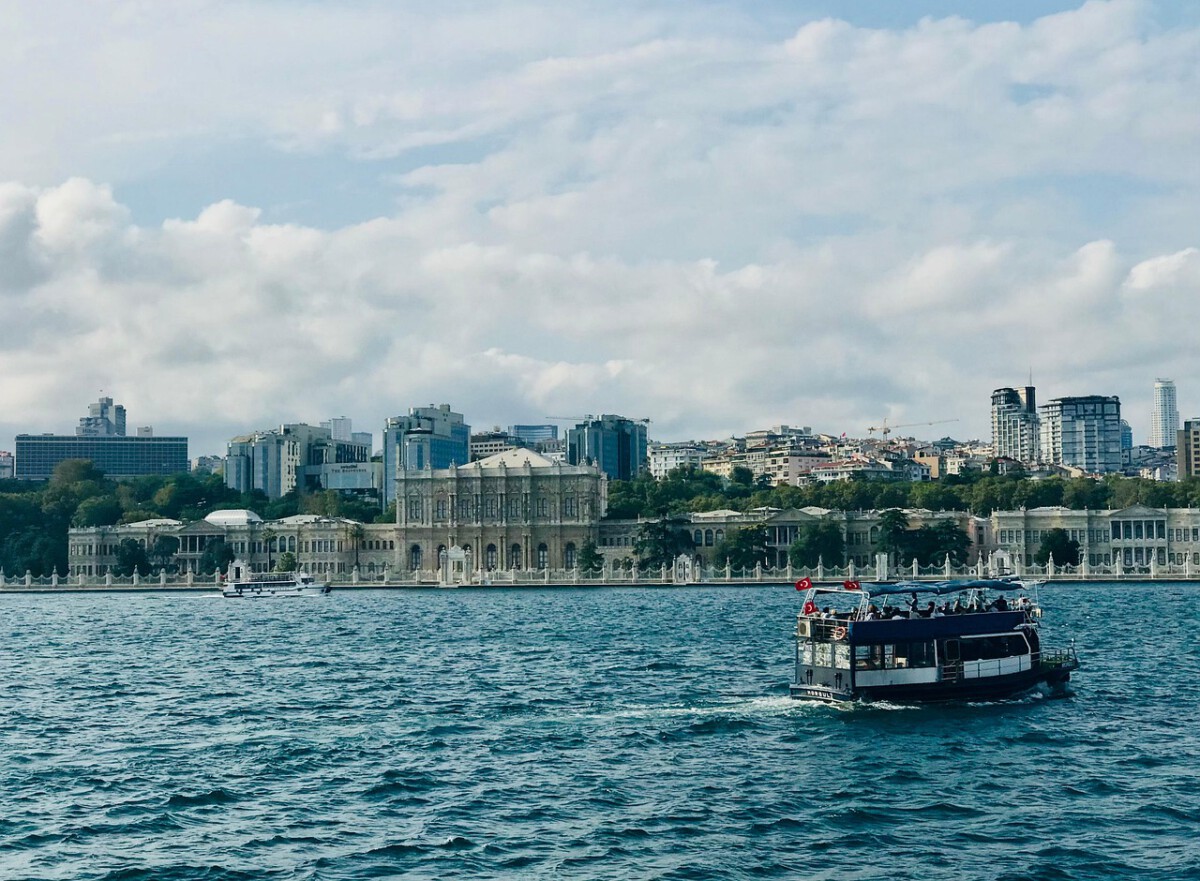
A Lifeline for Global Energy Flows (Image Credits: Pixabay)
Strait of Hormuz – The narrow waterway linking the Persian Gulf to open seas has turned into a flashpoint amid escalating conflict with Iran. Ships normally transport roughly one-fifth of the world’s daily oil through this passage, but recent hostilities have halted most traffic. This closure traps over 90 percent of the region’s crude and refined products, according to the International Energy Agency, raising alarms for energy security worldwide.
A Lifeline for Global Energy Flows
At its narrowest, the Strait of Hormuz spans just 33 kilometers, threading between Iran and Oman while bordering the United Arab Emirates. This strategic bend funnels oil from major producers like Saudi Arabia, Kuwait, Iraq, Qatar, Bahrain, and Iran itself toward international waters and the Gulf of Oman. Most shipments head to Asian markets, with China standing out as a primary destination.
History underscores its enduring role in trade, from ancient silk and ivory routes to today’s supertankers laden with hydrocarbons. While pipelines in Saudi Arabia and the UAE offer some bypass options, the U.S. Energy Information Administration notes that the bulk of exports lack viable alternatives. Past disruptions, such as those during the Israel-Iran war last June, have repeatedly jolted energy prices.
Wave of Attacks Cripples Shipping
The United Kingdom Maritime Trade Operations center reported 21 incidents near the strait and surrounding areas as of Tuesday, including 16 confirmed attacks on tankers, tugs, and cargo vessels. Iran has targeted energy infrastructure and vowed to prevent even a single liter of oil from reaching adversaries. This marks a sharp escalation from previous harassment tactics or temporary drills.
During the 1980s Iran-Iraq war, naval mines once fully halted traffic, but sustained closure threats had remained unfulfilled until now – even amid last year’s intense 12-day conflict involving strikes on Iranian nuclear sites. Global shippers have suspended operations, leaving vessels anchored and rerouted. Logistics experts highlight the standstill’s ripple effects, with incoming replacements now idled elsewhere.
Oil Prices Soar Amid Economic Fears
Crude prices have climbed above $100 per barrel, with analysts warning of $150 levels if the blockade persists. Higher gasoline costs loom for consumers worldwide, straining budgets already hit by inflation. Businesses face elevated expenses, potentially passing them to customers in a vicious cycle.
Hakan Kaya, senior portfolio manager at Neuberger Berman, emphasized the stakes: “The scale of what is at stake cannot be overstated.” Markets swing wildly on any hint of progress, as seen when a retracted U.S. official claim about naval escorts briefly spiked and dipped prices.
U.S.-Led Push to Restore Passage
President Donald Trump pledged to make the strait “OPEN, SAFE, and FREE,” calling on allies – including about seven nations – to help police it. The U.S. International Development Finance Corp. launched a $20 billion reinsurance program for cargo and vessel damage, countering insurers’ pullback. Navy escorts remain under consideration, though none have occurred yet.
NATO allies rebuffed joint efforts, prompting Trump’s frustration over uneven burden-sharing. Meanwhile, limited traffic persists: vessel trackers noted 15 ships transiting in the past three days, among them eight bulk carriers, five tankers, and two liquefied petroleum gas vessels. Broader relief includes the International Energy Agency’s plan to tap 400 million barrels from member reserves – double the 2022 Ukraine response volume.
The White House eyes easing Jones Act rules, which mandate U.S.-flagged ships for domestic routes, to boost supply flexibility.
Key Takeaways
- Strait handles 20% of global oil but now traps 90%+ of Gulf exports.
- 21 incidents reported, driving prices past $100/barrel.
- U.S. reinsurance and IEA reserves offer short-term buffers; full reopening essential for stability.
As efforts intensify to unclog this chokepoint, the world watches closely – the strait’s fate will shape energy costs and economic trajectories for months. What steps should nations take next to secure this critical route? Share your thoughts in the comments.