Mass Absenteeism Grips Offices Nationwide (Image Credits: Images.fastcompany.com)
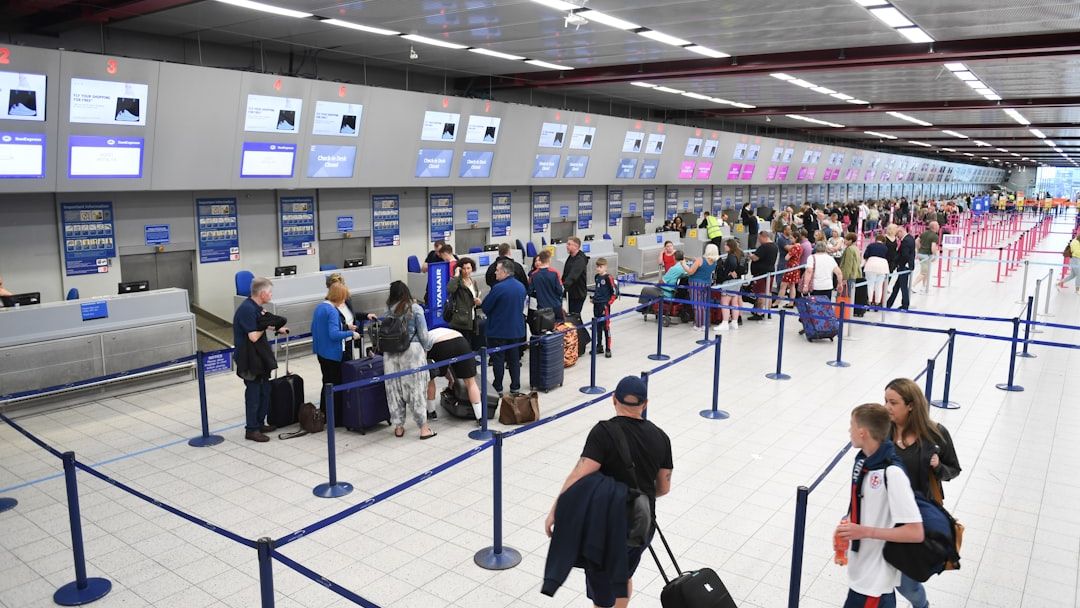
America awoke to widespread workplace absences on the Monday following Super Bowl Sunday, as celebrations took their toll nationwide.
Mass Absenteeism Grips Offices Nationwide
Survey data revealed staggering numbers, with an estimated 26.2 million U.S. employees missing work that day, according to UKG’s annual Super Bowl Absenteeism Survey.
This phenomenon, often dubbed “Super Sick Monday,” affected businesses across sectors, regardless of the game’s outcome. Employees cited late nights at watch parties, indulgence in food and drinks, and even emotional letdowns from the event. The absenteeism rate highlighted a predictable annual disruption to productivity.
Clear Divides Emerge by Gender and Generation
Men showed a stronger tendency to call in sick, with 9.11% planning to stay home after this year’s Super Bowl, compared to just 3.37% of women, per TopResume findings.
Age played an even bigger role in these patterns. Younger workers led the trend, while older groups proved more resilient.
- Gen Z: 27.45% had called in sick previously; 12.42% more than once; 6.54% planned ahead, with 18.3% undecided based on the night’s events.
- Millennials: 21.17% had skipped work before; 8.64% planned to this year.
- Gen X: 13.08% lifetime rate; 3.49% planned.
- Boomers: 6.82% lifetime; 1% planned.
These differences reflect varying attitudes toward work-life balance during major cultural events.
Employers Face the Hangover Challenge
Career expert Amanda Augustine, from TopResume, described the issue as more than physical recovery. “For many Americans, the Monday after the Super Bowl comes with a real post-game hangover, and I don’t just mean from the snacks and cocktails,” she stated in a press release. “It’s a mix of late nights, disrupted routines, and for some, a case of the post-game blues.”
She advised proactive measures. Employers could remind staff of floating holidays, offer half-days, or provide perks like coffee and breakfast. Such steps help ease the transition back to routines without penalizing participation in the national pastime.
Persistent Question: Time for Official Recognition?
Despite recurring patterns, the day after Super Bowl Sunday remains no national holiday. Businesses absorb the hit annually, prompting discussions on formal acknowledgment.
Proponents argue it mirrors other culturally significant days with built-in recovery time. Yet logistical hurdles, like federal holiday designations, keep it unofficial. Companies increasingly adapt independently, signaling a shift in how major events intersect with work.
Key Takeaways
- 26.2 million absences marked a record disruption, per UKG.
- Gen Z and men led in skipping work; Boomers showed restraint.
- Employers can mitigate impacts with flexible perks and policies.
The Super Bowl’s grip on American culture underscores a simple truth: some traditions demand recovery time. As absenteeism persists, businesses weigh adaptation against advocacy for change. What steps has your workplace taken? Share in the comments.