Tax Refunds Hit Record Projections Amid Early Filings (Image Credits: Pexels)
President Donald Trump’s tax cut legislation promised Americans their largest refunds ever this filing season. Expectations ran high for an economic boost as refunds began flowing. However, the outbreak of war with Iran has driven gas prices to unforeseen heights, threatening to neutralize those gains for many households.
Tax Refunds Hit Record Projections Amid Early Filings
Trump highlighted the upcoming refund season in a December prime-time address, calling it the biggest in history. The IRS reported average refunds of $3,676 through March 6, a $352 increase from the prior year’s $3,324. More complex returns filed later could push averages higher still.
Analysts from the Tax Foundation estimated an extra $748 per household from the tax cuts. This windfall was meant to spur spending on dining, apparel, and leisure. Instead, escalating fuel costs have shifted priorities for everyday consumers.
Iran Conflict Fuels Unprecedented Gas Price Leap
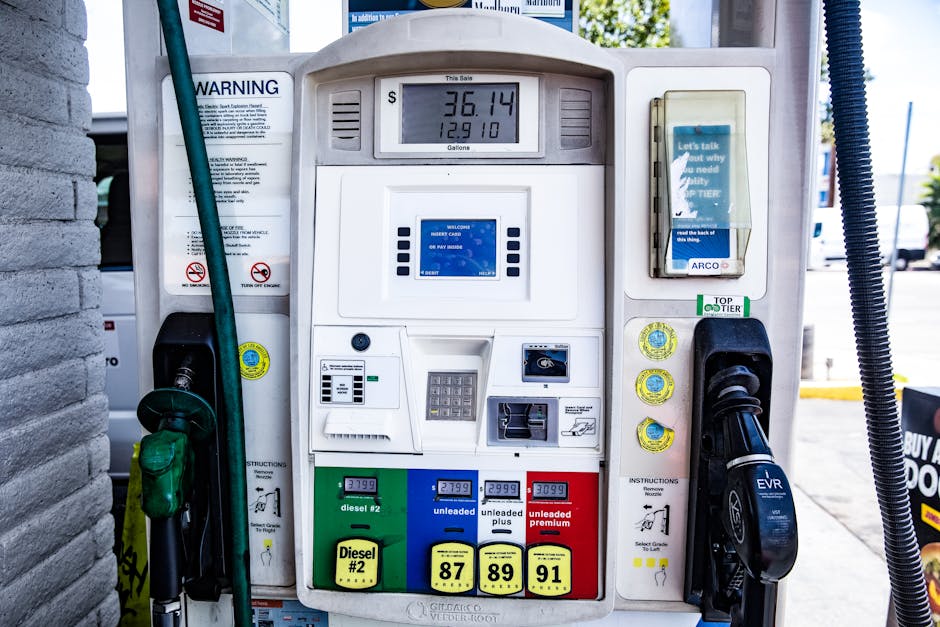
The war erupted on February 28, sending oil prices into overdrive. Nationwide gas averages climbed to $3.94 per gallon by the following Sunday, more than a dollar higher than a month prior. Disruptions in shipping and production ensure prices stay elevated even if hostilities cease soon.
Neale Mahoney, director of the Stanford Institute for Economic Policy Research, projected a May peak of $4.36 per gallon based on Goldman Sachs oil forecasts. Economists describe the slow descent after spikes as the “rocket and feathers” effect. In this outlook, households face an additional $740 in annual gas expenses – nearly matching the refund bump.
Lower-Income Families Bear the Brunt
Lower- and middle-income groups suffer most, as they claim smaller refunds yet allocate a larger share of budgets to fuel. Alex Jacquez, chief policy officer at the Groundwork Collaborative and former Biden White House economist, noted the energy shock targets those with minimal buffers. “It doesn’t look like those tax refunds are going to be here to save them,” Jacquez said.
Pantheon Macroeconomics data reveals stark disparities: the bottom 10% of earners devote nearly 4% of income to gasoline, versus 1.5% for the top 10%. This dynamic amplifies the “K-shaped” economic divide, where affluent households weather storms better than others. Oxford Economics calculations reinforce the trend – if prices average $3.70 yearly, consumers lose $70 billion, exceeding the $60 billion refund total.
Consumer Resilience Tested by Debt and Stagnant Hiring
Unlike 2022’s Ukraine-driven spike, when stimulus and hiring cushioned blows, conditions now strain wallets. Hiring has stalled, savings rates declined, and borrowing surged via credit cards and “buy now, pay later” for essentials. Julie Margetta Morgan, president of The Century Foundation, observed households stretching thin: “They’re making it work for now, but that can fall apart quite quickly.”
Bank of America Institute data from March 14 showed gas spending up 14.4% year-over-year on cards, reversing prior declines. Discretionary outlays on travel and electronics persist but lack acceleration. David Tinsley, senior economist there, warned: “The longer these gasoline prices persist, the more that will gradually sap consumer discretionary spending.”
| Factor | 2022 Context | 2026 Reality |
|---|---|---|
| Savings Buffers | High from stimulus | Depleted |
| Hiring Trends | Rapid wage growth | Near standstill |
| Debt Usage | Moderate | High (cards, BNPL) |
Economic Growth Faces Headwinds
Oxford Economics slashed its 2026 U.S. growth forecast to 1.9% from 2.5%, citing the fuel shock. Bernard Yaros and Michael Pearce explained: “We had anticipated a lift in spending from a bumper tax refund season, but the rise in gasoline prices, if sustained, would more than offset that boost.” Inflation may tick up short-term, though subdued demand could temper it later.
Consumers have rebounded from past jolts – inflation, rates, tariffs – keeping recession fears at bay. Energy’s share of spending has shrunk versus a decade ago. Yet prolonged high prices risk broader slowdowns.
- Gas costs could match or exceed average refund gains for households.
- Lower earners face disproportionate impacts on budgets.
- Slower growth and persistent inflation loom if prices linger.
As tax refunds roll in against a backdrop of volatile fuel markets, the true test lies in household adaptability. Will the economy defy another shock, or will this one prove decisive? Share your thoughts in the comments below.