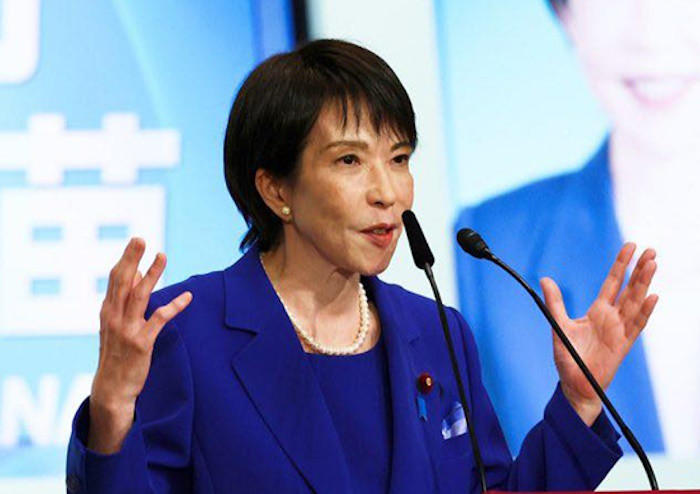
A Historic Electoral Rout (Image Credits: Flickr)
Tokyo – Prime Minister Sanae Takaichi guided the Liberal Democratic Party to a historic landslide in snap elections, securing unprecedented parliamentary power for her conservative vision.[1][2]
A Historic Electoral Rout
The Liberal Democratic Party captured 316 seats in the 465-member lower house, achieving a two-thirds supermajority and marking the largest seat haul for any party in Japanese history.[1] This outcome followed the dissolution of the LDP’s long-standing coalition with the centrist Komeito party, which suffered heavy losses after forming a new alliance.[2] Takaichi, who became Japan’s first female prime minister in October 2025, called the February 8 vote amid challenging weather and a compressed campaign schedule.
Voters delivered this mandate amid Takaichi’s soaring personal popularity, often dubbed “Sana-mania” among younger demographics and independents.[1] Japanese stocks surged to record highs in response, reflecting optimism over her economic pledges, though bond markets showed volatility.[3]
Unpacking the Conservative Core
Takaichi’s platform emphasizes national security enhancements, including accelerating defense spending to 2 percent of GDP by March 2026 and revising Article 9 of the constitution to formally recognize the Self-Defense Forces as a national army.[1] She advocates updating the National Defense Strategy and bolstering intelligence capabilities in a tense regional environment marked by threats from China and North Korea.
Foreign policy stances include a firm pro-Taiwan position, with Takaichi warning that a Chinese assault on the island would constitute an existential crisis for Japan.[1] Domestically, she pushes stricter immigration controls, opposition to same-sex marriage and separate spousal surnames, and regular visits to Yasukuni Shrine, positions that have drawn international scrutiny.
Tax Relief and Fiscal Ambitions
Post-election, Takaichi reaffirmed her commitment to suspending the 8 percent sales tax on food for two years, a measure costing around 5 trillion yen annually to alleviate household burdens.[3] This flagship policy forms part of a broader fiscal stimulus package, continuing elements of Abenomics while prioritizing growth in AI, semiconductors, and security-related industries.
Funding remains a point of debate, with no new debt planned and potential reliance on non-tax revenues like foreign exchange reserves.[3] Markets reacted positively to the win but expressed caution over yen weakness and import price risks.
Prospects and Public Divide
The supermajority positions the LDP to initiate a referendum on constitutional amendments, overriding upper house vetoes if needed.[2] Takaichi acknowledged that her agenda could “split public opinion,” highlighting shifts in economic policy, security strengthening, and deeper commitment to a free and open Indo-Pacific.[2]
While her leadership enjoys broad support, controversies over historical views and media influence allegations persist, testing her administration’s cohesion with the right-wing Japan Innovation Party coalition partner.[1]
Key Takeaways
Takaichi’s triumph cements her as a transformative figure, poised to steer Japan through economic pressures and geopolitical storms. What do you think her reforms will mean for Japan’s future? Tell us in the comments.