

A Shocking Twist in a Gruesome Case (Image Credits: Unsplash)
Tampa, Florida – Tension lingers in the air as legal maneuvers throw a wrench into the timeline for a young woman’s reckoning in a high-profile rapper’s death.
A Shocking Twist in a Gruesome Case
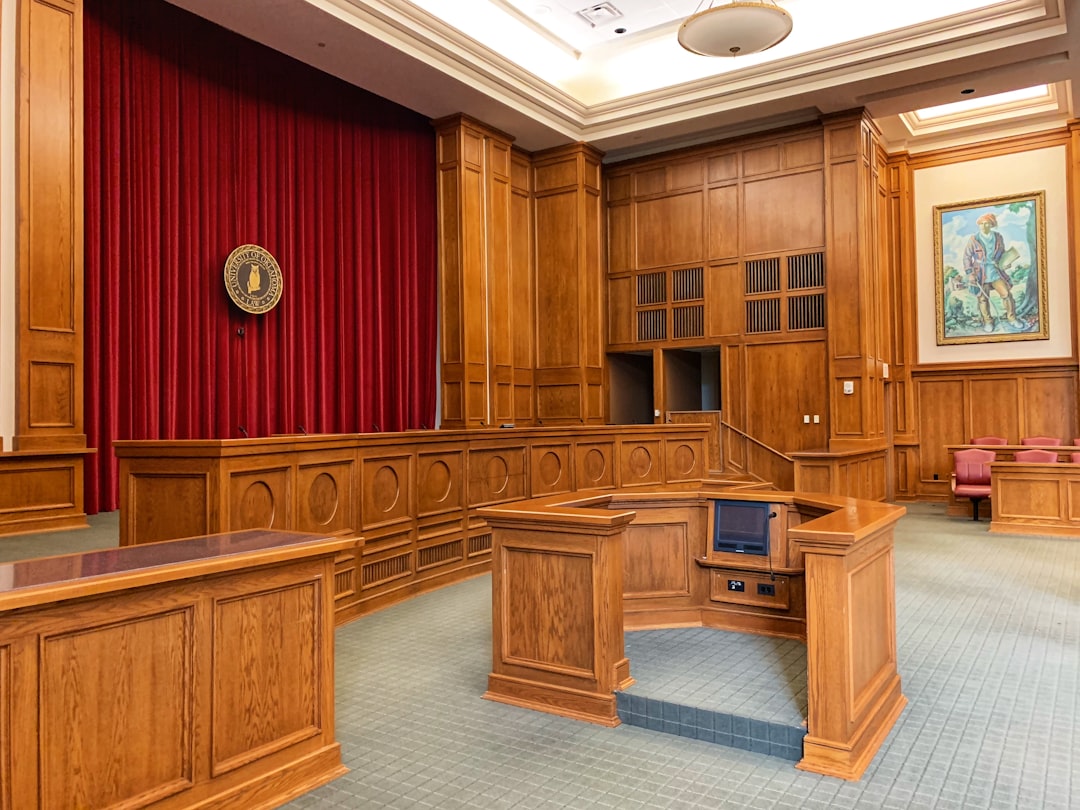
Picture this: a courtroom packed with anticipation, only for the gavel to pause mid-swing. That’s exactly what happened when Alicia Andrews’ sentencing got derailed just days before it was due. Convicted of manslaughter in the killing of Jacksonville rapper Julio Foolio, Andrews faced up to 15 years behind bars. Yet, a last-minute appeal flipped the script, leaving everyone wondering what’s next.
The delay isn’t just a minor hiccup. It stems from her defense team’s aggressive push to oust the judge overseeing the case. Florida’s appellate court stepped in swiftly, halting proceedings until the state can respond. This move keeps Andrews in limbo, her future hanging by a thread.
Julio Foolio, whose real name was Charles Jones II, met a tragic end in June 2024 outside a Tampa hotel. The ambush-style shooting shocked the music world and sparked a sprawling investigation. Andrews, just 22, became one of five suspects tied to the plot.
Recapping the Julio Foolio Tragedy
Foolio’s death wasn’t random violence. It tied into Jacksonville’s brutal street rivalries, where drill rap often mirrors real dangers. He was celebrating his birthday when gunmen ambushed him at a Holiday Inn. The rapper, known for hits like “Voodoo,” had survived past attempts on his life.
Investigators zeroed in on Andrews for her alleged role in tracking Foolio’s location. She reportedly used her phone and car to aid the shooters. Though prosecutors pushed for first-degree murder, the jury settled on manslaughter after heated deliberations in November 2025.
The case highlighted how social media and gang ties fuel these conflicts. Foolio’s posts often taunted rivals, escalating tensions. His loss rippled through the hip-hop community, prompting calls for better protection for rising stars.
Alicia Andrews’ Path to the Verdict
Andrews’ trial drew intense scrutiny. Her defense argued she acted under duress, possibly from domestic pressures, but the judge blocked that angle. She turned down an 18-year plea deal, betting on a jury’s mercy. In the end, they acquitted her of conspiracy but nailed her on manslaughter.
Courtroom observers noted her composure throughout. She chose not to testify, letting evidence speak for itself. The verdict came after just over two hours of jury talks, a relatively quick decision in such a complex case.
Now, with sentencing postponed from December 8, her team files motions left and right. They’re challenging the judge’s impartiality, claiming bias in rulings. This strategy could buy time or even reshape her punishment.
Why the Delay Happened Now
Timing feels everything in high-stakes trials. Andrews’ lawyers moved fast, seeking an expedited review from Florida’s Second District Court of Appeal. They argue the trial judge mishandled key decisions, warranting recusal.
The appellate court agreed to pause things, ordering the state to show cause. This means no sentencing until resolved, potentially stretching weeks or months. It’s a bold play, one that keeps Andrews out of immediate sentencing but risks tougher scrutiny later.
Legal experts say these motions aren’t uncommon in murder cases. They aim to expose any procedural flaws. Still, success rates hover low, making this a high-risk gamble for the defense.
Timeline of Key Events
Understanding the sequence helps unpack the chaos. Here’s a quick rundown:
- June 2024: Julio Foolio shot and killed in Tampa during his birthday celebration.
- August 2024: Alicia Andrews arrested as one of five suspects.
- November 2025: Jury convicts her of manslaughter, acquits on conspiracy.
- December 2025: Defense files motion to disqualify judge, leading to sentencing delay.
- Ongoing: Appellate court reviews the challenge.
This chain shows how a single event spirals into years of legal battles. Each step builds on the last, with Foolio’s death as the grim catalyst.
Other suspects face their own trials, but Andrews’ case stands out for its twists. Bond denials kept her locked up pre-trial, underscoring the charges’ severity.
What Lies Ahead for Andrews and the Case
The road forward looks bumpy. If the judge stays, sentencing could resume soon with the original 15-year max looming. A successful recusal might mean a new jurist and fresh considerations.
Broader implications ripple out. This delay spotlights flaws in Florida’s justice system, especially in gang-related killings. Victims’ families, including Foolio’s, wait longer for closure.
Andrews remains in custody, her story far from over. Supporters rally online, while critics demand swift justice. The music world watches, hoping it deters future violence.
Key Takeaways
- Andrews’ manslaughter conviction ties her to Foolio’s tracking but spares her murder charge.
- The delay buys time via an appeal challenging the judge’s role.
- This case underscores ongoing risks in rap’s street-influenced scene.
In the end, this postponement reminds us how fragile justice can be, especially when lives hang in the balance. Foolio’s legacy pushes for change, but Andrews’ fight shows the system’s grind. What do you think about this latest turn? Share your thoughts in the comments.