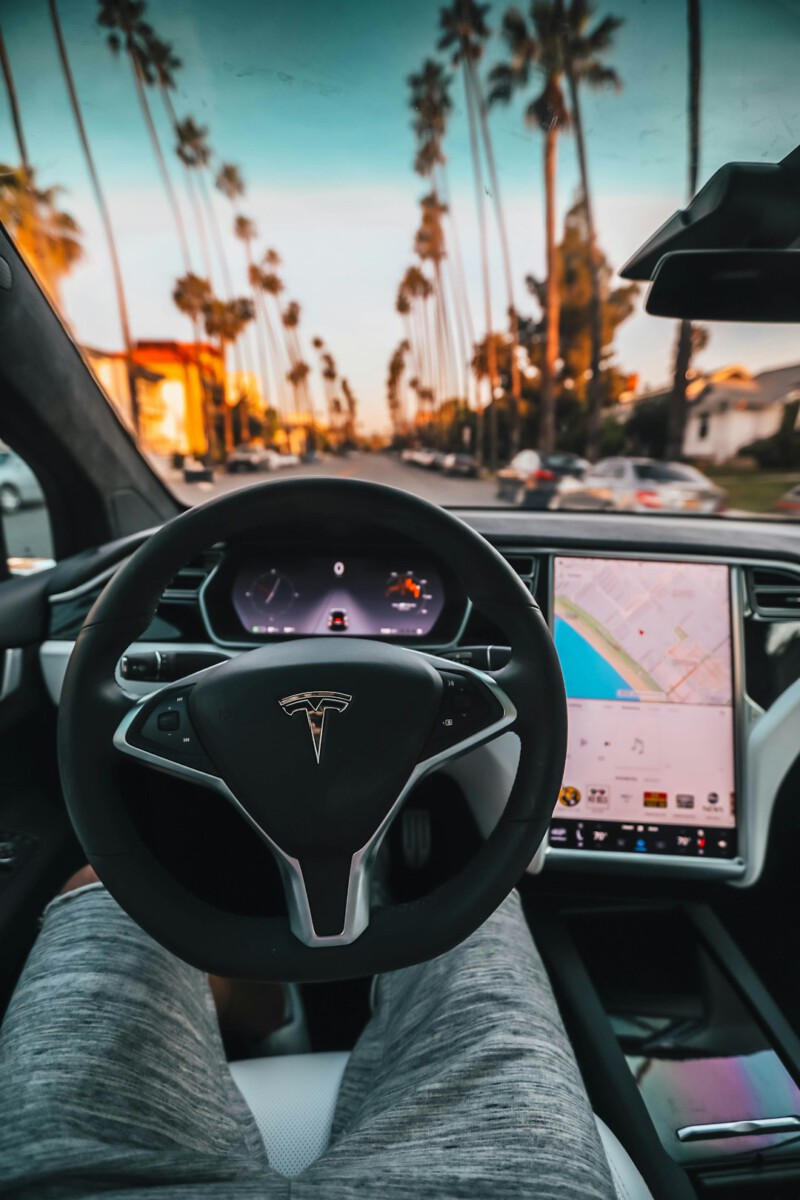
The Legal Back-and-Forth Unfolds (Image Credits: Unsplash)
California – Tesla Inc. filed a lawsuit against the California Department of Motor Vehicles in February 2026, aiming to reverse an administrative ruling that deemed the company’s marketing of Autopilot and Full Self-Driving features misleading to consumers.[1]
The Legal Back-and-Forth Unfolds
An administrative law judge ruled in late 2025 that Tesla violated state law through its use of terms like “Autopilot” and “Full Self-Driving Capability.” The decision highlighted marketing phrases suggesting vehicles could handle trips without driver input, despite requirements for constant supervision.[2]
The DMV threatened a 30-day suspension of Tesla’s sales licenses unless changes occurred. Tesla responded by rebranding its $99 monthly subscription as “Full Self-Driving (Supervised)” and dropping “Autopilot” from California promotions. This step satisfied regulators on February 17, averting penalties.[3]
Days earlier, on February 13, Tesla launched its suit anyway. Attorneys argued clear disclaimers made autonomy impossible to misunderstand and accused the DMV of lacking evidence of consumer confusion. The agency vowed to defend the judge’s findings in court.[1]
Safety Records Raise Stakes
Critics point to real-world incidents underscoring the gap between marketing and performance. Tracking site Tesla Deaths lists 65 fatalities linked to Autopilot since its 2015 debut, with NHTSA probes verifying dozens.[4]
Common failures involve missing stationary objects or crossing traffic. A 2016 Florida crash killed Joshua Brown when Autopilot overlooked a truck’s white trailer against the sky. More recently, a 2019 Key Largo incident led to a $243 million jury award against Tesla, with the driver admitting over-reliance on the system.[1]
- 2016: Joshua Brown dies in Florida after Autopilot misses truck.
- 2019: Key Largo crash injures survivor, kills passenger; Tesla 33% liable.
- 2025: Multiple NHTSA-verified cases, including barrier strikes and pedestrian impacts.
Promises Meet Persistent Delays
Elon Musk demonstrated Autopilot on CBS’ 60 Minutes in 2018 by removing his hands from the wheel, claiming minimal involvement. Similar promotions, including staged videos, fueled perceptions of near-autonomy.Wired reported on the interview risks.
Timelines for full autonomy shifted repeatedly. Cybercab production, promised steering-wheel-free by 2026, slipped to before 2027. Internal analyses warned of robotaxi unprofitability abroad, contrasting Musk’s optimism.[5]
Tesla relies solely on cameras, rejecting lidar as unnecessary. This approach lags rivals, with systems intervening every 489 miles versus Waymo’s 17,311.
Rivals Demonstrate True Progress
Chinese firm BYD rolled out its “God’s Eye” system to over one million vehicles, featuring Level 4 parking via cameras, radars, ultrasonics, and lidar. The company backs it with damage guarantees.[6]
Volvo partners with Waymo for similar assurances. Tesla shifts blame to drivers via manuals when issues arise. Sales declines in Europe signal eroding trust amid stale designs and controversies.
Key Takeaways
- Tesla complied with rebranding but sues to erase the false advertising label.
- 65 Autopilot-linked deaths highlight Level 2 limitations.
- Competitors like BYD advance with multi-sensor setups and warranties.
The courtroom clash tests whether Tesla can reclaim its terminology amid safety scrutiny and rival gains. Regulators prioritize consumer protection, while Tesla eyes valuation tied to autonomy dreams. What implications do you see for self-driving tech? Share in the comments.