
Filing taxes in 2026 feels different for many. Early IRS data shows average refunds hovering around $3,100 to $3,800 for the 2025 tax year, similar to recent years. Yet reports from the IRS highlight a growing number of taxpayers facing unexpected bills.
This shift stems from everyday changes in work and policy. Over 160 million returns get processed annually, so even small tweaks hit hard. Factors like income bumps and gig jobs play a big role.
Expired Pandemic Credits Hit Hard

The IRS notes that expanded Child Tax Credits and stimulus benefits from the pandemic era ended after 2022. Families who relied on those boosts now see smaller refunds or owe money. This change started in 2023 and lingers into 2025 filings.
Without those extras, take-home pay aligns closer to actual tax liability. Households with kids feel it most. IRS data confirms refunds dipped initially due to this gap.
Withholding Errors Top the List

Incorrect withholding remains a leading cause of owing, per IRS warnings. Many stick with old setups that no longer fit current earnings. Life events like marriage or new jobs demand updates.
The IRS Tax Withholding Estimator helps fix this, yet millions overlook it. Underpayment penalties kick in if less than 90 percent of taxes go unpaid yearly. Treasury reports stress accurate withholding funds nearly half of federal revenue.
Gig Economy Growth Brings Surprises

Bureau of Labor Statistics tracks rising freelance and gig work. These earners lack automatic paycheck deductions, leading to year-end shocks. IRS sees millions hit with bills from platforms like rideshares or deliveries.
New 2025 rules offer tip deductions up to $25,000, but many miss quarterly estimates. Self-employment taxes add self-paid portions. Gig income must report even if part-time.
Income Increases Shift Brackets

Higher wages from promotions or raises push folks into higher brackets under TCJA rules, still active through 2025. Withholding often lags behind. Tax Policy Center reports refund volatility from post-pandemic income swings.
Inflation adjustments help, but not fully. A modest bump can turn a refund into a bill. IRS data shows this affects multiple-job holders worst.
Outdated W-4 Forms Linger
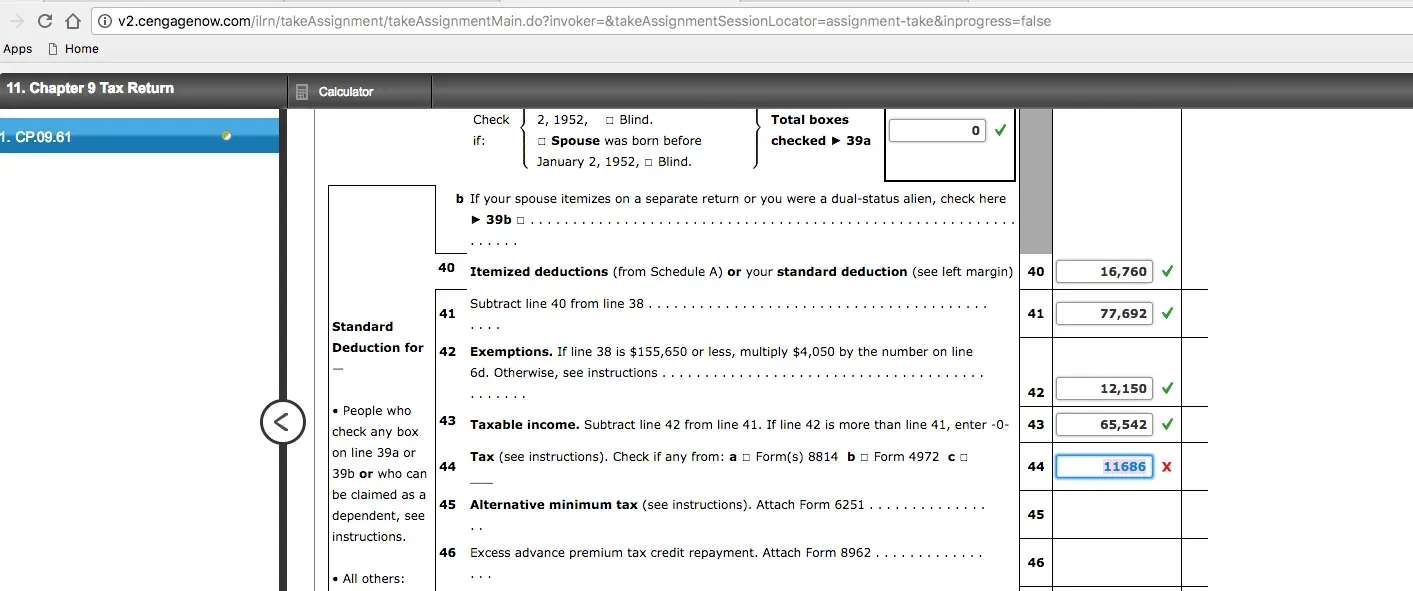
Failure to update W-4 after changes like dependents or jobs causes underwithholding. IRS urges using their online tool for precision. Many carry forms from years ago.
This mismatch leads to owing, especially with TCJA withholding tables. Early 2026 filings reveal patterns from stale info. Simple tweaks prevent penalties.
Multiple Jobs Multiply Risks
Holding two jobs means double income but split withholding. Each employer withholds based on partial pay, often too low overall. IRS flags this as common underpayment trigger.
Side hustles compound it without adjustments. Taxpayers need to account for total liability. Millions face surprises yearly from this setup.
No Quarterly Estimated Payments

Freelancers and investors must pay estimates quarterly to avoid penalties. IRS reports millions dinged for skipping. Gig expansion worsens this trend.
Deadlines hit April, June, September, January. Tools like IRS estimator guide amounts. Compliance keeps bills manageable.
TCJA Adjustments Still Echo

Tax Cuts and Jobs Act provisions run through 2025, but withholding tweaks confuse many. Higher standard deductions help some, not all. Sunset looms for 2026 taxes, adding uncertainty.
IRS updated estimators for changes. Volatile refunds per Tax Policy Center tie to these shifts. Proactive planning counters the flux.
Staying ahead means checking withholding now. Use IRS tools and update forms promptly. Small steps keep surprises at bay come next April.