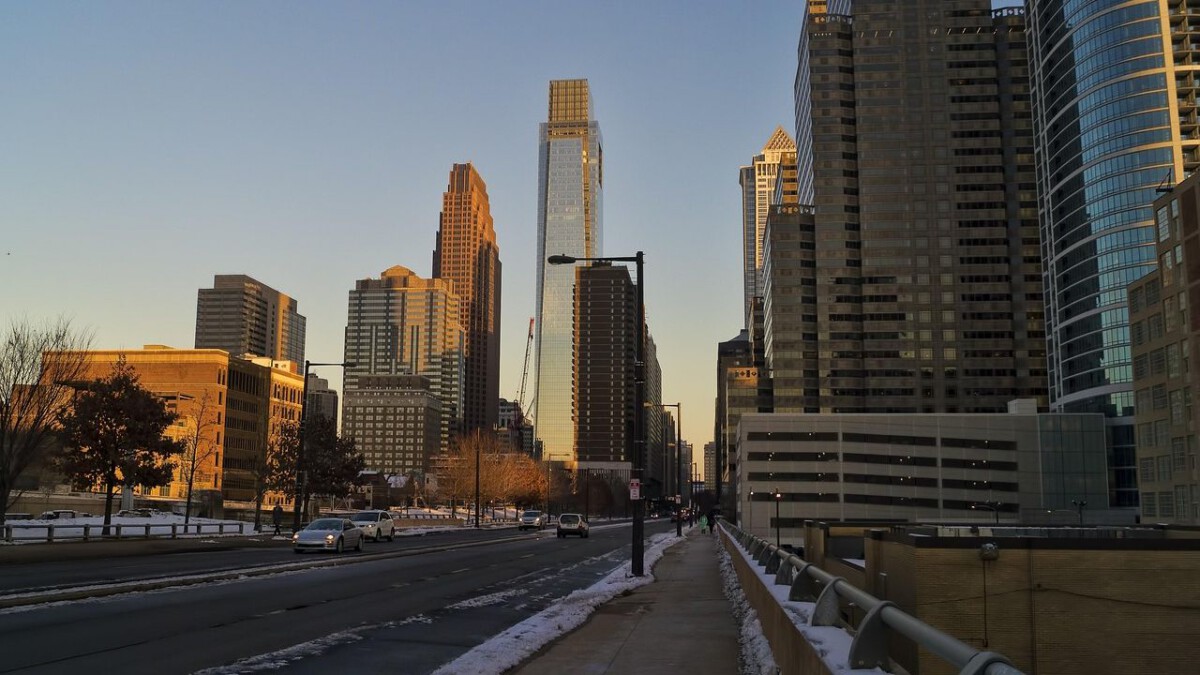

Imagine scraping by on minimum wage, yet eyeing a home of your own. Sounds like a dream in today’s skyrocketing market, right? Yet a handful of overlooked spots make it barely possible.[1]
These aren’t glamorous metros. They’re gritty, forgotten corners where homes go for pennies. Let’s uncover the three where math still kinda works, and that nagging catch lurking underneath.
Johnstown, Pennsylvania
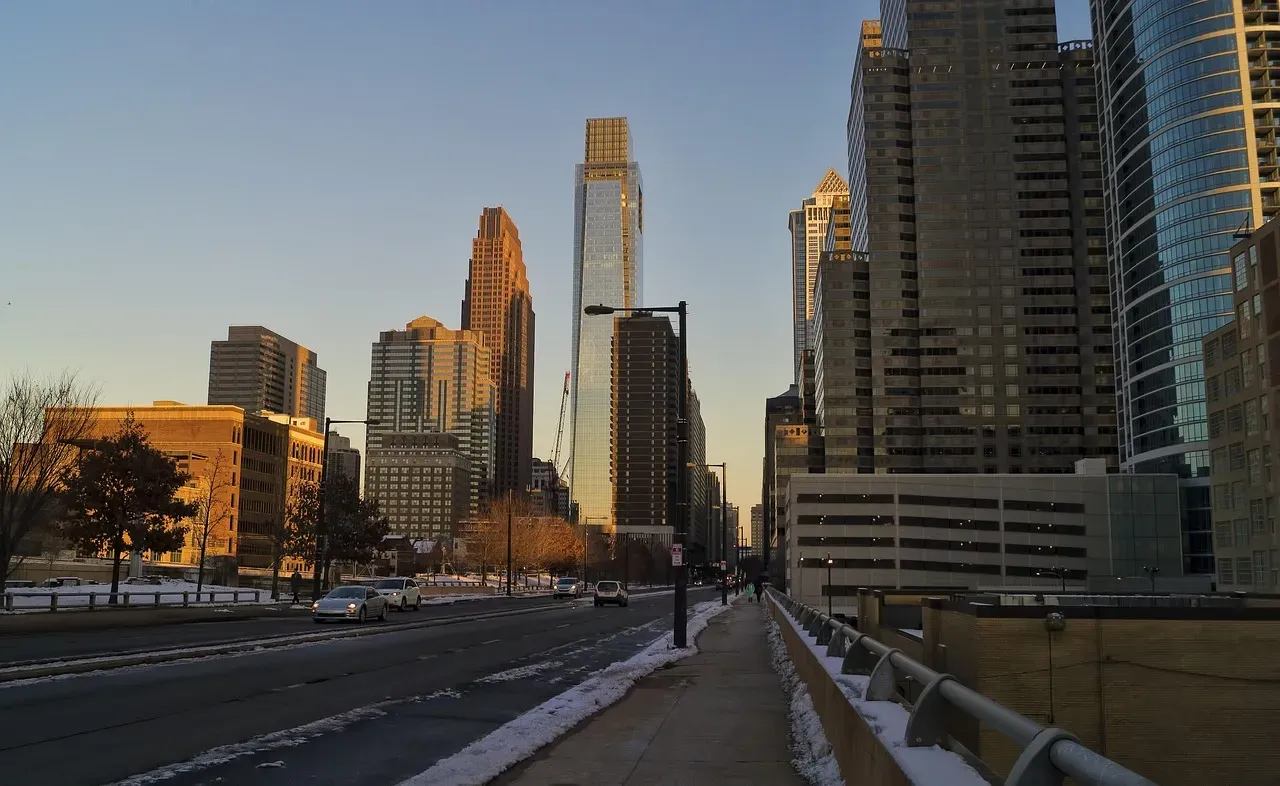
Johnstown tops the list with median home values around $46,678, the lowest in recent U.S. News rankings.[1] At that price, a full-time minimum wage earner pulling $15,080 yearly federally could swing payments under $300 monthly with a solid FHA loan. Here’s the thing: local data shows just $27,139 needed annually to afford typical housing costs.[2]
Population hovers near 18,000, down from steel mill glory days. Rents dip to $444 median, easing the renter-to-owner jump. Still, median household income sits at a dismal $33,906, signaling sparse jobs beyond service gigs.[1]
I know it sounds crazy, but fixer-uppers abound for under 50 grand. Flood history adds risk, though. Perfect if you’re handy and unfazed by rust-belt vibes.
Decatur, Illinois
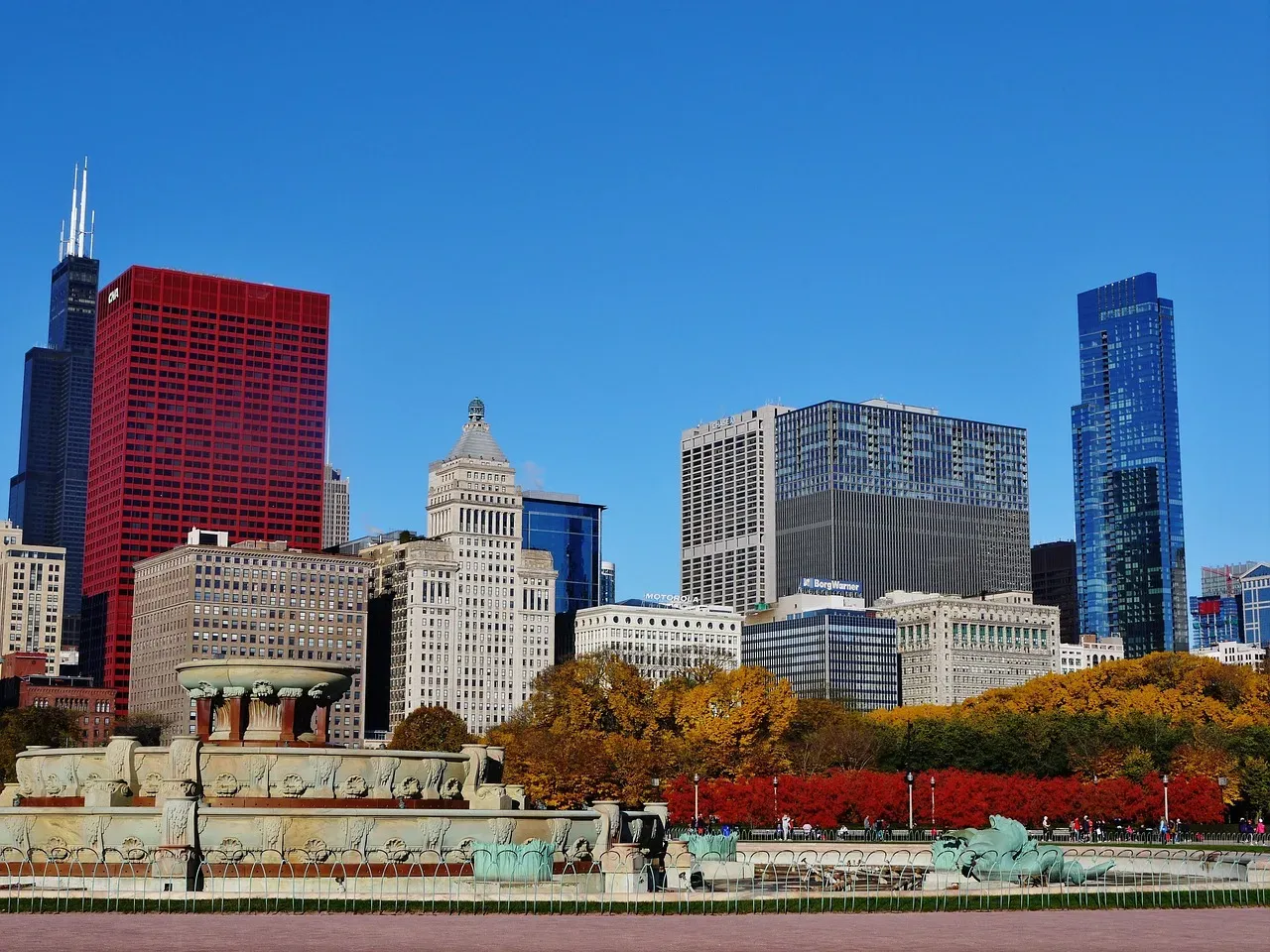
Decatur snags the number one affordable spot for 2025-2026, boasting $89,855 median homes.[1] Illinois’ $15 hourly minimum translates to $31,200 yearly, close enough to the $41,899 required for local listings per recent analysis.[3] Monthly mortgage might hit $500, leaving room if you skip lattes.
With 66,000 residents and rents at $570, it’s commuter-friendly near highways. Food processing jobs from giants like ADM offer stability, though incomes lag national averages by $30k.[1]
Honestly, the low cost of living – 90% of U.S. average – makes it tempting.[4] Catch? Factories mean blue-collar grind, not tech boom. Great for basics, meh for upward mobility.
Bay City, Michigan
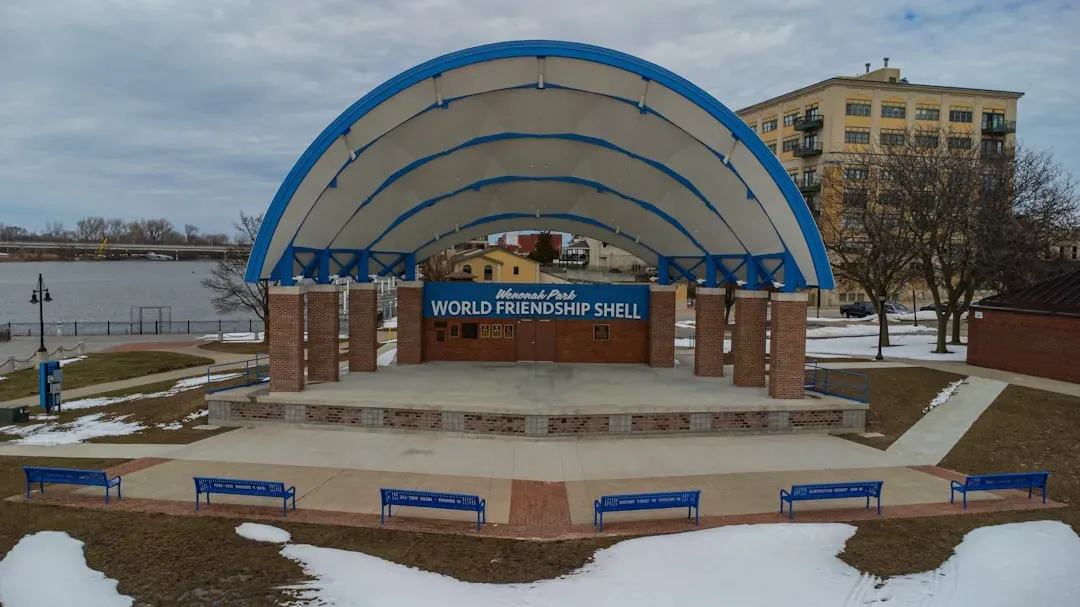
Bay City clocks in with $90,930 median homes, third-cheapest value on the affordability list.[1] Michigan’s $10.33 min wage yields $21,466 annually, stretching thin against $36,311 needed – but cheap listings under $100k make it feasible with overtime.[5] Riverside parks sweeten the deal for under $600 monthly payments.
33,000 folks enjoy antiques and shipping ports, rents $636. Yet median income $47k hints at economic wobbles post-manufacturing.[1]
Let’s be real, winters bite hard here. Job market leans service and logistics, not dream careers. The catch hits home: affordability trades for stagnation.
The Big Catch Across All Three
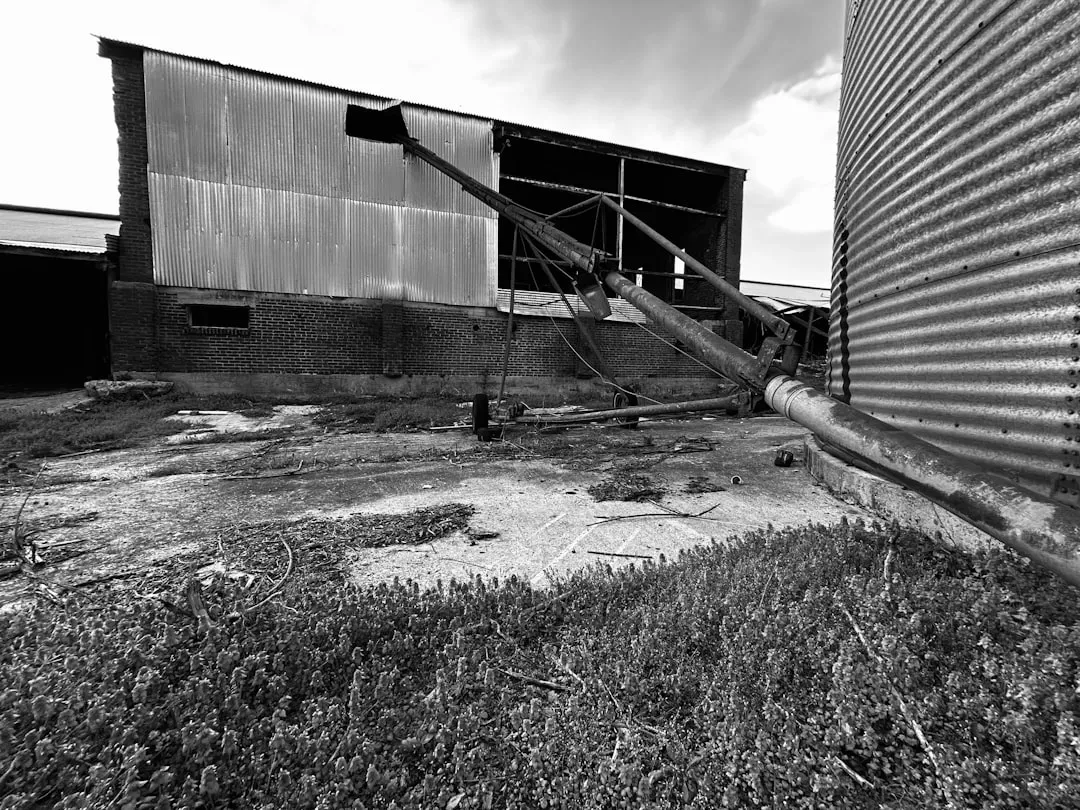
These spots shine on paper, but reality bites. Sky-low median incomes scream limited min-wage gigs – think retail, fast food amid factory ghosts.[1] Populations shrink, amenities fade, crime ticks up in Rust Belt shadows.
Qualifying for a loan? Lenders eye stability you might lack. Upkeep on old homes drains pockets fast. Worth it for roots, risky for growth.
What surprises you most here? These holdouts prove homeownership clings on, barely, if you’re tough enough.