
Picture this: vast farmlands turning to dust, booming suburbs grinding to a halt, all because the taps are running drier than ever. Water restrictions aren’t just about shorter showers anymore. They’re sneaking up on real estate markets in unexpected ways, hitting property values where it hurts most.
Three states stand out right now, where new rules on groundwater and river rights are reshaping dreams of homeownership and investment. Let’s be real, this isn’t hype. It’s backed by hard data from state agencies and research outfits, showing how scarcity is quietly eroding land worth billions. Ready to see which ones?
1. California: SGMA’s Farmland Fallout
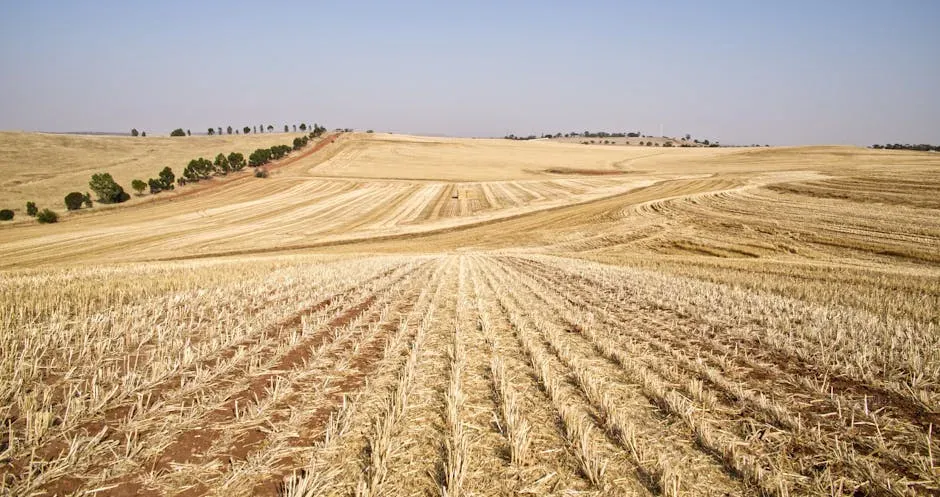
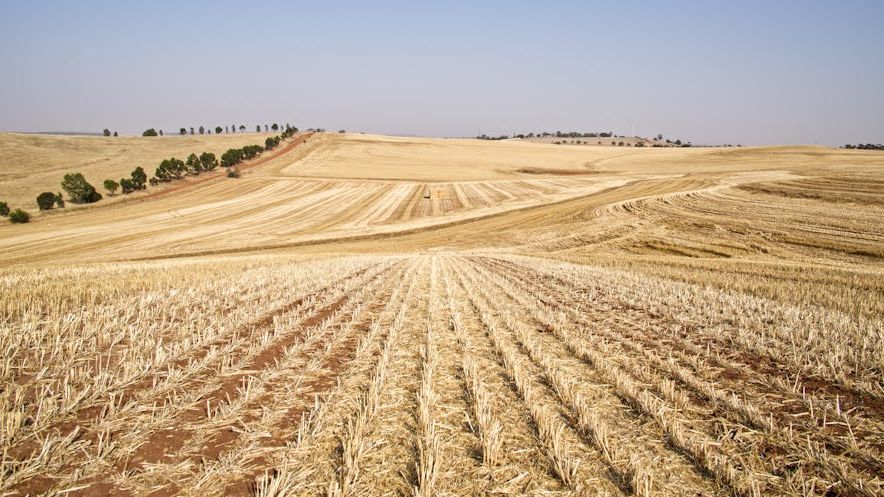
The Sustainable Groundwater Management Act, or SGMA, kicked in years back to curb overpumping in the Central Valley. Now, it’s forcing farmers to let up to 900,000 acres lie fallow by 2040, per the Public Policy Institute of California. Orchard values reliant solely on groundwater plunged 30 to 40 percent last year alone, according to analysis from the Mercury News covering land between Sacramento and Kern County.
San Joaquin Valley properties with overdrafted basins have tanked hardest, as noted in an Agri-Pulse report from August 2025. Lenders are circling distressed sales amid rising bankruptcies, thanks to the Valley Ag Voice highlighting 2024 declines across crop types. Rural spots report well failures slashing home values too. Honestly, it’s like watching a gold rush reverse into ghost towns.
2. Arizona: Phoenix’s Housing Halt
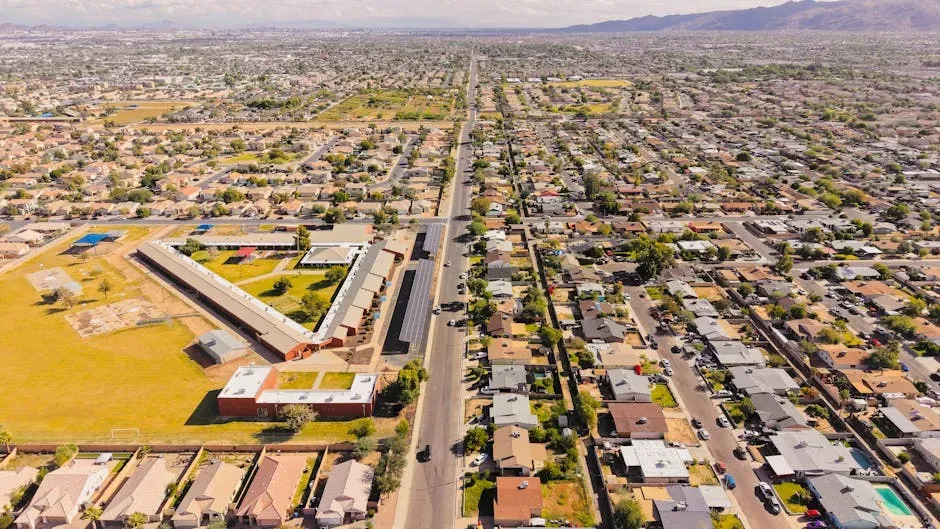
Back in 2023, Arizona’s Department of Water Resources slammed the brakes on new subdivisions in the Phoenix metro area. Officials ruled groundwater couldn’t sustain approved projects for the next century, stalling about 80,000 acres of planned development. This left nearly 500,000 homes in limbo, as HousingWire detailed in late 2025 after a brief construction pause.
Homebuilders shifted away from restricted zones, tightening supply and pressuring land prices downward. NPR covered how the state nixed approvals relying solely on groundwater that June. High-growth areas feel the pinch most, with analysts eyeing long-term real estate constraints. It’s a stark reminder that even sun-soaked booms have limits.
3. Colorado: River Compact Roadblocks
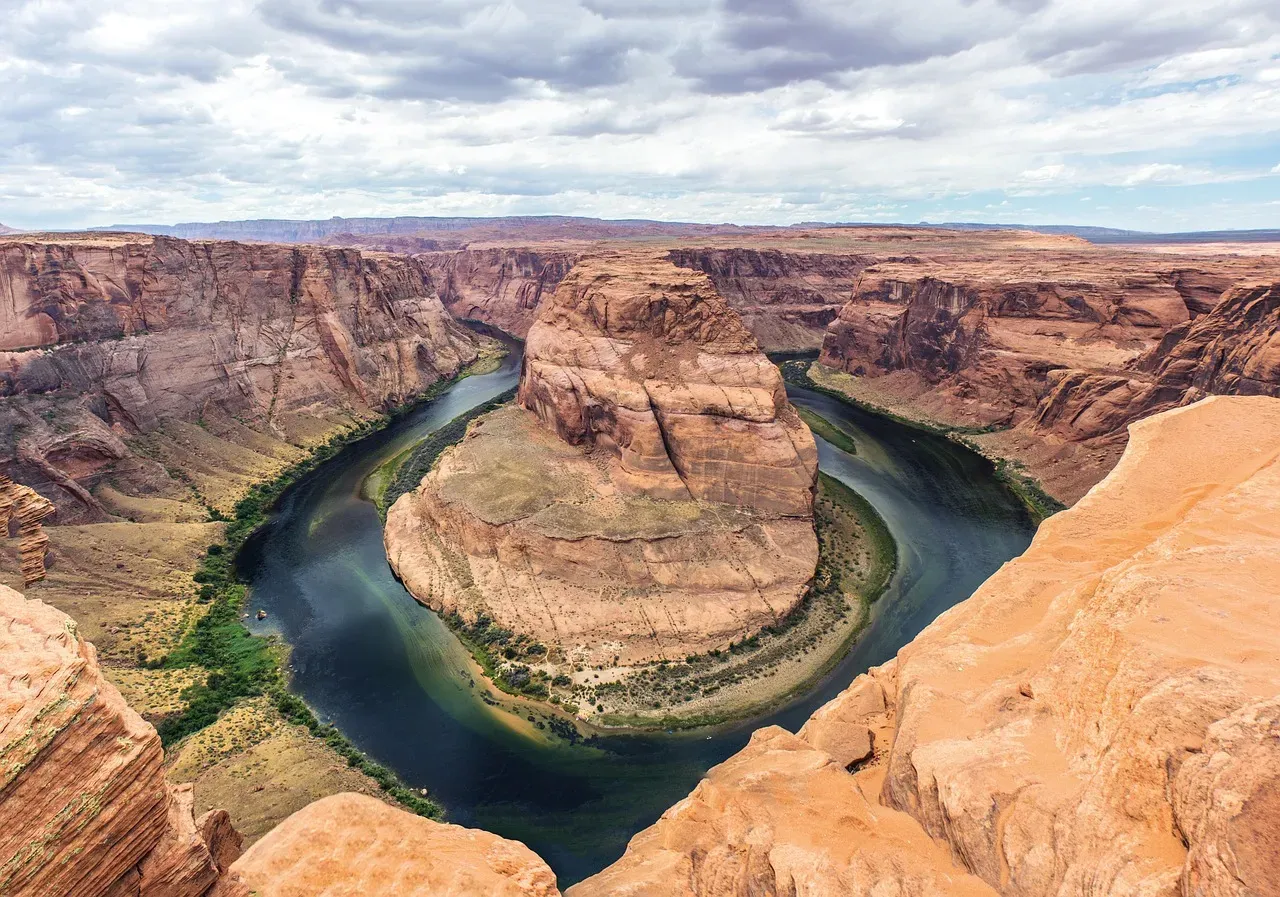
Colorado’s strict water rights under the Colorado River Compact curb new builds in drought-hit zones lacking reliable supply. State warnings point to demand outstripping availability by 560,000 acre-feet yearly by 2050 without big conservation pushes. Reservoirs tied to the system hit record lows recently, sparking emergency measures across the West.
Development stalls where water can’t back housing growth, as Urban Land Institute noted in early 2026 discussions on basin negotiations. Real estate pros see water as the new king in valuations for western land use. Front Range and rural spots alike grapple with these invisible barriers. Here’s the thing: scarcity doesn’t shout, but it sure reshapes maps.