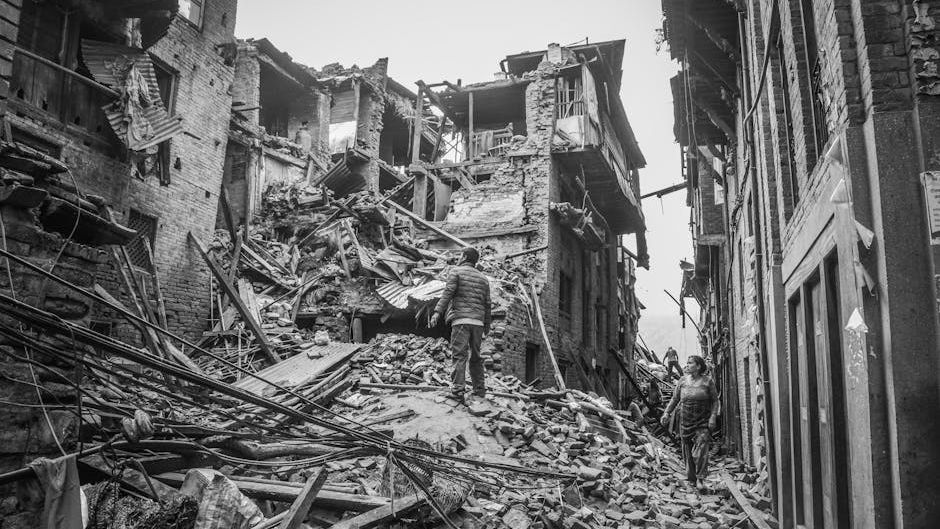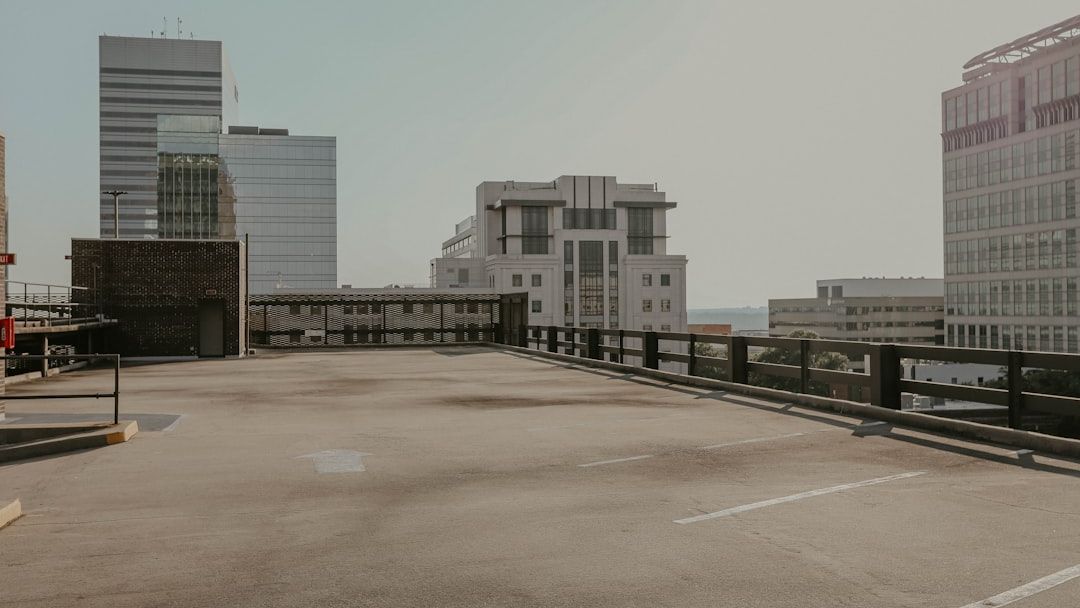

Picture this: bustling streets that once pulsed with energy now echo a bit too quietly. In these iconic American hubs, families and professionals are slipping away without much fanfare, chasing better lives elsewhere. What’s driving this under-the-radar exodus in 2026?
It’s not dramatic headlines grabbing attention. Instead, everyday frustrations are piling up, turning vibrant centers into places people tolerate rather than celebrate. Let’s uncover the three cities at the heart of it all and the forces pushing residents out.[1][2]
San Francisco: Tech’s Fading Dream

San Francisco keeps bleeding residents, dropping around 3,300 people between early 2024 and 2025 alone.[3] The Bay Area as a whole shed over 109,000 folks from 2020 to 2025, marking the first real halt in growth this century.[4] Sky-high rents and visible homelessness make daily life feel like a grind.
Even with some tech rebound, domestic out-migration stays brutal. Families eye cheaper suburbs or states like Texas for breathing room. Honestly, it’s tough watching a city synonymous with innovation hollow out like this.[5]
New York City: The Big Apple’s Quiet Drain
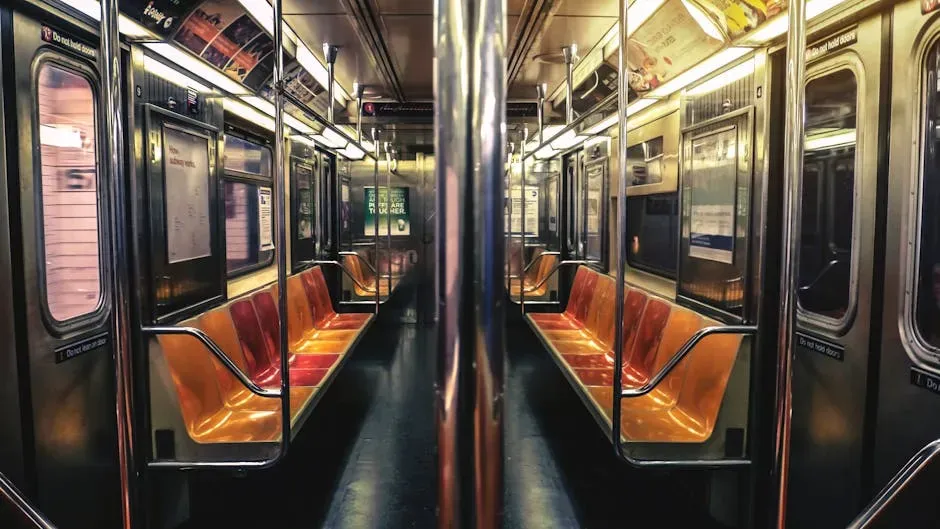
New York led with a staggering 262,000-person drop over five years ending recently.[2] Though immigration propped up numbers in 2024, net domestic losses hit hard, with the state shedding 137,000 to other places in 2024-2025.[6] Commuters and young pros are fed up with endless costs.
Subways feel emptier, offices half-full. People whisper about Florida or the Carolinas offering sun without the squeeze. This slow bleed challenges the city’s unbreakable allure.[1]
Chicago: Windy City’s Steady Shrink
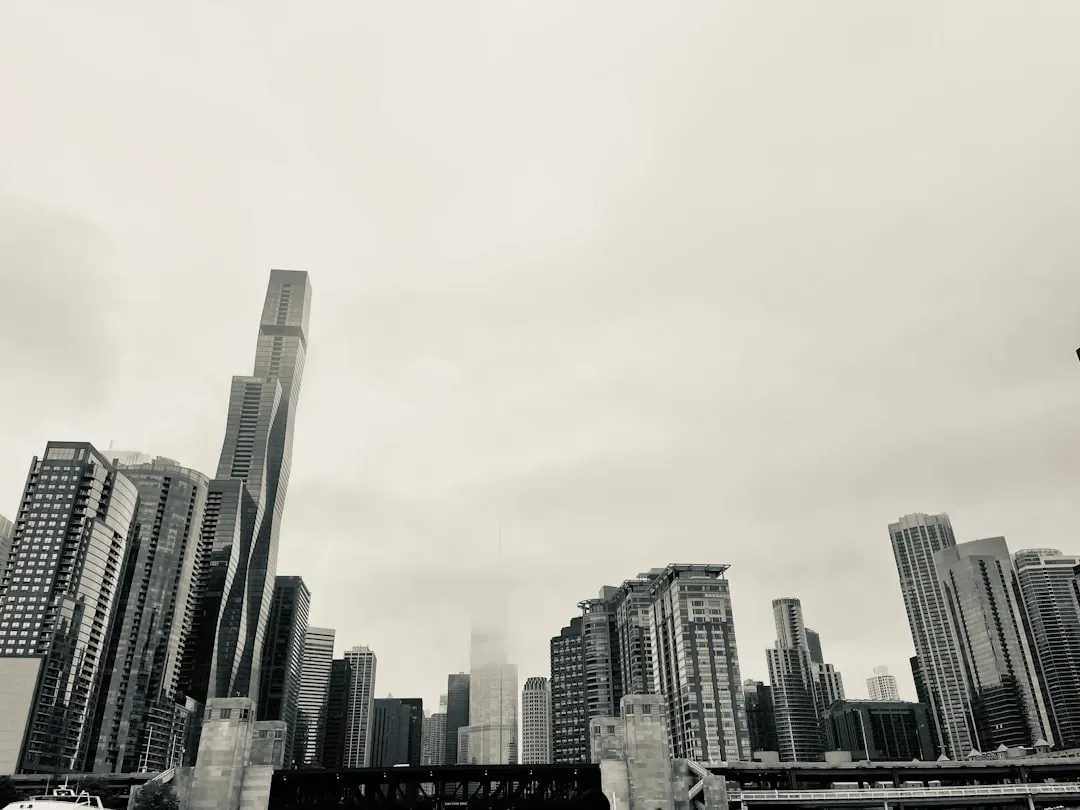
Chicago’s population dipped to about 2.72 million, continuing decades of decline.[7] Illinois lost 40,000 residents domestically in 2024-2025, keeping the state barely flat overall.[6] Harsh winters and urban woes push families southward.
The loop buzzes less as remote work lets folks bolt. Crime stats and taxes weigh heavy too. It’s like the heartland hub is fading into a shadow of its roaring past.[3]
Housing Costs Out of Control

Median home prices in these spots tower over national averages, pricing out middle-class buyers. San Francisco rents average triple the U.S. norm, forcing relocations. No wonder vans head east packed with belongings.
Here’s the thing: affordability isn’t just numbers, it’s dreams deferred. Young couples skip starter homes here, opting for Austin or Nashville instead. This crunch hits hardest in the “silent” phase, before vacancy signs multiply.[1]
Crime and Safety Concerns Rising

Perceptions of unsafe streets linger, even as stats fluctuate. Chicago’s challenges amplify the unease, with residents citing nightly worries. New York and SF face similar gripes, from smash-and-grabs to overt disorder.
Families prioritize peace over proximity to jobs. Parents mull school safety, quietly listing homes. It’s eroding the live-work-play vibe these hubs promised.[2]
Tax Burdens Weighing Heavy

High state and city taxes devour paychecks in California, New York, Illinois. Combined rates top 50% for many earners, sparking calculator-fueled exits. Red states beckon with lighter loads.
I know it sounds basic, but dollars talk. Professionals crunch numbers and vote with feet. This fiscal squeeze fuels the quiet outflow year after year.[6]
Remote Work’s Big Shift

Post-pandemic flexibility lets techies and finance whizzes ditch commutes entirely. Why pay SF premiums when you Zoom from Boise? Corporate policies stick, accelerating the trend.
Offices sit underused, a stark symbol. This freedom unmasks how tethered these cities once felt. It’s reshaping skylines without a single demolition crew.[1]
Quality of Life Erosion
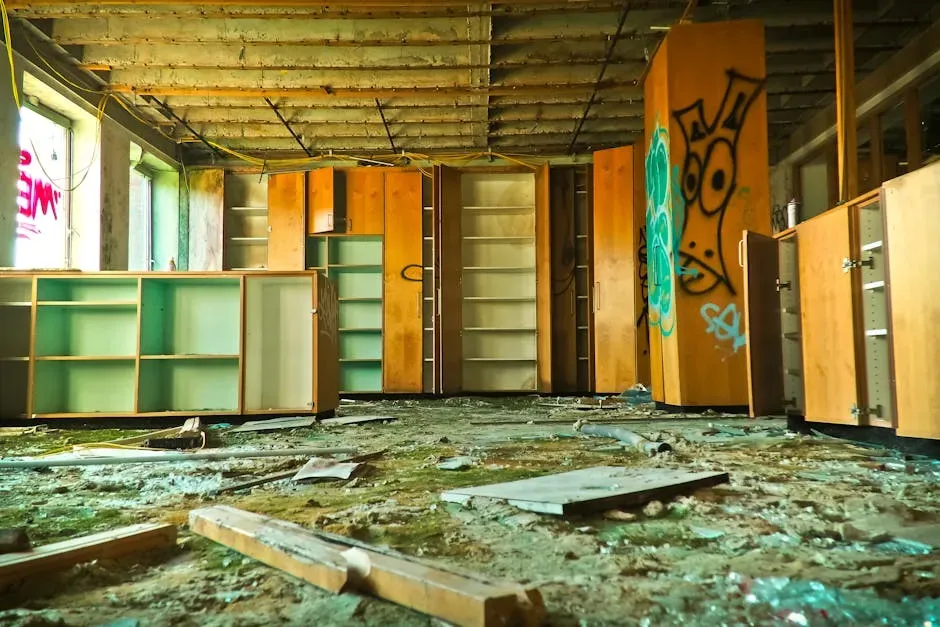
Homeless encampments, filthy sidewalks, endless traffic sap joy. San Francisco’s Tenderloin tells tales daily. Residents crave normalcy over novelty.
Let’s be real: glamour fades when basics falter. Parks overrun, transit unreliable, vibes off. People leave for lawns and sanity.[3]
Economic Pressures Mounting
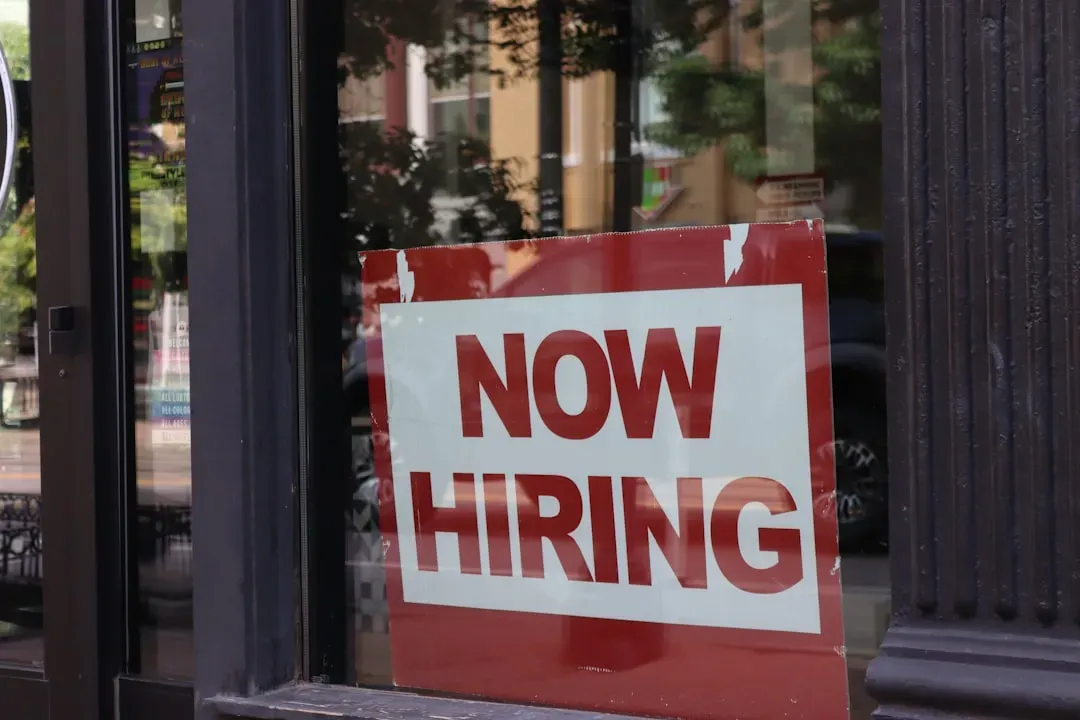
Layoffs in tech and finance ripple wide. Chicago manufacturing echoes quieter. Uncertainty prompts preemptive moves.
Job markets cool, opportunities bloom elsewhere. Ambitious sorts scout sunnier prospects. Stability trumps speculation now.[2]
What Happens Next?
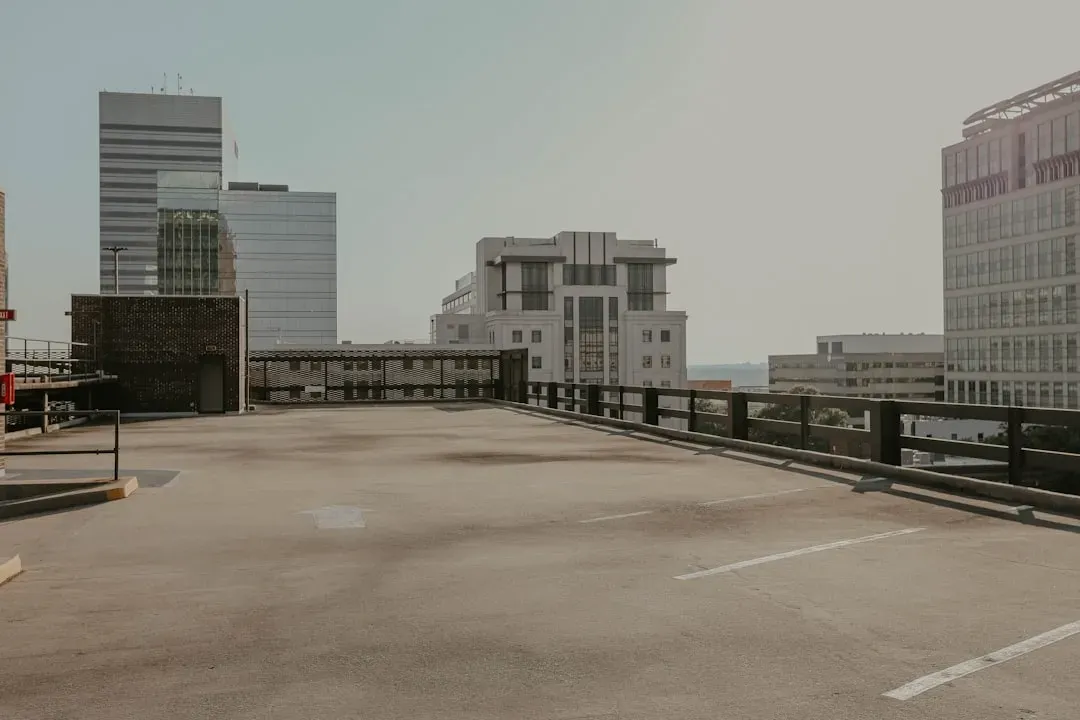
These cities risk spirals: fewer taxpayers strain services, accelerating exits. Immigration may offset totals, but domestic vitality dips. Hubs could become shells of former selves.
Revivals demand bold fixes on costs and safety. Or watch the quiet crisis deepen. Which path will they choose?[6] What do you think is next for these spots?