
Picture this: after years of cozy home offices and flexible schedules, some U.S. states slammed the door on remote work for their public employees. It’s a dramatic U-turn, sparked by post-pandemic vibes and a push from Washington. Honestly, it feels like the office is making a fierce comeback, leaving many scratching their heads.[1][2]
These changes hit state workers hardest, but they ripple out to private sectors too. Let’s be real, if governments lead the charge back to desks, companies might follow. Curious which states drew the line first? Buckle up as we unpack the top three.[1]
Texas: The Lone Star State’s Bold Crackdown
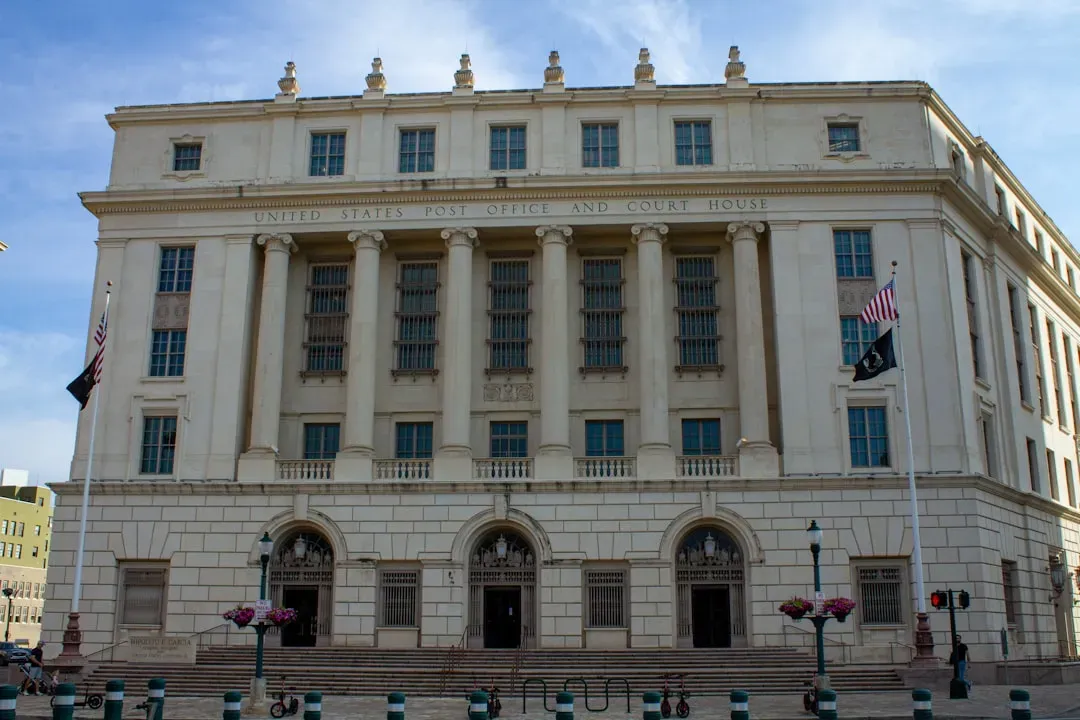
Governor Greg Abbott wasted no time in 2025, directing state agencies to ditch telework entirely. Employees at places like the Texas Workforce Commission had to return full-time by March 31, or face the boot. This followed President Trump’s federal mandate, aiming to boost collaboration and accountability.[1][3]
Prior to this, remote setups saved nearly a million bucks yearly in office costs for one agency alone. Now, unions warn of turnover spikes and cramped spaces post-downsizing. It’s a gamble – will productivity soar, or will talent flee? Texas set the tone for red states everywhere.[3]
Ohio: Full-Time Office or Nothing

In February 2025, Governor Mike DeWine dropped an executive order requiring state workers back in offices starting March 17. No more hybrid dreams – just full-time face time. This aligns with a broader wave of states ditching COVID-era flexibility.[1][2]
Supporters argue it reignites innovation through in-person sparks. Critics point to potential recruitment woes in a remote-friendly job market. Ohio’s move underscores how governors are reclaiming the workplace, one desk at a time. I think it’s bold, but risky in talent wars.
Oklahoma: Swift End to Remote Perks

Governor Kevin Stitt signed off in late 2024, mandating state agency staff return full-time by February 1, 2025. The policy echoes national trends, prioritizing physical presence over Zoom calls. Oklahoma joined the chorus, signaling remote work’s public sector sunset.[1][2]
Like neighbors, the state bets on better oversight and team vibes. Yet, with 70% of businesses eyeing RTO anyway, this could normalize office life statewide. Here’s the kicker: what happens when private firms catch the bug? Remote dreams might fade fast in Sooner land.[1]