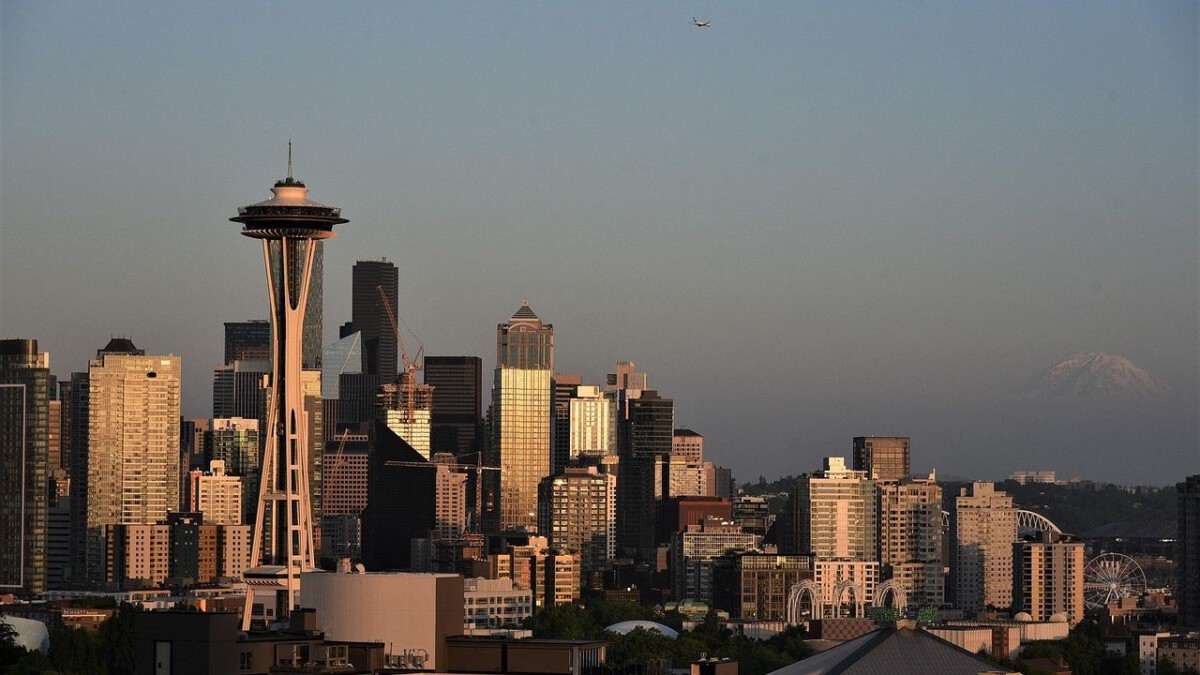

5. Washington: The Seattle Freeze and Pacific Northwest Politeness
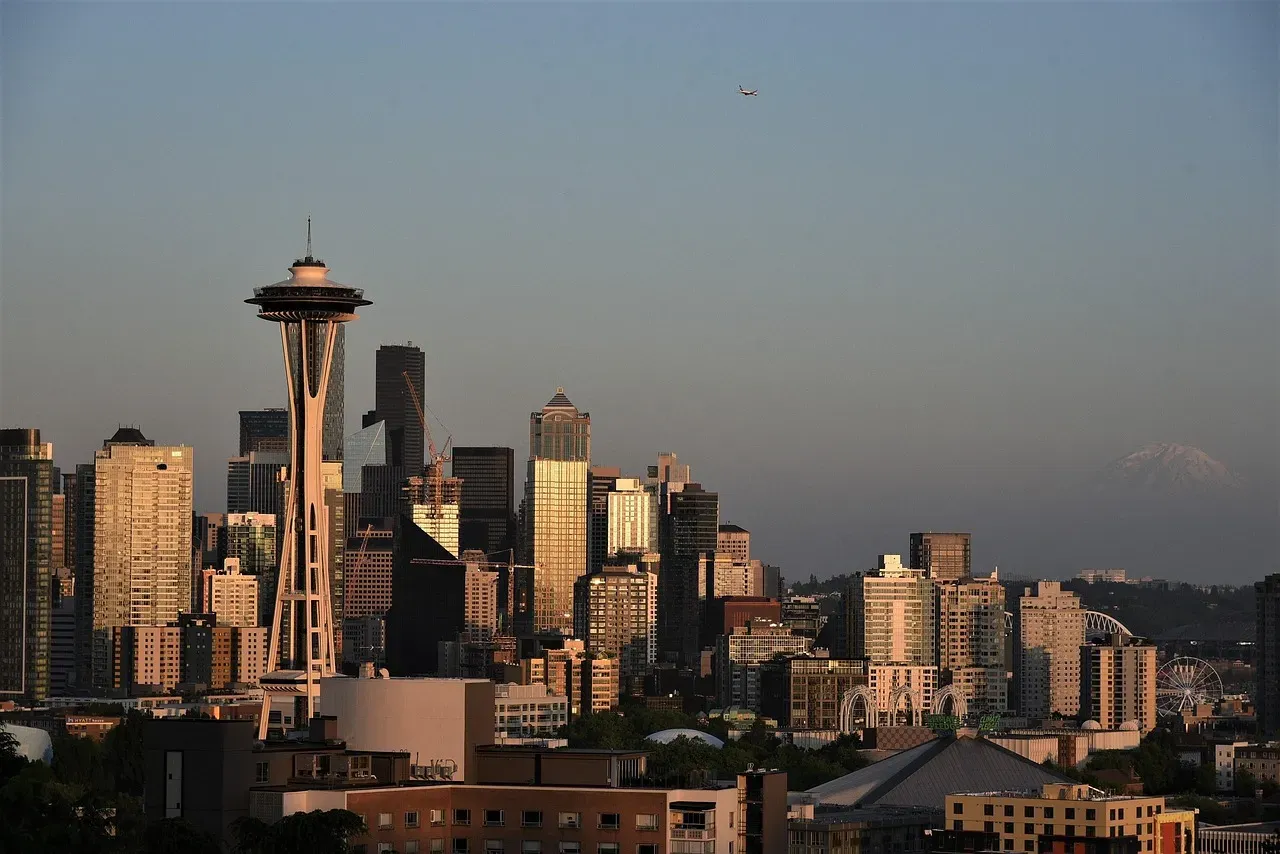
Washington State, particularly the Seattle area, has earned a reputation for what locals call the “Seattle Freeze” or “Northwest Nice,” a phenomenon that newcomers quickly recognize as thinly veiled passive aggression. Being passive is an openly acknowledged cultural trait in the Pacific Northwest, though residents rarely admit their own complicity in perpetuating it. The Seattle culture is an anomaly in the realm of human behavior, where unfriendly passive-aggressive behavior becomes normalized through years of living in what some describe as a regional bubble.
Warnings about how it’s hard to meet people and advice to be ready for passive-aggressiveness are common cautions given to those who head out to the Pacific Northwest. The behavior manifests in particularly distinctive ways. An awkward paralyzing politeness pervades the culture, often displayed at four-way intersections where drivers stare at each other waiting for someone to move, while making plans proves useless as people either don’t respond or don’t confirm they’ll show up. The Seattle culture begs a polite façade over truth, so that truth seeps out in other, less direct ways.
4. Connecticut: New England Reserve Meets Indirect Communication
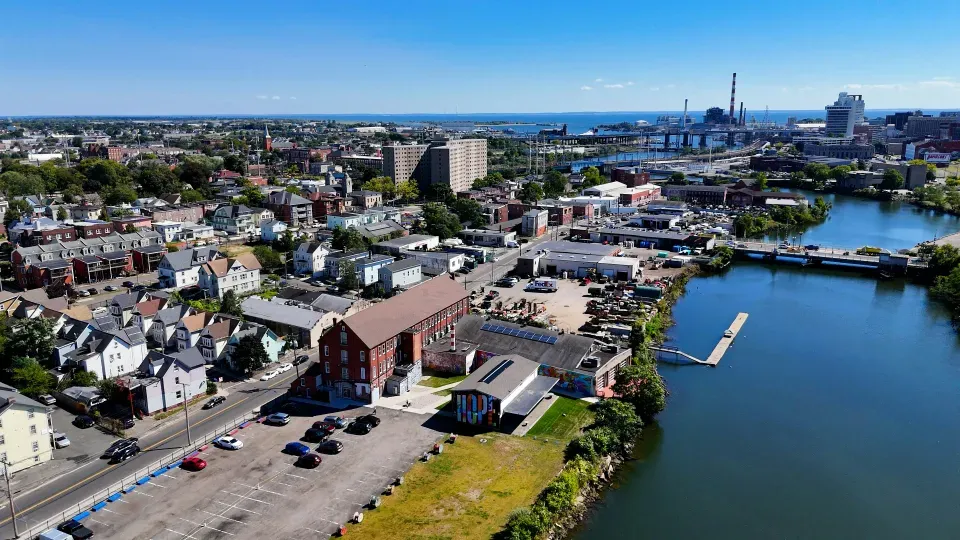
Connecticut embodies the quintessential New England communication style that prizes restraint over emotional expression. Although many people assume all Americans are naturally direct communicators, considerable variation exists in regional styles, with those from the Midwest and South tending toward indirectness, though in different ways than coastal areas. The state’s residents have perfected what might be called polite avoidance, where disagreement gets buried under layers of civility.
This communication pattern stems from deep cultural roots valuing propriety and social harmony above all else. Indirect communicators seek to avoid conflict, tension and uncomfortable situations, a trait that Connecticut residents have elevated to an art form. What outsiders might interpret as friendliness often masks a carefully maintained emotional distance designed to keep social interactions pleasant but superficial.
3. Massachusetts: Educated Restraint and Subtle Hostility

Massachusetts presents an interesting case where high education levels and cultural sophistication combine with deeply ingrained communication patterns that favor indirect expression. The Midwestern region is dominated by indirect communication, and newcomers aren’t informed about this, while indirect communicators from elsewhere are adept at picking up nuances even in unfamiliar cultures. Though Massachusetts sits in New England rather than the Midwest, similar patterns of communication avoidance appear in professional and social settings throughout the state.
Residents may be perceived as avoiding challenging topics or giving strong opinions to be seen as open and friendly, with some describing this pattern as passive-aggressive – speaking politely to someone’s face while voicing displeasure behind their back or through subtle, unkind actions. The state’s reputation for liberal values and progressive politics creates an additional layer where disagreement must be carefully coded. Direct confrontation feels almost unseemly in a culture that prides itself on intellectual discourse yet often fails to engage in truly honest dialogue.
2. Iowa: Midwest Nice Takes Root
Iowa exemplifies the broader Midwest communication culture where politeness functions as both social glue and barrier to authentic interaction. The Midwestern region is dominated by indirect communication, though no one informs newcomers that they’re entering territory where this style prevails. Iowans have internalized these norms so deeply that they often don’t recognize their own indirect communication patterns as anything other than normal courtesy.
In the Midwest, communications lean more formal and politely structured, creating workplace environments where meaning is conveyed not just by words but by nonverbal behaviors like pauses, silence, and tone of voice, with the overriding goal being maintaining harmony and saving face. This makes Iowa a challenging place for transplants from more direct communication cultures who struggle to decode what people actually mean versus what they say. Feedback gets softened to the point of uselessness, and conflicts simmer beneath surfaces of forced agreeableness.
1. Minnesota: The Undisputed Champion of Minnesota Nice

The phrase Minnesota Nice implies polite friendliness, an aversion to open confrontation, a tendency toward understatement, a disinclination to make a direct fuss or stand out, apparent emotional restraint, and self-deprecation, and is sometimes associated with passive-aggression. Honestly, if there were a competition for passive-aggressive communication styles, Minnesota would win without even trying. Passive aggressiveness gives Minnesota Nice a double meaning, with the shadow side called Minnesota Ice.
Minnesota Nice is thinly-veiled passive-aggressiveness and an aversion to open conflict, with some claiming Minnesotans are the most passive-aggressive people in the entire United States. Midwest Nice is described as passive-aggressive – speaking politely to someone’s face while voicing displeasure behind their back or through subtle, unkind actions. This behavior shows up everywhere from workplace interactions to social gatherings, where Minnesotans will smile pleasantly while harboring unexpressed resentments. It’s thought that Minnesota Nice originated with first settlers who migrated from Scandinavian countries and Germany, where people tend to be socially guarded and slow to warm to others but develop deep, lasting friendships once they open up.