
National parks are supposed to be sanctuaries. Places where nature breathes freely, wildlife roams undisturbed, and visitors arrive in quiet wonder. Honestly, that’s the dream. The reality in 2026 looks quite different, and it’s getting harder to ignore.
From tiger reserves in India to volcanic craters in Hawaii, a troubling pattern has emerged: tourists are crossing lines, literally and figuratively, and authorities are fighting back. Bans, fines, permit cancellations, and access restrictions are now very real consequences for disruptive behavior at some of the world’s most iconic parks. The question is, which parks are taking the harshest stance, and why? Let’s dive in.
1. Jim Corbett National Park, India: No Phone, No Safari
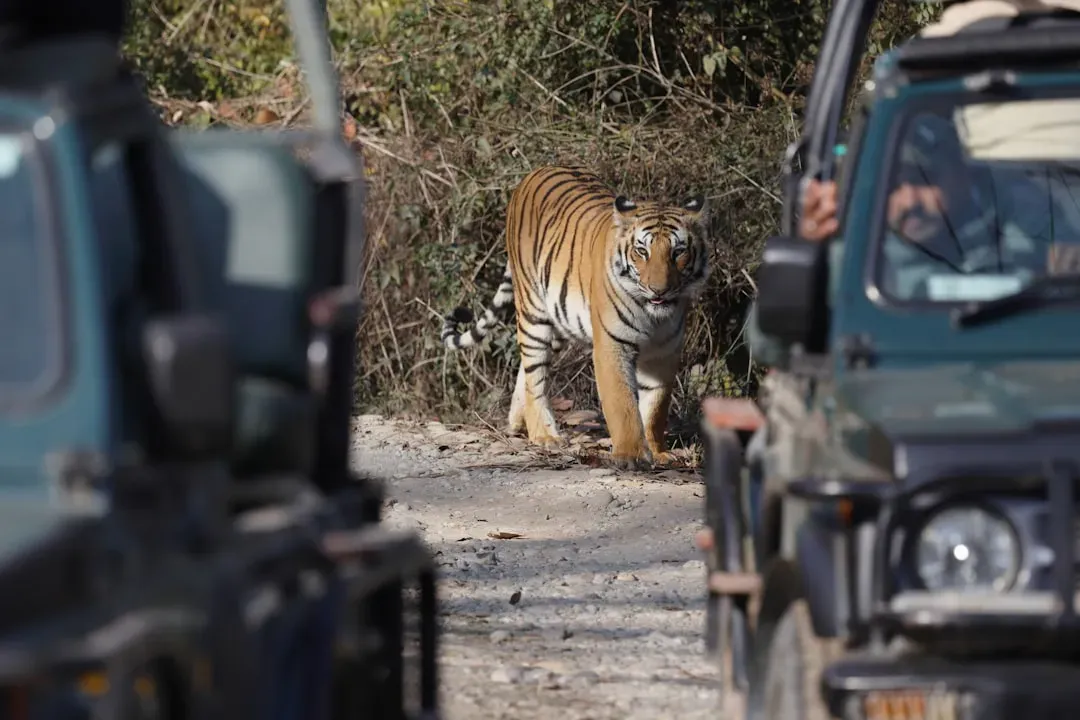
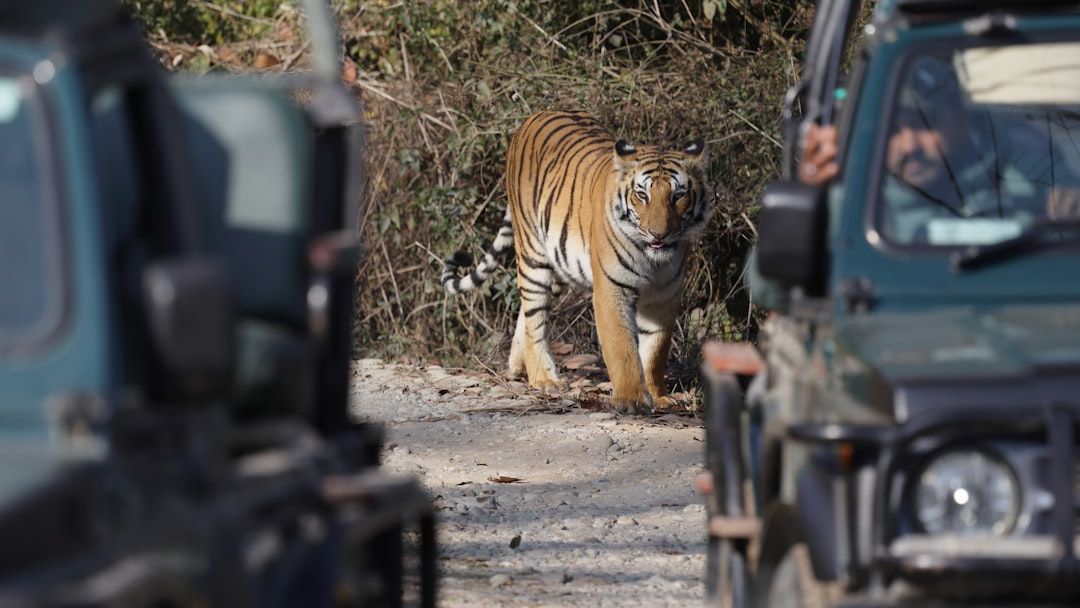
Here’s something that sounds almost radical in 2026 – one of India’s most famous tiger reserves has banned mobile phones entirely. The Corbett Tiger Reserve administration enforced a complete ban on the use of mobile phones during jungle safaris across all tourism zones, in compliance with recent directions of the Supreme Court of India, aimed at minimizing human interference and preserving the natural environment. That’s not a suggestion. That’s a hard rule, enforced on the spot.
Mobile networks had been used to share live locations of animals, leading to large numbers of safari vehicles converging at a single spot. The growing trend of making reels and taking selfies had further heightened risk to both visitors and animals. Think about what that means in practice. A tiger appears, someone broadcasts its location, and suddenly a dozen vehicles descend. That’s not wildlife watching – that’s a traffic jam with a predator in the middle.
Under the new regulations, smartphones are not permitted to be used in any manner during safaris within the tiger reserve. The administration made it mandatory for all tourists to deposit their mobile phones at the entry gates before entering the forest area. Any violation of this rule will invite strict legal action, authorities have warned. Still, tourists are permitted to carry professional cameras like DSLRs, so the dedicated wildlife photographer isn’t entirely out of luck.
2. Ranthambore National Park, India: Supreme Court Steps In
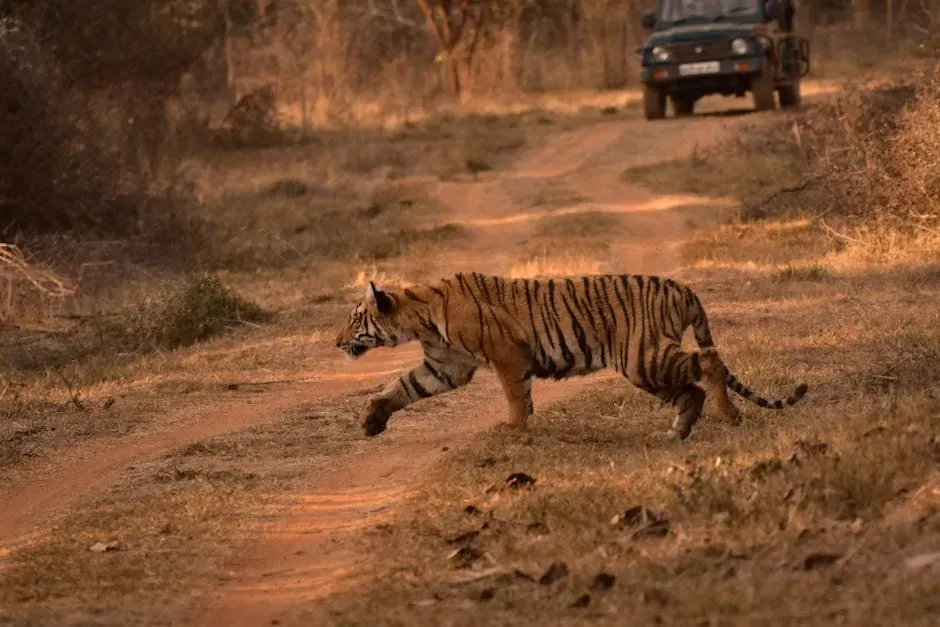
Tourists visiting Ranthambore National Park are no longer allowed to use mobile phones during safari tours. The Forest Department imposed a complete ban on mobile phone usage inside the park in compliance with the guidelines issued by the Supreme Court. This isn’t a local ranger making a judgment call – it goes all the way up to India’s highest court, which tells you just how serious the problem had gotten.
In recent years, safari experiences had increasingly turned into opportunities for filming reels, taking selfies, and capturing viral videos. Authorities observed that this shift in tourist behavior was interfering with wildlife movement and compromising the true spirit of a jungle safari. It’s a bit like turning a meditation retreat into a music festival. The original purpose gets completely lost.
In many instances, safari jeeps had clustered around animals so tourists could capture better footage. This created stress for wildlife and hazards for visitors. Tigers and other animals were often forced to change their routes or retreat into dense forest areas due to human interference. Violations may attract penalties or cancellation of safari permissions, which is a very real deterrent for anyone who spent good money booking a safari trip.
3. Pictured Rocks National Lakeshore, USA: Carving Your Name Into History Is Criminal
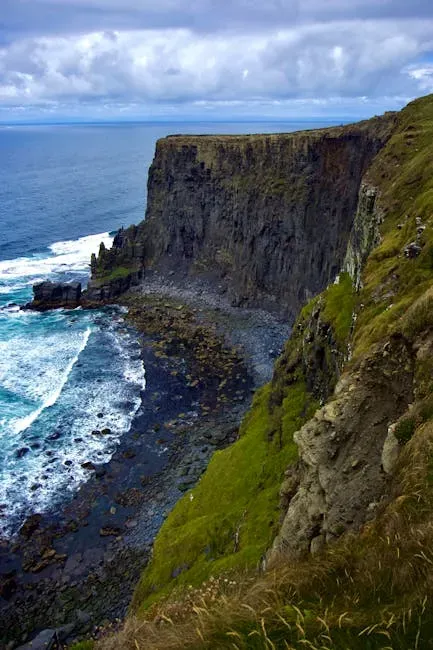
Some tourists apparently thought the sandstone cliffs of Pictured Rocks National Lakeshore in Michigan were a great place to leave their mark. Permanently. Four visitors to Pictured Rocks National Lakeshore were fined and banned from the park for one year after they were caught vandalizing the site and attempting to remove over 100 pounds of rocks. The incident happened on July 25, 2025, when U.S. park rangers came upon several vessels along the cliffs and spotted people carving large letters into the cliff faces.
In December 2025, a federal judge ordered each of the four defendants to pay a $500 fine and banned them from the national park for one year. In addition, one of the four defendants was given a $250 fine for taking the rocks. That comes to fines ranging between $500 and $750 per person – not counting the legal appearance and, of course, the permanent ban. It’s worth noting that the judge had the power to hand down up to six months in jail, so in some ways they got off lightly.
The U.S. Attorney’s Office for the Western District of Michigan announced the penalties following an investigation into the defacement of park resources. The case sent a very public message. You can enjoy Pictured Rocks. You cannot take pieces of it home with you, or carve your initials into it like it’s a school desk.
4. Hawaii Volcanoes National Park, USA: Rules That Could Save Your Life
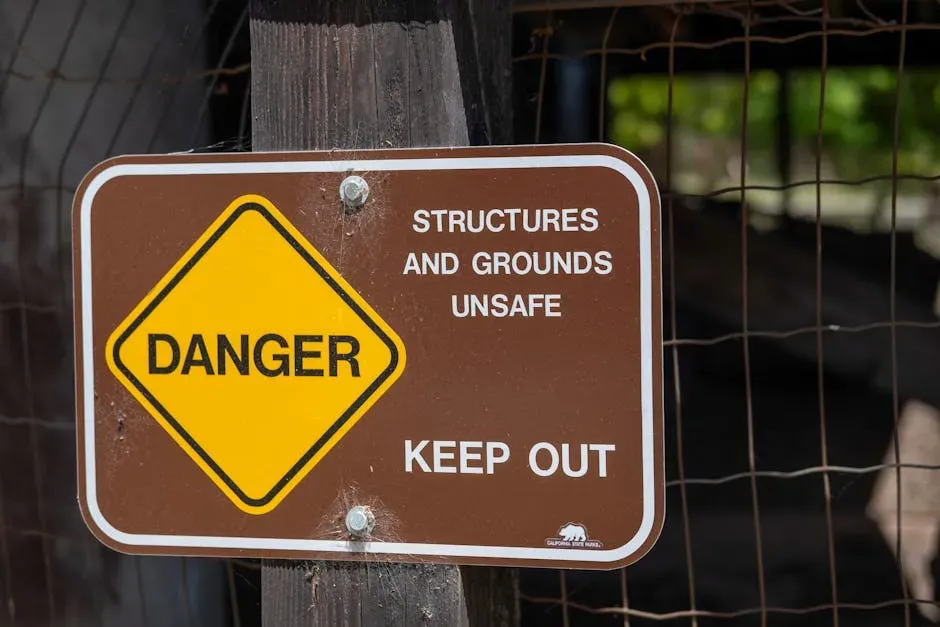
Let’s be real – ignoring a sign that says “closed area” in a national park is usually embarrassing. Ignoring it at an active volcanic site is potentially fatal. A tourist died after entering a closed, hazardous area of Hawaii Volcanoes National Park, in what some say is the latest example of park visitors ignoring warning signs and wandering into off-limits areas. This happened in early 2026 and sent shockwaves through the travel community.
The man, identified as a 33-year-old Hawaii resident, had entered an area on the east side of Kīlauea caldera. The caldera has hazardous terrain, which includes unstable cliff edges and volcanic features. The volcano did not erupt at the time, but an alert warning of Kīlauea’s episodic volcanic activity had been in effect since 2024. He didn’t enter an eruption zone. He entered terrain that was dangerous on its own terms, which is a distinction many visitors fail to make.
Months before this incident, two trespassers were caught photobombing a livestream recording an active volcanic eruption. An eruption-tracking media company documented at least nine separate trespassing incidents over the past year alone, noting that the risky behavior is frequently done “for the clicks” as content creators chase engagement and viral visibility. The National Park Service recorded more than 323 million recreation visits in 2025, and the pressure on parks from sheer visitor volume is only growing.
5. Glacier National Park, USA: The Overcrowding Crisis Nobody Wants to Talk About
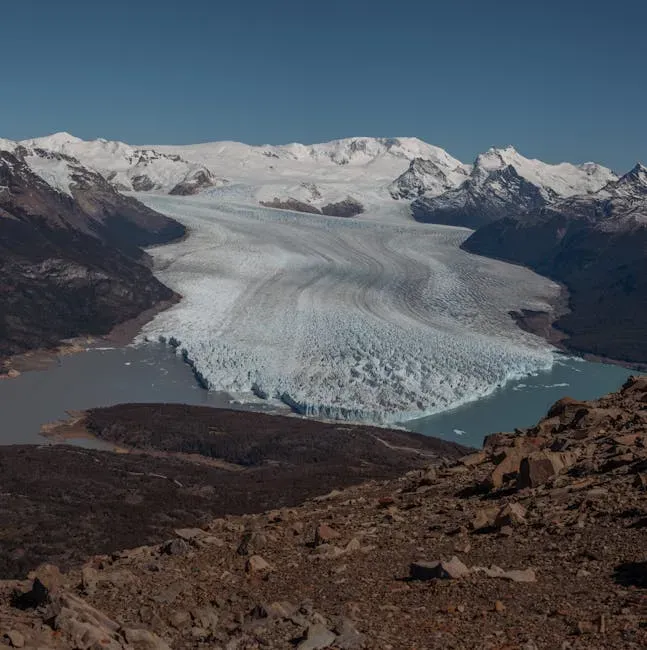
Glacier National Park, known as the “Crown of the Continent,” landed on Fodor’s No List for 2026, and the park was seeing its highest year-to-date visitor numbers in 2025. That’s both an achievement and a warning sign. More visitors means more pressure, more damage, and more disruptive behavior in one of America’s most treasured landscapes.
Although visitors are bringing in more revenue, they are disrupting the park’s environment in increasingly concerning ways. Greater motor vehicle congestion and trash accumulation are damaging the park’s air quality with raised carbon dioxide levels. Wildlife is also being disturbed, and the increase in wildfires is related to higher temperatures, which are also melting glaciers faster. Fewer than 30 glaciers now remain from an original 150, according to reporting by Islands.com – a staggering loss that ironically draws even more tourists in a race to see what’s left.
For the first time in five years, vehicle reservations are not required anywhere in Glacier in 2026. Although tourism leaders generally support the new strategy, conservation groups describe aspects of the plan as short-sighted. The NPS said Glacier will continue targeted congestion management in high-demand corridors, including active management of Going-to-the-Sun Road, parking limits at Logan Pass, and temporary vehicle diversions if safety thresholds are reached. The balancing act between access and protection continues, and many experts feel the scales are tipping the wrong way.
The Bigger Picture: A Global Shift in How Parks Are Managed
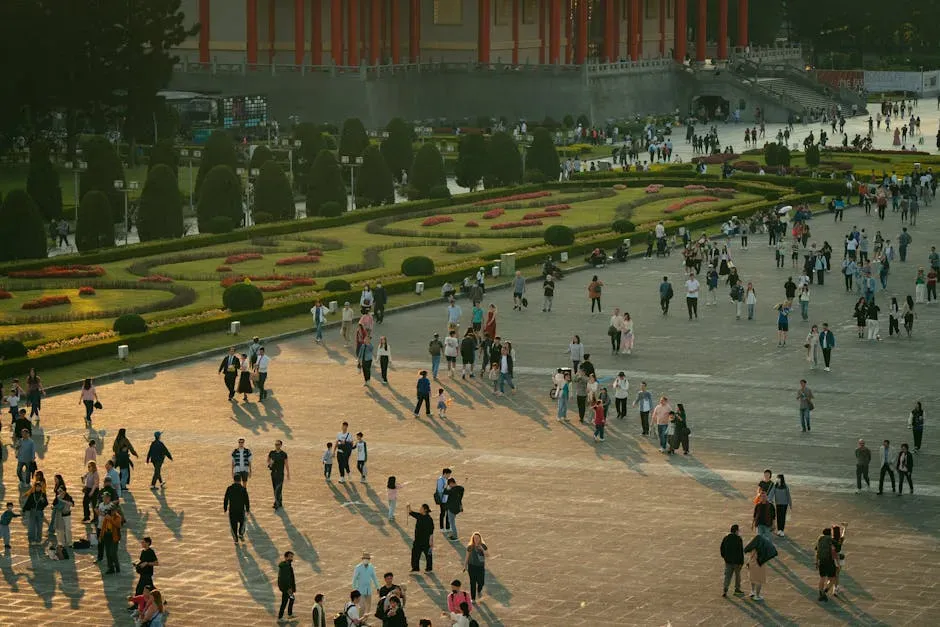
What connects a tiger reserve in Rajasthan, a sandstone lakeshore in Michigan, and a volcanic crater in Hawaii? The same basic story. Too many people. Not enough respect. Researchers and park experts increasingly point to a risk-perception gap. Georgia Southern University professor Dylan Spencer noted that some visitors treat national parks like city parks or zoos, even though they are dynamic environments with real natural hazards. That helps explain why warnings get ignored.
In recent years, many national parks have seen record visitation, with at least some of it due to other venues being forced to shutter during the COVID pandemic. While that has proven beneficial to the parks and surrounding communities, it has also led to less-desirable conditions for some visitors – namely, traffic congestion, a lack of parking, heavily trodden paths, and long lines throughout the parks. The post-pandemic outdoor boom hasn’t settled down. If anything, it has intensified.
Wildlife experts have long warned that disruptive tourism doesn’t just inconvenience animals. It changes their behavior, increases their stress, and in extreme cases can make animals dangerous enough to be euthanized after too much human contact. The stakes are higher than a fine or a one-year ban. The stakes are the ecosystems themselves.
Conclusion: Respect Is the New Admission Fee

You don’t need a cell phone to spot a tiger. You don’t need to carve your initials into ancient rock to prove you were somewhere. These parks are extraordinary precisely because they have survived human curiosity, and increasingly, human carelessness. In 2026, authorities around the world are sending a clear and unified message: access is a privilege, not a right, and it can be taken away.
The parks featured here are not anti-tourist. They are pro-survival – for wildlife, for ecosystems, and honestly, sometimes for the tourists themselves. The era of consequence-free misbehavior in the world’s wild places is quietly coming to an end.
Would you be willing to surrender your phone at the gate for a chance to see a tiger in its natural habitat? Or is that a step too far? Tell us what you think in the comments.