
Picture this: temperatures soaring past 100 degrees, everyone cranking up the air conditioning, and suddenly the grid buckles. As we head into another brutal summer in 2026, extreme heatwaves are pushing power systems to their limits across America. NERC’s 2025 Summer Reliability Assessment flags serious vulnerabilities in key regions, where demand spikes could outstrip supply.
These states stand out because of their combo of scorching weather, booming energy needs, and grid strains that have shown up time and again. Honestly, it’s a wake-up call. Let’s break down the top five most at risk.
Texas
The Lone Star State tops the list, no surprise there. ERCOT, which runs most of Texas’s grid, has repeatedly flirted with disaster during peak summer hours. In 2023 and 2024, demand rocketed past 85,000 megawatts, forcing conservation alerts as solar faded in the evening while heat lingered. NERC’s 2025 assessment still sees elevated risk for emergency conditions around 9 p.m., when batteries help but might not fully cover the gap.
Texas’s isolation from the national grid means it can’t easily borrow power from neighbors during widespread heat domes. Rapid growth in data centers and manufacturing piles on pressure, turning routine heatwaves into potential nightmares. Grid operators are adding storage, yet one prolonged scorcher could tip things over.
California
Golden State summers bring relentless heat and sky-high AC use, straining CAISO’s system hard. The state leans heavily on imported electricity, but when neighboring areas bake too, those lines clog up fast. NERC reports from recent years highlight grid strain during 2023 heat events, with record demand triggering emergency alerts.
Wildfires add another layer of chaos, knocking out lines and forcing blackouts to prevent worse fires. Even with batteries booming over 11,000 megawatts by 2025, extreme events could overwhelm. It’s a delicate balance, especially as electrification ramps up residential cooling needs.
Arizona
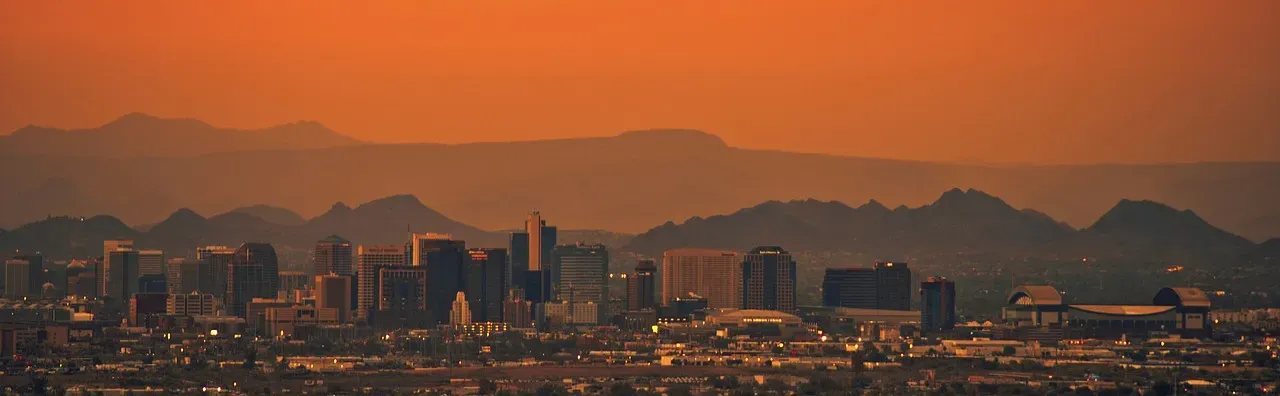
Phoenix turned into a furnace in 2023, logging over 30 straight days above 110 degrees Fahrenheit. That kind of marathon heat cranks air conditioning to extremes, slamming the WECC-Southwest region which includes all of Arizona. NERC notes vulnerabilities from gas plant derates in blistering temps and limited imports during regional peaks.
Aging infrastructure struggles with the surge, much like in past summers. Population growth in the desert means more homes pulling power when it’s scarcest. Operators watch solar ramps closely, but evening shortfalls loom large if winds die or outages hit.
Michigan
Don’t sleep on the Midwest; Michigan sits in MISO territory, flagged for elevated shortfall risks in NERC’s 2025 report. Humid heatwaves here spike demand unexpectedly, compounded by coal and gas retirements leaving gaps. The state topped outage lists in 2023, with weather events exposing weak spots.
Data centers nibbling at capacity add fuel to the fire, shifting peaks later as solar dips. Reliability studies point to August vulnerabilities when reserves thin out. It’s less about dry heat, more about sticky Midwest summers overwhelming the system.
Illinois
Another MISO heavyweight, Illinois faces the same Midwest crunch with elevated risks per NERC. Chicago’s urban heat islands amplify demand during prolonged hot spells, pushing the grid toward shortfalls. Retirements of over 1,500 megawatts of fossil plants shrink buffers just as loads climb.
Wind and solar variability plays tricks during peak hours, especially evenings. Energy resilience reports call out aging lines prone to fail under stress. With data center boom, one bad heatwave could force tough choices on rolling blackouts.