
Ever wondered why some folks breeze up mountains while others prefer a stroll through the park? Sure, fitness matters. Experience counts. Yet there’s something curious about the way different personalities gravitate toward different outdoor challenges. Maybe your friend who lives for adrenaline always picks the gnarliest peaks, while your thoughtful neighbor prefers quiet forest walks where they can actually think.
Here’s the thing. Picking the right trail difficulty can make or break your outdoor experience. Too easy and you’re bored out of your mind. Too tough and you’re miserable, possibly unsafe. The sweet spot? That depends on who you are and what you’re genuinely ready for. So whether you believe the stars influence your preferences or you just want solid guidance on trail ratings, let’s dive in.
Easy Trails: The Foundation for Every Journey
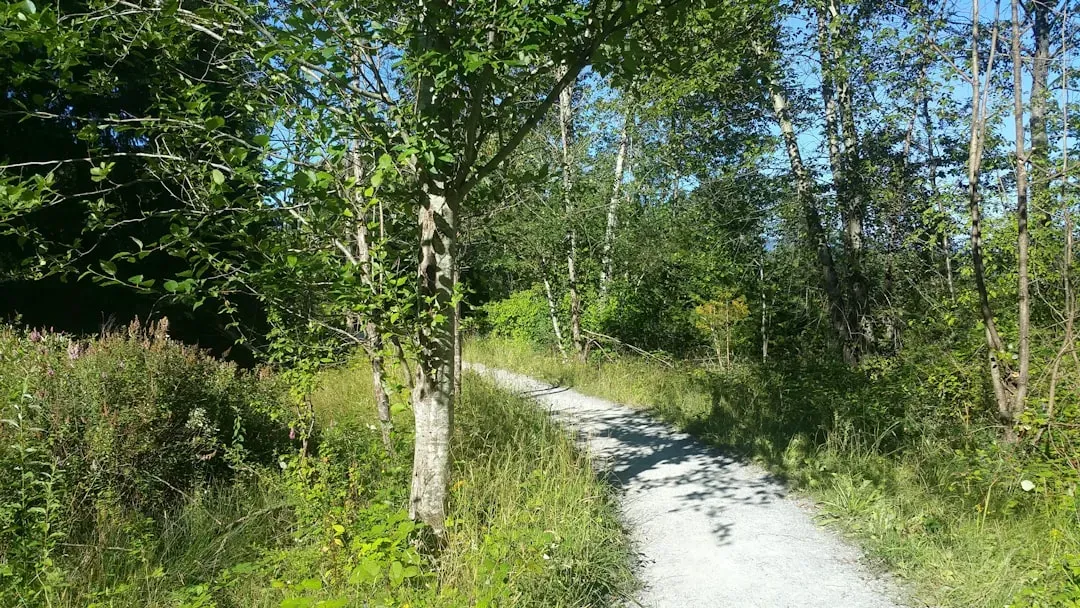
Easy trails are typically short, with clearly marked paths and fairly level terrain, making them accessible for nearly anyone who can walk comfortably. These hikes are generally suitable for anyone that enjoys walking, with gentle elevation gains and losses of 250 to 1,300 feet. Think of them as your introduction to the outdoors without the intimidation factor. If you’re just starting out, recovering from an injury, or simply want a peaceful nature outing with minimal sweat, easy trails deliver exactly that.
What makes a trail “easy” goes beyond just distance. A trail difficulty rating system helps visitors make decisions to walk on trails that suit their skill level, manage their risk, and improve their experience. The surface is usually well maintained, there are no technical obstacles, and you won’t need specialized gear beyond comfortable shoes.
Moderate Trails: Where the Challenge Begins

Moderate hikes usually gain elevation of roughly 500 to 800 feet per mile, with varied terrain and gradual elevation changes typically between 1,000 to 2,500 feet total. This is where weekend warriors find their groove. You’ll encounter some sustained uphill sections that get your heart pumping, maybe some uneven ground or rocky patches that require focus.
Honestly, moderate trails are perfect if you’re already walking regularly and want to level up. They include longer walking days with steeper and longer ascents and descents, with terrain that may be mixed, including rocky areas. You’re not just strolling anymore; you’re actually hiking. This category covers a huge range, from gentle woodland climbs to more demanding routes that’ll have you questioning your life choices halfway up.
The Swiss Approach: T1 to T3 for Most Hikers

The Swiss Alpine Club developed something brilliant back in 2002. Their SAC scale divides trails into six levels from T1 to T6, based mainly on trail characteristics. T1 indicates a well-tracked path without danger that you can walk in trainers with easy navigation, marked in yellow. It’s refreshingly straightforward.
Moving up the scale, the terrain gets progressively more demanding. T2 routes are marked red and white, requiring hiking shoes and moderate fitness abilities, with trails that are continuous and sometimes steep to avoid danger of falling. Then T3 brings exposed sites that may be secured with ropes or chains, demanding good ankle-supporting boots and basic alpine experience. Most recreational hikers never need to venture beyond T3, which covers an enormous variety of satisfying mountain experiences.
Technical Trails: T4 and Beyond for Seasoned Pros
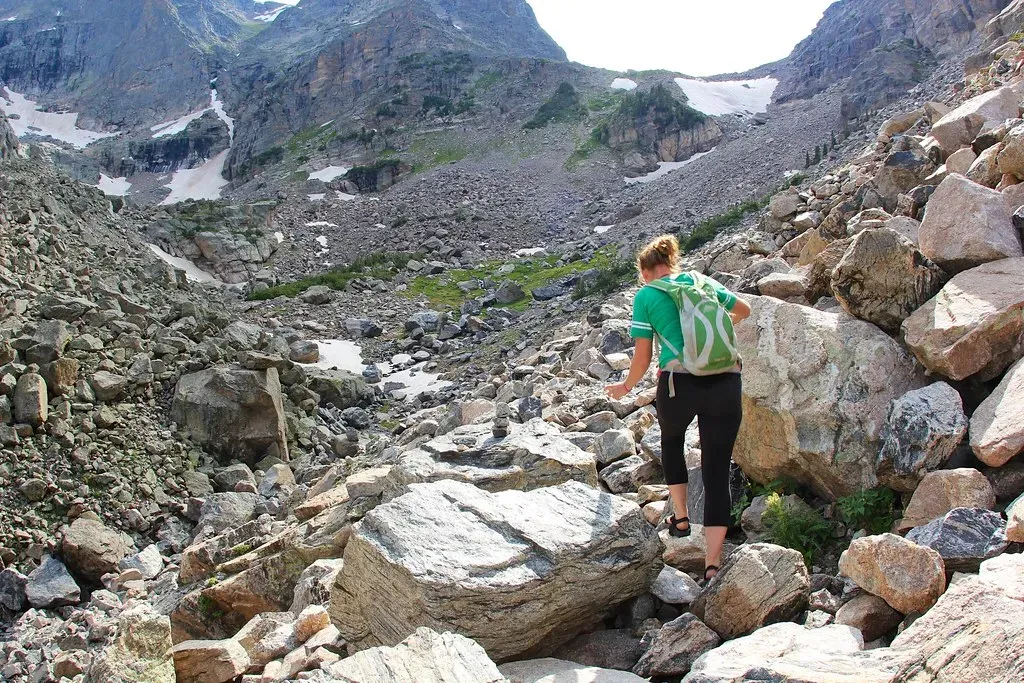
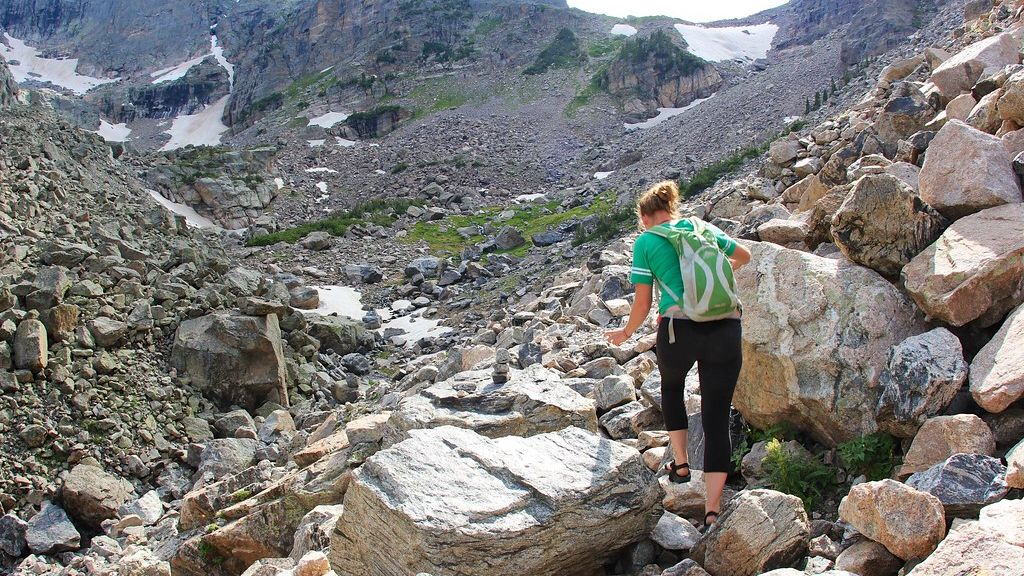
Mountain and alpine hiking from T4 to T6 represent difficult alpine hiking where T stands for trekking. T4 indicates Alpine trails where walking boots are essential, you must use your hands to move forward, and deal with exposed areas. We’re talking scrambling, route-finding through trackless terrain, and real consequences if things go wrong.
T6 routes require mature alpine experience and familiarity with technical alpine equipment, involving use of hands and climbing up to level two grade. Only a small percentage of hikers ever attempt these levels. They demand not just physical fitness but genuine mountaineering skills, proper gear, and the mental toughness to handle serious exposure.
Why Elevation Gain Matters More Than You Think
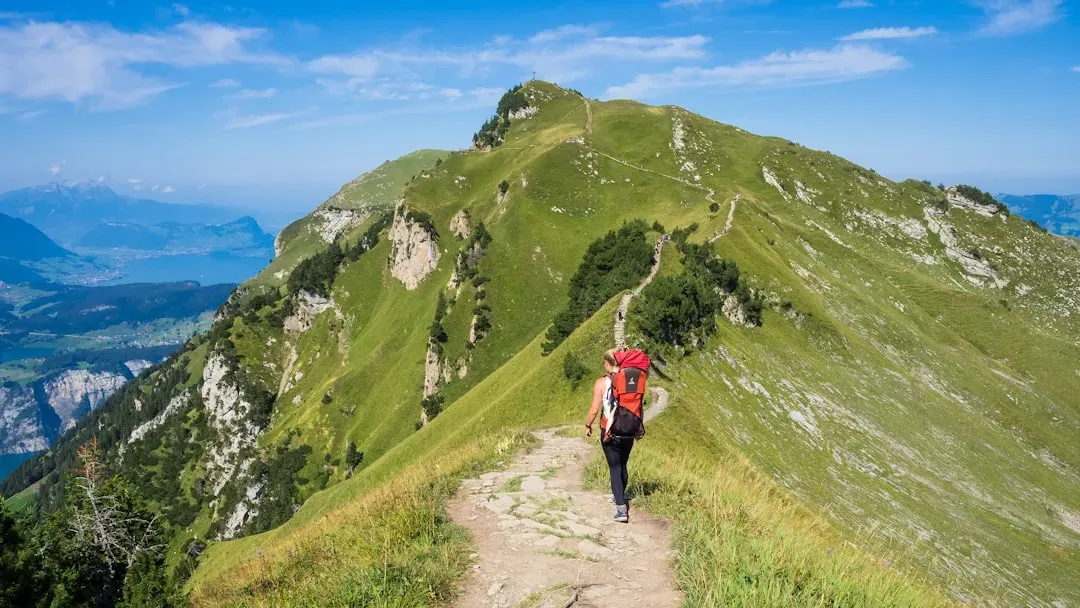
Distance is the obvious metric everyone checks, yet it’s surprisingly misleading. Elevation is what determines a trail’s difficulty in tandem with mileage, and understanding how it works is essential to choosing hikes that fit your experience level. A five-mile hike sounds easy until you realize it climbs 3,000 feet straight up.
The thinner air at higher elevations, generally above around 7,000 to 8,000 feet, will usually slow your pace and increase fatigue, but can also exacerbate dehydration and cause unpleasant symptoms like a headache or worse. Let’s be real: your lungs and legs will remind you that vertical feet are completely different from horizontal miles. Paul Petzoldt, founder of the National Outdoor Leadership School, created a formula estimating energy miles, where one energy mile equals walking one mile on flat terrain, adding two more energy miles for every 1,000 feet of elevation gain.
The Personality Factor: Finding Your Hiking Style
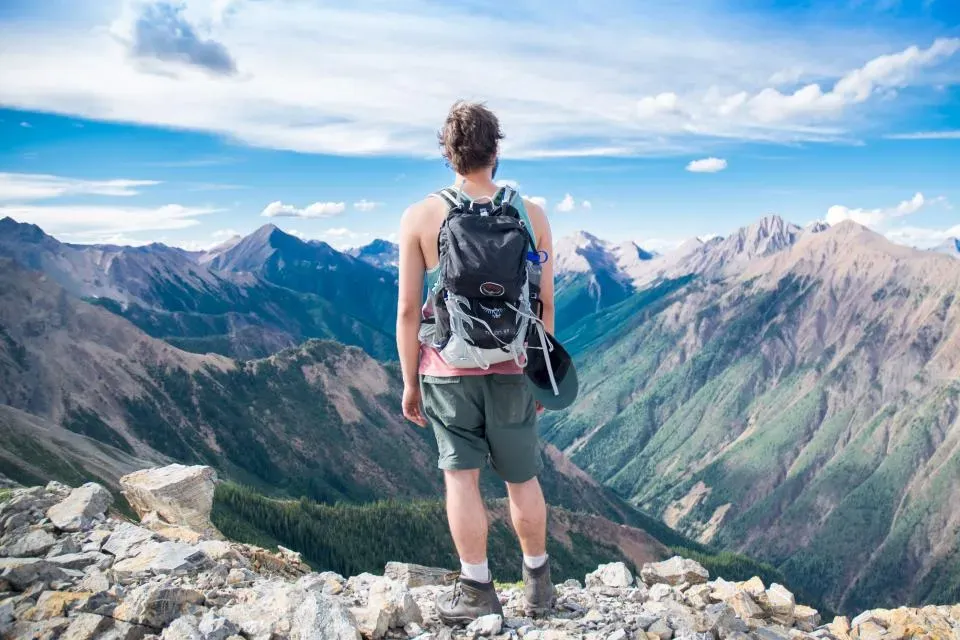
Different people genuinely prefer different outdoor experiences, though the reasons are more psychological than celestial. Some crave solitude on remote wilderness routes. Others love crowded popular trails where there’s built-in safety and social energy. Your comfort with risk, need for structure, and tolerance for uncertainty all influence which trails feel right.
That adventurous friend who always picks challenging peaks? They’re probably wired for novelty-seeking and comfortable with physical discomfort. The person who sticks to well-marked nature walks might value predictability and contemplative experiences over conquering summits. Neither approach is superior. Matching trails to your actual preferences, rather than what you think you should do, leads to way more enjoyable experiences.
Self-Assessment: Know Thyself Before the Trailhead
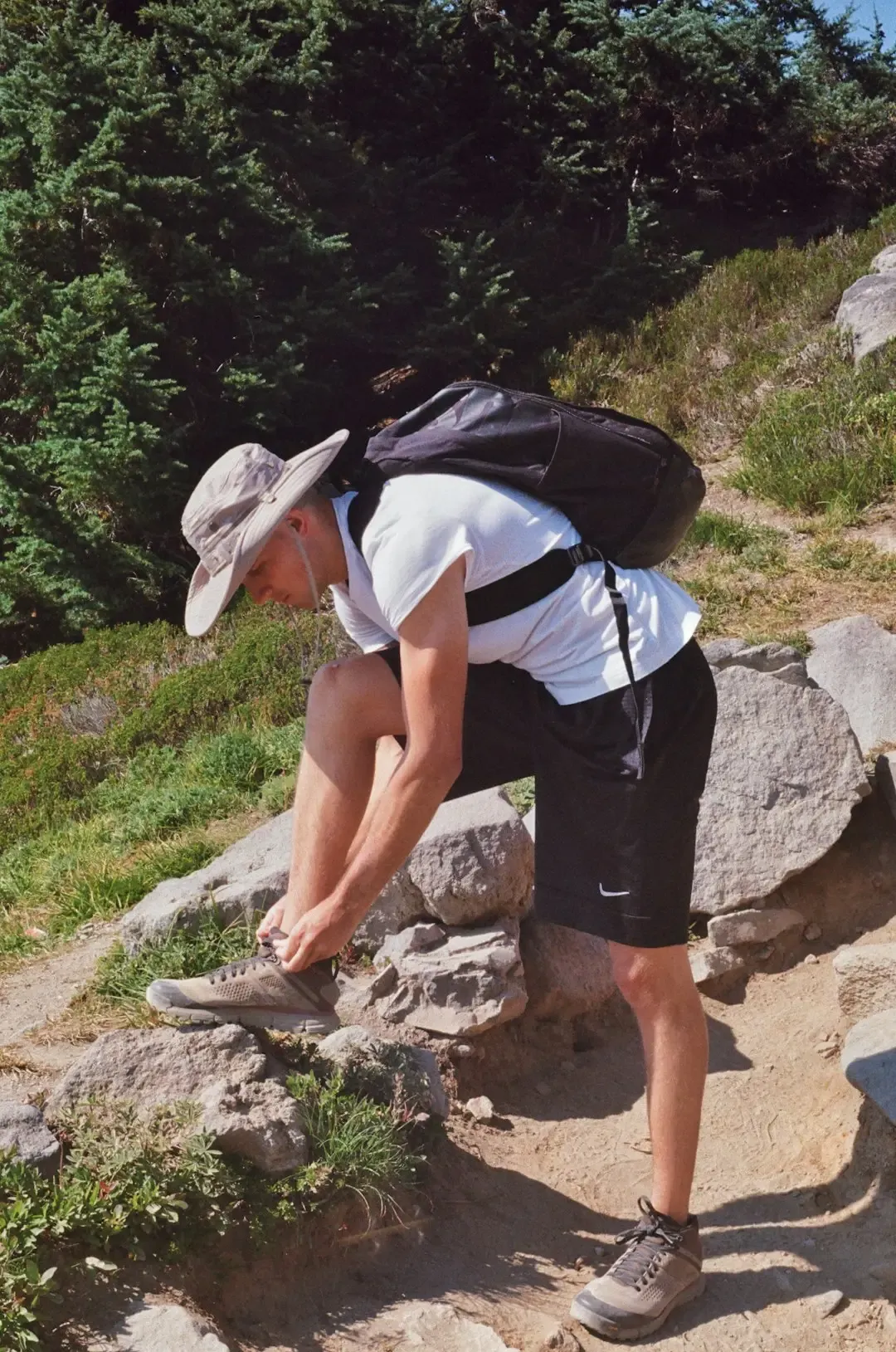
Each member’s skill set is unique, and what may be easy for one hiker could be moderate or difficult for another. Honest self-evaluation beats bravado every time. Consider your recent physical activity level, any prior hiking experience, comfort with heights or exposure, and basic navigation abilities.
Personal fitness, experience, and comfort level should always be considered, and it’s advisable for hikers to start with easier grades and gradually progress to more challenging routes as skills and confidence improve. There’s zero shame in choosing trails below your maximum capability, especially when testing new terrain types or elevations. Better to finish strong and hungry for more than to limp back defeated and swearing off hiking forever.
Accessibility and Inclusion: Trails for Everyone
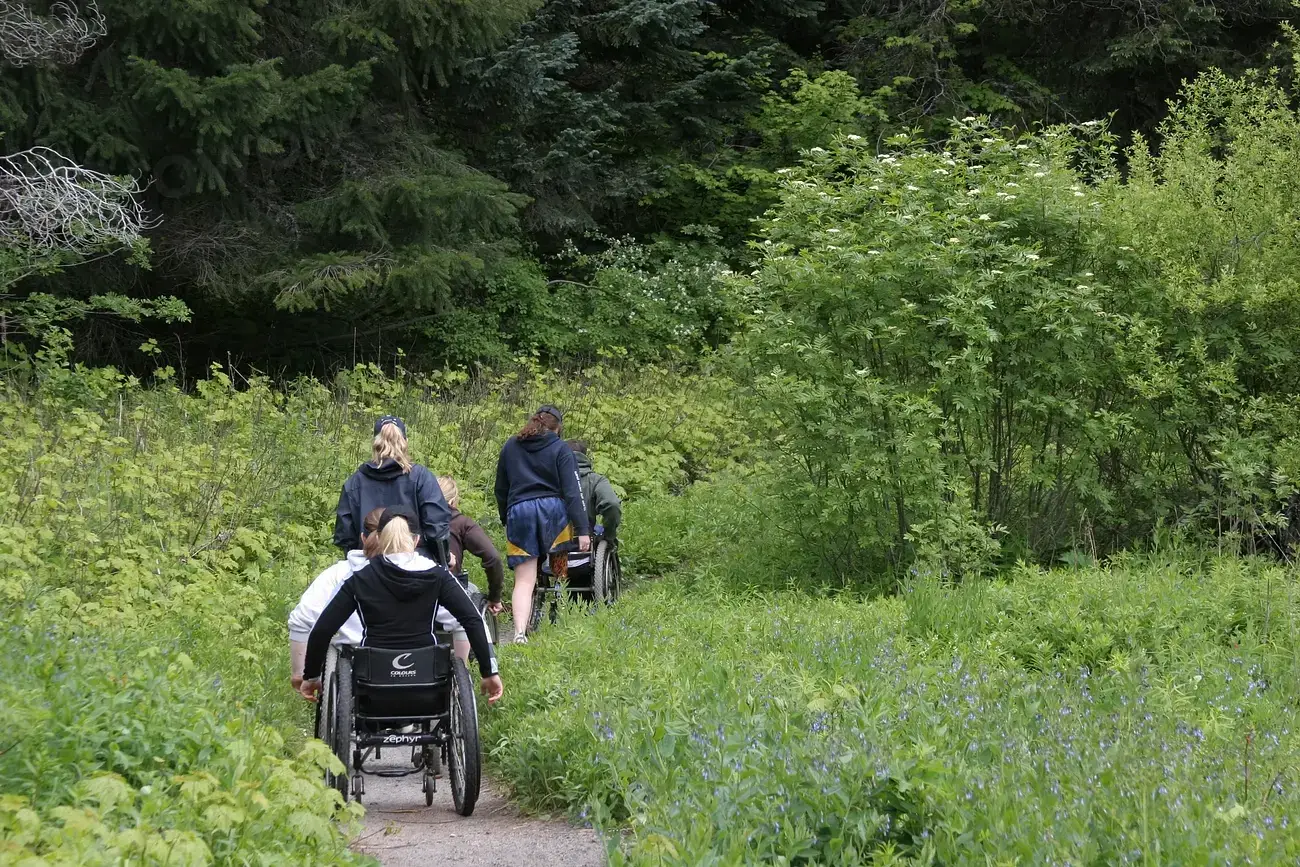
The conversation around trail difficulty is evolving in exciting ways. The accessibility of nature trails for people with motor disabilities stands as a significant challenge for inclusive tourism, with research presenting approaches and solutions to enable people with motor impairments to enjoy nature trails. This isn’t just about wheelchair access but rethinking how we classify trails entirely.
Novel approaches to trail accessibility and difficulty rating are being developed specifically for individuals including those with mobility impairments, incorporating criteria addressing physical access, terrain challenges, and amenities to accommodate diverse user needs. Emerging frameworks go beyond simple grades to evaluate how comfortable and safe trails are for diverse users. It’s about opening the outdoors to everyone, not just the young and able-bodied.
Long-Distance Challenges: The Ultimate Progression

Once you’ve mastered various trail difficulties, long-distance routes beckon. The Appalachian Trail involves approximately 1.1-mile sections to portions of the trail, with segments ranging from easy to very strenuous. These epic journeys aren’t about a single day’s difficulty but sustained effort over weeks or months.
Attempting something like the Appalachian Trail or Tour du Mont Blanc requires next-level preparation. You’re dealing with cumulative fatigue, variable weather, navigation across different terrain types, and the mental endurance to keep going day after day. Expert-level trails involve daily hiking of 8 to 12 miles on unmaintained trails with up to 5,000 feet of elevation change, pack weight of 35 to 45 pounds, steep terrain with loose footing and considerable exposure, requiring excellent health and vigorous exercise 4 to 5 days per week.
Wrapping Up Your Trail Journey

Finding the right trail difficulty is part science, part self-knowledge, and entirely personal. The rating systems exist to guide you, whether it’s the straightforward easy-moderate-hard classifications common in the U.S. or the more detailed Swiss Alpine Club scale. Both serve the same purpose: helping you choose adventures that challenge without overwhelming.
Start where you are, not where you think you should be. Progress gradually through difficulty levels, paying attention to how different terrain types and elevations affect you personally. The mountains aren’t going anywhere, and there’s genuine satisfaction in building skills over time rather than suffering through something beyond your current abilities.
What’s your current trail level, and where do you want to be a year from now? Maybe it’s time to lace up those boots and find out.