

There is a small, unassuming city about 60 miles east of Los Angeles, tucked into the San Bernardino Valley, where people simply refuse to age the way the rest of us do. No fancy biohacking clinics. No expensive longevity supplements. Just a deeply rooted way of life that, according to decades of scientific research, is doing something most of us have never managed to pull off. The city is called Loma Linda. Its name translates to “beautiful hill” in Spanish, and honestly, the name feels like a clue.
What’s happening in Loma Linda has captivated researchers, doctors, and public health experts for over six decades. It is America’s only recognized Blue Zone, and the statistics coming out of it are, frankly, hard to wrap your head around. Let’s dive in.
What Is a Blue Zone, and Why Does Loma Linda Qualify?
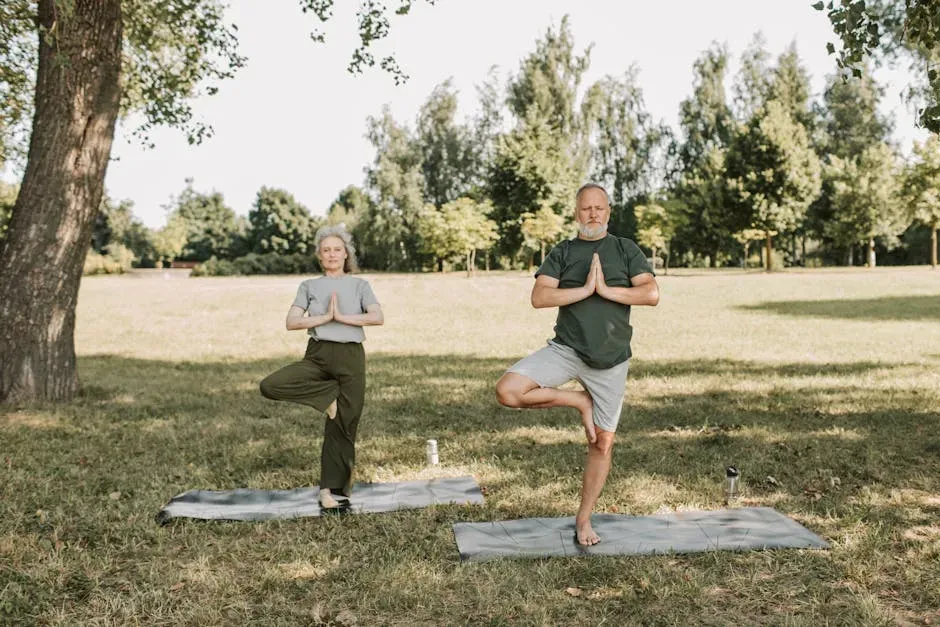
A Blue Zone is a region of the world where people are claimed to have exceptional longevity beyond the age of 100 due to a lifestyle combining physical activity, low stress, rich social interactions, a predominantly plant-based diet, and low disease incidence. The concept itself came out of a fascinating research journey. What began as a National Geographic expedition led by Dan Buettner to uncover the secrets of longevity evolved into the discovery of five places around the world where people consistently live over 100 years old.
There are five identified Blue Zones in the world with only one in the United States: Okinawa, Japan; Nicoya, Costa Rica; Sardinia, Italy; Ikaria, Greece; and Loma Linda, California. What makes Loma Linda striking is that it isn’t some remote mountain village frozen in time. In contrast to their remote counterparts, Loma Linda is an urban city situated in San Bernardino County, California, with a population of around 25,000 as per the 2020 census.
It sits in suburban Southern California, surrounded by strip malls and highways, which makes what happens there all the more remarkable. It’s proof that your environment matters far less than how you choose to live within it.
The Seventh-day Adventists: The Heart of It All

Here’s the thing about Loma Linda. Its longevity secret isn’t the zip code. It’s the people. Nearly one-third of Loma Linda’s residents are Adventists, who embrace a lifestyle characterized by wholesome nutrition, ample rest, regular exercise, and abstinence from deleterious substances like alcohol, tobacco, and narcotics, all founded by a steadfast devotion to faith and hope to give meaning to life.
A majority of the people in Loma Linda belong to the Seventh-day Adventist faith, which advocates healthy living and a life of service. This lifestyle encourages a vegetarian diet, exercise, reducing stress, promoting social connections, and the practice of faith, which is at the core of the Adventist community. It’s a remarkably comprehensive blueprint for living.
Dr. Fraser, a professor at the Loma Linda University School of Medicine and School of Public Health, calls Loma Linda “a slightly strange example” of a Blue Zone, as the factor that allows it to claim that title is the significant Adventist percentage of the population who are health-conscious. In other words, the religion itself functions as a kind of health policy – one that happens to be working spectacularly well.
The Numbers That Actually Tell the Story
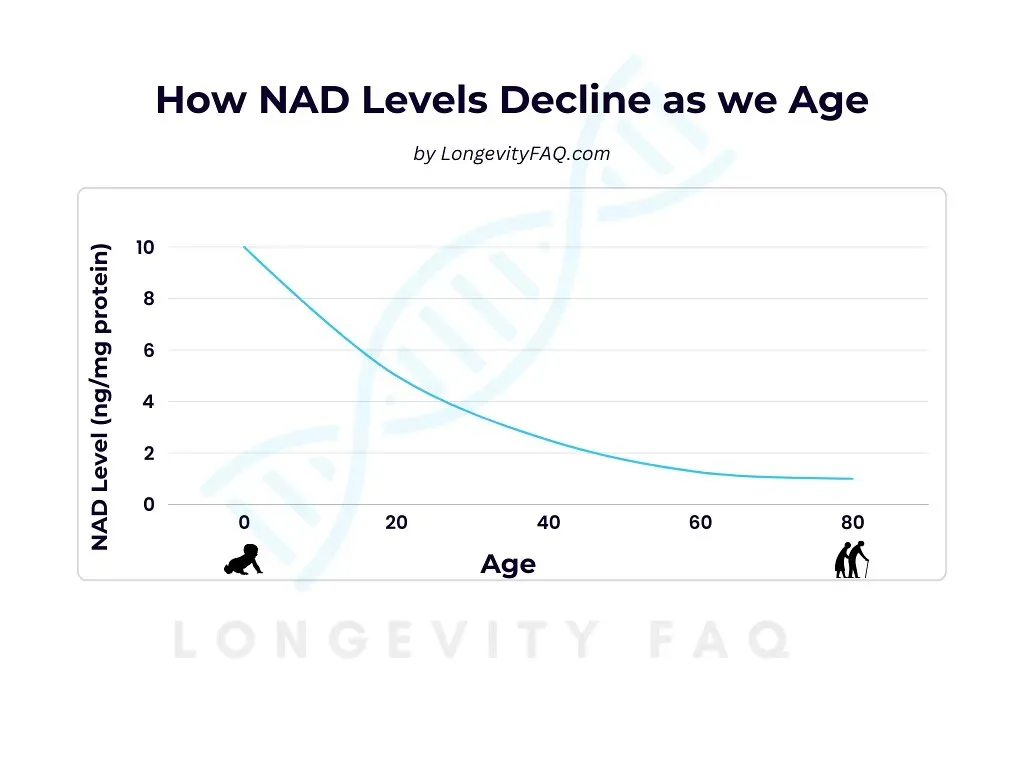
Let’s talk hard data, because the statistics here are genuinely surprising. Findings from the Adventist Health Study-1 estimated that men lived 7.3 years longer and women 4.4 years longer, on average, than their California counterparts. That’s not a rounding error. That’s the equivalent of gaining nearly a decade of life just by living a certain way.
Fraser says Loma Linda University’s studies have found that Adventists in California live an average of about seven years longer compared to the public for men and about four and a half years longer for women. For Adventists who are specifically vegetarian, men live nine years longer, and women live six years longer.
Most residents live seven to ten years longer than the average American. On average, they also have lower rates of chronic diseases like cancer, cardiovascular disease, diabetes, and dementia. Think about that for a moment. Not just longer lives, but healthier ones.
A Plant-Based Diet Backed by Decades of Research
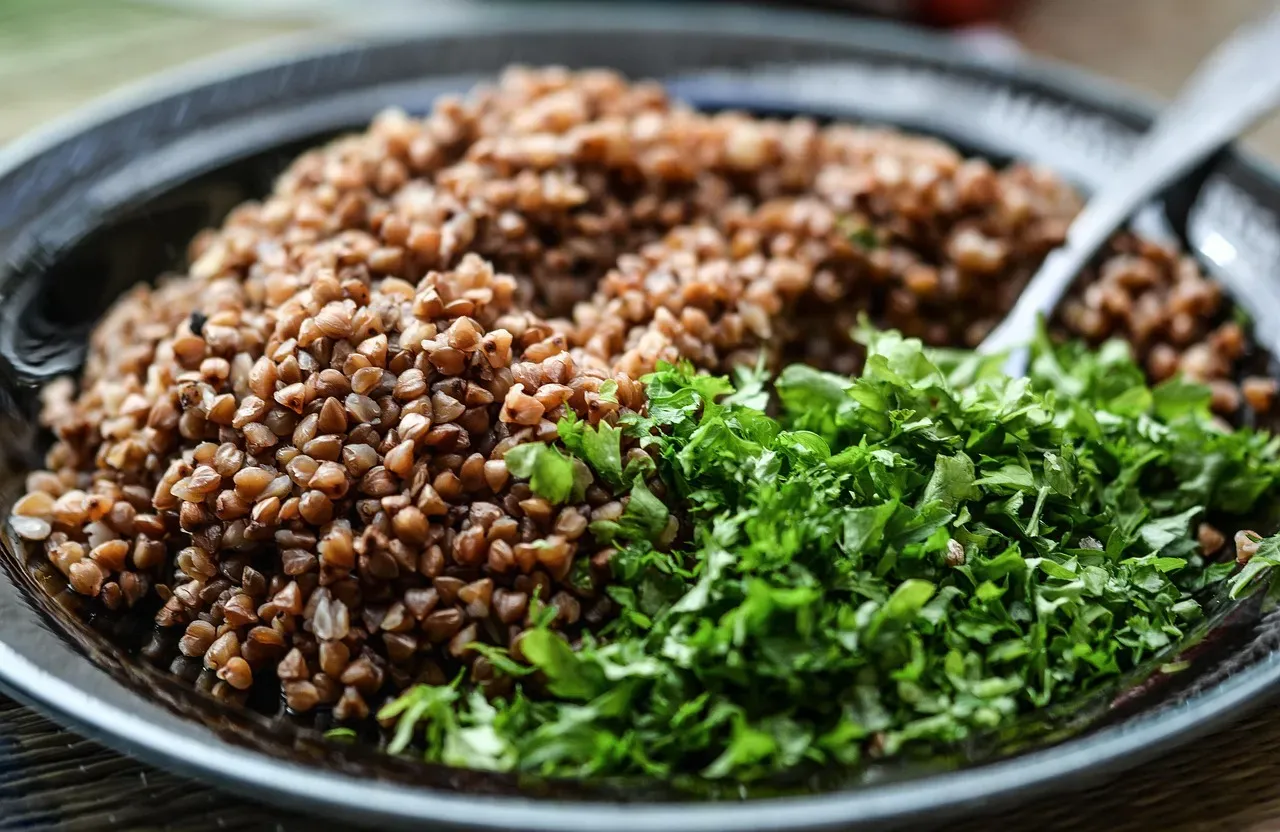
If you’ve ever wondered whether food really can be medicine, Loma Linda is your answer. For the past six decades, researchers at Loma Linda University have been running one of the longest-running, most carefully designed diet studies in history, using a single, stable religious community as their cohort. The findings have reshaped what nutrition science knows about plant-based eating, longevity, and chronic disease risk.
The flagship study, the Adventist Health Study-2, is extraordinary in scope. The Adventist Health Study-2 is a large North American cohort with a total of 96,469 Seventh-day Adventist men and women recruited between 2002 and 2007. Its conclusions found that vegetarian diets are associated with lower all-cause mortality and with some reductions in cause-specific mortality.
The significance of these studies lies in their ability to isolate the effects of lifestyle choices on chronic diseases, with findings showing a strong correlation between plant-based diets and reduced risk of heart disease, cancer, and diabetes. The more plant-forward the diet, the greater the benefit. It’s not complicated. It’s just consistent.
Nuts, Beans, and the Surprisingly Powerful Pantry

You might not expect a handful of almonds to add years to your life. Loma Linda suggests otherwise. Adventists who consume nuts at least five times a week have about half the risk of heart disease and live about two years longer than those who don’t. At least four major studies have confirmed that eating nuts has an impact on health and life expectancy.
Vegetarian diets were consistently associated with lower cardiovascular risk factors: lower LDL cholesterol, lower triglycerides, and lower blood pressure, reinforcing the findings on heart disease. According to nutrition experts, the Loma Linda Blue Zone diet is mainly lacto-ovo vegetarian, which includes beans, legumes, nuts, and an abundance of fruits and vegetables, more water intake, no smoking, no alcoholic beverages, no caffeinated drinks, no pork and no shellfish, and a day of rest on the Sabbath.
Studies have shown nonsmoking Adventists who ate two or more servings of fruit per day had about 70 percent fewer lung cancers than nonsmokers who ate fruit once or twice a week. Adventists who ate legumes such as peas and beans three times a week had a 30 to 40 percent reduction in colon cancer. The food choices here aren’t random. They stack up, one on top of the other, into something genuinely protective.
The Sabbath: Rest as a Medical Prescription

Honestly, this is the part that surprises people most. Something as simple as taking one day off per week could actually be saving lives. Rest plays a central role in the lifestyle of Loma Linda. Following Adventist tradition, residents observe a weekly day of rest known as the Sabbath. On this day, they disconnect from work and daily responsibilities to focus on family, spirituality, and personal well-being. This time of rest not only reduces stress but also enhances mental and emotional health.
Regular rest doesn’t only improve mental well-being, it also has lasting physical benefits, like reducing the risk of stress-related illnesses and ensuring better sleep quality. The Sabbath allows residents to pause, focus on their relationships, and recharge, which research links to better heart health and lower rates of inflammation.
The Adventist emphasis on properly honoring the Sabbath by focusing less on work and more on relationships and spiritual growth has been linked to reduced anxiety and cardiovascular disease rates in Loma Linda. Think of it like this: the Sabbath functions as a weekly reset button. In a world where chronic stress is quietly killing people, that button might be more powerful than any supplement on the market.
No Smoking, Barely Any Alcohol: The Elimination Strategy

Sometimes, longevity isn’t about what you add to your life. It’s about what you remove. The study found that nearly 99% of Adventists do not smoke and about 6% drink alcohol. Those figures are almost unbelievable by American standards, where smoking and drinking remain deeply embedded in social culture.
The community has low rates of smoking and alcohol consumption, both of which are associated with lower incidences of cancer and cardiovascular diseases. A large number of participants in the Adventist Health Study-2 reported never smoking (78.5%) and never drinking alcoholic beverages (57.8%), and non-vegetarians reported the poorest health perception compared to vegans.
This observation indicates the importance of non-smoking, abstinence from alcohol consumption, daily engagement in regular physical activity, avoidance of disease in older ages, and following a plant-based diet concerning the potential for successful aging. No dramatic intervention required. Just removing the things that reliably shorten life.
Movement Built Into Life, Not Scheduled Into a Calendar

Loma Linda residents aren’t running marathons or spending hours at fancy gyms. The physical activity here is quieter, steadier, and arguably more sustainable. At Loma Linda, physical activity is part of the daily lifestyle. Unlike other places where intense exercise is common, the focus here is on the consistency of moderate activity. Many residents take daily walks or participate in low-impact activities, which promote cardiovascular health and flexibility without overtaxing the body.
Gardening is a common pastime, not as a hobby but as an extension of the dietary ethos. Many homes have citrus trees, vegetable beds, and herbs growing in front yards. Bicycling is frequent. Outdoor exercise is routine. Residents aren’t striving to “get in shape,” they live in a way that sustains it by default.
The Adventist Health Survey shows that you don’t need to be a marathoner to maximize your life expectancy. Getting regular, low-intensity exercise like daily walks appears to help reduce your chance of having heart disease and certain cancers. It’s the slow burn, not the sprint, that pays off over a lifetime.
Community, Purpose, and the Social Web That Holds It Together

I think this is, perhaps, the most underrated factor of all. Longevity research consistently points to one thing that surprises people: how much your relationships matter. Prioritization of friends and family is part of the fabric of Loma Linda’s wider community and is one reason why Loma Linda is America’s only Blue Zone, leading the nation in life expectancy. Social connectivity lays the framework for living healthier and longer, as loneliness puts older adults at risk for chronic health conditions.
In Loma Linda, social interaction is more than a pastime, it’s a cornerstone of life. The strong community bonds foster emotional support and a sense of purpose, both of which are critical for mental and physical health. Research shows that social engagement is linked to a lower risk of mortality.
Intergenerational relationships are a distinctive feature at Loma Linda. Older generations are valued for their wisdom and experience, and it is not uncommon to see several generations living together or actively participating in community life. This intergenerational bonding promotes a supportive emotional and social environment, which enhances quality of life. In addition, younger generations learn from the healthy habits of their elders, contributing to the longevity of the community as a whole.
What Loma Linda Teaches the Rest of Us

The most honest takeaway from Loma Linda is both inspiring and a little uncomfortable. The Danish Twin Study established that only about 20% of how long the average person lives is dictated by genes, whereas the other 80% is dictated by lifestyle. That shifts an enormous amount of responsibility back to our daily choices.
Fraser says that Adventists not only live longer, they also live better. Adventists still die of similar causes as the rest of the population; they just die later. “The kinds of diseases we’re delaying are those that are also adversely impacting quality of life,” Fraser says.
Results from Adventist health studies conducted at Loma Linda University Health have received tens of millions of dollars in research funding from the National Institutes of Health. These results have appeared in nearly 300 peer-reviewed journal articles, from the New England Journal of Medicine and American Journal of Epidemiology to Archives of Internal Medicine and American Journal of Clinical Nutrition. This isn’t fringe science. It is some of the most rigorously examined nutrition and lifestyle research in history.
Loma Linda doesn’t look special at first glance. No dramatic coastline, no picturesque mountain village. Just an ordinary-looking California city where people have quietly figured out something the rest of the world is still searching for. The question worth sitting with isn’t how they’re doing it. It’s why more of us aren’t.
What would you be willing to change in your daily life if it meant a decade more of healthy living? Tell us in the comments.