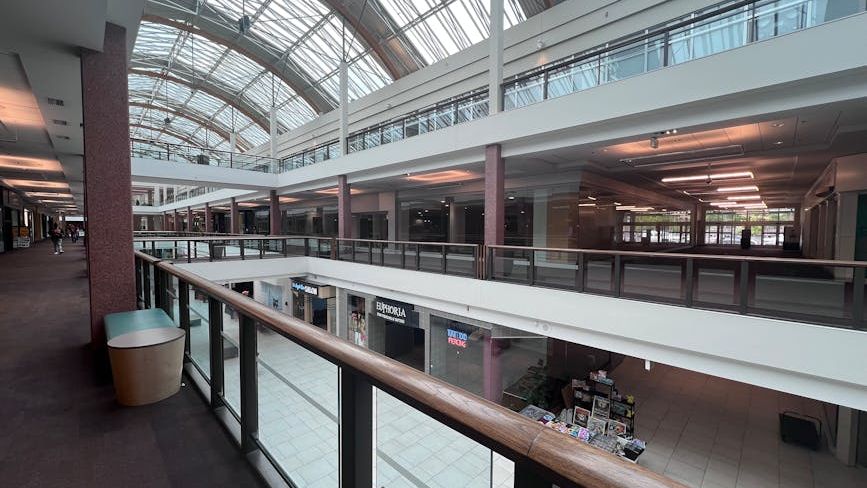

Picture vast parking lots cracked and empty, storefronts boarded up, the faint echo of holiday crowds long gone. America’s dead malls, those relics of a bygone shopping era, sit idle across suburbs, costing owners millions in upkeep. Yet a quiet revolution brews. Developers see gold in the concrete, transforming these eyesores into much-needed homes amid a brutal housing crunch.[1]
It’s not just wishful thinking. Nearly 200 malls nationwide eyed housing additions by early 2022, with dozens already delivering apartments.[1] Let’s explore five standout cities leading this charge. You might be surprised by the scale.
Phoenix, Arizona: Paradise Valley Mall’s Luxury Rebirth
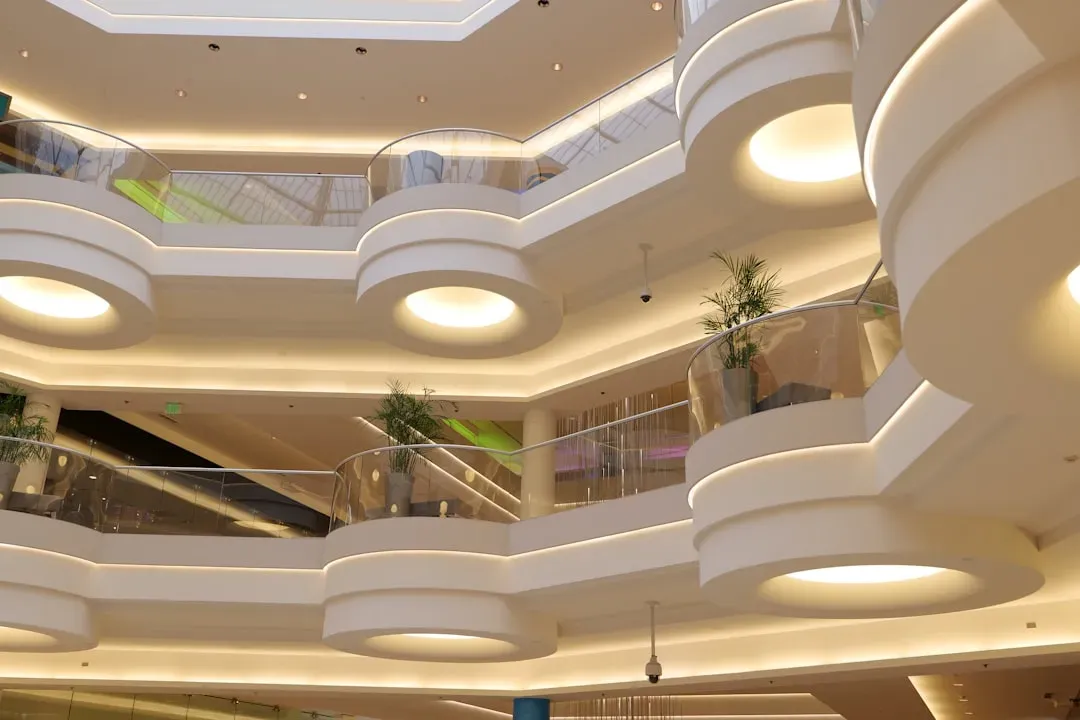
The Paradise Valley Mall in Phoenix had faded into obscurity, anchors like Sears long departed. Then came a bold pivot. Developers unveiled 400 luxury apartment units right on site, opening to fanfare in November 2024.[1][2]
Residents now enjoy walkable retail below their homes, blending live-work-play seamlessly. This project tackles Arizona’s housing woes head-on. Honestly, it’s a smart fix for sprawling suburbs craving density.
Indianapolis, Indiana: Lafayette Square’s Massive Comeback
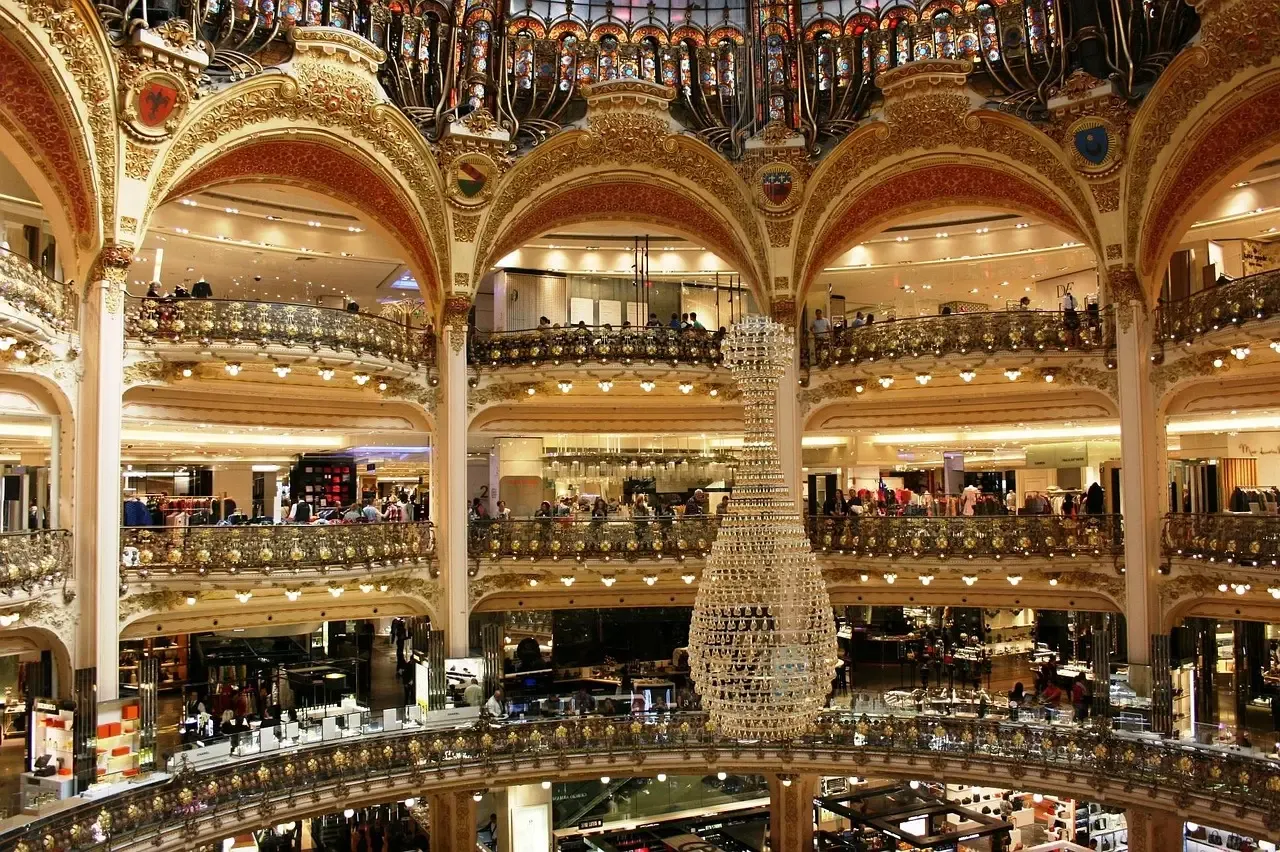
Lafayette Square Mall struggled for years, a classic dead mall with dim lights and vacant halls. City leaders stepped in, greenlighting a huge redevelopment. By 2025, 1,200 apartments will fill the space, including affordable units in the old Sears building.[1][2]
This mixed-use gem promises shops and eateries alongside homes. It’s injecting life into a neglected corridor. Here’s the thing: such scale could ease Indy rents spiking lately.
Broomfield, Colorado: FlatIron Crossing Goes Residential
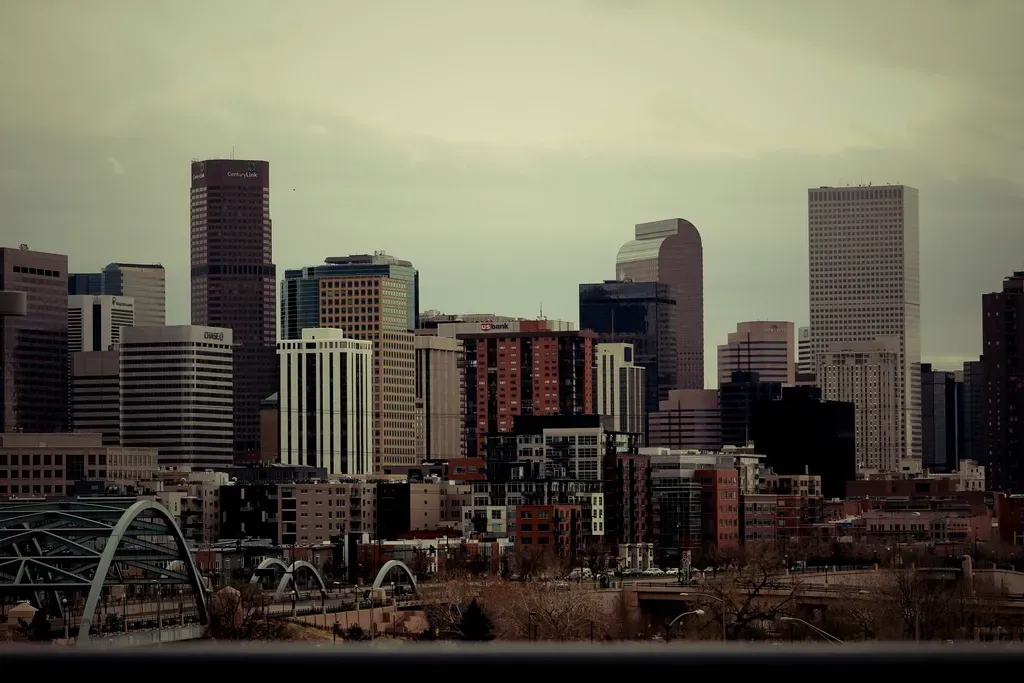
Near Denver, FlatIron Crossing faced the same retail blues as many. Developers reimagined it as HiFi, a vibrant mixed-use spot. They’re adding 345 housing units, drawing young professionals to the area.[3][2]
Parking lots shrink for green spaces and trails. Colorado’s housing shortage makes this timely. I think it’s clever, turning car-centric malls into pedestrian havens.
Progress continues into 2026, blending old bones with new energy.
Westminster, California: A Mixed-Use Megaproject
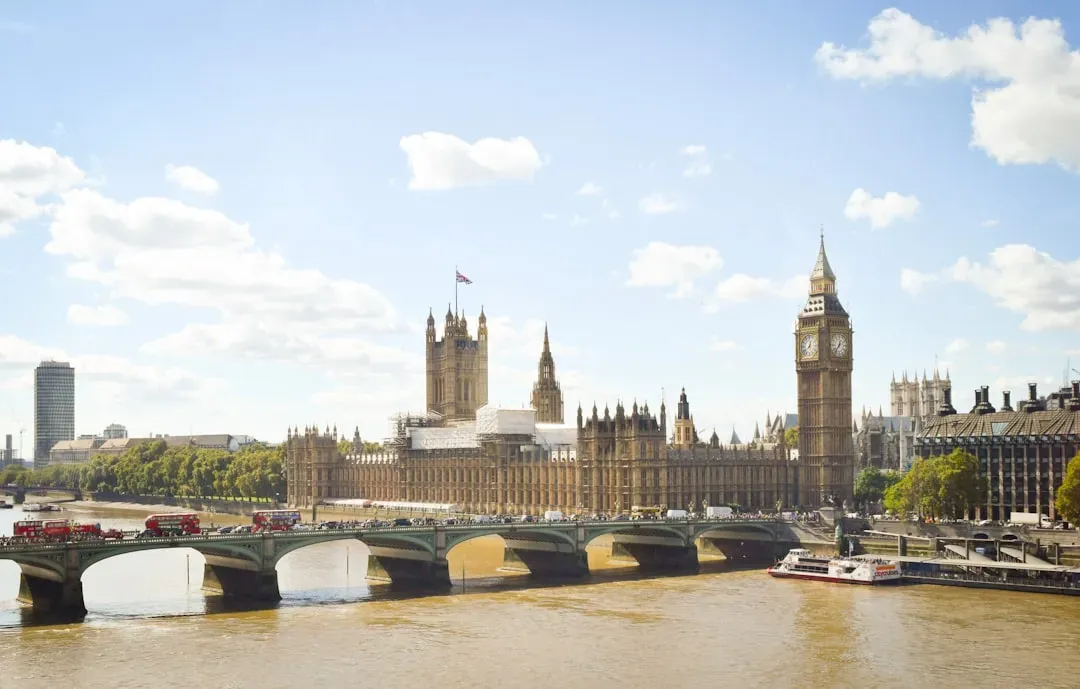
Westminster Mall in Orange County was textbook dead: empty anchors, fading foot traffic. Redevelopers demolished and rebuilt smartly. Now it’s a sprawling complex with 3,000 residential units, plus hotels and parks.[4]
Construction wrapped aspects by mid-2025, prioritizing multifamily homes. This SoCal spot fights high costs with volume. Let’s be real, 3,000 units? That’s a game-changer for locals.
Retail lingers, but housing dominates the revival.
Milwaukee, Wisconsin: Grand Avenue Mall Lives On
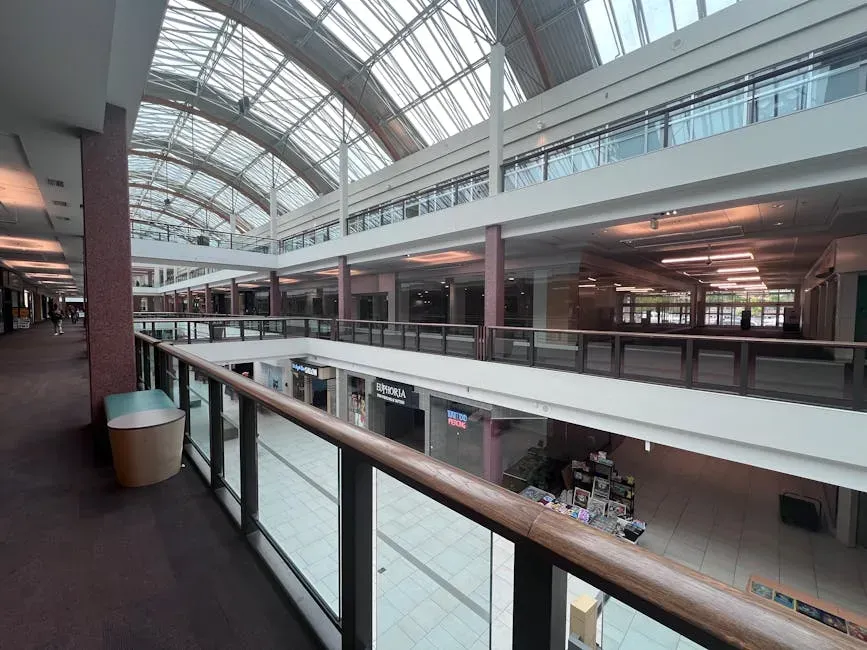
Grand Avenue Mall downtown Milwaukee shuttered much of its retail shell. Renovations since 2017 culminated in fresh apartments above bustling food courts. Dozens of units now rent out, mixing urban living with convenience.[1][2]
Tenants love the central vibe, steps from transit. Wisconsin winters make indoor access a perk. It proves even older malls can adapt without full teardowns.
The Road Ahead for Dead Mall Revivals
These five cities show the blueprint: repurpose fast, add density, keep some retail. Nationwide, more projects brew in Texas, Florida, beyond.[1] Challenges like zoning linger, yet momentum builds in 2026.
Dead malls to dream homes? It’s happening, easing shortages one parking lot at a time. What forgotten mall near you could use this magic? Share below.