

Picture this: you pop some popcorn in your kitchen, fire up the TV, and bam, the latest superhero epic is right there, no ticket stub required. Theaters that once buzzed with crowds now echo with empty seats, and studios are cashing in big from your couch. What’s driving this shift, and does it spell doom for the big screen?[1][2]
Let’s dive into the numbers and moves reshaping Hollywood. You’ll see why living rooms are winning, at least for now.
The Box Office Takes a Hit

North American box office revenue clocked in at around 8.6 billion dollars last year, a sharp drop from pre-pandemic peaks.[3] That’s nearly a quarter less than 2019 levels, even as ticket prices climb. Fewer films and higher costs aren’t helping the cause.
Honest talk, it’s tough out there. Studios feel the pinch, pushing them toward quicker home releases to recoup investments fast.[4]
Attendance Numbers Tell the Story

Theater visits plunged nearly 40 percent since 2019, with just 764 million tickets sold in 2025.[1] Only about half of Americans stepped into a cinema last year. Chains like Regal saw double-digit drops in foot traffic.
Here’s the thing: frequent moviegoers have vanished, down from nearly four in ten to just one in six.[5] Families and casual fans? They’re streaming instead.
Streaming Services Flex Muscle

Prime Video alone raked in 17.5 billion dollars in 2025, up sharply from the year before.[6] Platforms like Netflix and Disney+ prioritize originals that keep subscribers hooked. No wonder studios eye these steady cash flows over unpredictable theater runs.
I know it sounds wild, but streaming hit a profit turning point last year.[7] It’s reliable revenue when box office flops loom large.
Studios now blend both worlds, but home viewing dominates daily habits.
PVOD Emerges as Savior
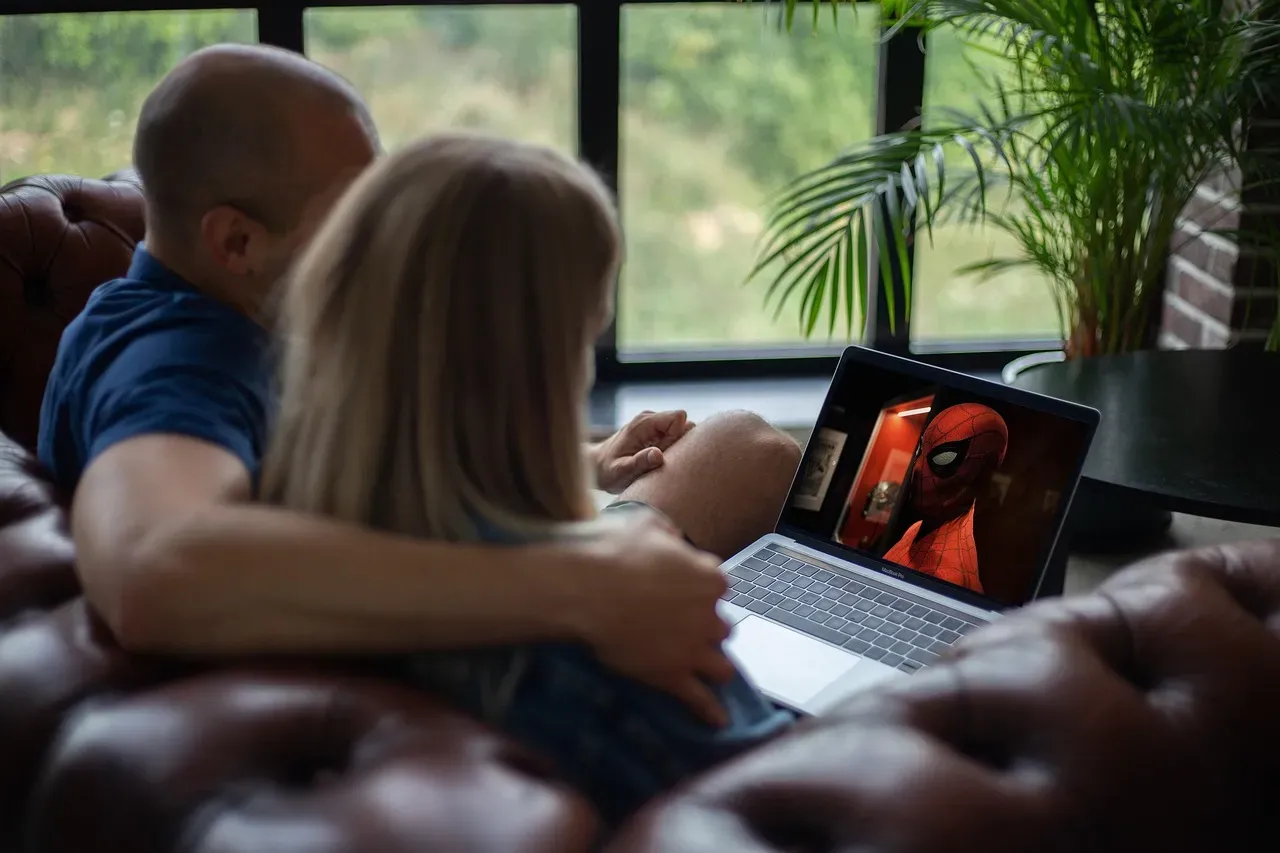
Premium Video on Demand lets you rent blockbusters for 20 to 30 bucks right after theaters.[8] Fully 70 percent of studio films hit PVOD within 45 days now, double from a few years back.[9] Studios pocket up to 80 percent of that cash, way better than splitting box office fifty-fifty.
Think of it like a bridge from screen to sofa. Indies especially lean on it to break even after modest theater hauls.[10]
Universal Pioneers the Shift

Universal blazed the PVOD trail during the pandemic, dropping films online after just 17 days in theaters. That strategy netted them a billion dollars quick.[8] It added 30 percent extra to their theatrical earnings, proving home release pays off.
Even now, they’re tweaking windows but keeping PVOD central. Mid-tier flicks especially benefit from this fast track to your TV.[11]
Windows Shrink, Homes Win
Theatrical exclusives used to last months; now many end in weeks. Universal just pledged five weeks minimum, but PVOD follows close behind.[11] This rush home boosts studio profits amid slumping attendance.
Let’s be real, viewers crave convenience. Why fight traffic when the flick arrives at your door?
Shorter gaps mean blockbusters land in living rooms sooner, fueling the trend.
Netflix’s Bold Warner Bros Move
Netflix snapped up Warner Bros in late 2025, sparking theater fears. Yet they pledged 45-day cinema runs for WB films.[12] Still, critics worry fewer big releases will hit screens as streaming synergies grow.
Paramount later vied for WB too, but Netflix’s grip tightens Hollywood’s home pivot. It’s like merging theater tradition with streaming speed.[13]
Theaters Face Real Pressure
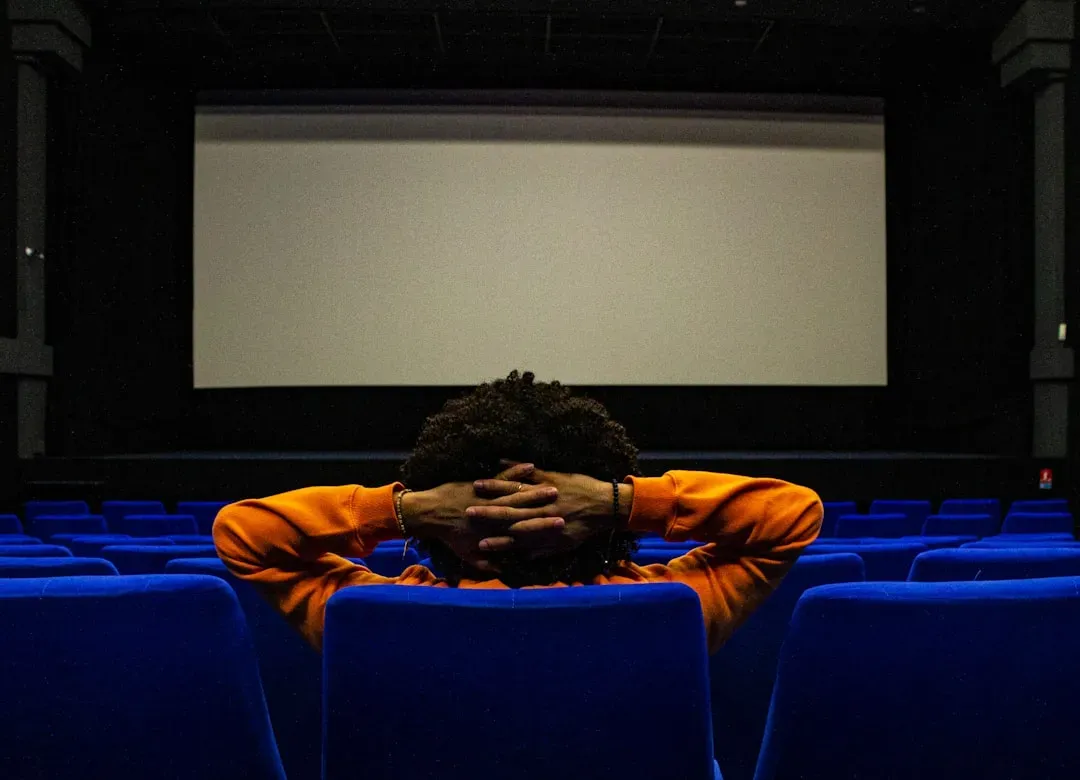
AMC reported nearly 10 percent fewer visitors last year. Overall visits dropped 10 percent nationwide.[14][15] Closures loom as chains grapple with empty auditoriums.
Exhibitors push back, but studios hold the cards. PVOD and streaming siphon audiences away relentlessly.
Viewers Prefer the Couch

Comfort rules: no lines, pause for snacks, rewatch favorites anytime. Half of us skipped theaters entirely last year.[2] Younger crowds especially favor apps over outings.
Post-pandemic habits stuck. Big screens feel like a chore when epics stream seamlessly at home.
Surveys confirm the shift: home is where the real movie magic happens now.
A Hybrid Path Forward
Studios won’t ditch theaters entirely; tentpoles still need that buzz for marketing. But PVOD and streaming fill gaps, ensuring blockbusters reach millions fast.[11] Expect more experiments blending both worlds.
Though cinema attendance lags, hits like event films keep hope alive. What do you think, ready to bid theaters farewell or fight for their revival?