

Picture this: your phone rings late at night, and it’s your grandchild’s voice on the line, sobbing and pleading for money because kidnappers have them. Heart stops, right? These aren’t movie plots anymore – they’re happening now with AI making the terror feel all too real.[1]
Scammers clone voices from just seconds of audio scraped online. Families wire cash in panic before thinking twice. Let’s unpack how this nightmare unfolds and what you can do.[2]
What is Digital Kidnapping?

Digital kidnapping hits when crooks use AI to fake a loved one’s voice claiming they’re snatched or hurt. They demand quick cash transfers, playing on raw fear. Victims hear cries or pleas that sound exactly like family.[3]
Unlike old scams, this feels personal and urgent. No time to verify. Panic drives rash choices.[4]
How AI Voice Cloning Works
Tools clone voices from tiny clips, like voicemails or social videos. Seconds of sound train the AI to mimic tone, accent, even sobs perfectly. Free apps make it easy for anyone.[5]
Scammers layer in background noise for realism, like traffic or screams. Calls spoof caller ID too. Detection? Tough without close listening.[6]
Where Scammers Get the Audio
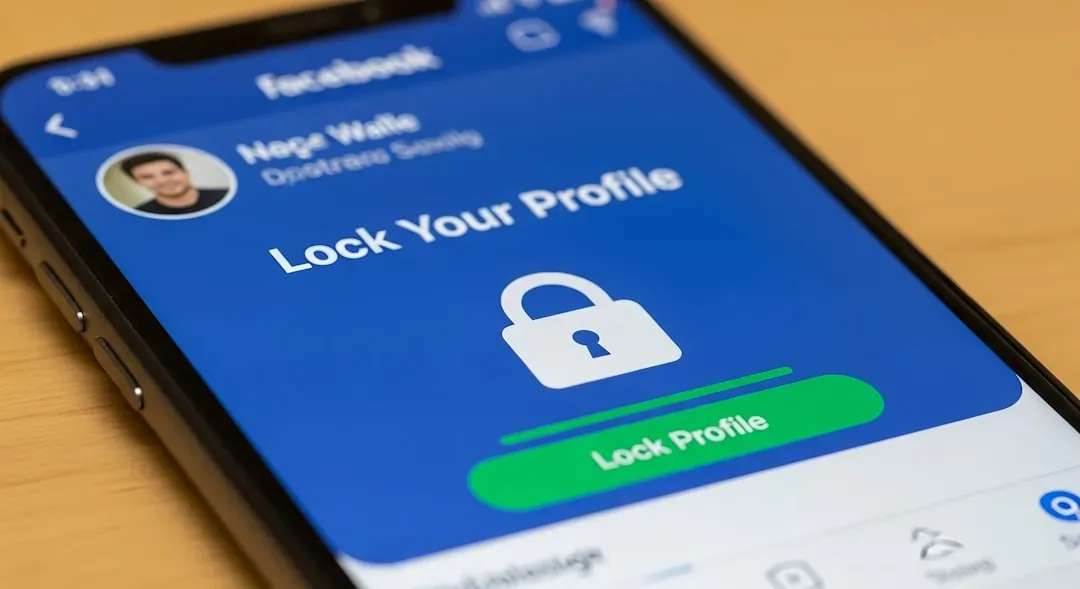
Social media overflows with family clips – kids singing, birthdays, vacations. Public posts hand over gold to fraudsters. They scrape profiles fast.[3]
One post leads to voice models in minutes. Parents sharing “cute moments” fuel this. Privacy settings? Often ignored.[7]
Lock down those reels. Think twice before posting voices.
A 2026 Case That Shocked Families

In Hillsboro, a family lost $2,500 to back-to-back AI calls mimicking a relative in peril. Scammers struck twice, cloning voices flawlessly. Cash vanished before police stepped in.[8]
Olathe parents faced cloned kids’ voices begging from “kidnappers.” Local news blasted warnings after. These hits keep rising.[9]
FBI Warnings on the Threat
FBI alerts flag AI deepfakes for virtual kidnappings, using social scraps for fake proof-of-life vids. Extortion surges as tech spreads. They urge hanging up and calling back safely.[3][10]
Officials note blurry real-fake lines endanger everyone. Act fast, verify first. Reports climb yearly.[11]
Exploding Stats from 2024-2026

Voice phishing jumped 442% last year alone, AI deepfakes driving it. Losses could hit $40 billion by 2027. One in four Americans faced fake voice calls recently.[12][13]
AI fraud attempts rose 194% from 2023 to 2024. Vishing hits retailers over 1,000 times daily now. Numbers scream urgency.[14][15]
Why Kids’ Voices Are Targeted

Scammers clone children’s voices most, tugging hardest at parental instincts. Innocent clips abound online. Panic peaks with tiny pleas.[9]
Vietnam saw youth lured then families hit with fakes. Sharenting risks skyrocket. Protect those posts fiercely.[7]
The Heartbreak for Victims

Families relive terror even after scams end. Trust shatters in voices once comforting. Financial hits compound emotional scars.[4]
One call upends holidays or routines. Recovery drags. Awareness dulls the edge, though.[1]
Red Flags to Watch For

Urgency screams scam – demands no verification. Poor connection or odd phrasing slips through. Voices might waver slightly under scrutiny.[2]
Never send money or codes without callback. Use known numbers only. Apps detect some clones now.[16]
Steps to Shield Your Family
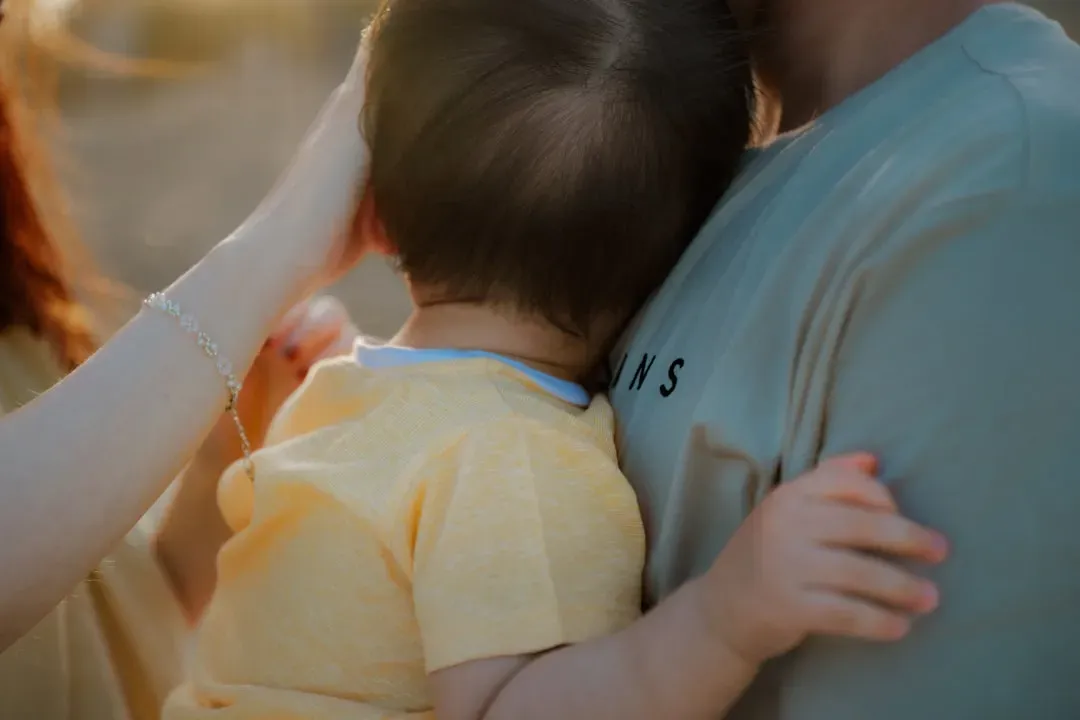
Go private on socials, delete old voice clips. Teach kids scam signs too. Use two-factor beyond texts.[7]
Report to FTC or FBI fast. Tools like voice checks emerge. Stay vigilant in this AI wild west.[17]