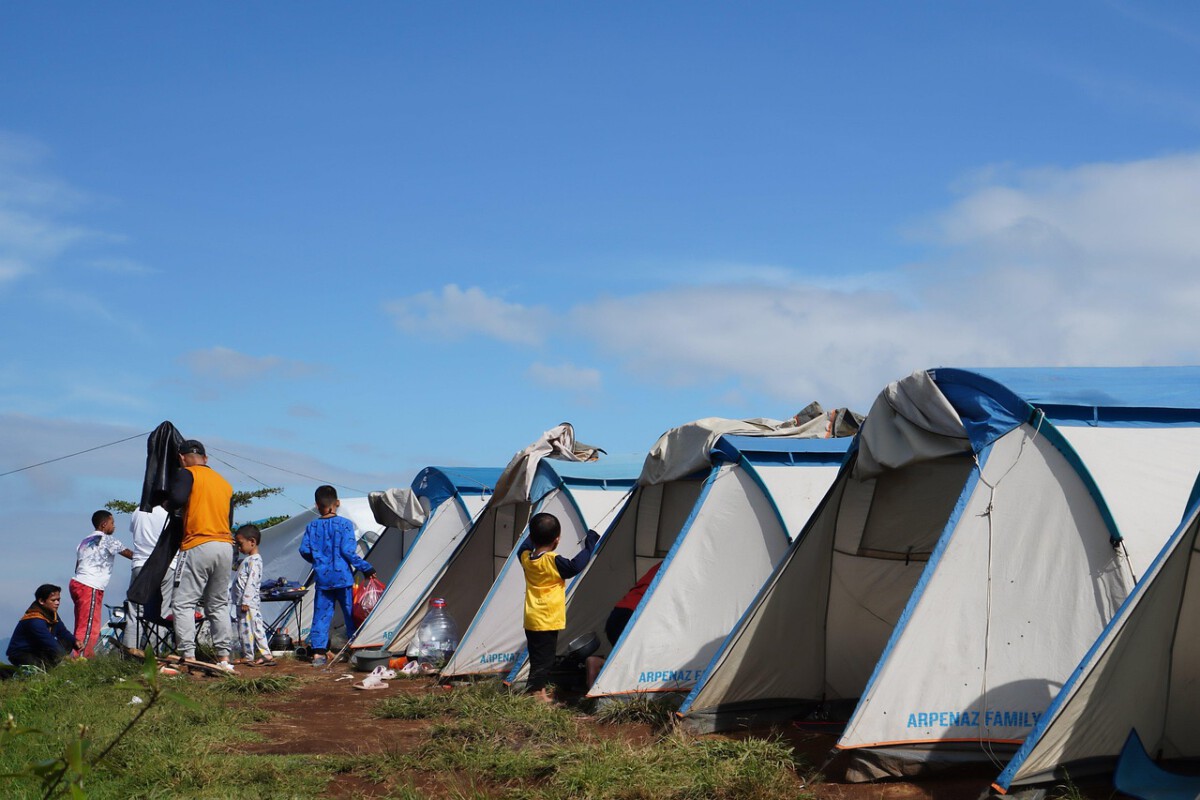


A Surge Unlike Recent Years (Image Credits: Pixabay)
As winter grips the nation, health officials reported a sharp uptick in influenza activity, with the Centers for Disease Control and Prevention estimating 4.6 million cases since the season started.
A Surge Unlike Recent Years
Flu activity accelerated earlier than expected this season, driven by a mutated variant known as H3N2 subclade K. This strain, which first gained traction in Europe and Asia, now dominates cases across the United States. Reports from the CDC highlighted sustained elevations in key indicators, including emergency room visits and hospitalizations. Pediatricians noted particular concern for children, as the virus showed up in younger age groups sooner than in previous winters. The overall trend pointed to one of the busiest starts in over a decade.
Health experts attributed the rapid spread to increased indoor gatherings during colder months and holiday travel. Data from multiple states showed influenza circulating at high levels, with some regions classifying activity as widespread. This variant’s mutations appeared to enhance its transmissibility, complicating efforts to contain outbreaks. Officials urged vigilance, especially as the season typically peaks later in the year.
Key Symptoms to Monitor Closely
Severe respiratory illness marked the onset of this flu season, with symptoms often hitting harder and faster than usual. Common signs included high fever, persistent cough, and body aches that lingered beyond typical recovery times. Fatigue proved especially debilitating, leaving many sidelined for days. In children, watch for rapid breathing or dehydration, which signaled potential complications. Adults reported sore throats and headaches as early warnings.
Distinguishing this strain from other respiratory viruses remained challenging without testing. The CDC recommended prompt medical evaluation for anyone experiencing sudden onset of these symptoms, particularly if they worsened quickly. Early detection helped isolate cases and prevent further spread within communities. Vaccination status played a role in symptom severity, underscoring the importance of annual shots.
Essential Prevention Strategies for Families
Protecting households started with basic hygiene practices that curbed transmission effectively. Frequent handwashing with soap for at least 20 seconds emerged as a frontline defense. Covering coughs and sneezes into elbows, rather than hands, reduced droplet spread in shared spaces. Disinfecting high-touch surfaces like doorknobs and phones became routine in affected areas. Staying home during illness prevented seeding new infections at schools or workplaces.
Vaccination offered the strongest shield against severe outcomes from this variant. The CDC advised getting the flu shot as soon as possible, even mid-season, to build immunity. For high-risk groups, antiviral medications provided an additional layer if symptoms appeared. Combining these measures with mask-wearing in crowded indoor settings lowered exposure risks significantly. Families benefited from stocking up on over-the-counter remedies for symptom relief while consulting doctors for personalized advice.
- Wash hands thoroughly and often.
- Avoid close contact with sick individuals.
- Get vaccinated annually.
- Practice good respiratory etiquette.
- Monitor for early signs and seek care promptly.
Vulnerable Groups Face Heightened Risks
Young children and seniors bore the brunt of this season’s intensity, with emergency visits spiking among these populations. The pediatrician community reported more hospitalizations for kids under five, where dehydration and secondary infections complicated recoveries. Elderly individuals experienced exacerbated chronic conditions, leading to longer hospital stays. Those with weakened immune systems also fared worse against the variant’s aggressive nature.
Public health campaigns targeted these groups with tailored messaging on early intervention. Schools implemented screening protocols to catch outbreaks early, while nursing homes ramped up visitor restrictions. Community clinics offered free vaccinations to bridge access gaps. Tracking local case maps helped families gauge regional threats and adjust routines accordingly.
Key Takeaways
- The H3N2 subclade K variant drives an early, severe flu season with over 4.6 million U.S. cases reported.
- Symptoms like high fever and cough demand quick attention, especially in children and the elderly.
- Vaccination and hygiene remain the most reliable ways to prevent spread and reduce severity.
This flu season’s challenges highlighted the need for proactive health measures amid evolving viral threats. As cases continue to climb, communities that prioritized prevention saw fewer disruptions. Staying informed empowers better decisions for personal and public well-being. What steps are you taking to safeguard your family this winter? Share your thoughts in the comments.