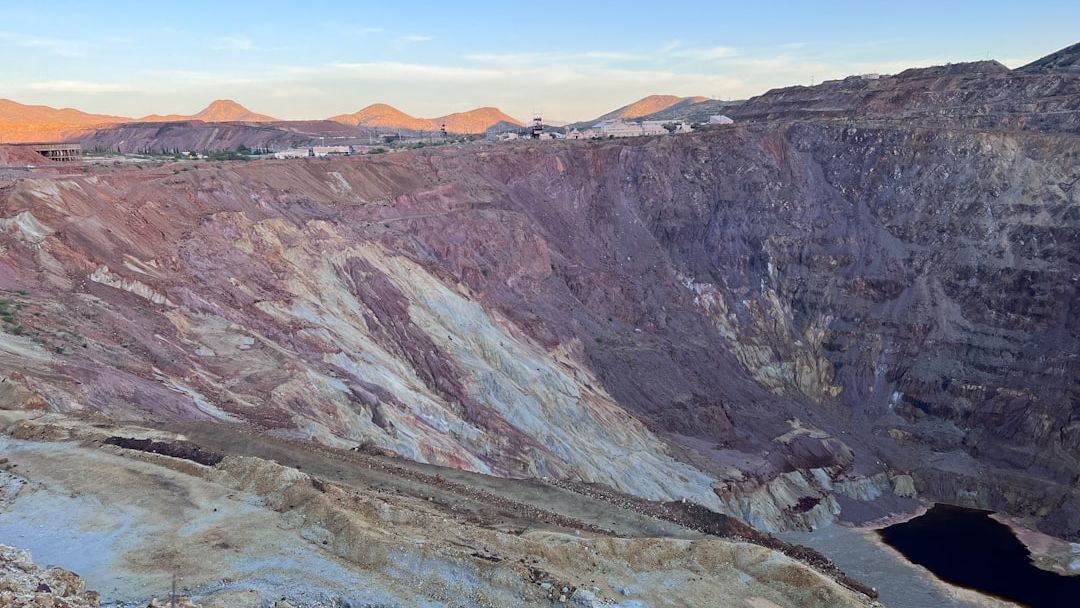

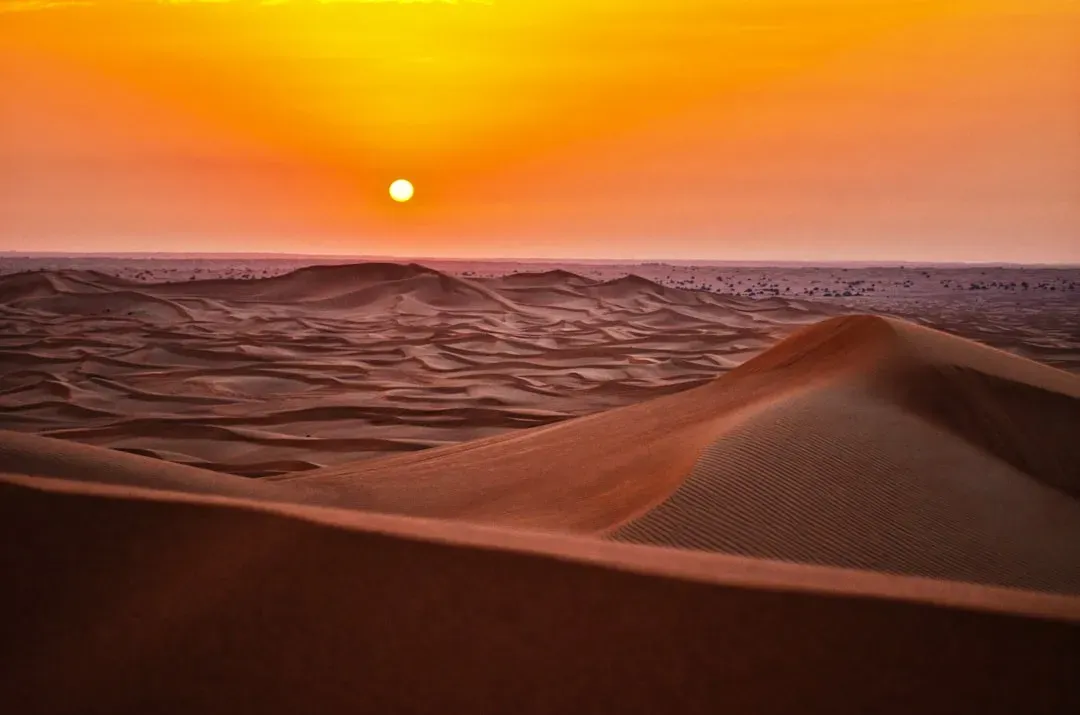
Picture endless dunes and abandoned mineshafts under a relentless sun. These Western desert spots once epitomized faded dreams from mining booms gone bust. Now, they’re pulsing with visitors, artists, and even year-round residents chasing a different kind of gold.
It’s a head-scratcher, right? How do places on the brink flip to hot spots almost overnight? Let’s dive into the four standouts and what sparked their surge.[1]
Terlingua, Texas: From 78 Souls to Desert Darling
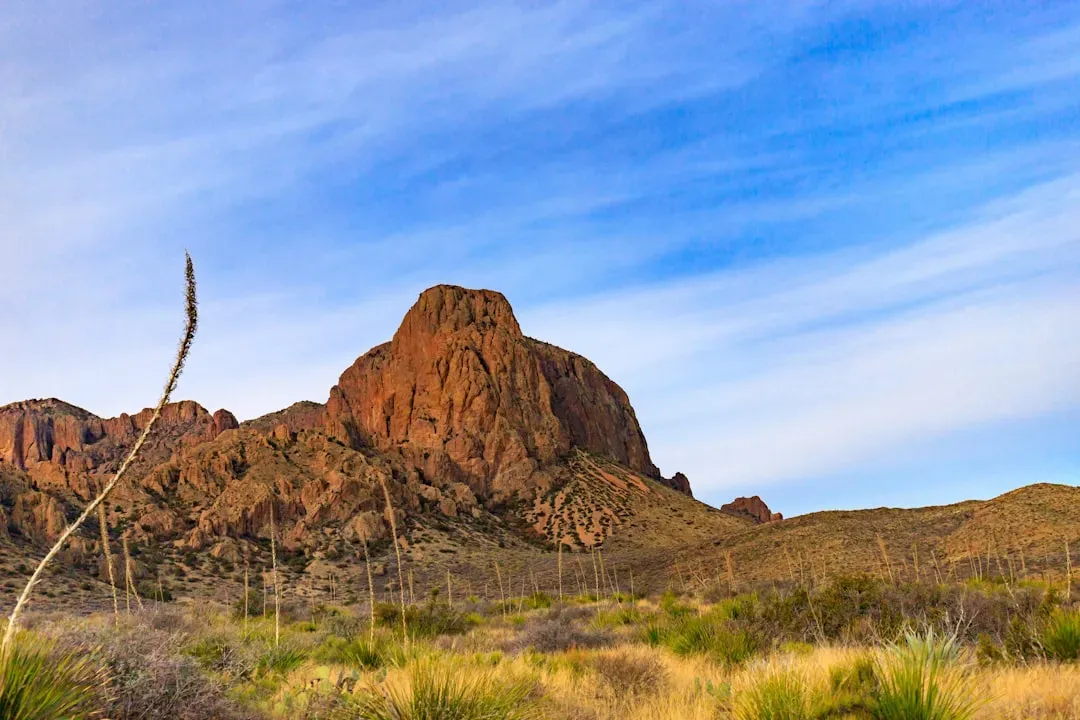
Terlingua sat quiet after its mercury mines closed in the 1940s, population dipping to just 78 by 2020 census figures.[2] Fast forward, and it’s exploding with nearly double that now, projections hitting 170 by 2026 at over 6 percent annual growth.[3] Big Bend National Park visitors flock here for chili cook-offs and starry nights, turning ghost shacks into trendy stays. Honestly, it’s wild seeing RVs replace rusting relics.
Bisbee, Arizona: Copper Ghost Turns Arts Hub
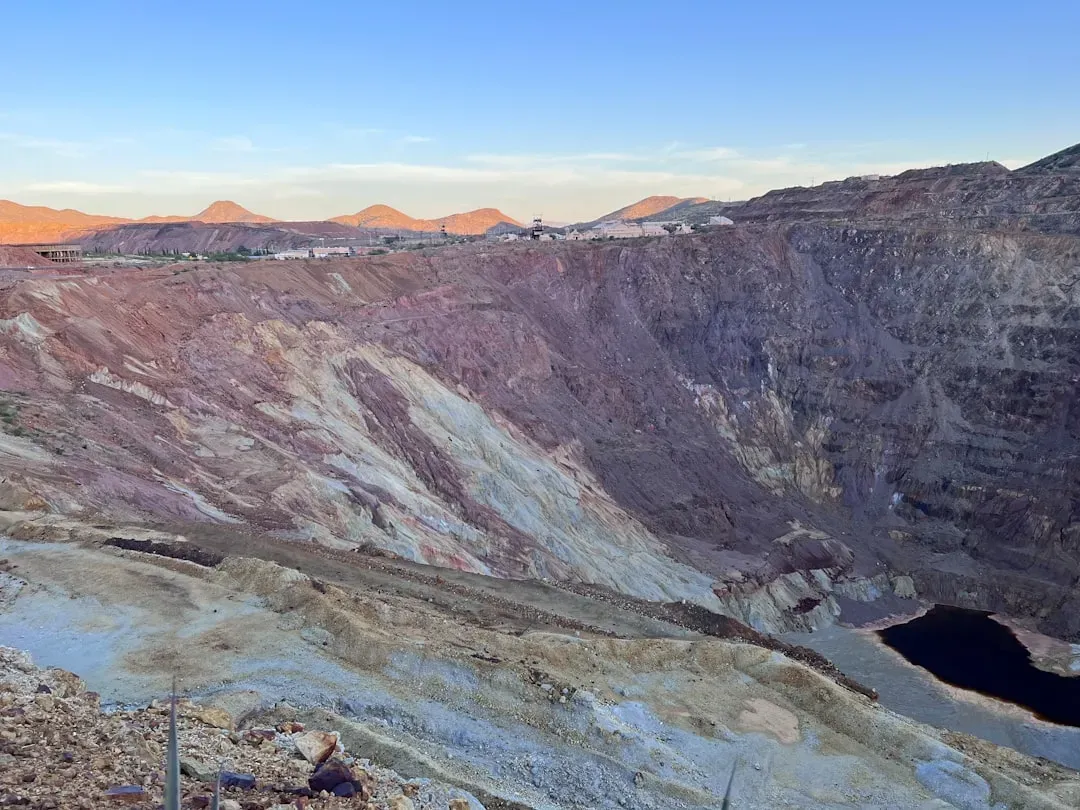
Bisbee boomed with copper in the early 1900s, then faded hard, but holds steady around 5,000 residents today with slight upticks to 4,980 or so.[4] Galleries and quirky shops now fill Victorian buildings, drawing crowds who hike the rugged hills nearby. The vibe shifted from bust to boutique, proving old mines breed new magnets. I mean, who knew hipsters loved haunted history?
Jerome, Arizona: Wickedest Town Rises Again
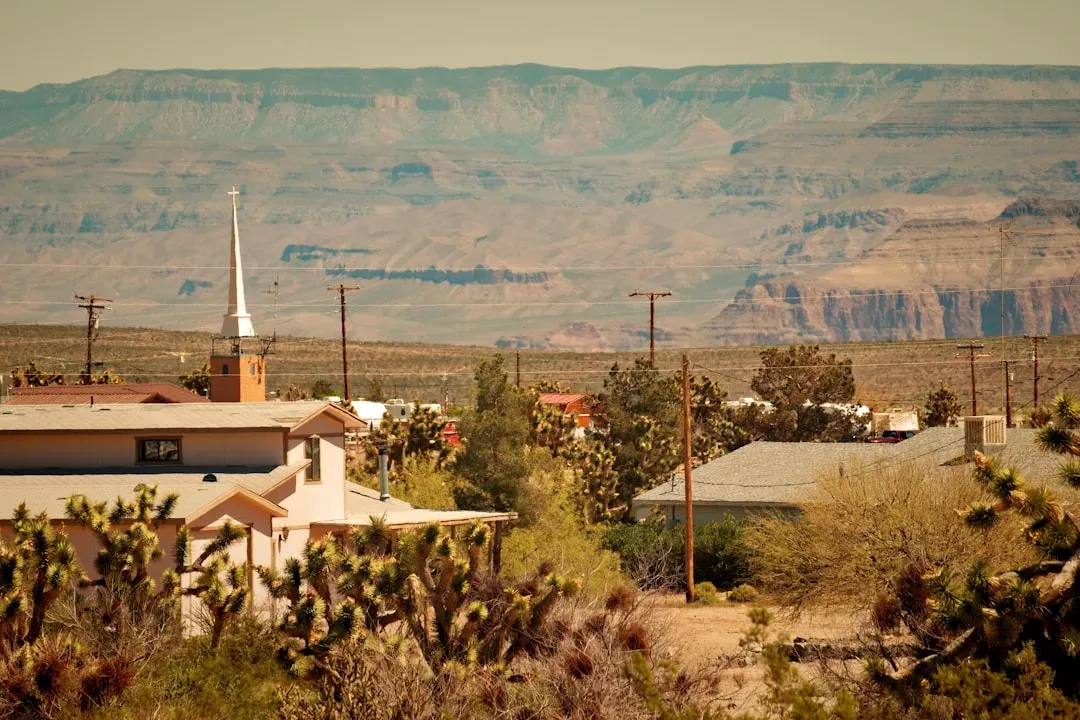
Once home to 10,000 rowdy miners, Jerome slid toward ghost status but clings to about 450 folks amid tourism hype.[5] Perched on a mountainside, it lures art lovers and hikers with views that scream Instagram gold. Fires and slides couldn’t kill it; now bars and B&Bs pack the steep streets. Feels like the town’s got nine lives.
Madrid, New Mexico: Coal Ruins to Creative Colony
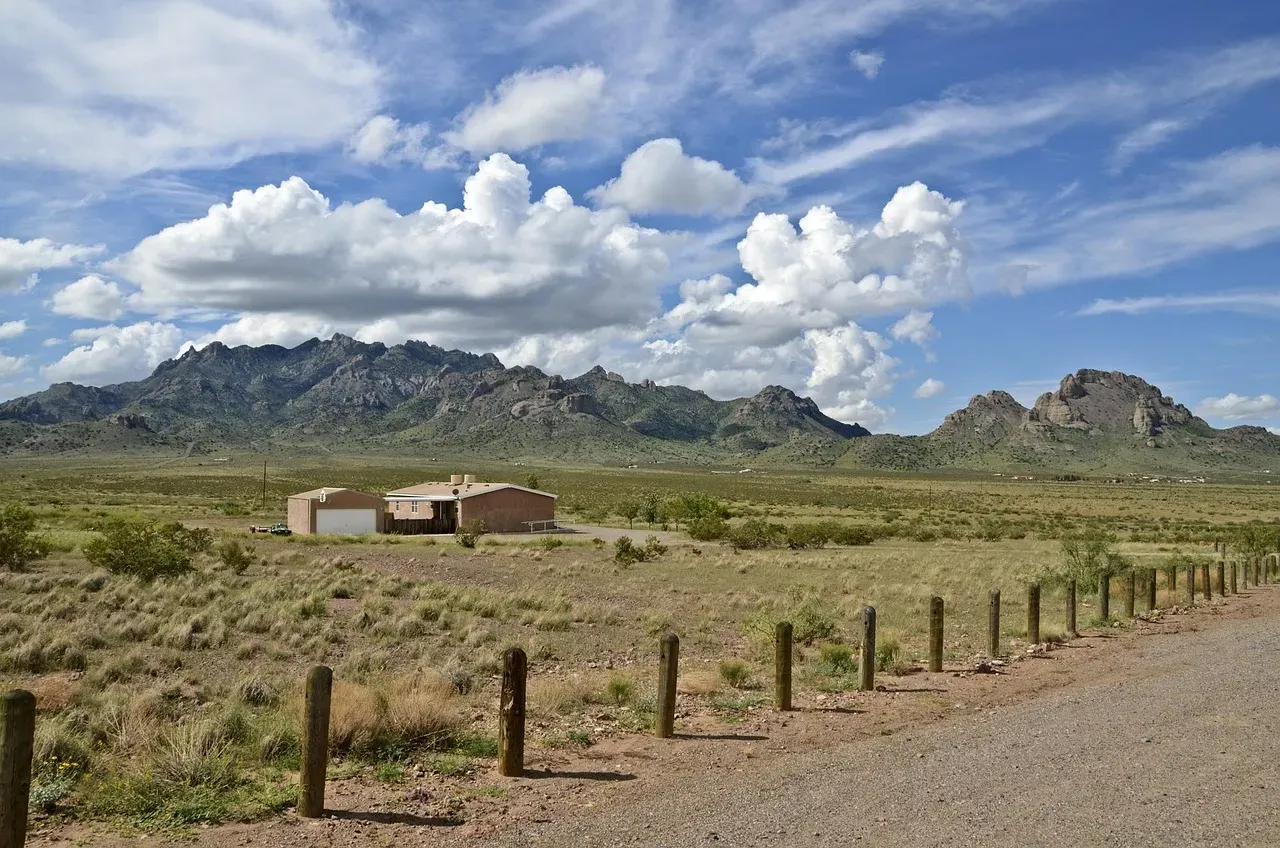
Madrid’s coal era ended mid-century, leaving a near-empty shell until artists revived it, population edging to 292 recently.[6] Turquoise trails and galleries line the old main drag, pulling Santa Fe day-trippers into the desert orbit. It’s small-scale boom, but the energy’s electric amid the piñon pines. Kinda poetic, dust to dreams.
Tourism Tsunami Fuels the Flip
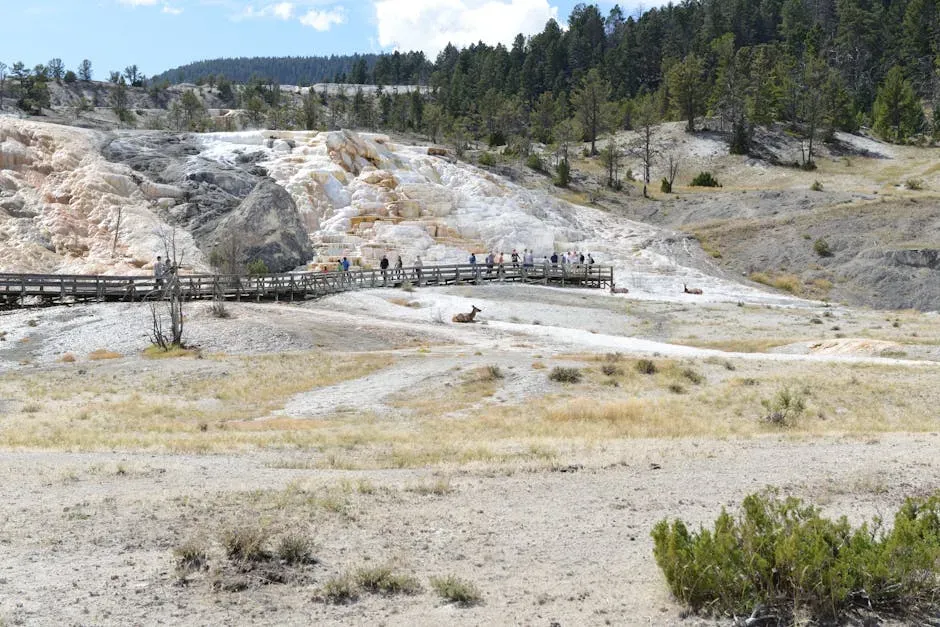
Post-pandemic wanderlust hit deserts hard, with national parks like Big Bend and areas near Joshua Tree seeing record crowds.[7] These towns ride the wave, offering cheap stays and raw adventures big cities can’t match. Visitor spending jumped, propping up local spots from cafes to ghost tours. No wonder empty shells fill up fast.
Remote Work Draws Digital Nomads

Zoom towns popped up in rural West, where fiber optics meet wide-open spaces for laptop warriors.[8] Desert quiet beats urban grind, pulling families who stay months, boosting rentals and groceries. Places like these saw extended stays reshape economies. Let’s be real, starry skies beat traffic any day.
Mining Legacy Lays the Foundation
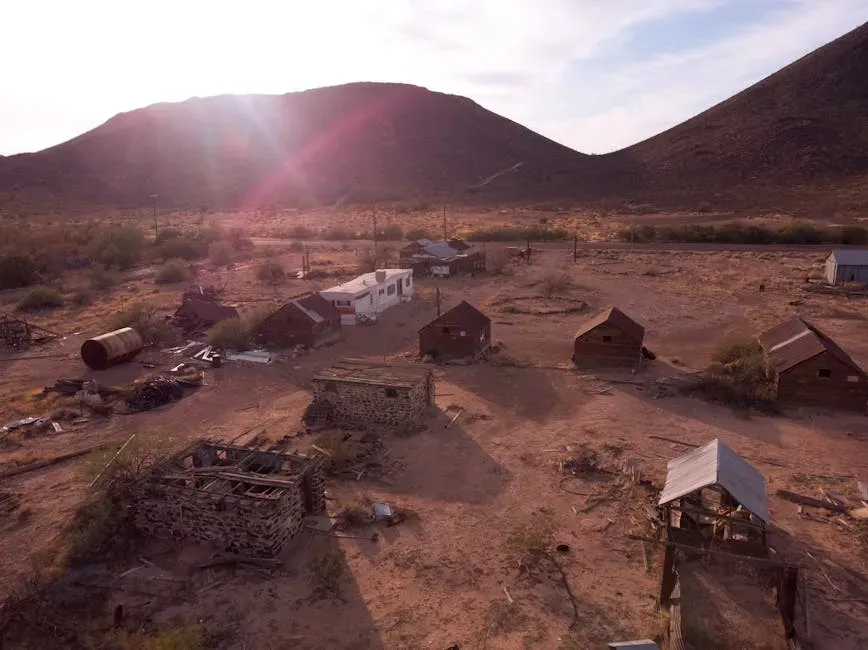
These spots boast intact saloons, jails, and mine shafts that scream Wild West authenticity.[9] Preservation turned liabilities into lures, with festivals and museums keeping history alive. That gritty backdrop hooks history buffs and filmmakers alike. Roots run deep, pulling people back.
Challenges Lurk in the Boom
Rapid influx strains water supplies in arid zones, sparking local gripes over skyrocketing rents.[7] Traffic clogs narrow roads, and not everyone’s thrilled with the tourist takeover. Balancing growth without losing soul takes grit. Still, most see upside in the hustle.
Economic Ripples Spread Wide
Hotels, eateries, and shops sprout where weeds once ruled, creating jobs in hospitality.[10] Local crafts and brews thrive on fresh faces, injecting cash into dusty economies. It’s not just visitors; some plant roots, buying up fixer-uppers. Revival hits the wallet hard.
Future Looks Dusty but Bright
With remote trends sticking and parks expanding access, these enclaves eye steady climbs through 2026.[11] Sustainability pushes like solar power could cement the surge. Who knows, more ghosts might wake up next. Keeps the desert alive, one comeback at a time.