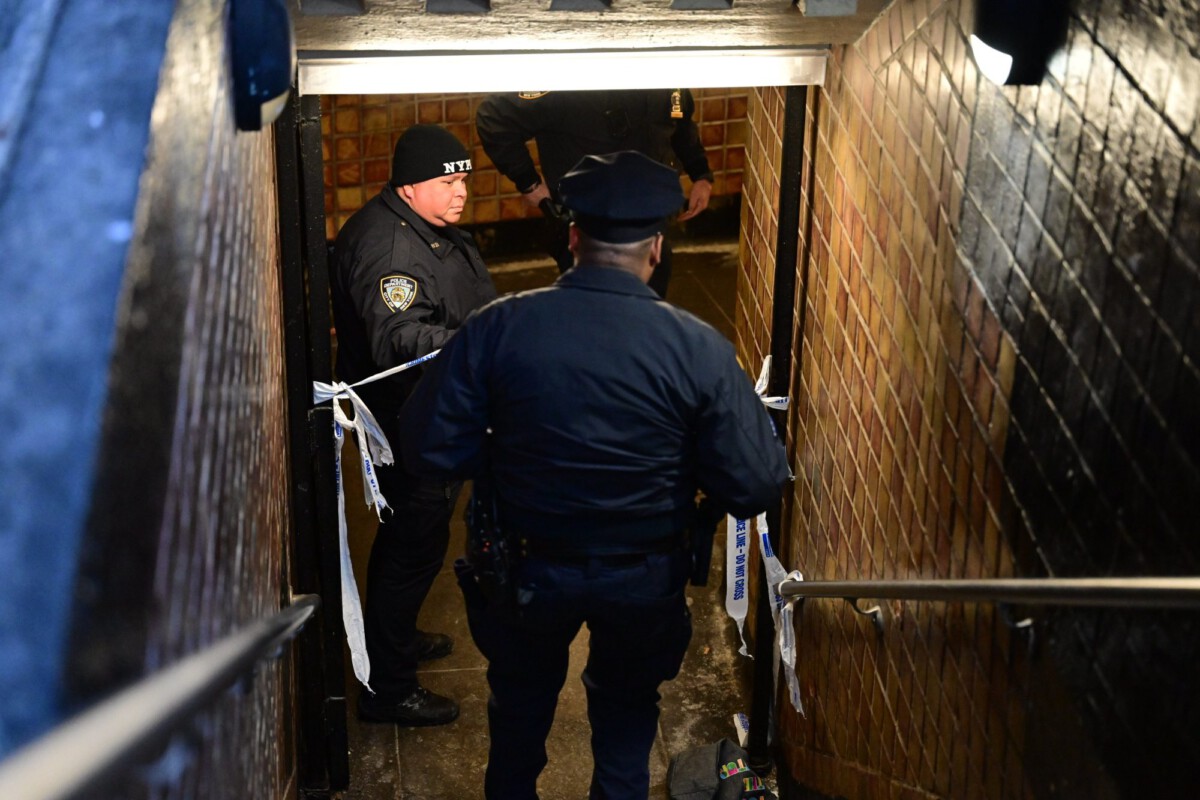


A Trusted Role Turns Deadly (Image Credits: Unsplash)
Georgia – In the shadow of rugged mountains, a faint signal from a medical device cut through the silence of a brutal crime, leading investigators to a body hidden far from home.
A Trusted Role Turns Deadly
Imagine hiring someone to help you recover from a life-altering stroke, only for that trust to shatter in the worst way possible. Melvin Cooksey, a man left partially paralyzed after his health scare, brought in Danetta Knoblauch as his caregiver. She was 37, and he relied on her daily. But what started as routine care ended in unimaginable violence.
Prosecutors laid out a grim picture during the trial. Knoblauch didn’t just fail in her duties; she allegedly attacked Cooksey with a sledgehammer in his Newton County home. The motive? Still murky, but the act was clear – blunt force trauma that ended his life. His home was later found burned, adding layers to the mystery.
The Search Begins with a Vanishing Act
When Cooksey went missing, alarm bells rang immediately. Friends and family noticed his absence, and police launched a frantic search. Knoblauch claimed she hadn’t seen him, but inconsistencies in her story raised red flags. Days turned into weeks, and leads seemed to dry up.
Then came a breakthrough from an unexpected source. Cooksey’s pacemaker, implanted to regulate his heart after the stroke, kept transmitting data even after his death. That tiny device pinged its last signal from a remote spot in the North Georgia mountains, over 130 miles from his home. It was like a digital breadcrumb trail straight to the truth.
Discovery in the Wilderness
Guided by the pacemaker’s location data, authorities ventured into the dense, chilly woods. There, they uncovered Cooksey’s remains, confirming the worst. The isolation of the site suggested a deliberate attempt to hide the crime – far from prying eyes and easy discovery.
Forensic teams worked meticulously, piecing together the timeline. The body showed signs of the savage attack, and evidence linked back to Knoblauch. Her vehicle had been spotted in the area, and other traces tied her to the scene. It was a painstaking process, but the pacemaker’s role proved pivotal.
Trial Revelations and Justice Served
The courtroom in Newton County buzzed with tension as the case unfolded. Knoblauch faced charges of murder, concealing a death, and arson. Witnesses testified to her erratic behavior, and digital evidence sealed the deal. On December 10, 2025, a judge handed down the sentence: life in prison without parole, plus 30 years.
This wasn’t just about one crime; it highlighted vulnerabilities in home care situations. Families often place immense trust in caregivers, yet safeguards can falter. The verdict brought closure to Cooksey’s loved ones, but it left lingering questions about prevention.
Tech’s Double-Edged Sword in Crime Solving
Modern medical tech like pacemakers isn’t just saving lives – it’s solving crimes too. These devices log heart rhythms and locations, turning them into unwitting witnesses. In this case, it bypassed Knoblauch’s attempts to cover her tracks.
Yet, privacy concerns linger. While invaluable here, such data raises debates about who accesses it and when. Law enforcement praised the tool, but experts call for balanced regulations to protect the living while honoring the dead.
Lessons from a Tragic Betrayal
Stories like this remind us how fragile trust can be, especially in intimate caregiving roles. Background checks and monitoring might help, but nothing replaces vigilance. Cooksey’s story, uncovered by his own heartbeat device, underscores tech’s power in the face of evil.
Key takeaways:
- Pacemakers can transmit post-mortem data, aiding investigations.
- Always verify caregiver credentials thoroughly.
- Justice prevailed here, but prevention starts at home.
One final thought: in a world of hidden dangers, sometimes the smallest signals shout the loudest. What steps would you take to protect vulnerable loved ones? Share your thoughts in the comments.