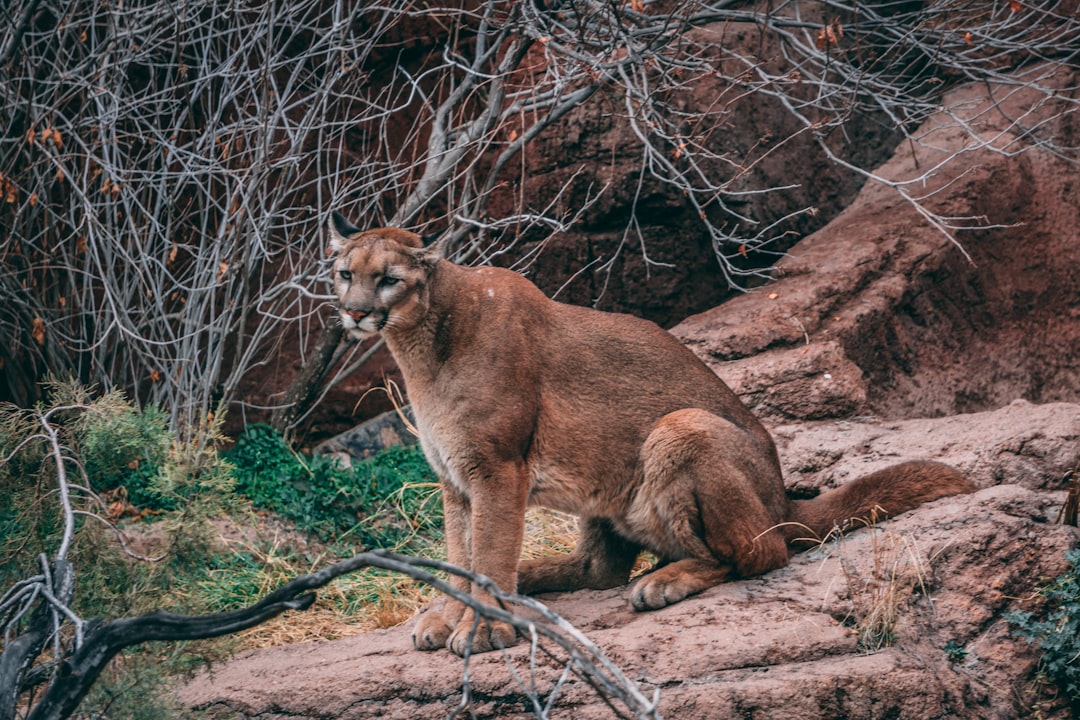


A Startling Wake-Up Call for Wildlife Lovers (Image Credits: Unsplash)
Southern California – In the shadowed canyons where golden light filters through chaparral, these sleek predators navigate a world that’s shrinking faster than anyone imagined.
A Startling Wake-Up Call for Wildlife Lovers
Imagine a creature that’s been prowling these hills for thousands of years, now facing a tipping point. That’s the reality for Southern California’s mountain lions. Recent recommendations from state wildlife officials highlight just how precarious their future has become, pushing for threatened species protections across the region and up the Central Coast.
This isn’t some distant threat; it’s happening right in our backyards. With about 1,400 of these cats roaming fragmented landscapes, the stakes couldn’t be higher. Officials point to a cocktail of human-driven dangers that’s squeezing their numbers and gene pools.
The Roadblocks Literally in Their Path
Freeways slice through their territory like unyielding barriers. Mountain lions need vast spaces to hunt and find mates, but major highways trap them in isolated pockets. One young lion’s epic 30-mile journey across busy roads made headlines, showing the sheer determination – and luck – required to survive.
Without safe passages, inbreeding rises, leading to health issues like heart defects. Wildlife experts have tracked how these concrete jungles are turning natural corridors into dead ends.
Poisons That Lurk in the Shadows
Rodenticides, those common rat poisons, are an invisible killer. Mountain lions eat contaminated prey like coyotes or rabbits, and the toxins build up, causing fatal bleeding or neurological damage. Studies show high levels in many tested animals, underscoring the ripple effect of backyard pest control.
Efforts to ban these chemicals have gained traction, but enforcement lags. It’s a reminder that our choices at home echo through the food chain.
Wildfires: Nature’s Fury Amplified by Climate
Fierce blazes, supercharged by drought and climate change, have scorched prime habitats. The 2018 Woolsey Fire, for instance, forced lions into survival mode, with GPS collars revealing narrow escapes. Yet some didn’t make it, and recovering burned areas takes decades.
These fires don’t just destroy; they displace, pushing cats into riskier human zones. As wildfires intensify, so does the pressure on already stressed populations.
Fragmented Homes and Genetic Bottlenecks
Urban sprawl carves up wild lands into isolated islands. In places like the Santa Monica Mountains, lions form small, inbred groups with limited genetic diversity. This setup mirrors endangered species elsewhere, raising alarms about long-term viability.
Conservationists advocate for wildlife bridges over highways to reconnect these patches. Projects like the one planned over the 101 Freeway could be game-changers, allowing safer movement and healthier lineages.
Steps Forward: Protections and Community Action
The California Department of Fish and Wildlife’s review wraps up years of data, recommending state Endangered Species Act listings. This could unlock funding for habitat restoration and anti-poison measures. It’s a crucial buffer before populations crash.
Local groups are rallying, from trail cams monitoring movements to public education on coexisting with big cats. Simple actions, like securing trash to deter prey animals, help reduce conflicts.
- Support wildlife corridors through petitions and donations.
- Opt for non-toxic pest control in your yard.
- Report sightings to aid tracking efforts.
- Advocate for green belts in urban planning.
- Stay informed via resources from the Los Angeles Times.
Key Takeaways
- Mountain lions face isolation from roads, poisoning, and fires – all tied to human activity.
- Threatened status could spur vital protections and connectivity projects.
- Every resident plays a role in their survival through mindful living.
These majestic animals aren’t just wildlife; they’re a barometer for our environment’s health. Protecting them means safeguarding the wild heart of Southern California for generations. What steps can you take in your neighborhood to help? Share your thoughts in the comments.