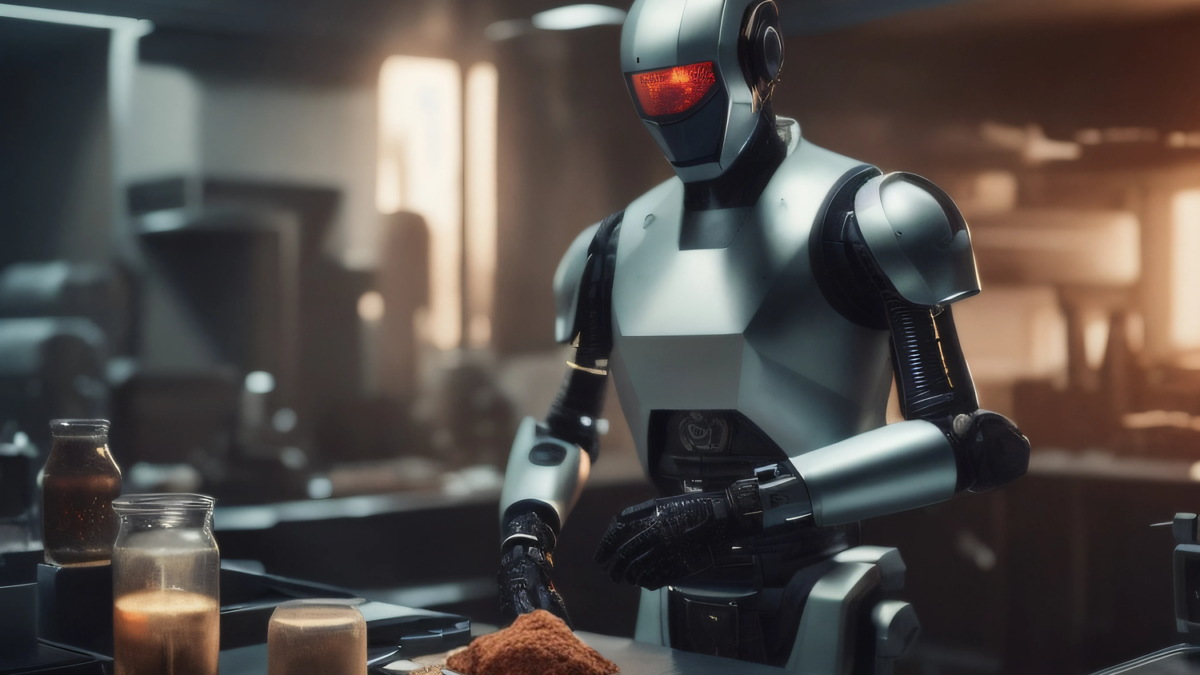

Picture this: you walk into your kitchen after a long day, and there’s a sleek humanoid robot chopping veggies with precision, stirring a pot like a pro chef. Sounds like science fiction, right? Yet companies are pushing these domestic droids closer to reality every year.
From folding laundry to potentially whipping up dinner, the tech is advancing fast. Here’s the thing, though – are everyday folks truly prepared for a robot roommate? Let’s dive into the latest developments shaking up our homes.
Tesla’s Optimus: Everyday Tasks on the Horizon
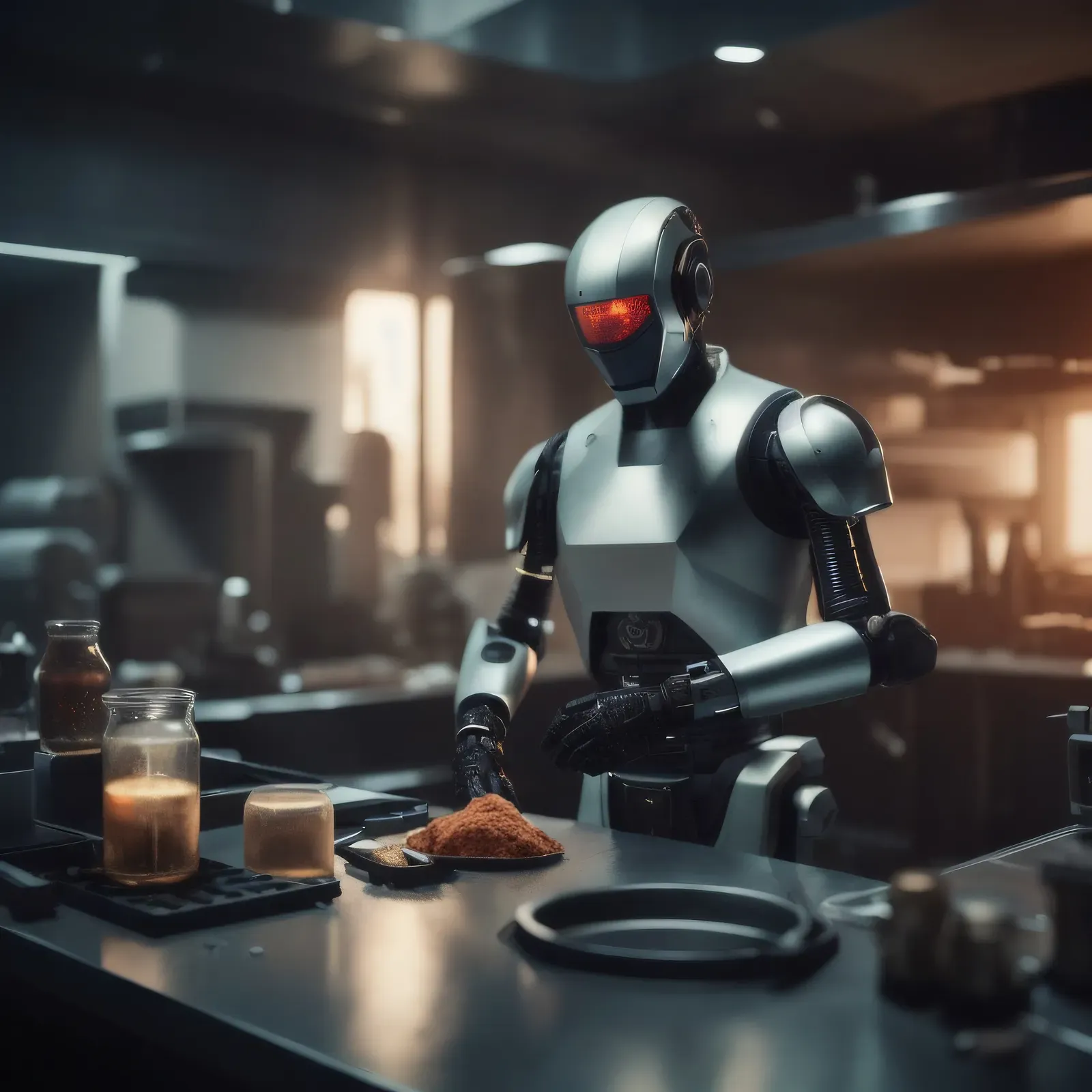
Tesla unveiled major updates to its Optimus humanoid robot in 2024, showcasing its ability to handle repetitive chores that could extend to household support. By 2025, videos emerged of Optimus learning tasks through vision alone, like folding clothes, hinting at kitchen potential down the line. I think it’s wild how quickly it’s evolving from factory floors to family spaces.
Engineers at Tesla emphasize safe, general-purpose use, but real-world kitchen trials remain in early stages. The robot’s bipedal design mimics human movement, making it ideal for navigating tight counters and cabinets. Still, scaling to millions of homes will take time and tweaks.
Figure AI’s Figure 01: Real-World Readiness
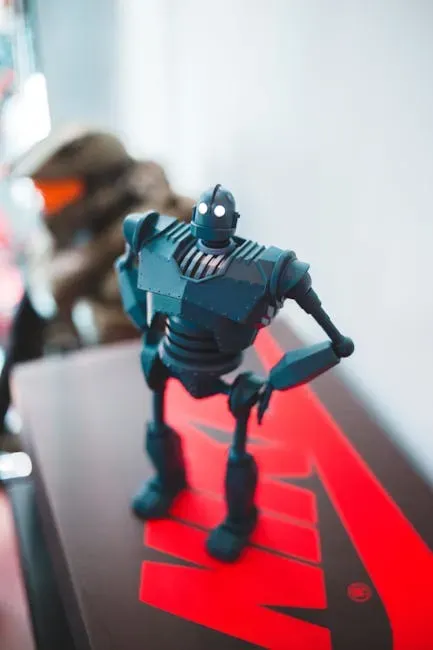
Figure AI launched Figure 01 in 2024, built for dynamic environments like logistics but eyeing domestic settings too. This bot stands out with its AI-driven dexterity, grasping objects in unpredictable ways much like us humans do. Reports from 2025 highlight its progress in manipulation, a key for kitchen duties.
Unlike wheeled helpers, Figure 01 walks upright, promising versatility around the house. The company focuses on collaboration with people, reducing accident risks in shared spaces. Honestly, seeing it handle varied tools makes me wonder if it’ll master recipes soon.
Agility Robotics’ Digit: Warehouse to Home Pilot
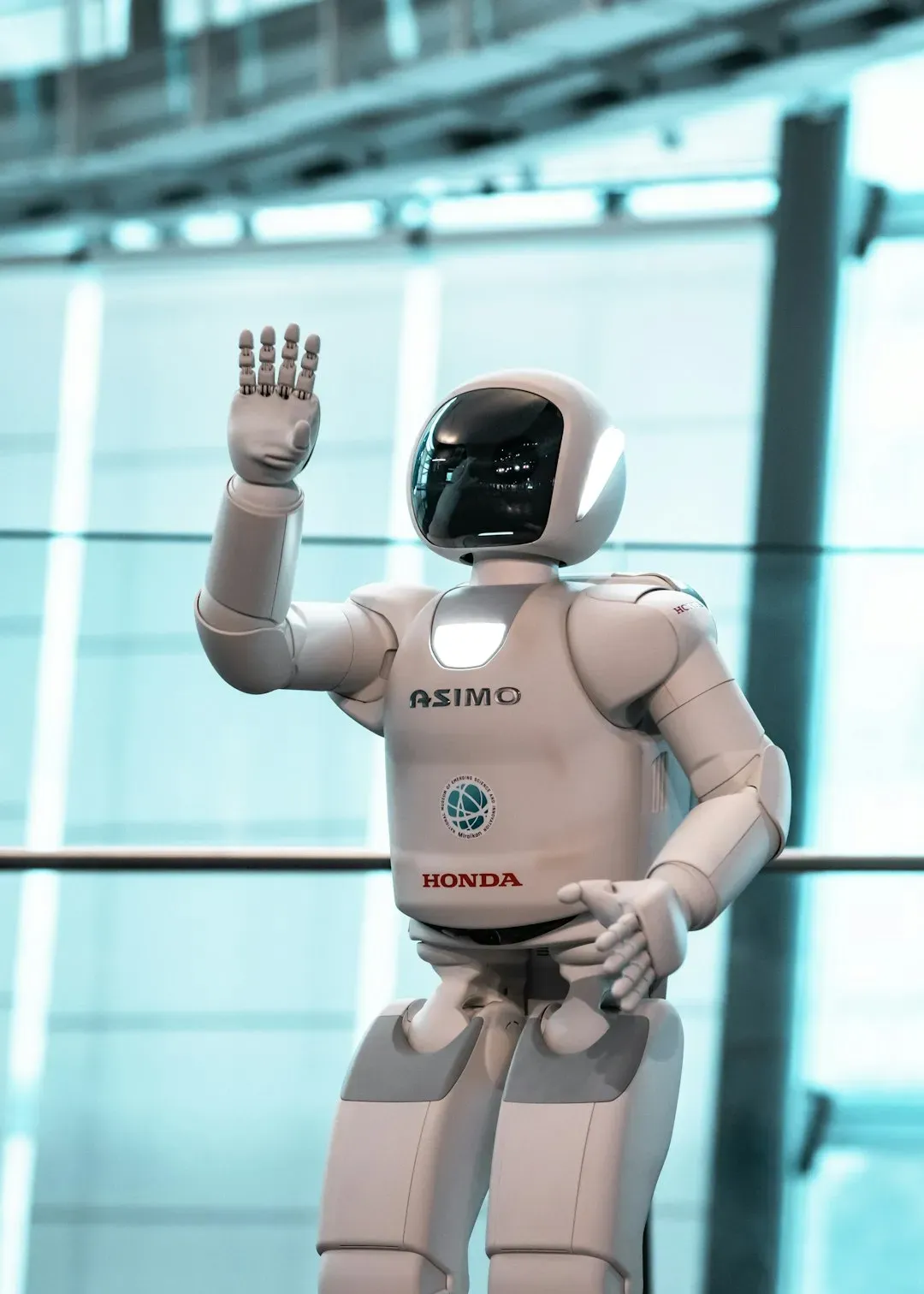
Agility Robotics deployed Digit in warehouses starting 2023, with pilots expanding through 2024 into task automation. This humanoid excels at picking and carrying, skills directly transferable to unloading groceries or pantry stocking. Its lightweight frame helps it squeeze into home-like nooks without hassle.
By 2025, Digit’s real-world data is refining its autonomy for messier scenarios. The shift from industrial to domestic feels inevitable as costs drop. Yet kitchens demand more finesse than boxes on shelves.
Boston Dynamics’ Atlas: Mobility Masterclass
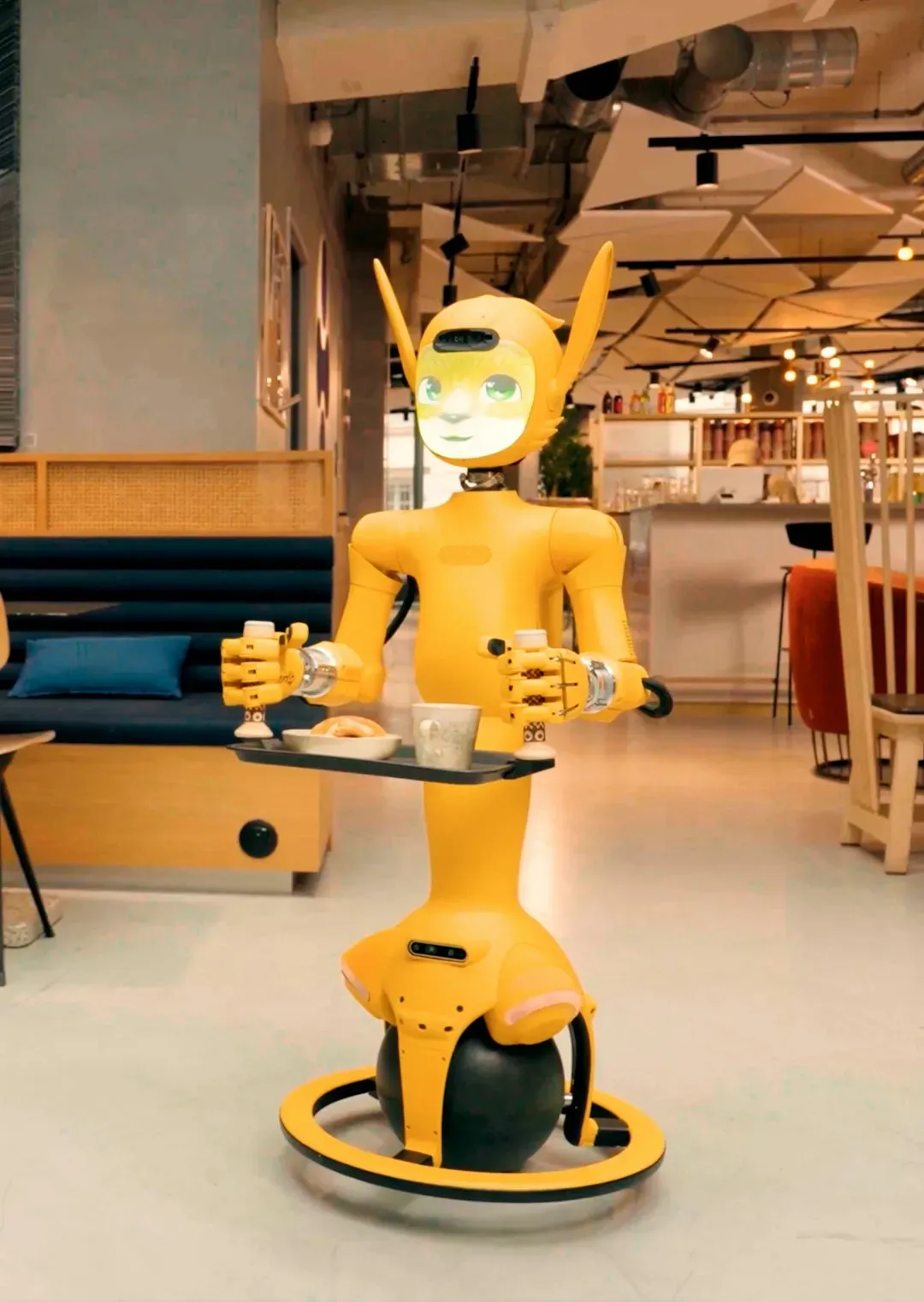
Boston Dynamics kept advancing Atlas through 2024-2025, demoing flips and lifts that scream future chore-handling prowess. Unveiled in production-ready form at CES, it tackles complex maneuvers relevant to cluttered kitchens. The all-electric version boosts endurance for prolonged tasks.
Atlas’s strength lies in dynamic balance, perfect for dodging spills or reaching high shelves. Researchers note its manipulation upgrades address household variability. It’s almost too acrobatic for just cooking, but that’s the point – versatility rules.
Samsung and LG’s CES Home Assistants
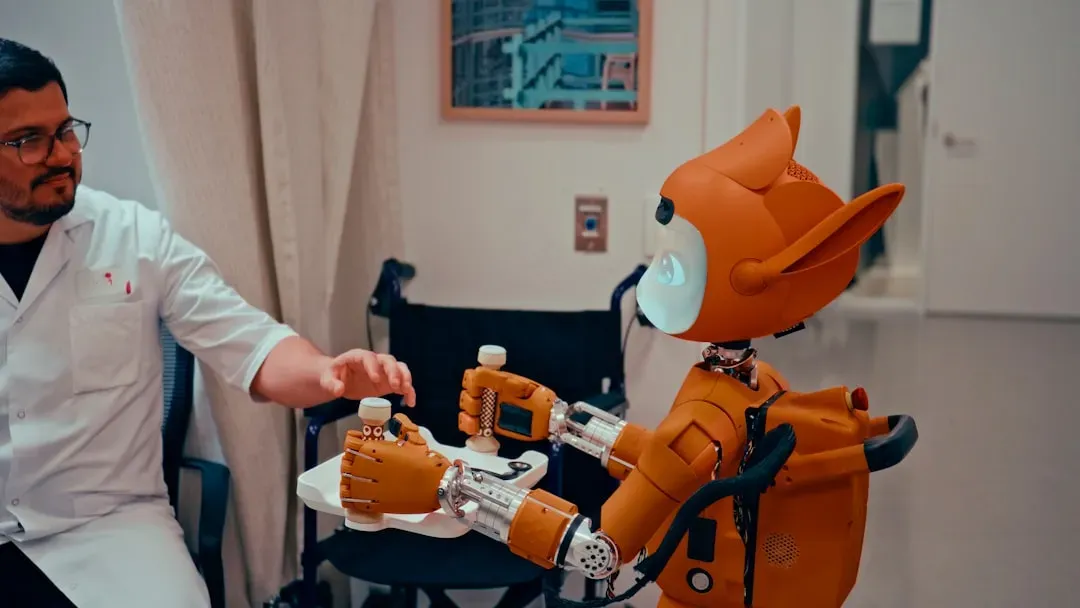
Samsung and LG showcased compact home robots at CES events up to 2025, targeting kitchens and living areas directly. These droids patrol homes, monitor appliances, and even suggest recipes based on fridge scans. They’re more approachable than full humanoids, easing folks into the idea.
Integration with smart ecosystems makes them kitchen sidekicks, handling reminders or basic prep. LG’s models emphasize voice commands for seamless use. Let’s be real, starting small like this builds trust before the big bots arrive.
Robotics Boom: Numbers Don’t Lie
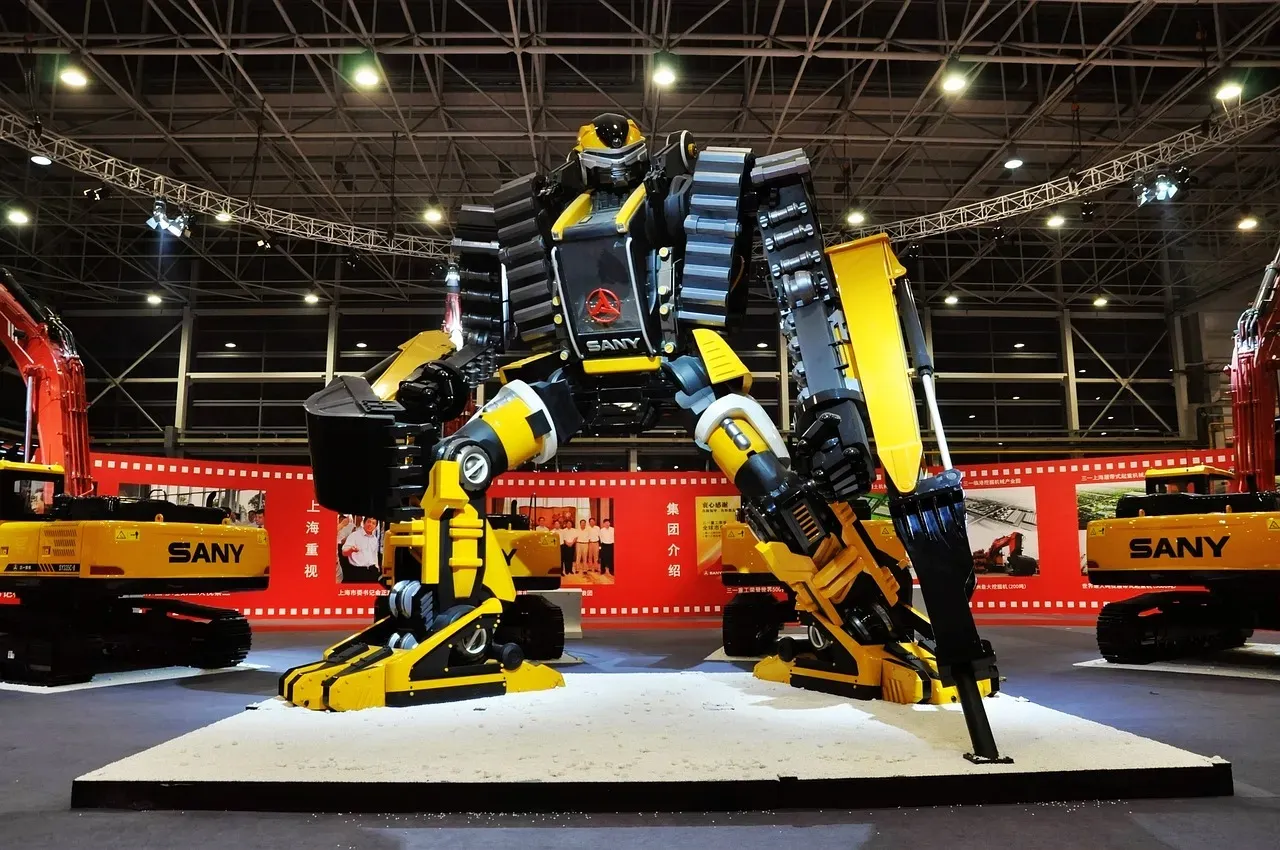
The International Federation of Robotics reported over 500,000 industrial robot installations in 2024, marking four straight years above that threshold, with service bots riding the wave. McKinsey’s 2025 analysis projects AI agents and robots adding trillions to economies by 2030 through automation. The service robotics market alone eyes over $100 billion by decade’s end, per multiple forecasts like Grand View Research.
This surge signals homes next, as tech matures. Global adoption doubled in a decade, per IFR data. It’s exciting, but the pace raises questions about readiness.
Cooking Challenges: The Ultimate Test

Research in journals like Frontiers in Robotics and AI from 2023-2025 stresses manipulation in cooking as notoriously tough due to ingredient variability and safety. Robots struggle with soft foods, precise cuts, or hot surfaces without human-like senses. Papers detail needs for better force feedback and adaptive planning.
Automated systems face high costs and programming hurdles too. Progress in knowledge graphs helps translate recipes to actions. Still, full autonomy feels years away, keeping humans in the chef’s hat for now.
Public Pulse: Mixed Feelings on Droids
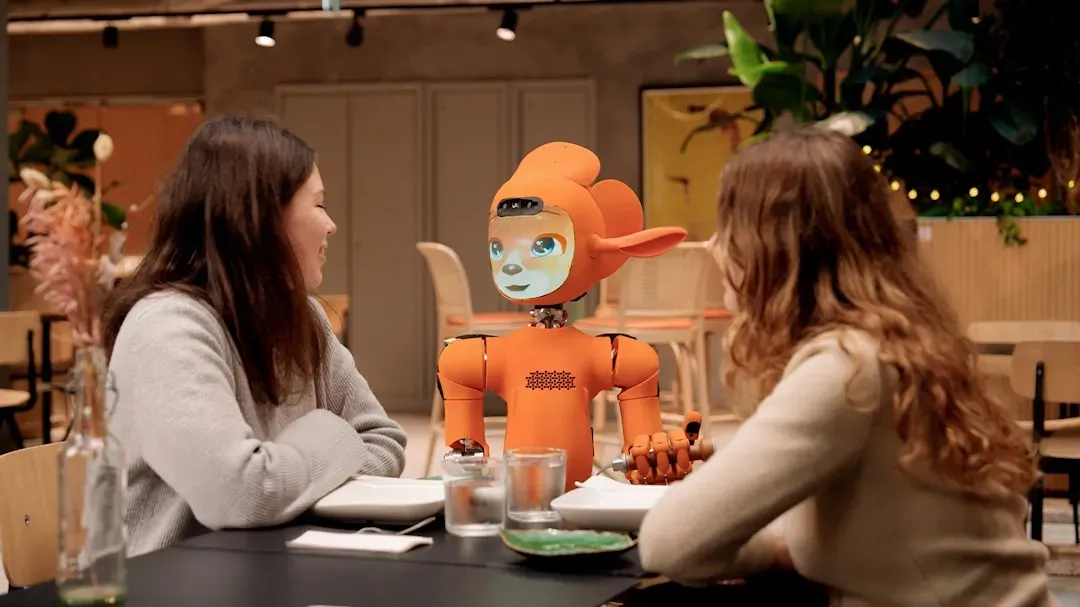
A 2024 Pew Research study captured divided views on robots in daily life, with worries over safety, jobs, and reliability topping lists. By 2025 updates, many express caution about AI in homes, fearing over-reliance or mishaps. Younger folks lean more optimistic, seeing helpers not threats.
Surveys show about six in ten want more control over such tech. Concerns mix with curiosity, especially for elder care angles. Ultimately, trust builds slowly, one demo at a time.