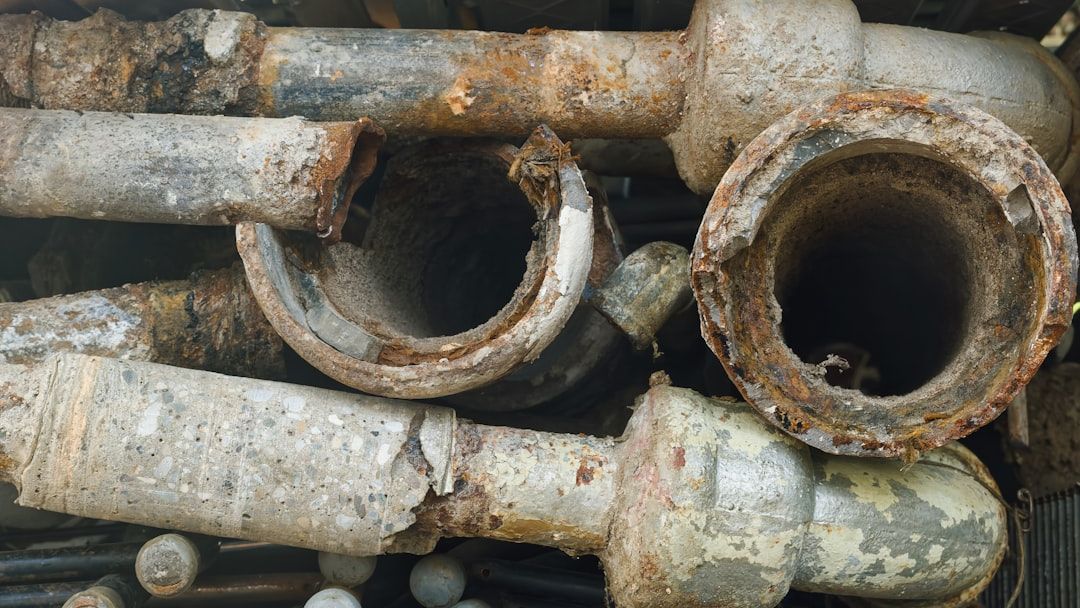

There is something deeply unsettling about turning on your tap, pouring a glass of water, and not actually knowing what is inside it. For millions of Americans in 2026, that unsettling feeling is not paranoia. It is a documented public health emergency hiding in plain sight, beneath the streets of some of the largest and most well-funded cities in the country.
Cities and towns, big and small, across the country have documented where people are drinking through what amounts to a lead straw. In the U.S. today, there are an estimated 9.2 million lead service lines that feed water into homes, schools and other public spaces. The story of how we got here is long and complicated. But the story of what happens next, city by city, is what you really need to read.
1. Chicago, Illinois: The City With the Most Lead Pipes on Earth
Let’s start with the most jaw-dropping case. In Chicago, about 400,000 homes still get their tap water through lead service lines, the pipes that connect individual homes to the main water line. That is not a typo. No other city in the United States comes close to that number.
One recent study in JAMA Pediatrics found that an alarming number of Chicago children, almost 70 percent of those under 6 years old, continue to be exposed to lead-contaminated drinking water. That statistic alone should stop you cold. Despite years of awareness and city programs, the needle has barely moved.
As of July 2024, Lead-Safe Chicago, a city project, reported having replaced just 6,820 service lines across their five programs. To put that in perspective, Chicago aims to fully replace the city’s lead service lines by 2076, which puts the city 30 years behind the timeline mandated by the EPA.
Despite the availability of at least $300 million in unspent loan dollars, the water department failed to send out notifications, as required by both state and federal law, to the vast majority of Chicagoans who are served by lead lines. Those notices were due to be sent by November 2024, but as of early July, the city had only notified 7% of its list. Honestly, that level of inaction is hard to comprehend.
2. Flint, Michigan: The City That Woke America Up
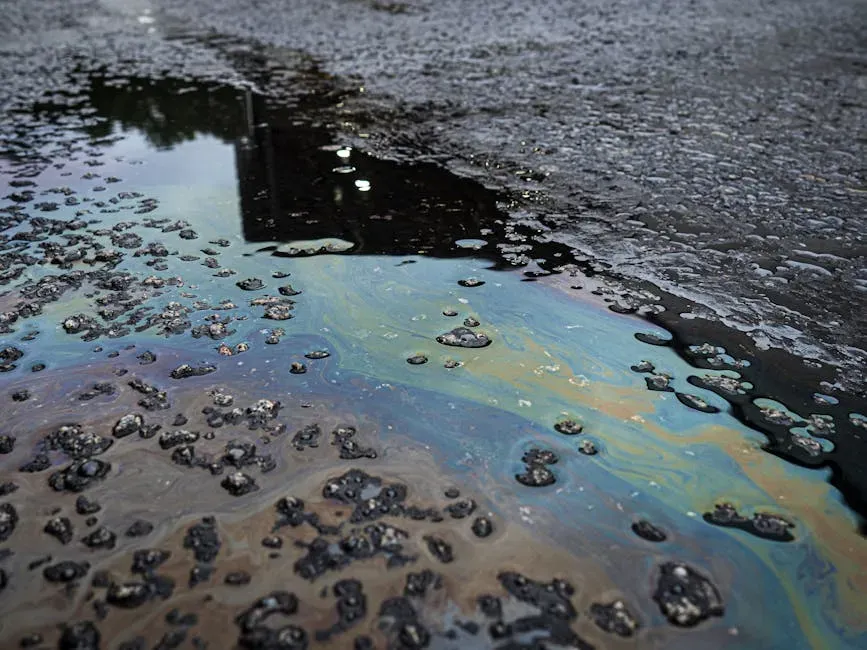
No city in modern American history has come to symbolize lead contamination quite like Flint. In Flint, Michigan, the center of a notorious 2014 water crisis that exposed an estimated 100,000 residents to lead in their drinking water, most of the city’s lead pipes have been replaced, according to a state report released in July 2024. That is genuine progress, and it matters.
Research detected decreases in math scores for schoolchildren and a greater number of special education placements in Flint, even among children living in homes with copper service lines, in the aftermath of the 2014 water crisis. Flint students experienced significant decreases in math achievement scores and an increase in special needs classification in connection with the water crisis, according to a paper published in 2024 in the journal Science Advances.
In Flint, the corrosion-control chemical was not used when the city switched its water supply from Detroit’s system to the Flint River, causing dangerously high levels of toxic metal in the city’s drinking water. That single bureaucratic failure triggered one of the worst public health disasters in modern American history. Long-term health monitoring continues to this day.
3. Milwaukee, Wisconsin: A City Racing Against Its Own History
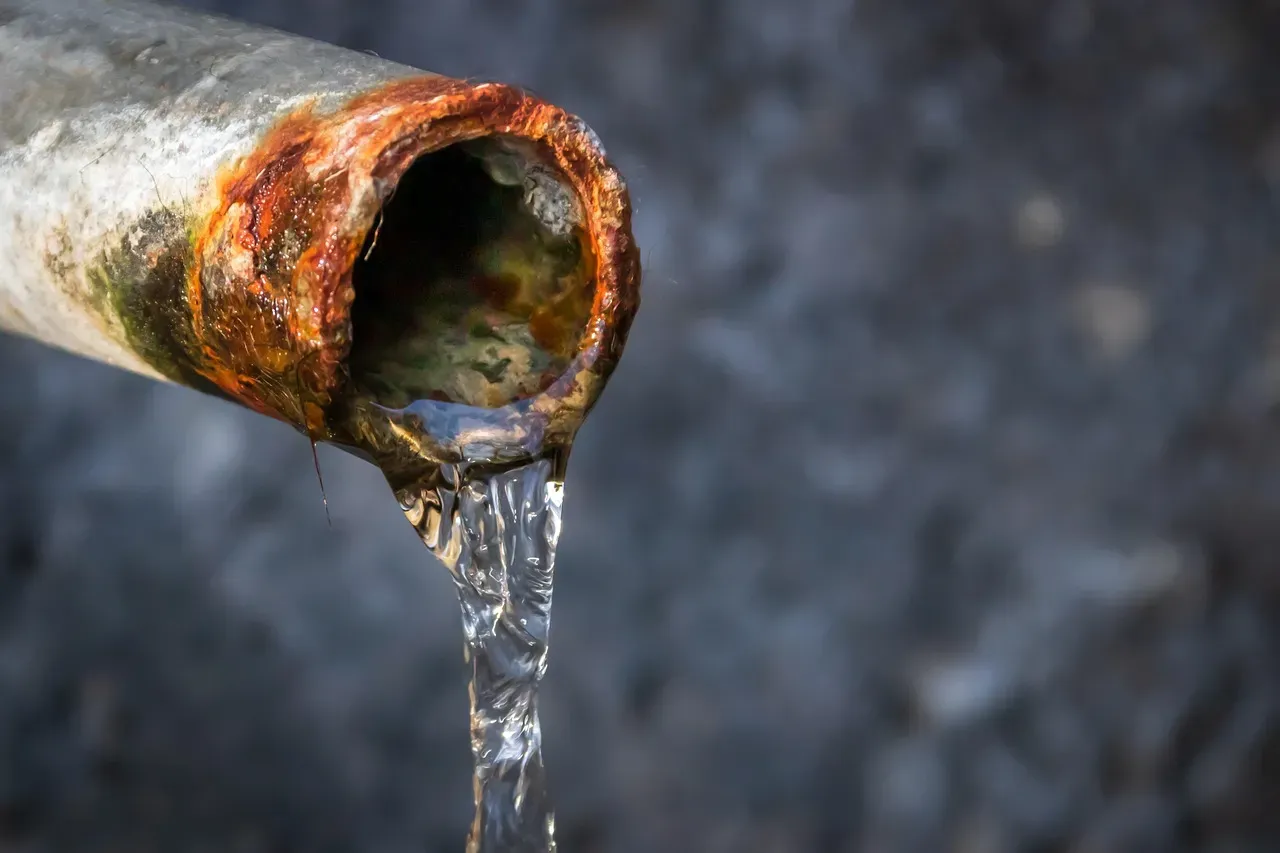
Milwaukee is a city with the fifth-highest number of lead pipes in the nation, according to the EPA. The scale of the problem there is staggering. About 90 miles north of Chicago, Milwaukee officials recently announced that about 10,000 of the city’s residential lead service lines have been replaced, with 65,000 left to go.
Milwaukee Water Works is on track to replace all remaining lead pipes within the EPA’s 10-year timeframe. In 2024 alone, Milwaukee received approximately $30 million in Bipartisan Infrastructure Law funding to replace 3,400 lead service lines. That is a meaningful injection of money, and the city appears to be moving with more urgency than some of its counterparts.
Officials there are using money from the federal infrastructure law to accelerate lead-pipe replacement work and meet a goal to remove all lead pipes within 10 years, down from an initial 60-year timeframe. Going from a 60-year plan to a 10-year plan is remarkable. Still, tens of thousands of families are still waiting.
4. Cleveland, Ohio: A Rust Belt City With a Lead Problem Few Talk About
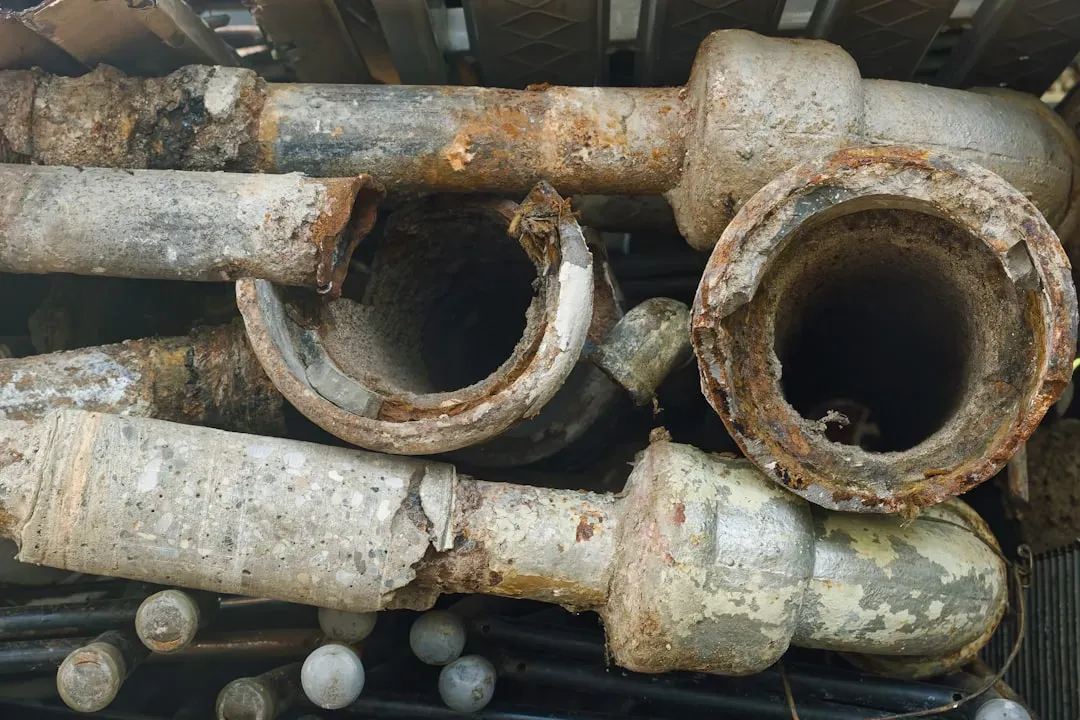
Cleveland rarely makes the national headlines on this issue. It should. Cleveland reports a massive number of pipes with lead, at around 235,000, making it the second-most affected city in the entire country by reported lead service line count, trailing only Chicago.
Ohio is estimated to have 745,061 lead service lines, representing over 8% of all lines in the state, and the state is currently looking to pass a bill that would require all lead service lines to be replaced over the next 15 years. That is a statewide problem, but Cleveland sits at the epicenter of it.
Lead pipes often impact low-income urban areas the most. They are most commonly found in older, industrial parts of the country, including major cities such as Chicago, Cleveland, New York, Detroit and Milwaukee. Cleveland fits that profile precisely. It is an older industrial city where aging infrastructure and limited resources have created a dangerous combination for residents.
5. Detroit, Michigan: Moving Fast, But Starting Late
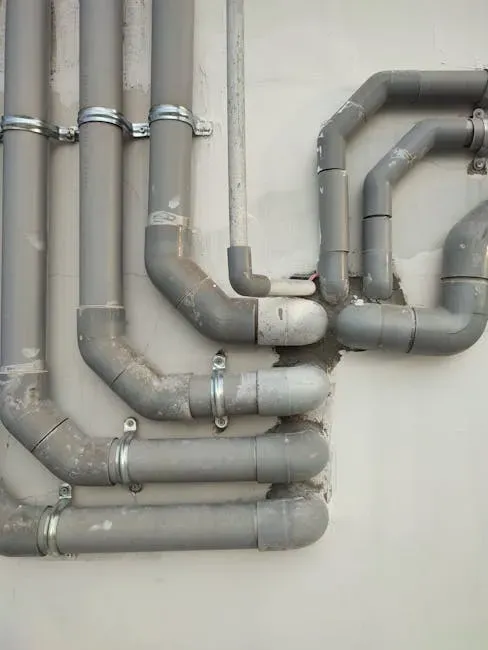
Detroit’s Water and Sewerage Department set a goal of changing out an estimated 80,000 lead lines in the next decade. That is an ambitious target, and to Detroit’s credit, they are actually pursuing it with unusual urgency. The Detroit Water and Sewerage Department received $90 million from the administration and aimed to replace more than 8,000 lead service lines in 2024, putting the city on track to replace all lead pipes in 10 years.
Detroit’s drinking water remains below the lead action level at 9 parts per billion. That is better than many cities. Michigan updated its Lead and Copper Rule in 2018, requiring water systems to complete service line inventories and replace all lead service lines by 2041. Michigan’s approach has been more proactive than most states, though the finish line is still nearly two decades away.
It costs about $9,300 to replace each line in Detroit. Multiply that by 80,000 pipes, and you start to understand why this is such a financial mountain. DWSD is prioritizing replacing lines in areas that have the most density of homes built prior to 1945, with a significant amount of children and seniors in the area or in low-income households. That equity focus is the right instinct, even if the scale of the work is daunting.
6. Washington, D.C.: The Capital City With a Dirty Secret
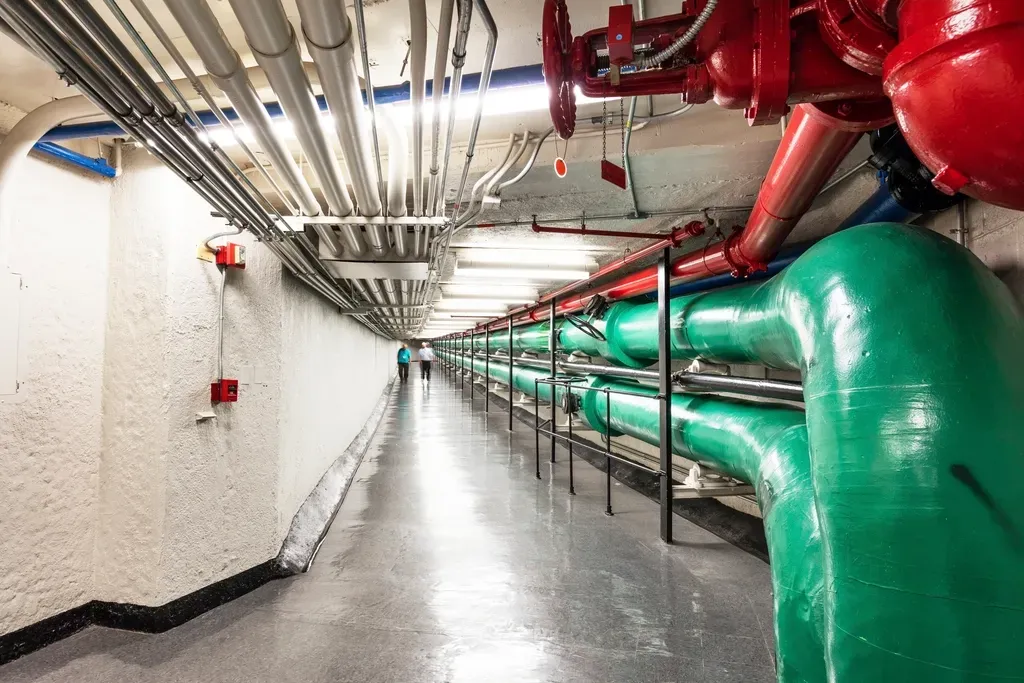
It is almost surreal that the seat of American government has a documented lead pipe crisis of its own. As of October 2024, city officials in Washington, D.C. reported they were still in the process of replacing 35,000 lead service lines. In a city where policy is made and regulations are written, that gap between intention and action is hard to ignore.
When people think of lead contamination in Washington, D.C., they may assume the issue only affects poor communities. But that is far from the truth. It is a citywide crisis that affects everyone in D.C., regardless of neighborhood or income. The pipes do not discriminate based on zip code.
Lead poisoning can cause cognitive impairments, lower IQ, learning disabilities, and behavioral problems. Children who are exposed to lead at a young age are more likely to struggle in school. For a city that prides itself on education and opportunity, allowing this contamination to continue is a contradiction that demands urgent attention.
7. Newark, New Jersey: A Success Story With Unfinished Business
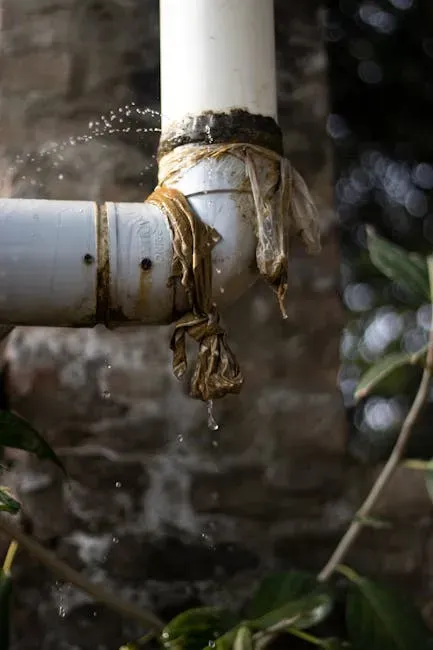
Newark is often held up as a rare American success story in this crisis. The city moved fast, attracted federal attention, and completed one of the fastest lead pipe replacement programs in the country, replacing more than 23,000 lines. Newark and Trenton have been at the forefront of lead service line replacement in New Jersey, and several states and municipalities have made significant progress in planning and executing replacements since replacement programs were announced.
The story is not entirely over, though. Long-term monitoring continues, and residents who lived through the worst years of contamination still carry the health consequences. Lead, a heavy metal used in pipes, paints, ammunition and many other products, is a neurotoxin that can cause a range of disorders from behavioral problems to brain damage. Lead lowers IQ scores in children, stunts their development and increases blood pressure in adults. Those effects do not disappear once the pipes are replaced.
Newark’s pace offers a blueprint for what is possible when political will and funding align. The troubling question, I think, is why more cities have not followed the same model. The knowledge is there. The tools exist. The money has been allocated. Yet the urgency has not spread.
8. Philadelphia, Pennsylvania: Phased Progress in a City of Old Pipes
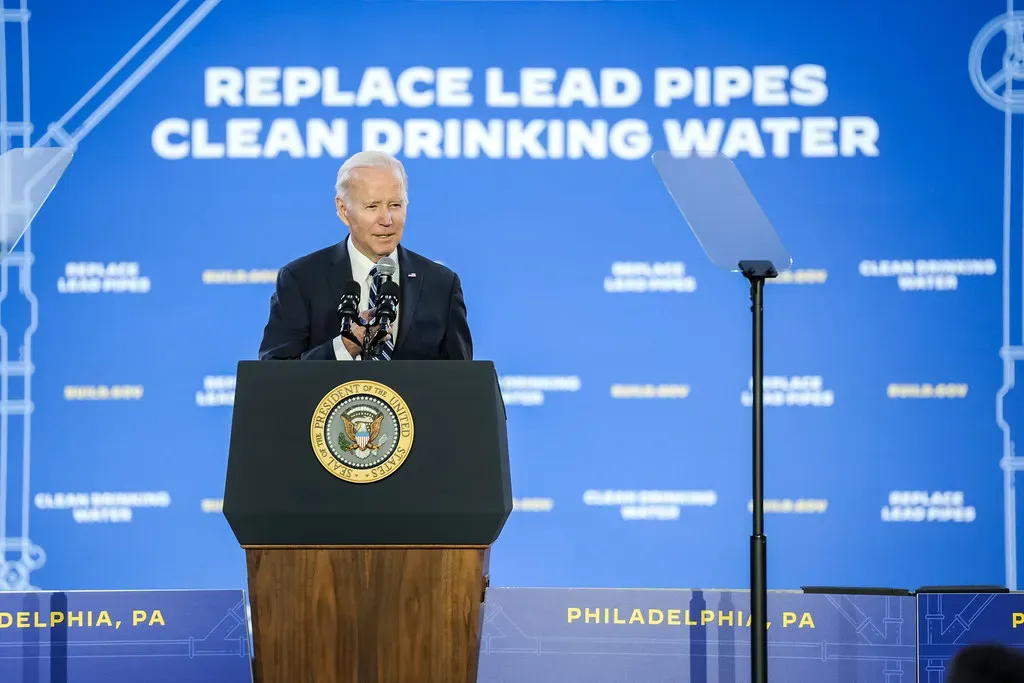
In Pennsylvania, local organizations like the Philadelphia Water Department inform residents on the risks of lead in the water. Philadelphia has identified tens of thousands of properties with potential lead service lines. NRDC data estimates Philadelphia has around 25,000 known lead pipes.
The city continues phased replacement programs funded partly by federal infrastructure money. Pittsburgh, nearby in the same state, is on track to replace all lead service lines by 2027, with the highest replacement record in the country after hitting its 12,000th replaced line in December 2024 since the program began in 2017. Philadelphia’s progress, however, has been slower and more fragmented.
Records of lead service line locations are few and far between, creating a huge gap in data, and many communities do not have the resources to maintain underground infrastructure. Access to private property can complicate matters. While utilities typically own the service line between the main and curb stop or meter, customers own the portion on their property. This means utilities need owners’ permission to find and replace lead service lines. That friction slows everything down.
9. Benton Harbor, Michigan: A Small City With a Giant Crisis
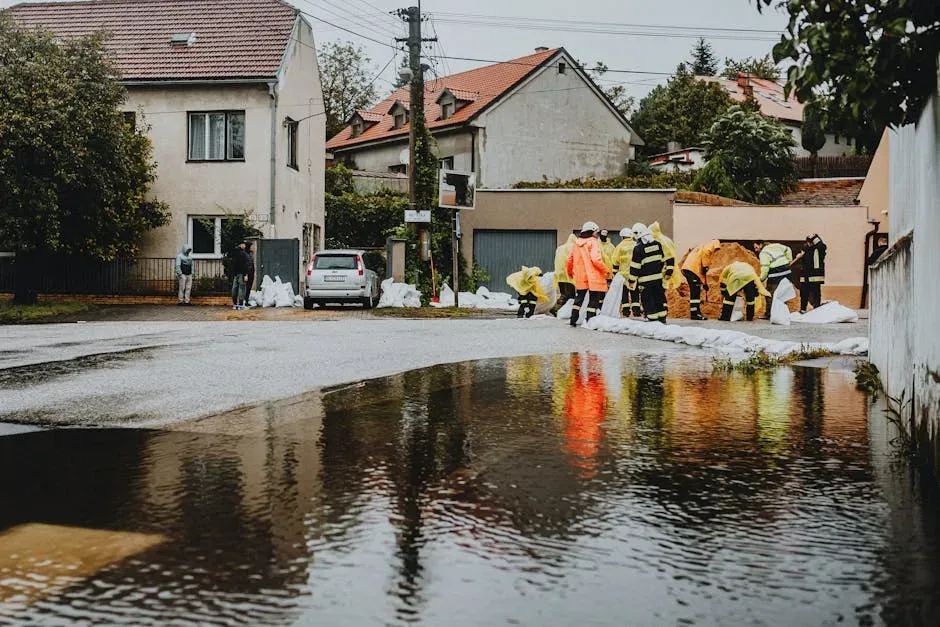
Benton Harbor, Michigan, has been among numerous cities that have struggled with stubbornly high levels of lead. Unlike the sprawling scale of Chicago or Cleveland, Benton Harbor is a smaller community, which makes its story even more alarming. When a small, low-income city cannot access safe drinking water in 2026, it exposes something deeply broken about how this country prioritizes public health.
High lead levels have been found in tap water in Baltimore, Maryland; Buffalo, New York; Benton Harbor, Michigan; Chicago, Illinois; Milwaukee, Wisconsin; Newark, New Jersey; New York City and Syracuse, New York; Pittsburgh, Pennsylvania; and Washington, D.C. The geography of this crisis stretches far and wide, touching communities of every size.
Benton Harbor’s crisis also highlighted something the NRDC has been warning about for years. Lead service lines are more common in historically underserved communities, putting residents at higher risk for health concerns like kidney disease, reproductive problems, and child development issues. The zip code you are born into, it turns out, can determine what flows out of your tap.
10. New York City, New York: The Hidden Crisis in the World’s Most Watched City
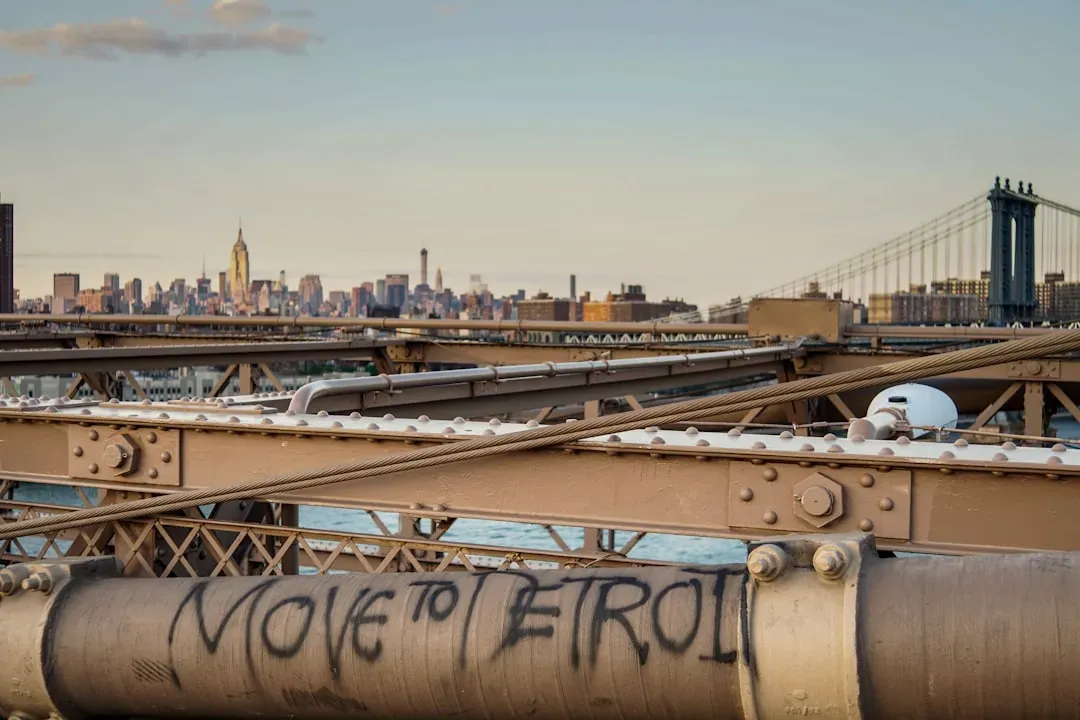
Most people assume that New York City, with its enormous budget and world-class infrastructure reputation, has clean water. Technically, the city’s water supply is considered good at the source. The danger, as always, is in the pipes that bring it to your home. New York City reports around 112,000 known lead service lines, making it one of the most affected large cities in the nation.
New York City has large numbers of service lines of unknown material that may be lead, meaning the full count is likely an underestimate. That ambiguity is alarming. You simply cannot fix what you cannot find, and when millions of people live in aging brownstones and prewar apartment buildings, the true scope of the problem may be far larger than the official numbers suggest.
Between 1900 and 1950, a majority of America’s largest cities installed lead water pipes. Some cities even mandated them, often in response to an industry campaign to enact rules requiring lead pipes. Because these pipes can last 75 to 100 years or more, their legacy lives on today. New York City, built largely in that exact era, is living proof of that legacy.
The Bigger Picture: Money, Policy, and What Comes Next
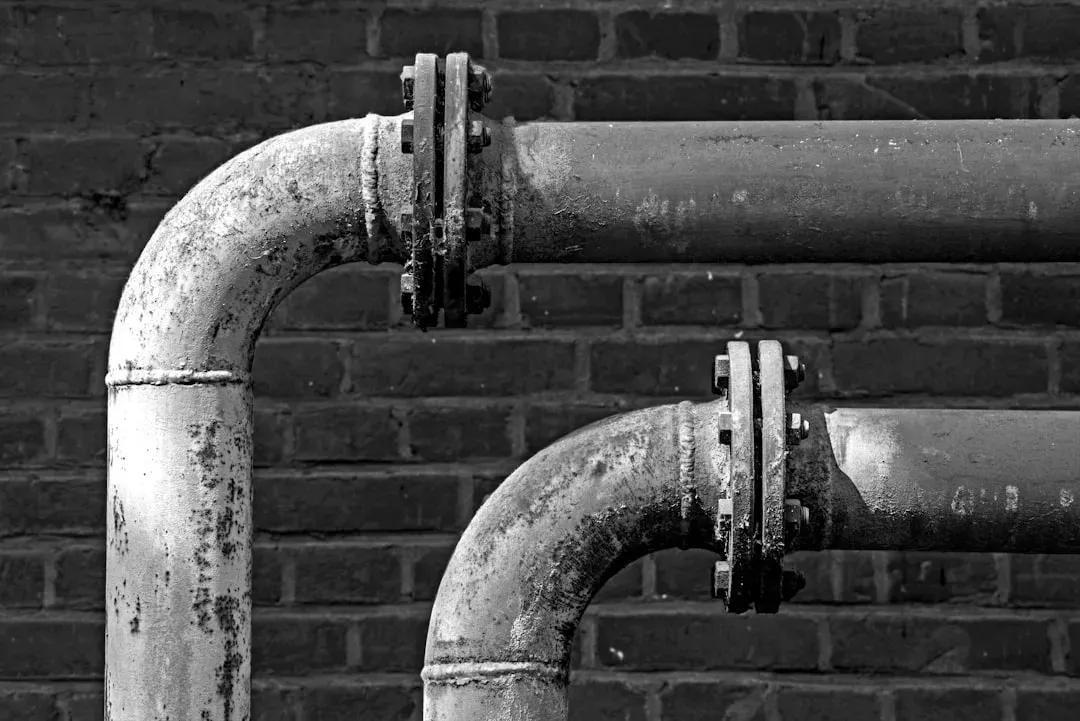
In October 2024, the EPA issued a final ruling that all lead pipes must be removed within the next ten years. So, by 2034, there should be no more lead drinking water pipes in the United States. That is the law on paper. Reality, as always, is messier.
President Trump has ordered the Environmental Protection Agency to block hundreds of millions in federal funding to states, complicating efforts to replace lead pipes and slowing the response to this crisis. While the $15 billion is a significant down payment toward eradicating lead pipes across America, these dollars will not be enough to fully solve the problem. Experts estimate the true cost could run between $45 and $60 billion nationwide.
Nearly 22 million people across all 50 states still drink water through lead pipes. These are not faceless statistics. They are children, seniors, pregnant women, and families who turn on the tap every day and trust that what comes out will not hurt them. When plumbing pipes and fixtures containing lead corrode, the lead can dissolve or flake into the water that flows from our faucets. You cannot see, smell, or taste lead, so even water that runs clear can contain it.
The lead pipe crisis is one of those problems that is hiding in plain sight, literally buried underground in the streets of cities that consider themselves modern. Rules have been passed. Funding has been allocated. Headlines have been written. Yet the pipes remain. The question worth sitting with is this: if we know the danger, if we have the science, and if we have at least some of the money, what exactly are we waiting for?
What do you think about how your city is handling the lead pipe crisis? Tell us in the comments.