
There is something deeply unsettling about the idea that every glass of tap water you pour might come with a side of invisible plastic particles. Not a speck you can see. Not a taste you’d notice. Just thousands of microscopic fragments, quietly entering your body with every sip. It sounds like the plot of a bad sci-fi movie, honestly. Yet here we are, in 2026, watching scientists and regulators race to understand just how widespread this crisis has become.
The truth is, microplastics are now officially everywhere. They have been found in human blood, breast milk, placentas, and even brain tissue. The water we trust most – the water that comes right out of our kitchen faucets – is at the center of this story. One state, in particular, keeps showing up in the data in a way that is genuinely hard to ignore. Let’s dive in.
When ‘Clean’ Water Isn’t Clean: The Shocking Scale of the Problem
Most of us grew up assuming tap water in America was safe. Regulated. Tested. Reassuring. That assumption needs a serious update. Researchers have found that 94% of U.S. tap water samples contained plastic particles. Let that sink in for a second. That’s not a fringe finding from one small lab – it’s a pattern repeated across dozens of independent studies.
Up to 83% of tap water worldwide has been found to contain microplastics. The United States consistently ranks among the countries with some of the highest detection rates. Up to 9.24 particles per litre of tap water have been detected in countries such as the United States. That number sounds small until you think about how many liters you drink in a year.
Microplastic concentrations in drinking water vary significantly across countries and regions, influenced by diverse factors such as the efficiency of water treatment plants, the level of pollution in water sources, and the condition of transportation pipelines. In other words, where you live matters enormously. Some water systems are far more contaminated than others, which is exactly why certain states have become focal points for growing public alarm.
Michigan and the Great Lakes: Ground Zero for Microplastic Contamination

If you had to point to one state on the map where the microplastic problem is most visually and scientifically documented, Michigan makes an almost unavoidable case. The contamination threatens the 300,000 jobs the Great Lakes support, their ecosystem of over 3,500 species of plants and animals, and the drinking water supply of more than 40 million people. That’s a staggering number of people potentially exposed.
A University of Toronto study revealed that 90% of water samples from the Great Lakes contain unsafe levels of microplastics. Ninety percent. Think about a room of ten people and imagine nine of them drinking contaminated water without even knowing it. An estimated 22 million pounds of plastic enter the Great Lakes every year, and a study of three Lake Michigan tributaries discovered that 85 percent of the fish sampled had microplastics in their digestive tracts.
From microplastic pollution to contaminated drinking water in Flint, PFAS contamination around the state, algae blooms in Lake Erie, failing septic systems and erosion, Michigan has its hands full. The scale of compounding water quality issues in this state is, frankly, alarming – and it’s not getting easier to dismiss.
The Nanoplastic Revelation: When Particles Get Too Small to Comprehend
Here’s the thing about microplastics: the smaller they are, the more dangerous they may be. Microplastics are tiny, often microscopic plastic particles less than 5 millimeters in size, or less than the width of a paperclip. Nanoplastics are even smaller at less than 1 micrometer, capable of breaching cell membranes and accumulating in living tissue. We’re talking about particles small enough to slip past the biological barriers your body uses to protect itself.
Bottled water is one of the worst offenders, containing an average of 240,000 tiny plastic particles per liter, the majority of which are nanoplastics, according to a 2024 study by Columbia and Rutgers University. So if you thought switching to bottled water was your escape plan, I have some bad news. It might actually be making things worse.
These tiny plastics have now been detected throughout the human body, including in the bloodstream, bones, brain, breastmilk, and reproductive system, and microplastics are linked to serious health issues such as cancer, infertility, and Parkinson’s disease. The science is still evolving, but the early signals are impossible to wave away. It’s not just environmental noise anymore – this is personal.
What’s Actually in the Water: The Toxic Cargo Microplastics Carry
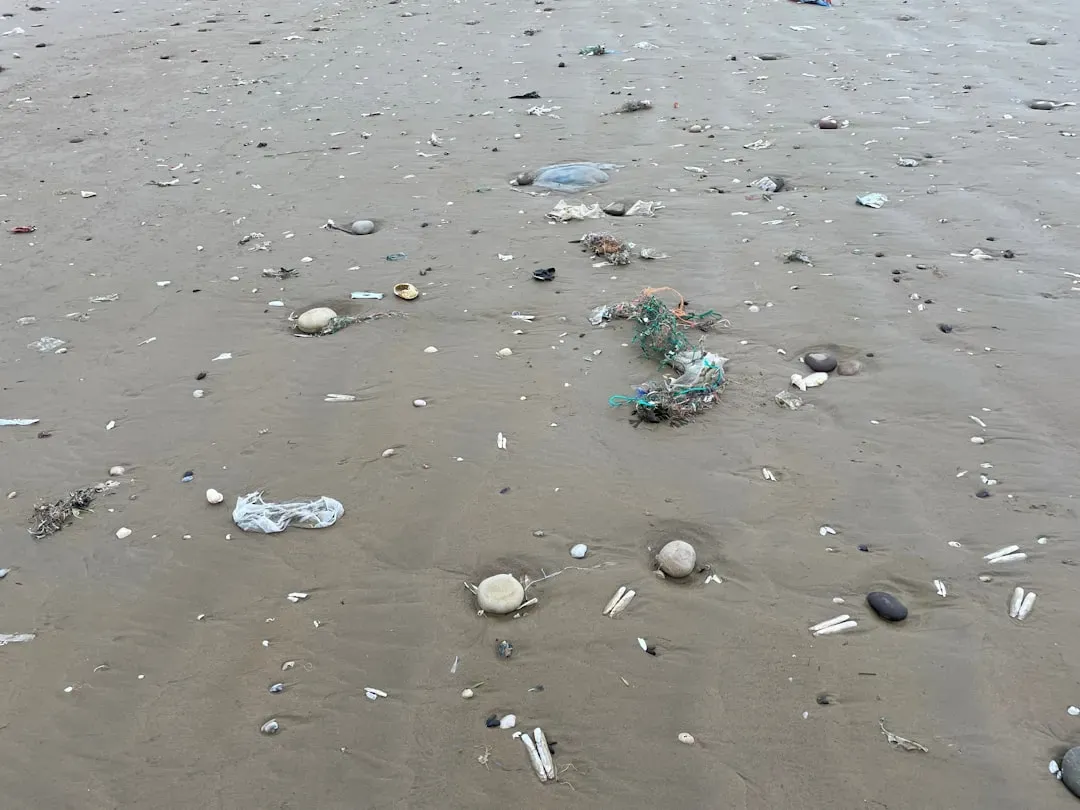
Microplastics aren’t just inert bits of plastic floating around harmlessly. They act more like tiny sponges. The litany of dangerous constituents associated with microplastics include phthalates and bisphenol A (BPA), polychlorinated biphenyls (PCBs), pesticides, antibiotics, bacteria, and metals such as cadmium, manganese, lead, arsenic, copper, zinc, and chromium. These are some of the most notorious toxic chemicals in environmental science – and microplastics can deliver them straight into your gut.
Research indicates that microplastics carry toxic chemicals, posing a risk to human and animal health. According to the NIH, microplastics can cause physical damage to tissues and can leach harmful chemicals. Think of it like a Trojan horse situation. The plastic itself may be one problem, but what it carries in with it could be an entirely separate one.
We know that microplastics can cause inflammation and oxidative stress, endocrine disruption, neurotoxicity, organ dysfunction, gut microbiome disruption, cancer, cardiovascular problems, and reproductive health issues. The list keeps growing as research deepens. I think it’s fair to say we’ve moved well past the point of comfortable uncertainty on this one.
Where Do They Come From? The Surprising Sources Feeding the Crisis
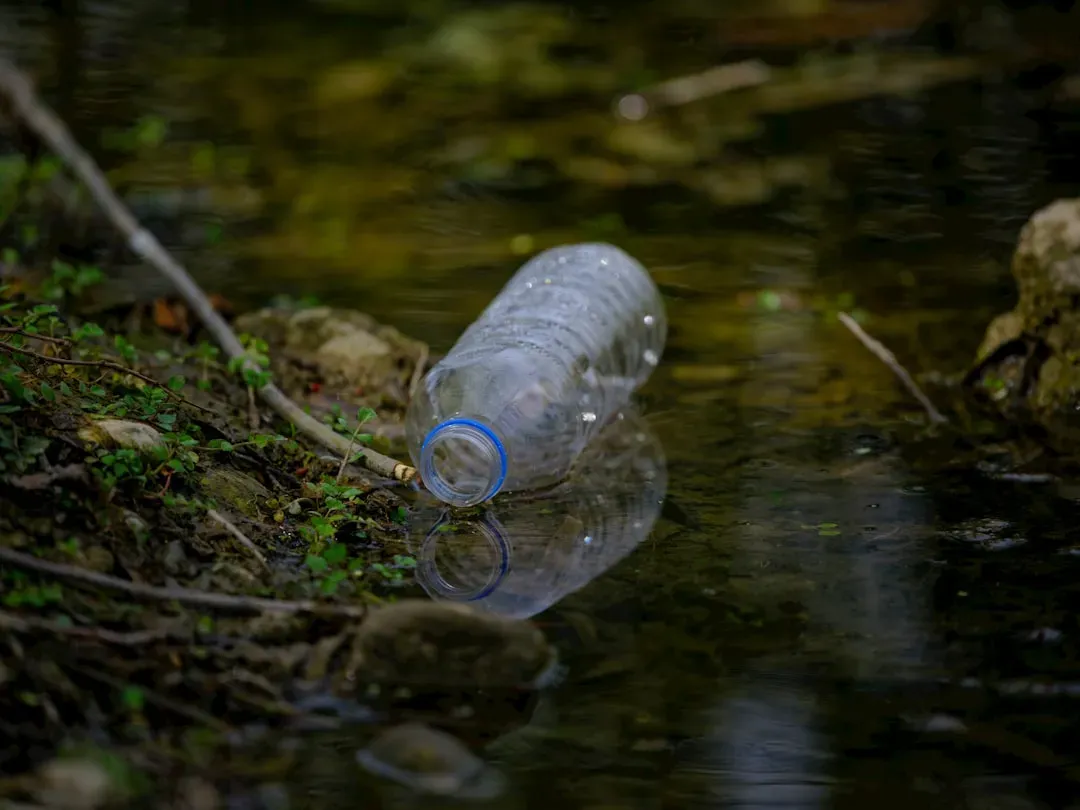
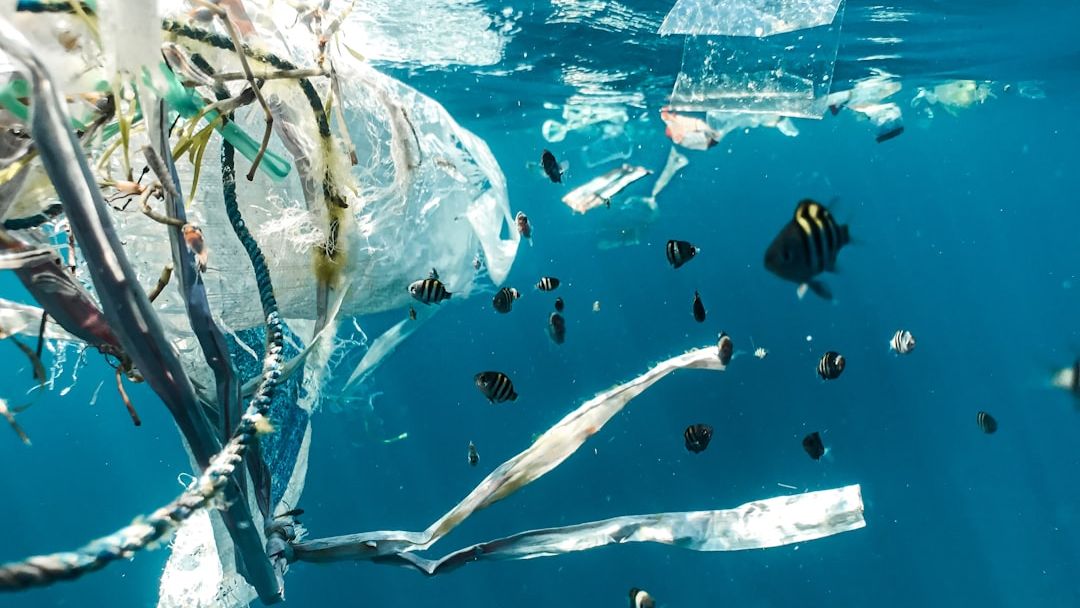
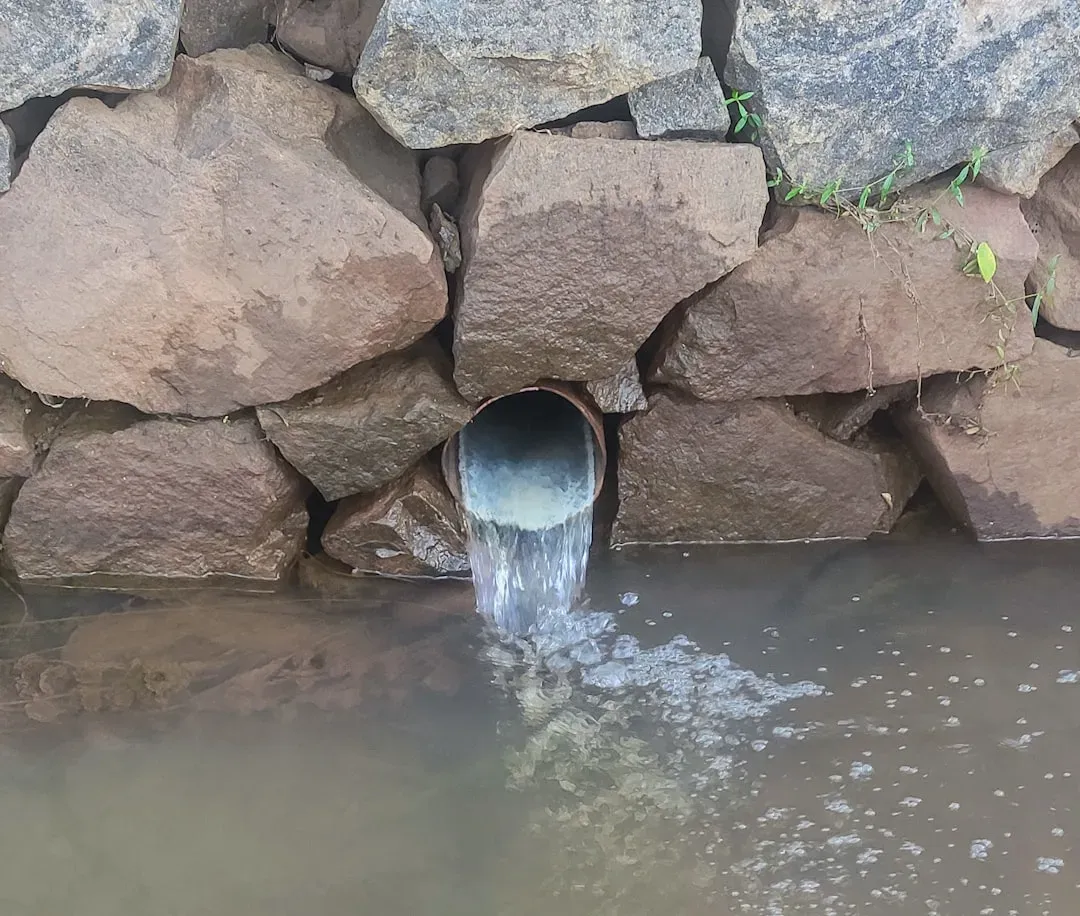
Most people imagine microplastics come from plastic bags floating into rivers, or bottles left on a beach. That’s part of the story, but only a small part. Microplastics are tiny fragments of plastic that come from the breakdown of larger plastic items, like synthetic fibers from certain clothing fabrics. They are also manufactured for use in things like exfoliating scrubs and cosmetic products. They can enter the environment through stormwater runoff, plastic litter degradation, or even through wastewater from washing clothes.
Your laundry. Your tires. The lining of your takeout cup. One of the least considered but potentially most relevant pathways for microplastic contamination is atmospheric precipitation. Synthetic fibres may be suspended in the air and then deposited with rainfall in surface water sources. They’re literally raining down into our reservoirs. It’s hard to wrap your mind around just how saturated our environment has become with this material.
Not all plastic that gets into the water comes from outside. PVC pipes, storage tanks, valves, and filter membranes can also release fragments over time. The paradox is brutal: the very system that purifies and distributes water may be contributing to its contamination. The infrastructure meant to protect us could be part of the problem. That’s an uncomfortable truth worth sitting with.
Treatment Plants: Helpful but Not the Full Answer
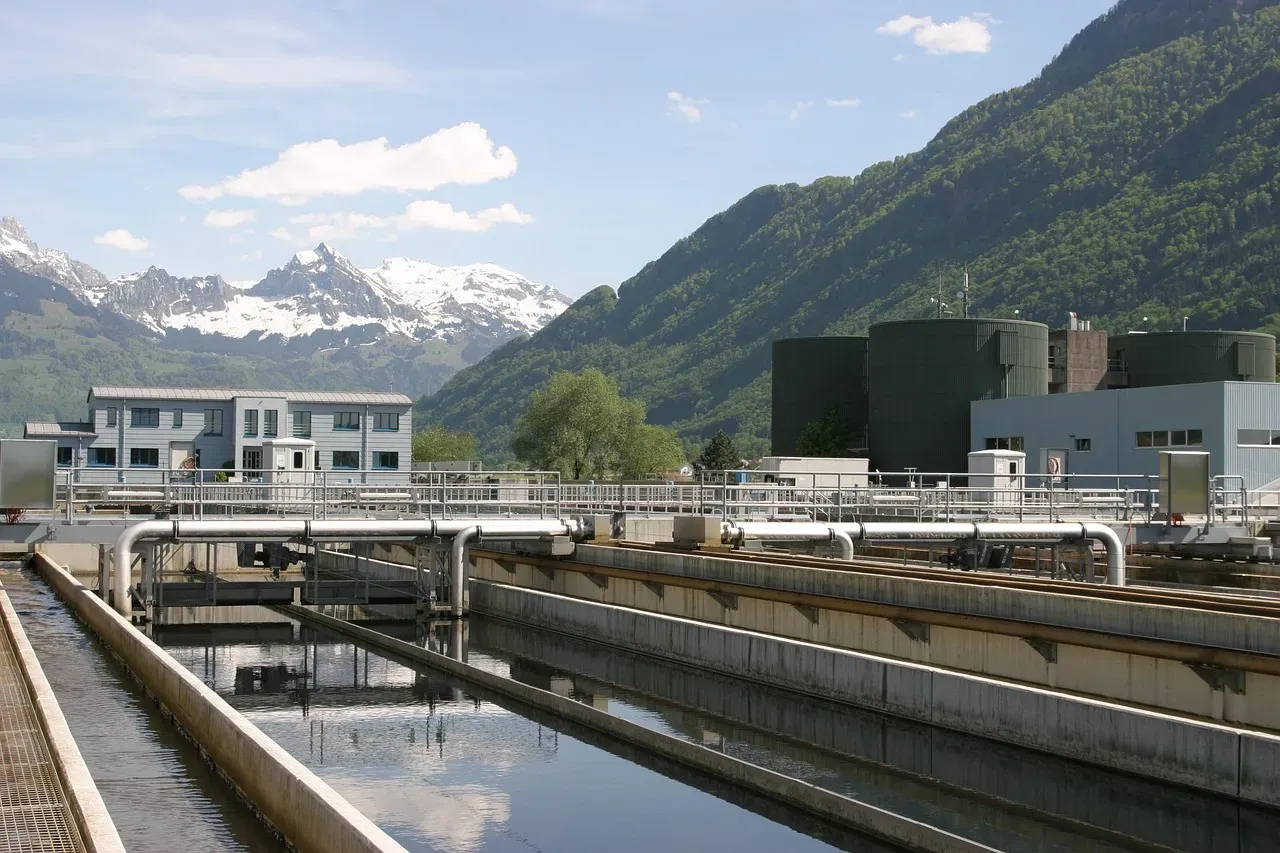
Water treatment plants do remove a significant portion of microplastics – but “significant” doesn’t mean “complete.” Municipal drinking water treatment facilities achieved greater than 97.5% removal, primarily due to chemically assisted granular media filtration or ultrafiltration. In untreated source waters, concentrations ranged from 1,193 to 7,185 particles per liter. So even after treatment, some particles inevitably remain.
The particles that sneak through tend to be the smallest and most worrying ones. The most worrying aspect is not the quantity, but the size: the vast majority are less than 5 microns in size, making them perfect candidates to cross human intestinal barriers and migrate to organs such as the liver or spleen. Smaller particles are harder to filter and more dangerous to human biology. It’s a frustrating double problem.
The rate of bioaccumulation is increasing, by as much as 50% over the last eight years, according to the University of New Mexico Health Sciences. Treatment plants were not designed with nanoplastics in mind. The infrastructure we rely on is being outpaced by the scale of a problem it was never built to solve.
California Steps Up While the Federal Government Lags Behind
Not every state is sitting on its hands. California has moved faster than any other government on the planet when it comes to confronting this issue head-on. On September 7, 2022, California became the first government in the world to require microplastics testing for drinking water, an emerging contaminant that is found throughout the environment. First in the world. Not just first in the U.S. – first everywhere.
Phase One of California’s plan, which focuses on large untreated community water systems, began in Fall 2023 and will continue through 2025. While no other state has gone as far as California in terms of implementing a comprehensive statewide microplastics strategy, states have followed California’s lead – and in 2023, Virginia, New Jersey, and Illinois passed laws requiring their state health departments to adopt procedures for the testing and research about testing for microplastics in drinking water.
In a bold move to protect human health from microplastics, seven governors urged the U.S. Environmental Protection Agency to launch nationwide monitoring of plastic particles in drinking water, following nearly a year of advocacy from Food & Water Watch and the Plastic Pollution Coalition. The political pressure is building. The 2024 to 2025 State of Michigan budget allocated two million dollars toward microplastics research – a crucial step in fighting microplastic pollution, but establishing stronger regulations is necessary to protect local food and water supplies.
How Much Are We Actually Ingesting? The Numbers Are Eye-Opening
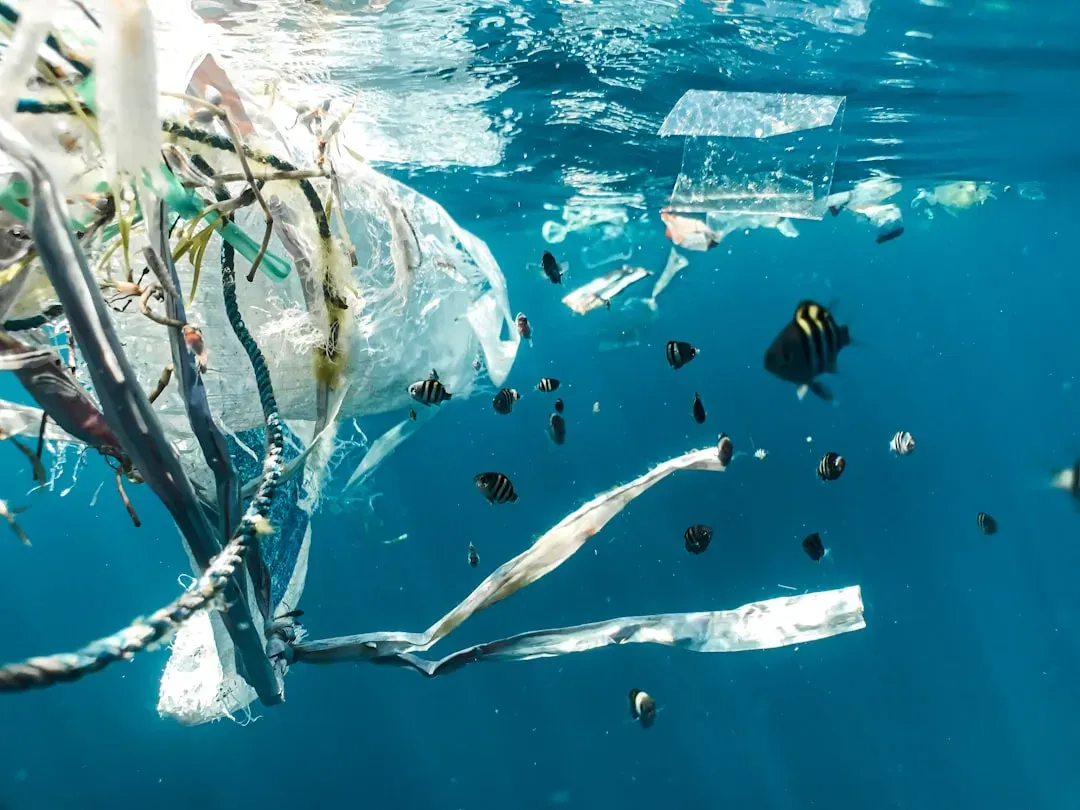
Let’s be real about the exposure numbers here – they’re genuinely hard to process. People in the U.S. could be ingesting 4,000 microplastic particles or more through tap water each year. Based on one study’s calculations, that number could grow to 7,000 or even higher. Every single year. Through water alone, not counting food, air, or anything else.
Plastic has become so ubiquitous in modern life that we eat, breathe, and drink tiny particles of it every day. Scientists estimate we ingest a credit card’s worth of plastic each week. One of the major ways it enters our body is through our drinking water. A whole credit card’s worth. Weekly. That comparison is designed to shock, and honestly, it works.
At present, there is no legal threshold for the presence of microplastics in water. Not one. Anywhere in the U.S. outside of what California is beginning to develop. We are ingesting plastic particles at rates that science is only beginning to quantify, with zero regulatory limits defining what’s acceptable. What we don’t know yet is about as scary as what we do. We are in urgent need of more information to understand the threat microplastics pose to our health when they come out of our taps.
Conclusion: The Map Is Drawn, But the Action Hasn’t Caught Up
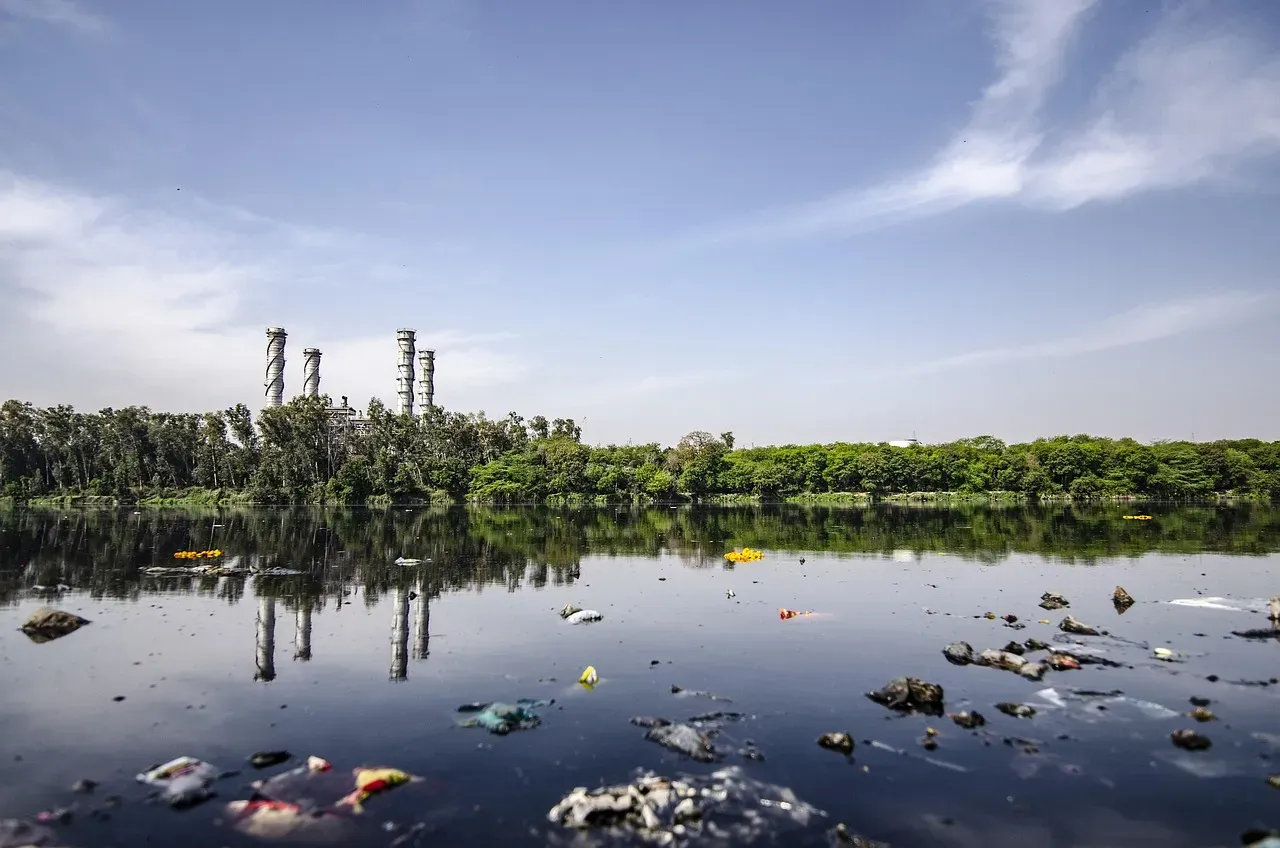
When you look at the data together – the Great Lakes, the staggering contamination rates, the toxic cargo plastic particles carry, and the near-total absence of federal regulation – one thing becomes clear. This isn’t a story about a distant environmental problem. It’s happening in your pipes, your glass, your body, right now.
Michigan sits at the heart of the most documented microplastic crisis in the country, anchored by a body of water that supplies tens of millions of people and registers unsafe contamination in roughly nine out of ten samples tested. California is moving, but slowly. The federal government is even further behind. And the particles keep accumulating.
I’m not here to tell you to panic. But I am here to suggest that informed concern is entirely reasonable. The question worth asking yourself – and maybe your local water authority – is simply this: if we don’t even know how much plastic is in our water yet, how can we possibly know it’s safe to drink? What would you do if these were the numbers in your state?