
Let’s be real here. You probably think you’re a law-abiding citizen going about your daily business. Driving to work, going to the restroom at a public building, maybe flying a flag on your porch. Seems pretty innocent, right? Well, turns out that across the country, legislators have been busy drafting laws that might just catch you by surprise. Some of these rules are so new, so specific, and so divisive that you could find yourself on the wrong side of them without even realizing it.
The past few years have seen an absolute explosion of controversial legislation hitting the books, from bathroom restrictions to flag bans, from indecent exposure redefinitions to self-defense expansions. These aren’t your typical traffic violations or old blue laws gathering dust. We’re talking about recent, politically charged regulations that have sparked lawsuits, protests, and nationwide debates. So let’s dive in and find out which laws are causing the biggest stir right now.
Idaho’s Expanded Indecent Exposure Law Targets Public Display
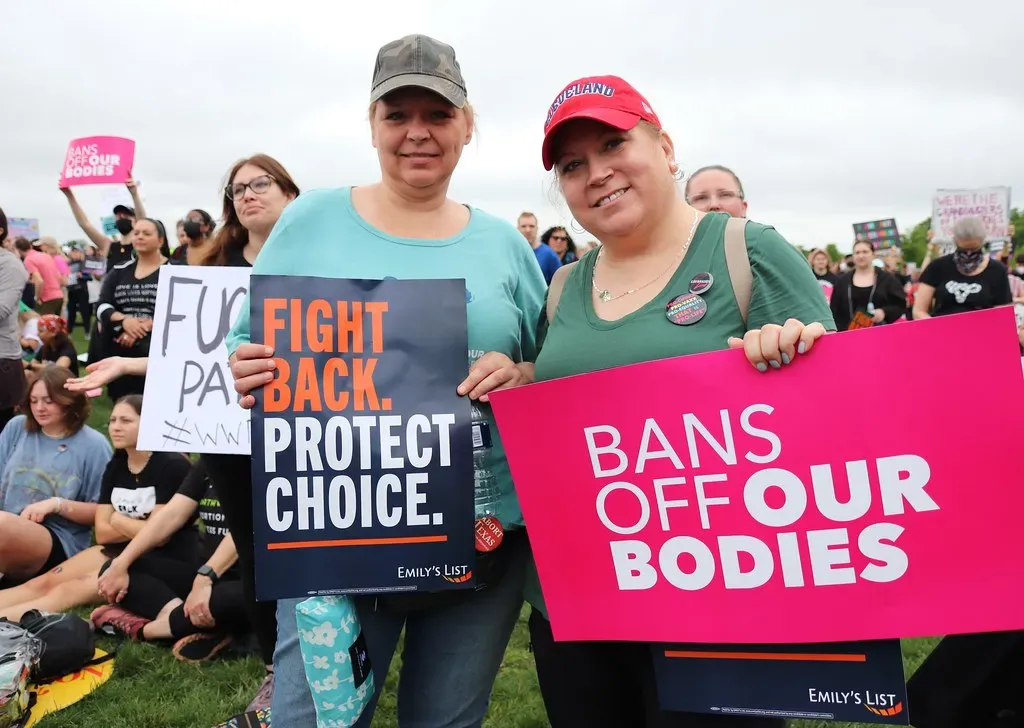
Idaho’s House Bill 270 dangerously expands what counts as indecent exposure to include breasts, and critics argue this piece of legislation targets transgender women while infringing on protected freedom of expression rights. A first violation of Idaho’s indecent exposure law is a misdemeanor crime, and a second offense within five years becomes a felony. The law, which took effect in March of this year, has civil liberties groups alarmed because of how broadly it could be applied.
Opponents say the law explicitly targets transgender Idahoans in terms of the language. The legislation came about after complaints regarding a pride celebration where some attendees wore nipple pasties, which were technically legal under local city codes at the time. Here’s the thing: this law doesn’t just affect transgender individuals. It potentially criminalizes ordinary activities and could ensnare anyone from people with certain medical conditions to truck owners with novelty decorations hanging from their vehicles.
Utah’s Pride Flag Ban Comes With Daily Fines
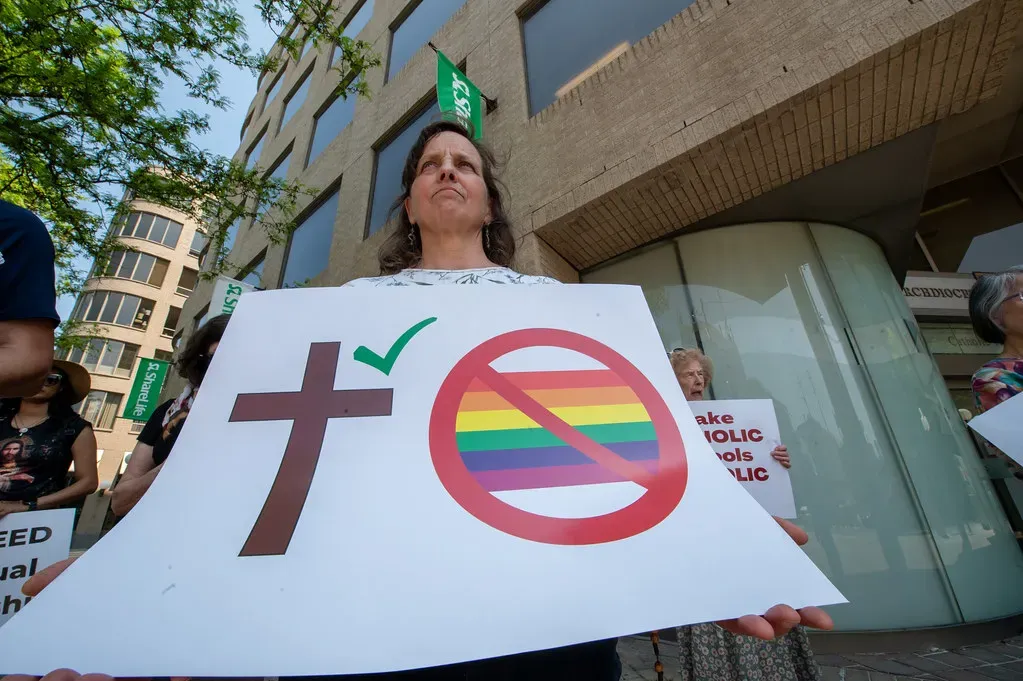
Utah became the first state to prohibit LGBTQ+ pride flags from being displayed at government buildings and schools in a move that also bans political flags such as those with President Donald Trump’s slogan, Make America Great Again. Starting May 7, state or local government buildings will be fined 500 dollars a day for flying any flag other than the United States flag, the Utah state flag, military flags or a short list of others approved by lawmakers. That’s not a typo. We’re talking about 500 bucks per violation per day.
The bill was authored by state Rep. Trevor Lee, a Republican from Layton who has consistently stated that the legislation was created specifically to ban pride flags in educational institutions, though a subsequent version of the bill broadened the ban to include all government properties. The economic impact alone could be staggering, with some warning that major events like the Sundance Film Festival might reconsider their Utah location. Salt Lake City officials have already found creative workarounds by incorporating their city logo into pride-themed designs, technically making them official city flags rather than banned symbols.
Florida’s Bathroom Law Led to a Historic Arrest
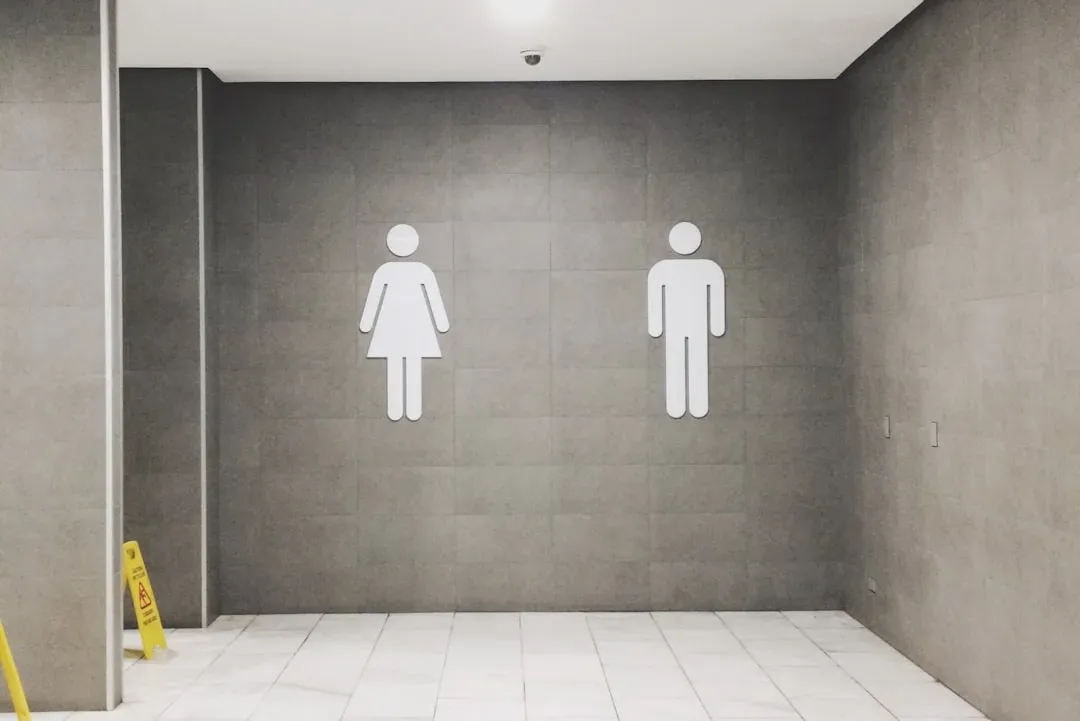
The Facility Requirements Based on Sex Act, also known as Committee Substitute for House Bill 1521, is a 2023 Florida anti-trans bathroom law which mandates that individuals must use restrooms, locker rooms, and changing facilities that correspond to their sex assigned at birth in some public, private and state-licensed facilities, and it is one of two states to make it a misdemeanor in certain circumstances for transgender people to use bathrooms or facilities consistent with their gender identity. What makes this especially controversial is what happened in March of this year.
A transgender woman named Marcy Rheintgen was arrested after using a women’s restroom at the Florida State Capitol in Tallahassee, which aligned with her gender identity, marking the first known enforcement of the law in Florida, where she was charged with misdemeanor trespassing that carries a penalty of up to 60 days in jail and a 500 dollar fine. Civil rights attorneys say the arrest is the first they know of for violating transgender bathroom restrictions passed by numerous state legislatures across the country, according to senior staff attorney Jon Davidson at the American Civil Liberties Union. The arrest has sparked massive debate about enforcement mechanisms and civil rights.
Tennessee’s Drag Ban Gets Blocked by Federal Judge
In June of 2023, Judge Thomas Parker, a Trump-appointed federal district court judge in western Tennessee, ruled that Tennessee’s Adult Entertainment Act violated the First Amendment’s free speech protection. The law sought to limit adult cabaret performances on public property to shield children from viewing them, threatening violators with a misdemeanor and repeat offenders with a felony, and the ban specifically included male or female impersonators who perform in a way that is harmful to minors. So basically, it was targeting drag performances without actually using the word drag in the statute.
Federal judge Tommy Parker for the United States District Court for the Western District of Tennessee temporarily blocked the implementation of the act on April 1, 2023, citing First Amendment concerns, and the temporary injunction was changed to a permanent injunction on June 2, 2023. Despite this ruling, Tennessee’s attorney general filed a notice of appeal, and the legal battle continues to this day. The vague wording of what constitutes an adult cabaret performance had critics worried it could criminalize everything from theater productions to comedy shows.
Stand Your Ground Laws Linked to Rising Gun Deaths
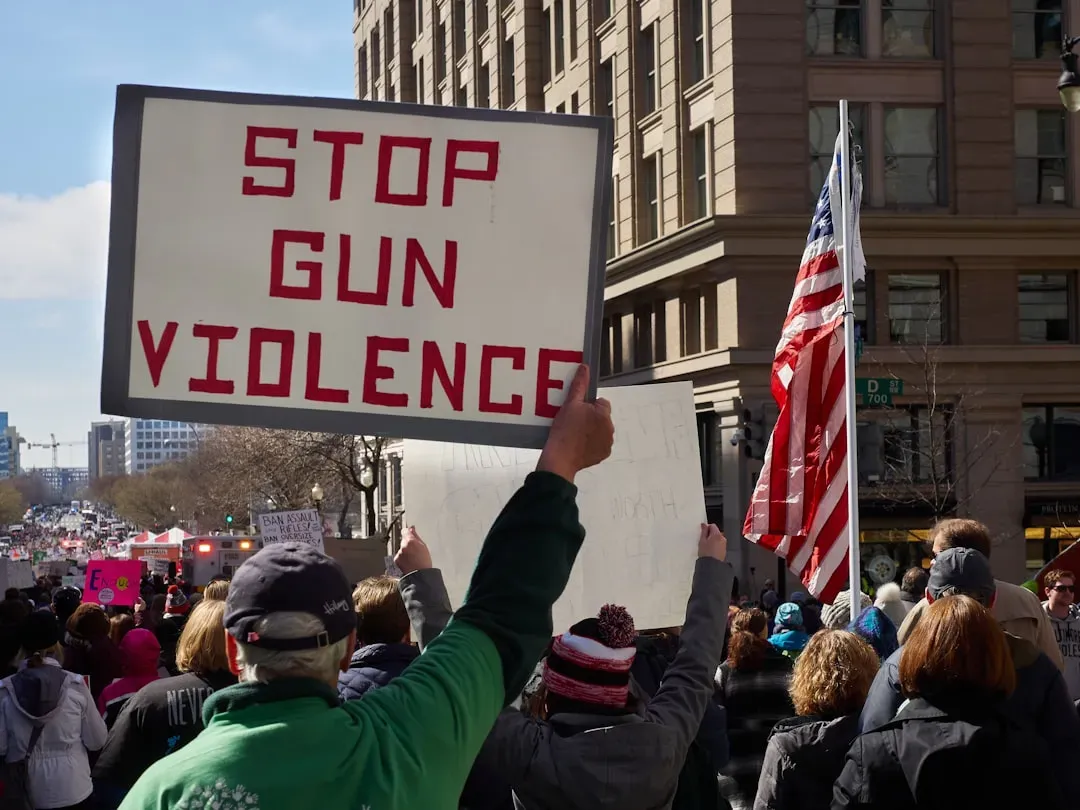
Since 2005, most of the United States have adopted stand-your-ground laws, which expand people’s right to use deadly force in self-defense anywhere they may legally be without first attempting to retreat. In a cohort study assessing 41 US states, stand your ground laws were associated with an 8 percent to 11 percent national increase in monthly rates of homicide and firearm homicide. States that have adopted stand-your-ground laws have seen gun homicides rise by up to 11 percent annually from 1999 to 2017, which equates to more than 700 additional gun deaths each year.
In at least some US states, most notably Florida, stand-your-ground laws have been associated with increases in homicides and there has been racial bias in the application of legal protections. Research shows that when white shooters kill Black victims, these homicides are ruled justifiable at significantly higher rates than when the racial roles are reversed. These laws remove the duty to retreat in public confrontations, essentially giving legal protection to shoot first and ask questions later in situations where violence could potentially be avoided.
Connecticut’s Ice Missile Law Can Cost You Big
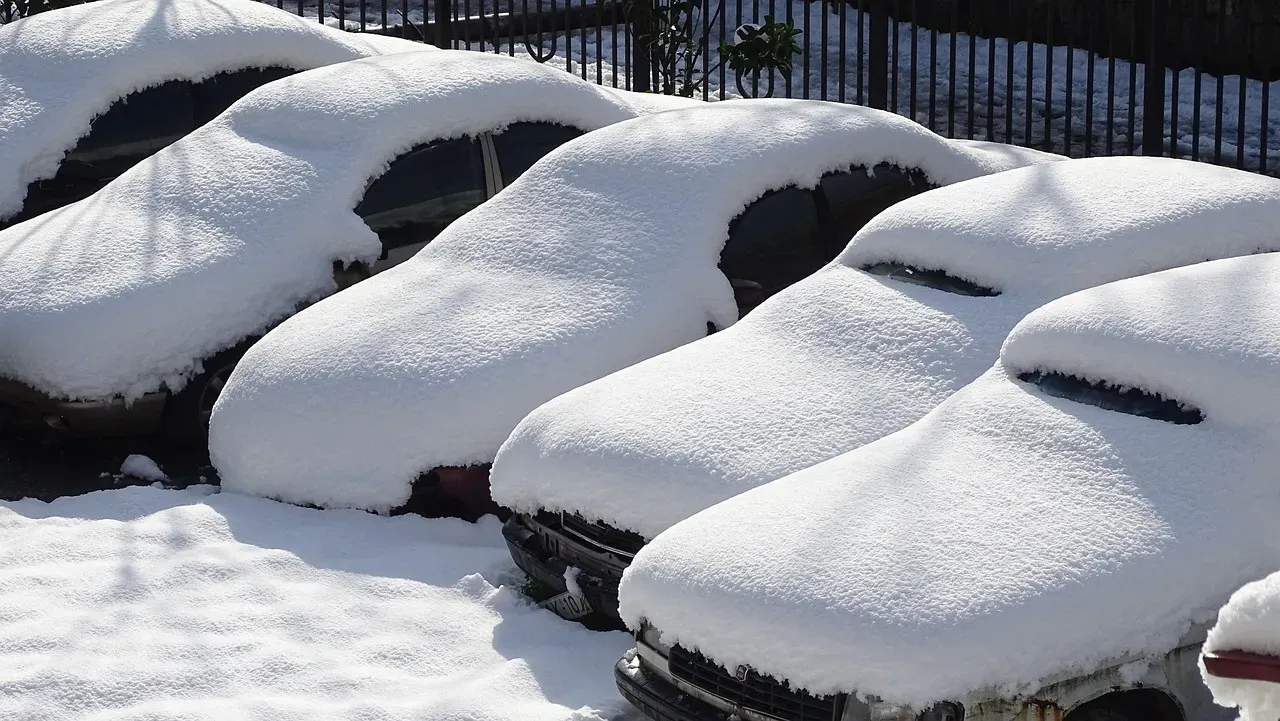
You might think this one sounds silly until you realize the stakes. Connecticut enforces strict winter regulations requiring drivers to completely remove snow and ice from their vehicles before hitting the road. Fail to do so and you could face fines reaching up to 1,000 dollars. The law exists to prevent what officials call ice missiles, those chunks of frozen precipitation that fly off moving vehicles and smash into windshields or pedestrians.
This is one of those everyday rules that people genuinely don’t know about until they get slapped with a citation. During winter months, law enforcement takes this seriously because dislodged ice from car roofs has caused serious accidents, injuries, and even deaths. It’s hard to say for sure how many people unknowingly break this law every winter, but given how many drivers leave their cars looking like miniature icebergs in parking lots, the number is probably substantial.
Ten Commandments in Schools Face Constitutional Challenges
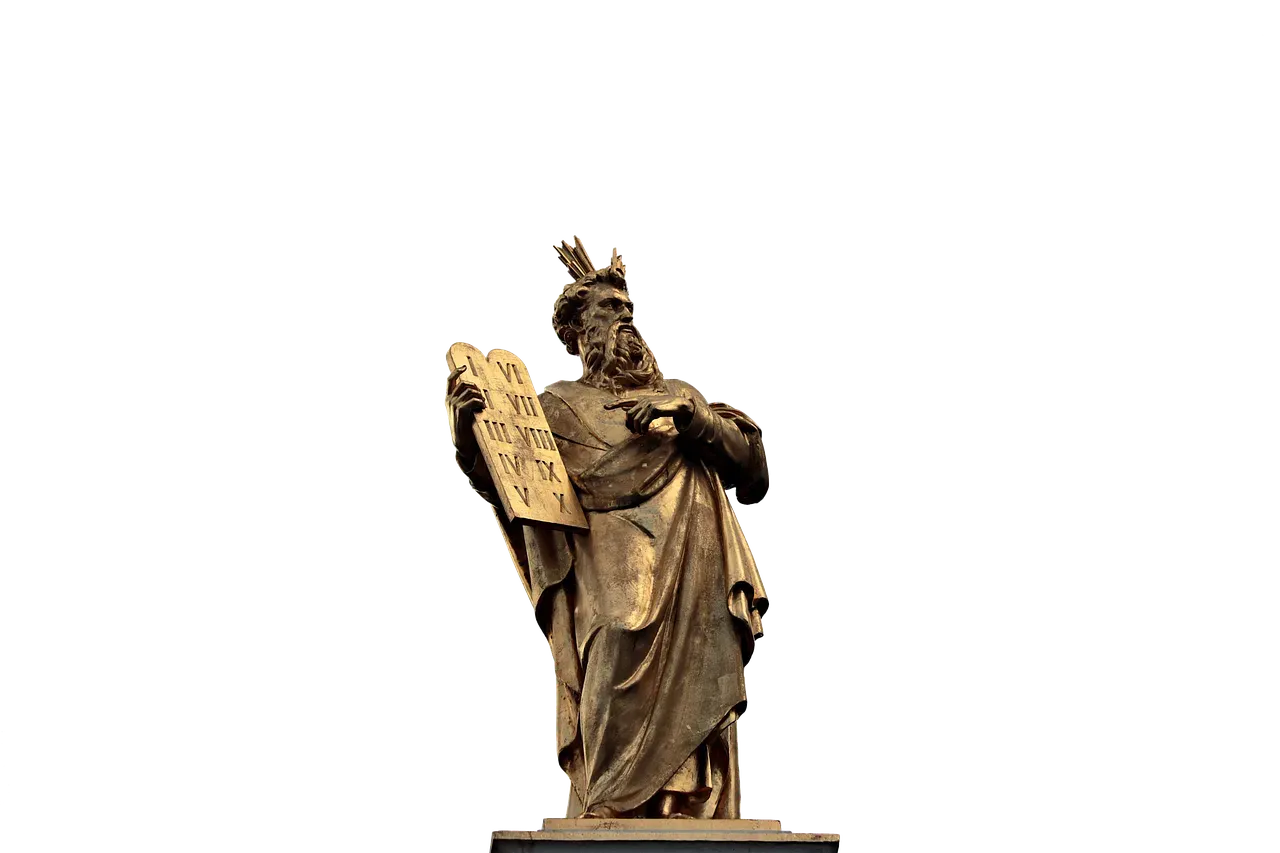
Several states have been debating or attempting to enforce laws that would mandate the display of religious texts such as the Ten Commandments in public schools. These proposals have ignited fierce debates about the separation of church and state, with critics arguing that such requirements violate the Establishment Clause of the First Amendment. Supporters claim these displays represent historical and cultural heritage rather than religious endorsement.
The controversy surrounding these laws centers on whether public institutions can constitutionally promote specific religious texts without favoring one faith over others. Legal challenges have been swift, with civil liberties organizations filing lawsuits almost immediately after passage. Courts have historically been skeptical of religious displays in government-funded spaces, particularly schools where students are a captive audience. The outcome of these cases could set precedent for how far states can go in incorporating religious content into public education.
Hundreds of New State Laws Target Cultural Flashpoints
In 2025 alone, hundreds of new state laws took effect nationwide addressing what legislators see as critical cultural issues like gender identity, gun regulations, social media oversight, and education curriculum. These laws reflect deep political divides across the country and have prompted protests, counter-legislation, and legal actions in multiple states. What’s striking is how quickly these laws have proliferated and how dramatically they differ from state to state.
Honestly, it’s becoming harder to keep track of what’s legal where. A family traveling cross-country might find themselves inadvertently violating laws they didn’t even know existed simply by crossing state lines. The patchwork nature of these regulations means that what’s perfectly acceptable in one state could land you in serious legal trouble just a few miles away. This legal fragmentation is creating confusion for residents and visitors alike.
Religious Freedom Laws Become Litigation Battlegrounds
Religious freedom laws have become another major point of contention, with some states passing legislation that critics say allows discrimination under the guise of religious protection. These laws often permit businesses and individuals to refuse services based on religious beliefs, particularly regarding LGBTQ+ issues. Supporters argue they’re defending constitutional rights to religious exercise, while opponents see them as legalized discrimination.
The legal fights surrounding these statutes have been intense. Courts are being asked to balance competing constitutional rights and determine where religious freedom ends and civil rights protections begin. The consequences extend beyond individual cases, affecting everything from adoption services to healthcare access to public accommodations. These laws have corporations threatening to relocate, conventions canceling events, and entire industries reconsidering their presence in certain states.
Social Media Age Verification Laws Raise Privacy Concerns
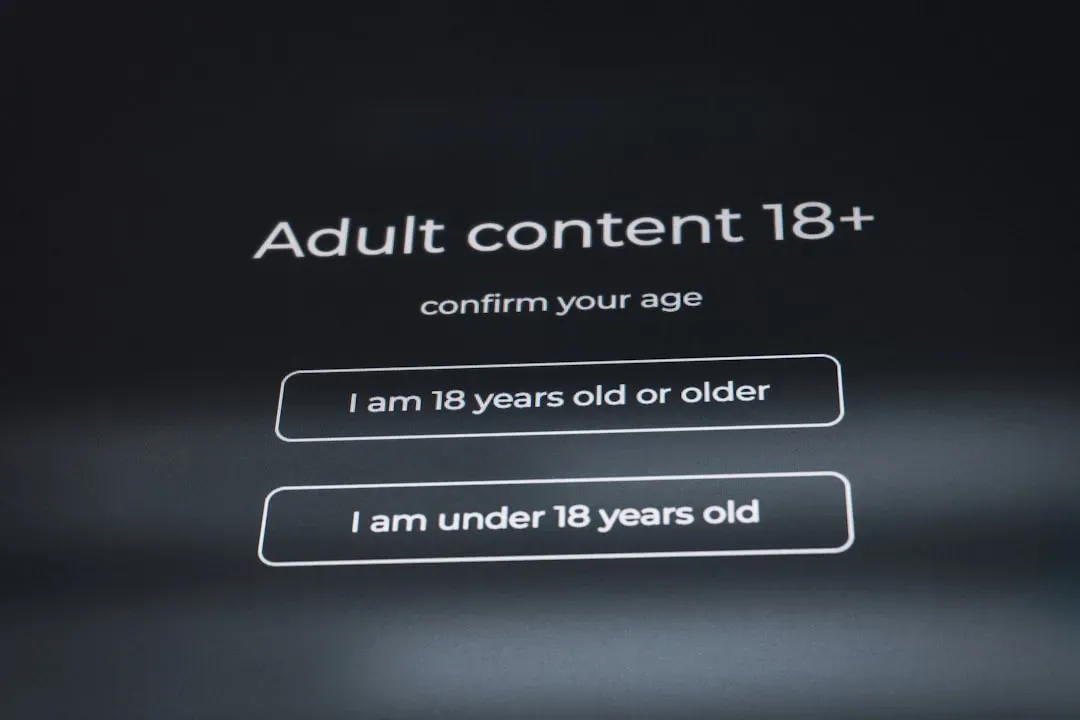
Several states have enacted or proposed laws requiring age verification for social media platforms, aiming to protect minors from harmful online content. While the intent sounds reasonable, the implementation has raised significant privacy concerns and questions about enforcement. These laws often require users to provide identification or undergo facial recognition scans to prove they’re old enough to access certain platforms or content.
Tech companies have pushed back hard against these requirements, arguing they’re technologically impractical and create massive privacy vulnerabilities. Civil liberties groups worry about the creation of databases containing sensitive personal information that could be hacked or misused. Free speech advocates question whether these laws unconstitutionally restrict access to information. Meanwhile, parents and child safety organizations argue that something must be done to shield kids from inappropriate content and predatory behavior online.
The Bigger Picture Behind Controversial Legislation
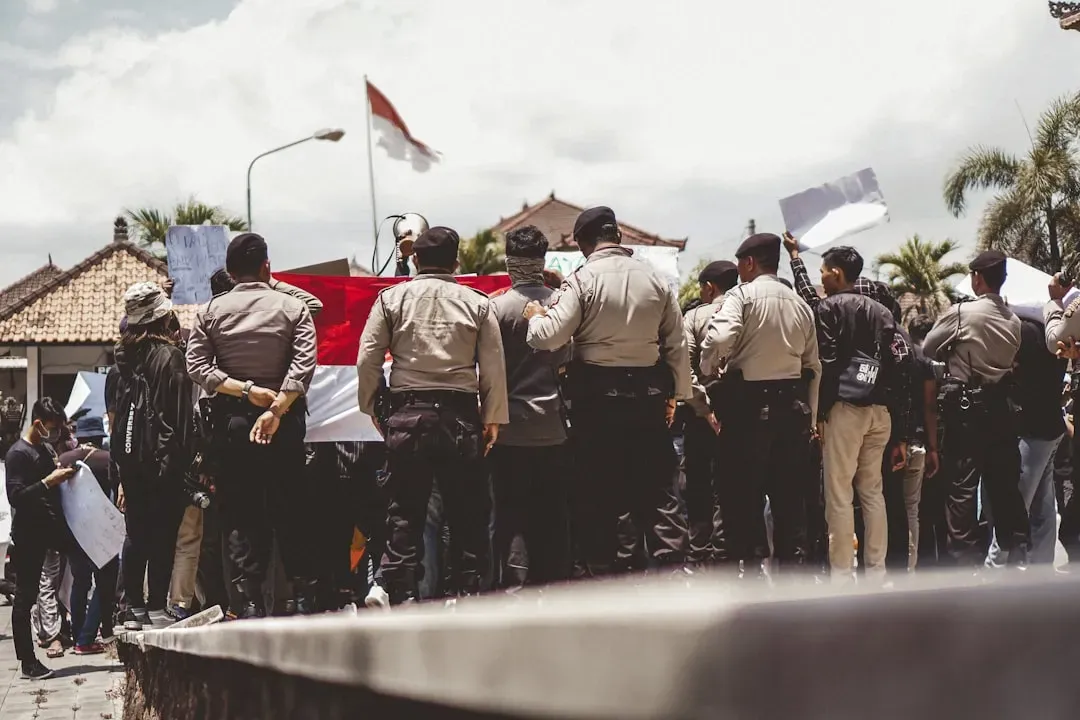
What ties all these laws together is their timing and their divisiveness. These aren’t boring regulatory updates buried in committee hearings. They’re making headlines, sparking protests, and forcing Americans to confront fundamental questions about rights, safety, values, and what kind of society we want to be. The fact that many of these laws are facing immediate legal challenges suggests that courts will ultimately decide what stands and what falls.
It’s worth noting that legal experts on all sides acknowledge these battles will likely continue for years. Appeals will wind through circuit courts, conflicting rulings will create confusion, and eventually, some cases may land at the Supreme Court. In the meantime, regular people are caught in the middle, trying to navigate an increasingly complex legal landscape where the rules keep changing. What seemed settled just a few years ago is now up for grabs.
The controversial nature of these laws reflects broader societal tensions that won’t be easily resolved through legislation alone. Whether you see these measures as necessary protections or dangerous overreach probably depends on your political perspective. What’s undeniable is that state legislatures have become laboratories for some of the most contentious policy experiments in recent memory, and the results affect millions of Americans in very real, very personal ways.
Did you realize just how many of these laws might touch your daily life? The landscape of what’s legal and what’s not has shifted dramatically in recent years, and staying informed has never been more important. What do you think about these changes? Tell us in the comments.