

Picture this: millions of workers worldwide clocking in, ticking off bare-minimum tasks, and logging off without a ripple. That’s quiet quitting in a nutshell, a silent rebellion that’s gripped offices since 2022. Yet here we are in 2026, and something louder is bubbling up, shaking things up in ways bosses never saw coming.[1][2]
Honestly, it’s refreshing. Employees aren’t just detaching anymore; they’re drawing lines in the sand, loud and clear. Let’s unpack how this shift happened and why this year feels like the big pivot.[3]
Quiet Quitting’s Silent Takeover

Quiet quitting kicked off as workers did just enough to keep the paycheck coming, no extras, no overtime heroics. It spread like wildfire amid burnout and shaky job security. By 2024, global employee engagement had dipped to a measly 21 percent, leaving the rest in quiet limbo.[1]
Not engaged folks, Gallup calls them quietly quitting, put in time but zero passion. That’s roughly 62 percent worldwide, a massive chunk just coasting. No wonder productivity took a $438 billion hit last year alone.[4][5]
Stats That Scream Disengagement

Fast forward to 2025, and U.S. quiet quitters hit 50 percent, with half the workforce checked out mentally. Healthcare fares worse, nurses at 67 percent sticking to basics only. Mid-career pros aged 35 to 44 lead the pack at 24 percent.[4]
Globally, 17 percent actively disengage, what some label loud quitters, griping openly. These numbers aren’t fading; they’re fueling a rethink. Leaders scramble as turnover looms larger.[2]
It’s like a pressure cooker, building steam no one ignores anymore.
Defining Loud Boundaries

Loud boundaries flip the script: workers vocalize limits, saying no to after-hours pings or overload without apology. Think announcing log-off times or pushing back on deadlines publicly. It’s assertive, not sneaky.[3]
Unlike quiet quitting’s withdrawal, this demands dialogue on capacity and balance. Employees stay engaged but guard their sanity fiercely. HR now trains managers to respect these calls.[6]
The Pivot from Quiet to Loud

Quiet quitting was passive protection; loud boundaries actively reshape rules. Burnout from AI demands and return-to-office mandates pushed folks past silence. In 2026, empowerment trumps endurance.[7]
Workers feel voicing needs sparks change, not backlash. Trust in communication grows as job markets stabilize. This evolution signals maturity in labor dynamics.
Here’s the thing: silence bred resentment; noise builds respect.
Gallup’s Warning on Active Disengagement
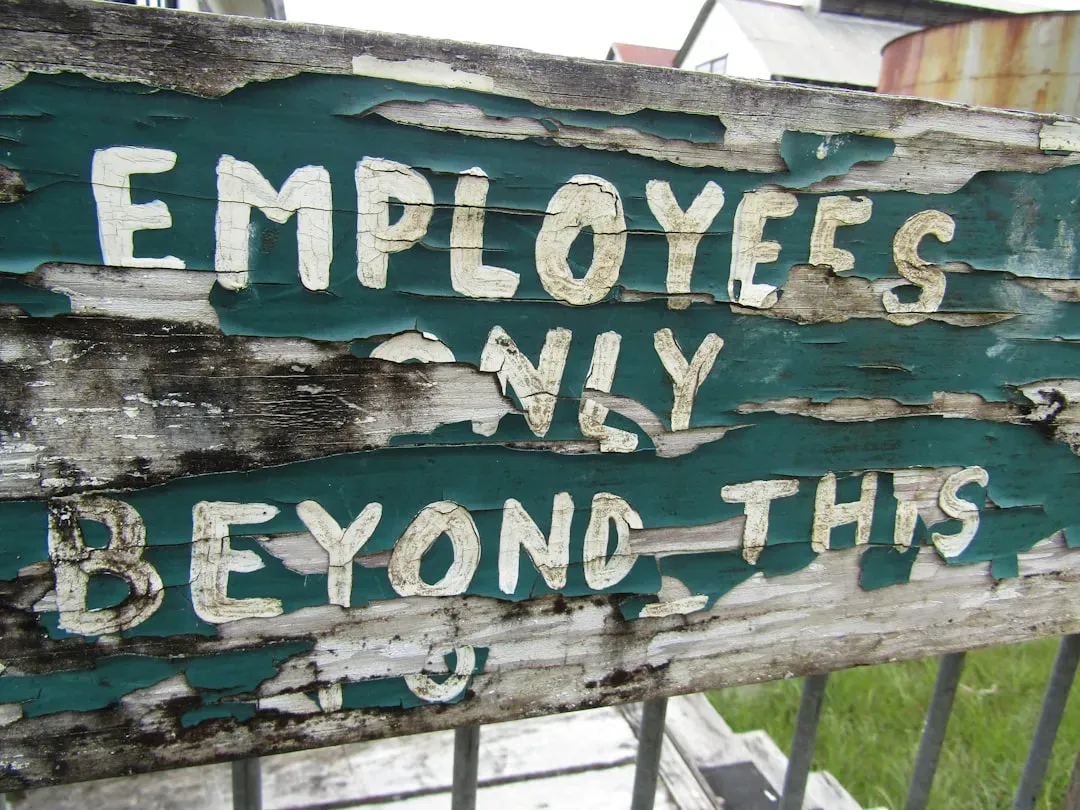
Gallup pegs 17 percent globally as actively disengaged, the loud quitters undermining teams daily. Managers see bigger drops, down to 27 percent engaged. Training halves this extreme detachment.[1]
These folks aren’t whispering complaints; they’re vocal, forcing conversations. It costs billions but highlights fixable flaws fast. Boundary setters channel this energy productively.
Why 2026 Tips the Scale

2025’s quiet burnout and cracking wore thin, with 54 percent unhappy at work. Economic stagnation trapped quitters, but 2026 brings bolder moves. Revenge quitting hints at decisive exits, yet many choose loud stays.[5][8]
AI and RTO backlashes amplify calls for balance. Workers, battle-hardened, demand it openly now. This year, boundaries go mainstream.
Healthcare’s Loud Wake-Up

Hospitals face 3.2 million worker shortages by now, fueled by 58 percent quiet quitting in the sector. Physicians cut docs to minimums at 43 percent, nurses lead disengagement. Moral resilience fights it back.[4]
Staff vocalize for respect over pay, setting firm limits on hours. It reduces burnout, boosts retention. Frontlines model the loud boundary blueprint.
HR Strategies Embracing the Shift

Smart HR rolls out open-door policies, flexible schedules for boundary respect. One-on-ones catch issues early, recognition revives effort. Managers model log-offs themselves.[2][3]
Training cuts disengagement in half, lifts wellbeing. Transparent cultures thrive here.
Benefits That Prove It Works

Loud boundary folks show up sharper, less exhausted, productivity soars without sacrifice. Teams build trust through clear talks. No more guessing games on limits.[6]
It’s sustainable ambition, like fueling a car properly instead of redlining. Companies save on turnover, gain loyalty. Win-win, really.
2026’s Boundary Revolution

This year cements loud boundaries as the norm, evolving past quiet woes. Disengagement dips as voices rise, workplaces adapt or lag. Expect policies prioritizing life alongside work.[1]
Workers reclaim power, one firm no at a time. What boundary will you set first?