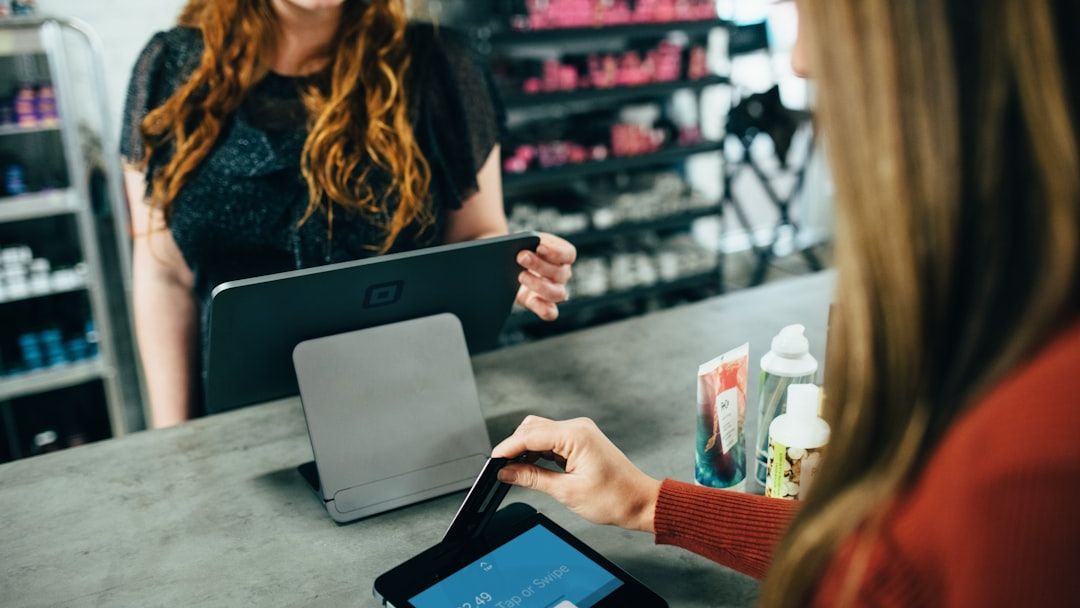

Every time you scan that loyalty card at the checkout, swipe your EBT card for groceries, or browse a supermarket app for digital coupons, something invisible is happening. Data is moving. It is being stored, analyzed, packaged, and in many cases, sold. The machine learning systems doing this work are fast, precise, and almost entirely hidden from public view.
Most Americans feel a vague unease about it. According to Pew Research Center’s 2024 survey, the vast majority of Americans say they are worried about how companies use their personal data, including their shopping habits. Yet only about a third say they actually understand how that data is being used. That gap between concern and understanding is exactly where this story lives. Let’s dive in.
1. Your Loyalty Card Is a Surveillance Tool in Disguise
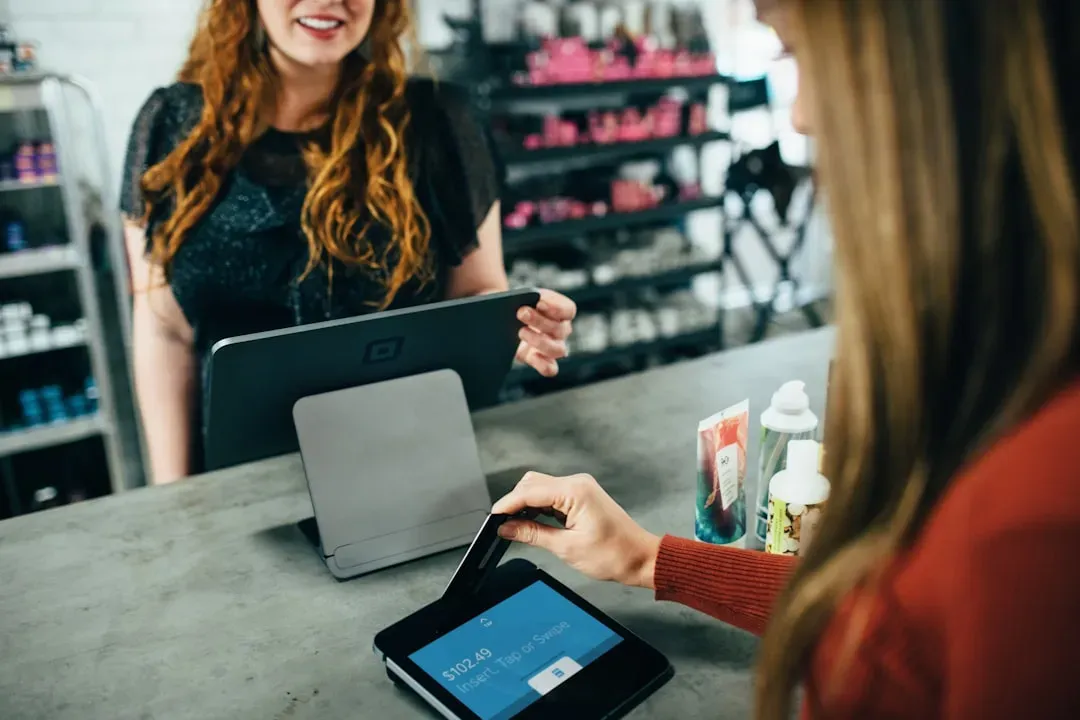
Here’s the thing most people never stop to think about when they sign up for a grocery rewards app: the deal they are making is not really about discounts. The reality is that many loyalty programs function as data-harvesting machines, tracking what you buy, how you search, and even how you navigate your cursor across a screen, building hyper-detailed profiles that companies use to gauge and direct how much each of us is willing to pay. That free coupon for yogurt? It knows more about you than you realize.
Kroger, one of the nation’s largest grocery chains, is also one of the most advanced when it comes to tracking shoppers’ purchases and behavior through analytics on its roughly 63 million customers. More than 95 percent of customer transactions are tied to a Kroger loyalty card. Think about that for a second. That is almost every single purchase tied to a name, an address, a household profile.
Kroger’s “precision marketing” division sells customer data to other companies for marketing and advertising purposes. That “alternative profit” business now represents more than 35 percent of the company’s net income. So the grocery chain is no longer just a grocery chain. Honestly, it is a data company that also sells food.
The data collection from grocery store apps extends far beyond your purchase history. Some apps also have the technology to track shoppers’ precise locations within stores, note languages spoken and employment information, and may also collect biometric data, such as facial recognition, according to privacy policies. Most people never read those policies. Almost no one does.
2. Your Shopping Data Gets Sold to Data Brokers – Including Possibly to the Government
Kroger alone earned $527 million selling personal shopper information to data brokers in 2024 and could make $825 million from shopper profiles in the following year, accounting for 35 percent of the company’s total revenue, according to a Consumer Reports investigation. Half a billion dollars. From your cereal choices, your late-night ice cream habit, your gluten-free phase.
The FTC confirmed that companies collect data in ways that far exceed user expectations. They are not just tracking activity on their platforms, but also monitoring activity on other websites and apps, gathering data on non-users, and buying personal information from third-party data brokers. The data ecosystem is enormous and it moves fast.
Data brokers compile highly sensitive information, including a consumer’s finances, the apps they use, and their location throughout the day. When that gets combined with your grocery purchase history, the resulting profile is remarkably detailed. It’s hard to say for sure exactly how many government agencies access these profiles, but the Electronic Frontier Foundation and federal regulators have consistently raised concerns about it.
Americans regularly engage in activities that reveal personal information about themselves, often without realizing it. They may, for example, visit a website, download an app, charge an item to a credit card, use a loyalty card at a grocery store or pharmacy, or order goods online. In each of these moments, data flows outward. Quietly. Persistently.
3. AI Is Watching You Shop – and It’s Changing the Price You Pay

The FTC staff found that surveillance pricing intermediaries worked with at least 250 clients that sell goods or services ranging from grocery stores to apparel retailers. The FTC found that widespread adoption of this practice may fundamentally upend how consumers buy products and how companies compete. Let that sink in. The price on the shelf might not be the same price your neighbor pays.
The amount a shopper pays can vary based on information gathered through loyalty cards, store apps, or browsing history. The concern is how far such technology could go. For example, if a shopper buys the same cereal every week, an algorithm might recognize that pattern and quietly raise the price for that customer alone to increase profit. It is like a vending machine that charges more if it knows you are thirsty.
A 2025 Consumer Reports investigation into the grocery delivery company Instacart found that some grocery prices differed by as much as 23 percent per item from one Instacart customer to the next. That is a staggering difference for something as basic as groceries. Same store, same item, different price, different customer.
In January 2025, the FTC issued a preliminary report indicating that companies were using data elements such as a consumer’s precise location, browsing history, and demographic traits to charge different prices for the same goods. The FTC found instances of online retailers offering different prices for identical products based on a customer’s skin tone or whether they were a new parent. Let’s be real: that is not just personalization. That is something more troubling.
4. If You Use SNAP Benefits, the State Is Monitoring What You Buy
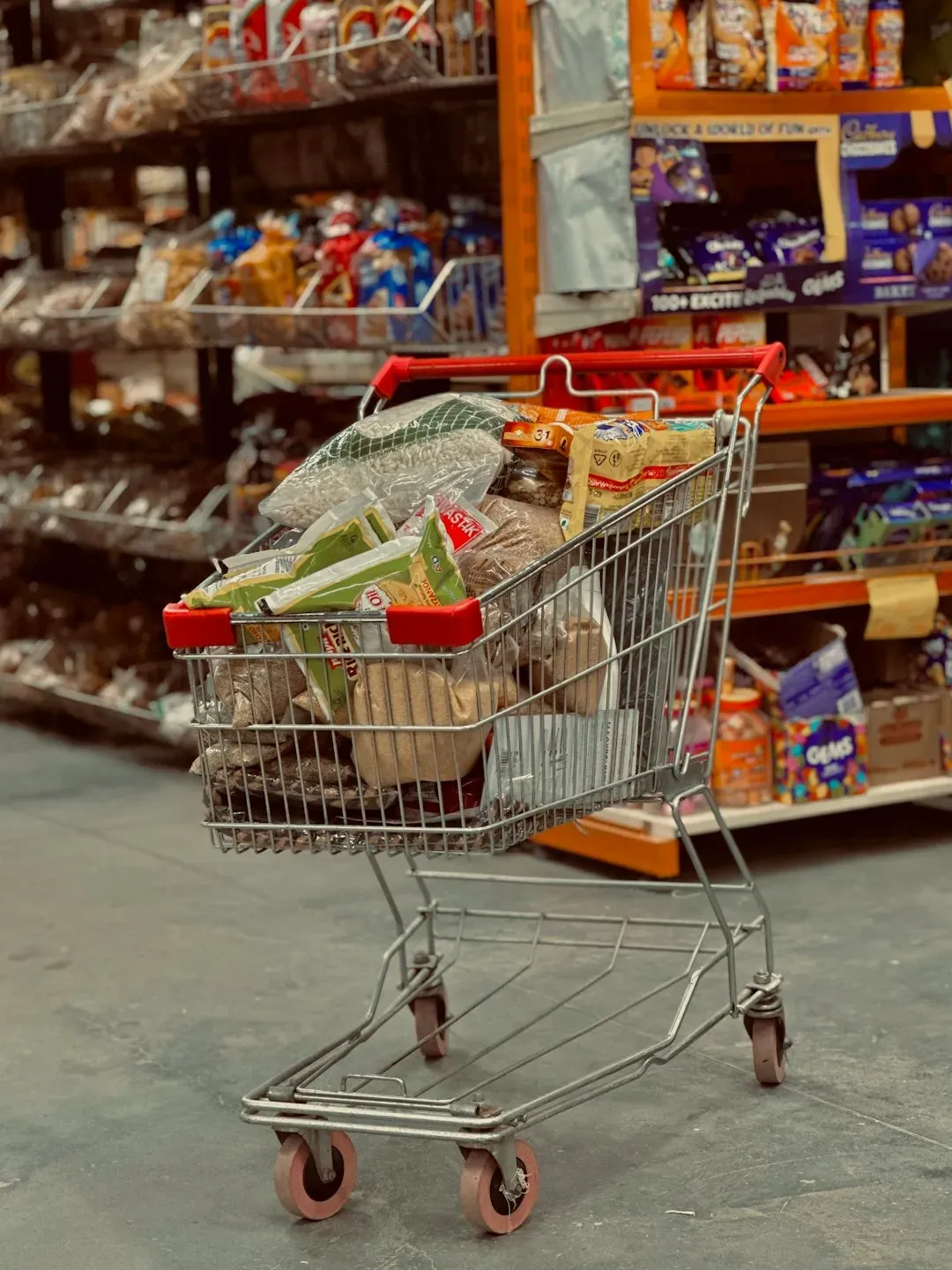
For the roughly 42 million Americans who receive SNAP benefits every month, grocery store tracking takes on a completely different dimension. In 2025, the USDA approved 18 waivers letting states restrict certain foods from SNAP purchasing that have historically been allowed. The Trump administration and proponents of the waivers argue that taxpayer dollars should not be going to sodas, candy, and unhealthy foods.
Starting in 2026, Texas, Oklahoma, Louisiana, Colorado, Florida, West Virginia, Arkansas, Idaho, Indiana, Iowa, Nebraska, Utah, Hawaii, Missouri, North Dakota, South Carolina, Virginia, and Tennessee will prohibit the use of SNAP benefits to buy certain food items. That is nearly half of all U.S. states actively monitoring and policing what specific low-income households put in their carts. No other demographic faces that level of food purchase oversight.
People are not knowing what to expect when they get to the grocery store and being surprised when they get to checkout, with frustration when they cannot get what they are used to getting. Retailers in waiver states also report real confusion about what qualifies and what does not. Under some waiver definitions, a granola bar or a fruit bar can be considered candy unless it contains flour. A Twix bar, because it contains flour, is acceptable. The inconsistency speaks for itself.
Critics of these waivers say the policy could harm people in places such as food deserts, where healthy options are limited, and take away recipients’ power to make their own food choices. The policy is genuinely debated. What is less debated is that it creates a two-tier grocery surveillance system, one where people using public benefits have their purchases tracked at an entirely different level than everyone else.
5. States Are Now Moving to Legislate Grocery Data – But It’s a Slow Race
The good news, if you can call it that, is that lawmakers are paying attention. This year, lawmakers in at least 11 states are considering legislation that would require businesses to inform consumers of their algorithmic pricing practices that use personal data. Several lawmakers also want to crack down on surveillance pricing. The scale of legislative interest is genuinely new.
Several bills, including a measure in Utah, focus solely on requiring businesses to disclose when they use a consumer’s personal data to set prices. One measure in Illinois would prohibit algorithmic pricing discrimination, and a second would require businesses to disclose if their prices were set using surveillance pricing and allow consumers to opt out. These are real steps, even if they are modest ones.
Notable bills include the Stop AI Price Gouging and Wage Fixing Act of 2025 and the One Fair Price Act of 2025, both of which would prohibit the use of surveillance-based pricing, as well as the Stop Price Gouging in Grocery Stores Act, introduced in 2026, which would prohibit the use of surveillance pricing specifically in grocery stores. The momentum is building, but none of these have been enacted yet.
California’s Attorney General announced an investigative sweep focused on businesses’ use of consumers’ personal information to set targeted, individualized prices for products and services. Surveillance pricing practices may trigger obligations under and even violate the California Consumer Privacy Act, which includes a purpose limitation principle. Businesses that use data in ways that targeted consumers might not expect, including by using that data to set individualized prices, may be violating California law. California is often where these regulatory fights are won or lost first.
Conclusion: The Quiet Scorecard You Never Agreed To
The phrase “social credit system” sounds extreme. It sounds foreign. Yet what is emerging in American grocery retail shares some uncomfortable DNA with that idea. Your food choices are building a profile. That profile follows you. In some states, it shapes the prices you are charged. In others, if you receive public assistance, it shapes what you are allowed to buy at all.
The difference between a loyalty program and a surveillance system is thin, and it gets thinner every year. The technology is moving faster than the laws. The data is moving faster than public awareness. And the vast majority of Americans are going about their weekly shop, scanning their cards, and genuinely having no idea how much of that transaction is not really about groceries at all.
Next time you tap your rewards app at checkout, it might be worth asking: who else is reading this receipt? What do you think about it? Tell us in the comments.