

Picture this: you’re winding through the misty peaks of the Appalachian Trail, lungs full of crisp mountain air. Yet back at your cozy home along the route, an invisible gas lurks in the basement, seeping silently from the earth. Radon doesn’t announce itself with smell or sight, but recent data screams urgency for testing right now.
Geology here amplifies the threat in ways you wouldn’t guess. Let’s uncover why homeowners from Georgia to Maine should grab a test kit without delay.[1]
The Invisible Killer Lurking Underground
Radon forms from uranium breaking down in soil and rock. It rises as a gas, colorless and odorless, straight into homes. Basements sit right at ground level, making them perfect entry points.
Along the Appalachian Trail, this process ramps up due to local rocks. The EPA pegs it as the second leading cause of lung cancer nationwide.[2] Testing reveals if levels exceed the safe threshold of 4 pCi/L.
Appalachian Geology Breeds High Radon Potential

The ancient mountains pack uranium-rich granites and shales. These release more radon than flatlands ever could. USGS maps highlight the Appalachians as prime zones for elevated emissions.[3]
Think of it like a slow leak from the earth’s core. Rural spots near the trail see even higher risks from undisturbed soils. No wonder tests often surprise homeowners here.
EPA Radon Zones Light Up the Trail Path

Zone 1 areas predict over 20% of homes topping 4 pCi/L. Pennsylvania, a key trail state, ranks third nationally with averages around 8.6 pCi/L.[4] Virginia and West Virginia show big swaths in Zones 1 and 2.
These maps, updated through 2026, guide priorities. Trail communities fall squarely in moderate-to-high risk per EPA data.[5] Ignoring them feels like playing roulette with your air.
Lung Cancer Toll: Radon Claims Thousands Yearly
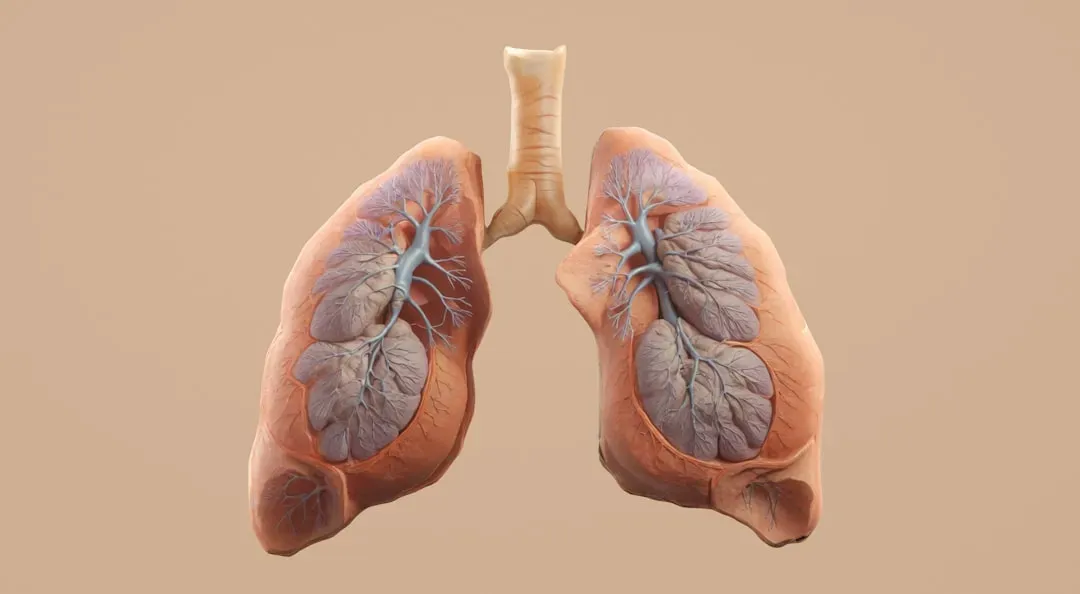
Experts link radon to about 21,000 U.S. lung cancer deaths annually. That’s non-smokers too, since it damages lung tissue over time. The risk multiplies with smoking, hitting harder in high-exposure spots.
A 2025 study found nearly a quarter of Americans face dangerous levels.[6] In Appalachia, geology stacks the odds. Small daily doses add up to big threats.
2026 Studies: Higher Cancer Rates in Risk Zones
New research from early 2026 shows lung cancer incidence 13.5% higher in high-radon counties versus low ones. Females bore the brunt in long-term data. This spans nearly 50 years of tracking.[7]00078-4/fulltext)
Appalachian counties align with these high-risk profiles. It’s hard data pushing for action. Levels fluctuate, so fresh tests matter most.
January marked National Radon Action Month for 2026. Momentum carries into spring testing drives.[8]
Why Basements Trap the Gas Worst
Cracks in foundations suck radon right in. Basements stay cooler and tighter, letting it build. Homes without them aren’t immune, but lower levels amplify exposure.
Trail-side houses on slopes push gas downward. Winter sealing traps it further. One test kit spots the issue fast.
Test in Early 2026: Timing Couldn’t Be Better
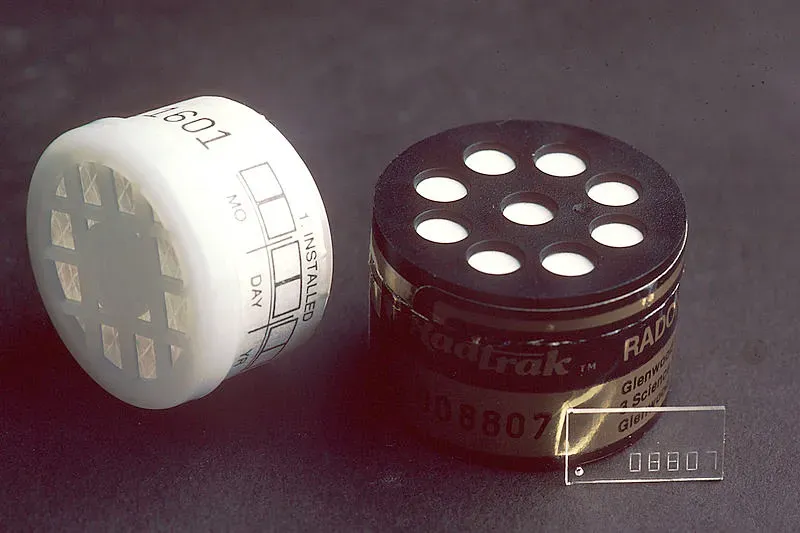
Winter and early spring offer peak accuracy. Homes close up, mirroring true long-term levels. EPA urges tests every two years anyway.[9]
With fresh 2026 alerts, now beats waiting. Kits cost little, results in days. Peace of mind follows quick fixes.
Step-by-Step: Testing Made Simple
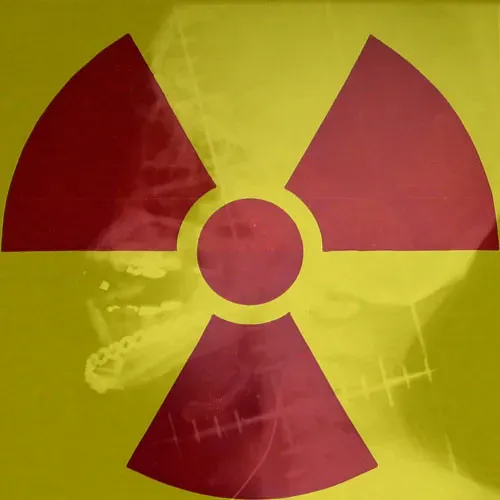
Grab an EPA-approved short-term kit online or from hardware stores. Place it in the basement lowest lived-in area for 2-7 days. Mail it back for lab analysis.
Digital monitors give instant reads too. Retest if over 4 pCi/L. Pros handle it for certainty. No excuses left.
Mitigation Works: Vent It Out
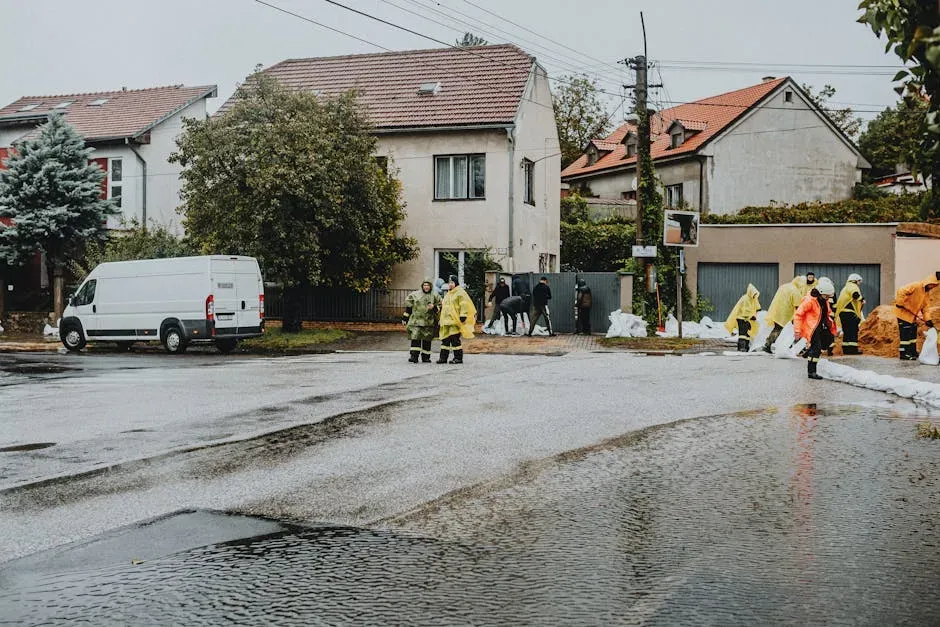
Vent pipes pull radon from under slabs to outdoors. Fans run quietly, costs under $1,500 often. Systems slash levels by nearly all.
Seal cracks help too. Certified pros ensure it sticks. Many see results in weeks. Your basement transforms safe.
Trail Homeowners: Act Before Spring Hikes
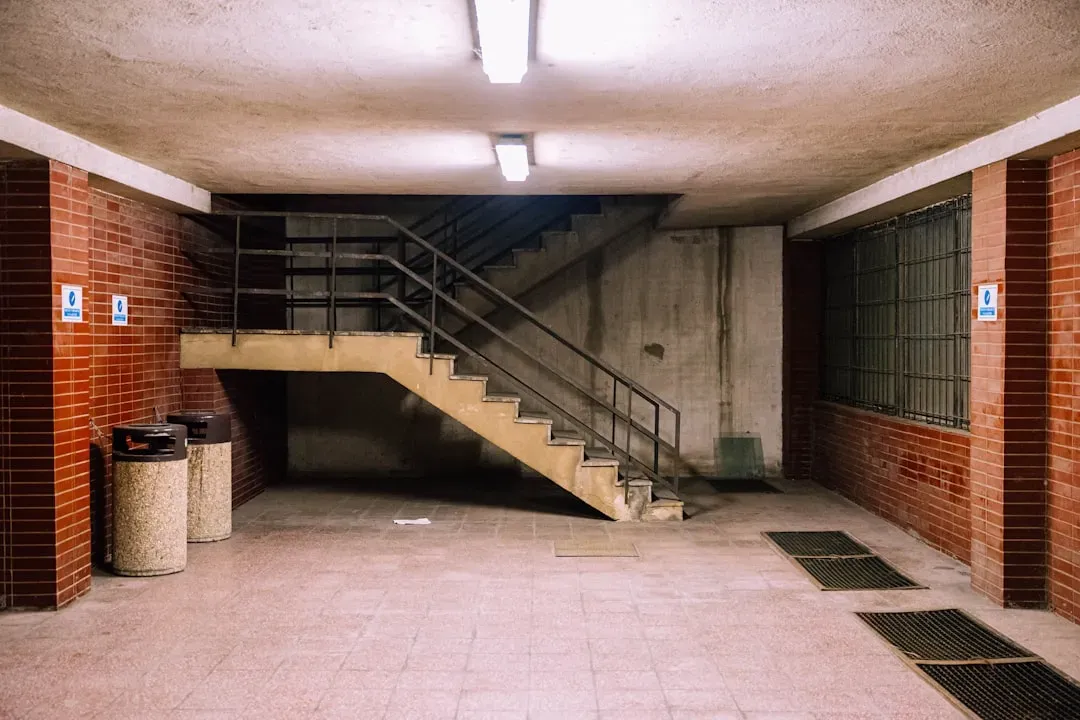
Geology won’t change, but your response can. High potential meets daily life in these homes. Testing guards against the unseen.
Latest maps and stats demand it. Simple steps save lives. Grab that kit today – what’s stopping you?