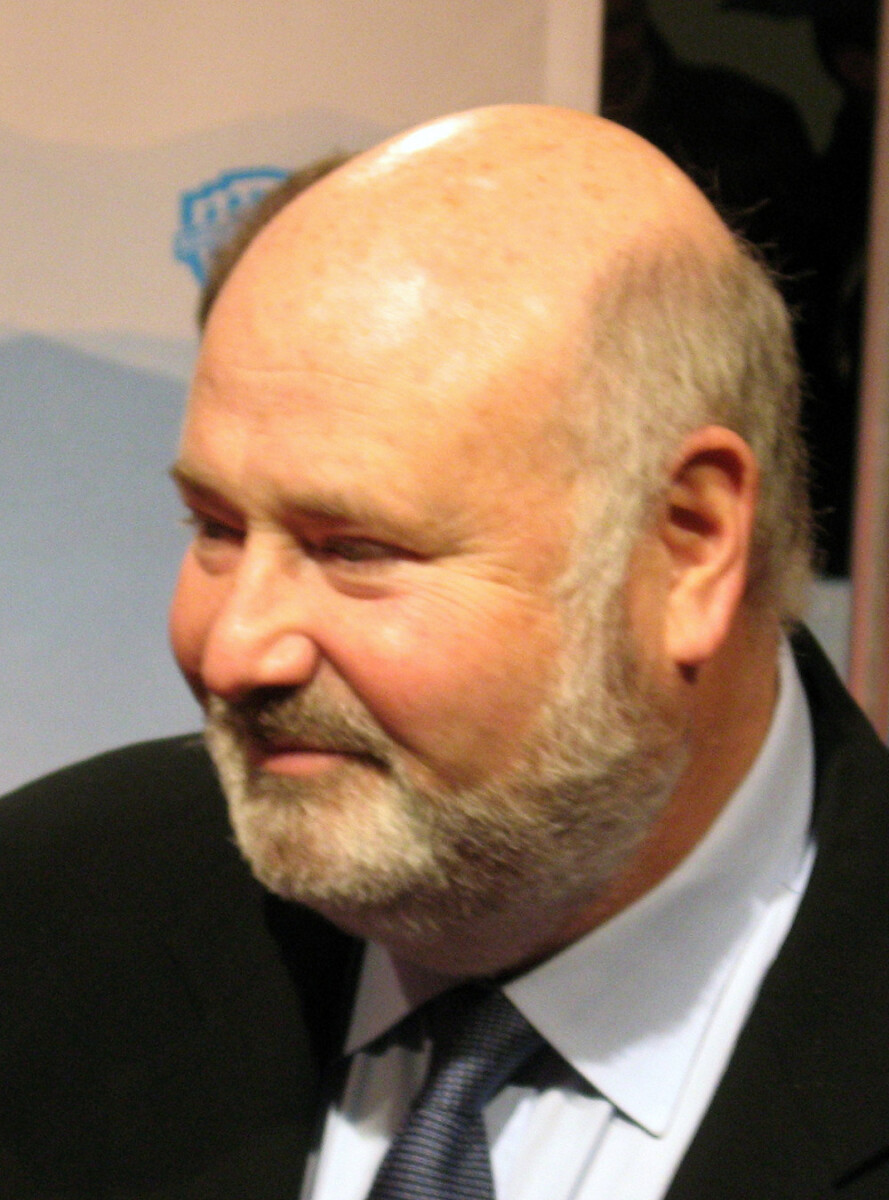


A Son’s Public Fight Against Substance Abuse (Image Credits: Upload.wikimedia.org)
Los Angeles – In the shadow of Tinseltown glamour, the Reiner family confronted a private storm of addiction that ultimately led to unimaginable tragedy.
A Son’s Public Fight Against Substance Abuse
Nick Reiner, the 32-year-old son of acclaimed director Rob Reiner and his wife Michele, had long been open about his struggles with addiction. He shared his journey toward recovery through personal accounts and even co-wrote a film inspired by his experiences. Those efforts highlighted the challenges of overcoming dependency in a high-profile family. Yet, despite periods of progress, the battle persisted, casting a long shadow over his life. Authorities now link those struggles to a devastating turn of events.
Reports from sources like the Los Angeles Times detailed how Nick’s addiction affected his daily existence, including multiple stints in rehabilitation. He spoke candidly about the manipulative behaviors that often accompany substance use disorders. Family members, including his parents, supported his recovery initiatives publicly. However, the depth of the issue revealed itself in ways that strained relationships. This openness aimed to inspire others facing similar demons.
The Tragic Discovery in Brentwood
On December 15, 2025, police responded to a welfare check at the Reiners’ Brentwood residence and found Rob and Michele dead inside their home. The investigation quickly classified the deaths as a homicide. Hours later, Nick Reiner faced arrest on suspicion of murder and was booked into Los Angeles County Jail without bail. The scene suggested a violent altercation, though details remained limited as the probe continued. This shocking development stunned the entertainment community and beyond.
Investigators noted prior tensions within the household, exacerbated by Nick’s ongoing issues. Neighbors reported occasional disturbances, but nothing foreshadowed such horror. The family’s affluence offered resources for treatment, yet addiction’s grip proved unrelenting. Rob Reiner, known for films like “The Princess Bride” and “When Harry Met Sally,” had advocated for mental health awareness. The irony of a public figure’s family enduring this privately underscored broader societal challenges.
Years of Relapses and Family Strain
Nick’s addiction journey began in his younger years, marked by relapses that tested his parents’ patience and love. He entered various treatment programs, some tailored to high-profile individuals, but maintaining sobriety proved elusive. Mental health factors intertwined with substance abuse, complicating recovery efforts. The Reiners sought professional guidance, yet the cycle repeated. Public glimpses into Nick’s story, shared through interviews and his screenplay, revealed the emotional toll on everyone involved.
Family dynamics shifted as interventions became routine. Rob and Michele balanced their careers with supporting their son, often prioritizing his well-being. Siblings faced the ripple effects, navigating grief and fear. Experts in addiction recovery emphasize how such disorders can isolate individuals and fracture bonds. In the Reiner case, these elements converged into a perfect storm leading to the recent arrests.
- Early signs of addiction emerged during Nick’s adolescence.
- Multiple rehab stays provided temporary relief but not lasting change.
- Public sharing of his story aimed to reduce stigma around recovery.
- Family interventions highlighted the manipulative aspects of addiction.
- Mental health support was integral but insufficient alone.
Broader Implications for Addiction in America
The Reiner tragedy spotlights the opioid crisis and mental health epidemics affecting millions. According to reports, addiction impacts families across socioeconomic lines, often hidden behind closed doors. High-profile cases like this draw attention to underfunded treatment options and the need for comprehensive care. Law enforcement’s role in such incidents raises questions about intervention timing. Policymakers continue to debate reforms that could prevent similar outcomes.
Advocacy groups point to the Reiners’ experience as a cautionary tale. Early detection and sustained support remain key to breaking addiction cycles. The entertainment industry’s pressures may intensify vulnerabilities for some. Still, stories of successful recovery offer hope amid the despair. This event prompts reflection on how society addresses these pervasive issues.
| Aspect | Reiner Family Experience | Common Challenges |
|---|---|---|
| Treatment Attempts | Multiple rehabs and therapy | High relapse rates nationwide |
| Family Impact | Strained relationships and interventions | Emotional and financial toll on relatives |
| Public Awareness | Shared recovery narrative | Stigma hinders open discussions |
Key Takeaways
- Addiction often involves co-occurring mental health issues requiring integrated care.
- Family support is crucial, but boundaries protect all involved.
- Public stories like Nick’s can destigmatize recovery and encourage help-seeking.
The Reiner family’s story serves as a stark reminder of addiction’s destructive power, even in the face of privilege and love. As investigations unfold, the focus shifts to healing for survivors and prevention for others. What steps can communities take to support those in the throes of addiction? Share your thoughts in the comments below.