
Handmade Goods Have Become a Major Economic Force
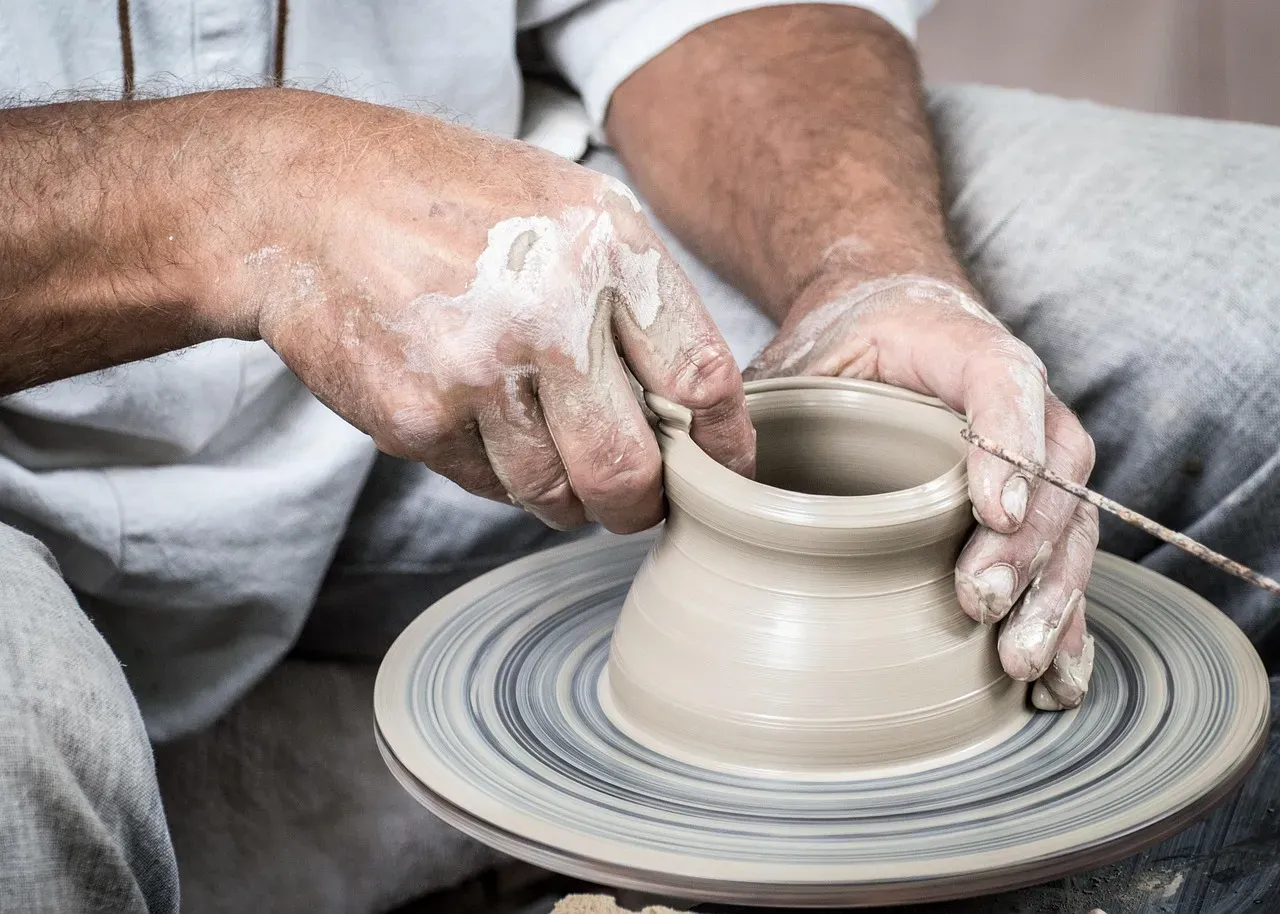
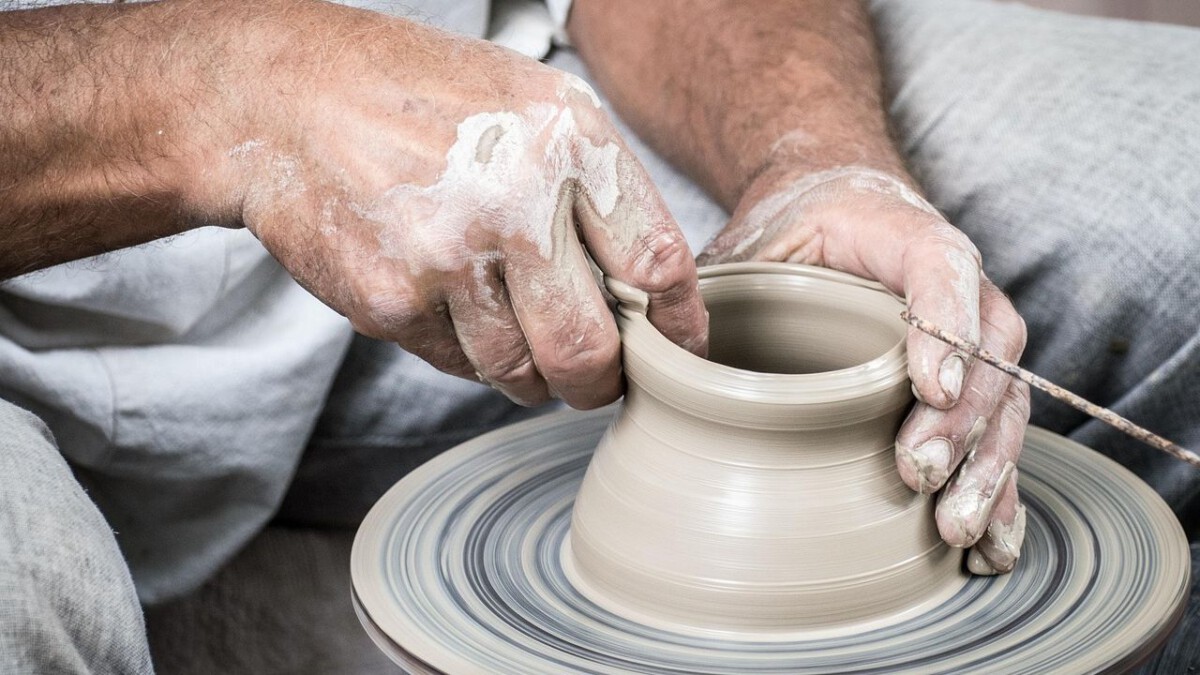
The broader artisan industry was valued at about $985 billion in 2023 and supports roughly 300 million jobs worldwide. The American segment of this market has proven its weight, with the North America Handicrafts market valued at USD 213 Billion in 2023 driven by consumer demand for products made with care and intention. This isn’t just about nostalgia or trend chasing. People are rediscovering what it means to own something made by human hands rather than stamped out by machines overseas.
The shift feels almost like a quiet rebellion against decades of mass production. Consumers today seem willing to trace the origins of what they buy, and that curiosity is giving smaller producers real leverage in the marketplace.
Consumers Are Actively Choosing American Made Products
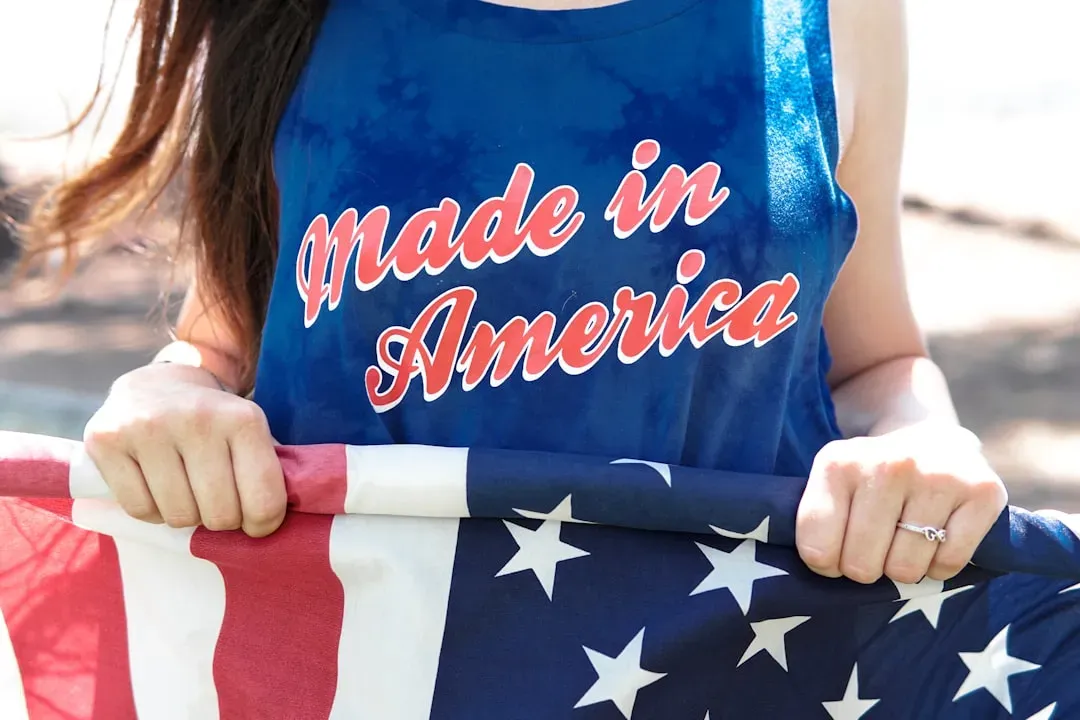
Interest in American-made products is rising: Google searches for “made in USA” have roughly doubled since the start of 2025, and 43% of Americans say their interest has increased over the past year. Around two-thirds of survey respondents said they regularly sought out products that were “Made in America” during the last year. This isn’t passive appreciation. It’s deliberate purchasing behavior rooted in values around job creation, quality, and supporting local artisans.
A study revealed that local brands are growing faster than global ones, with a 50% increase in consumer preference for local over global products. People want stories behind the objects they bring into their homes. They’re drawn to authenticity and the knowledge that their money is staying closer to where they live.
Craftsmanship Fuels Job Creation Beyond Urban Centers
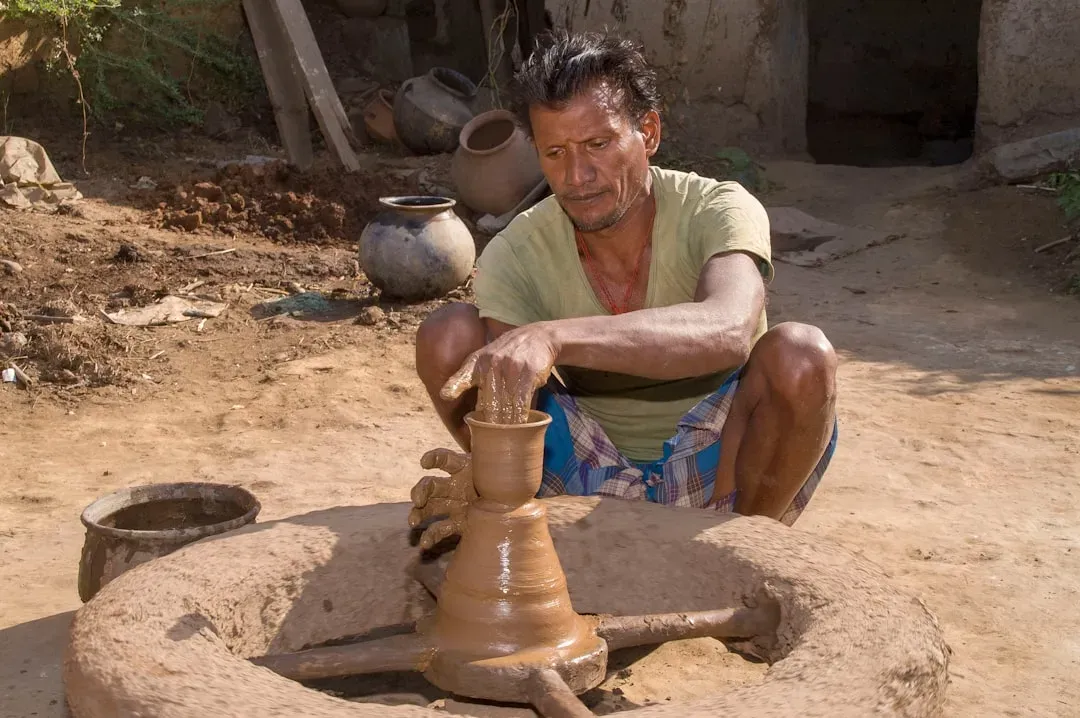
The most popular lines of research on this subject were crafts as a source of income for local communities, especially linked to tourism, job creation and sustainability. Rural handicraft industries provide jobs in rural areas, helping residents earn a livelihood locally instead of migrating to urban areas. This matters more than people realize, especially in regions where factory closures or agricultural decline have left economic voids.
Artisan work offers flexibility that larger employers often can’t. A furniture maker in Vermont or a textile weaver in North Carolina can operate from home, sell regionally, and still contribute meaningfully to household income. That kind of resilience is harder to outsource or automate.
Small Scale Manufacturing Anchors the National Economy
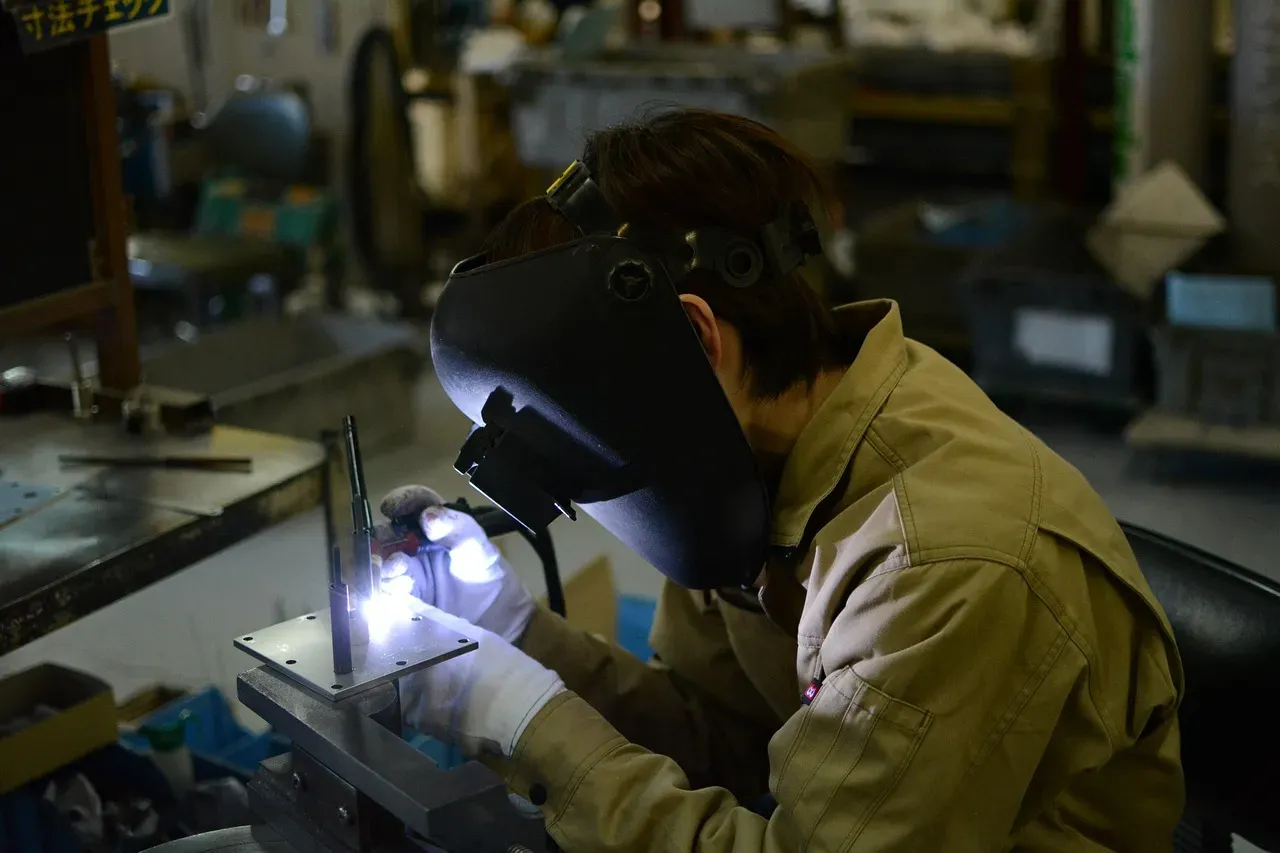
Manufacturers contributed $2.90 trillion at the annual rate to the U.S. economy in Q2 2025. While large corporations dominate headlines, small manufacturers form the backbone of this sector. These businesses often operate at the intersection of traditional craft skills and modern production methods, offering customization and quality that mass producers can’t match.
Nationally, 10% of U.S. GDP comes from manufacturing. Within that percentage, smaller operations are increasingly carving out niches in specialty goods, artisanal production runs, and regional markets. They’re proving that scale isn’t everything when you’ve got skill and local demand on your side.
Independent Business Alliances Strengthen Artisan Networks
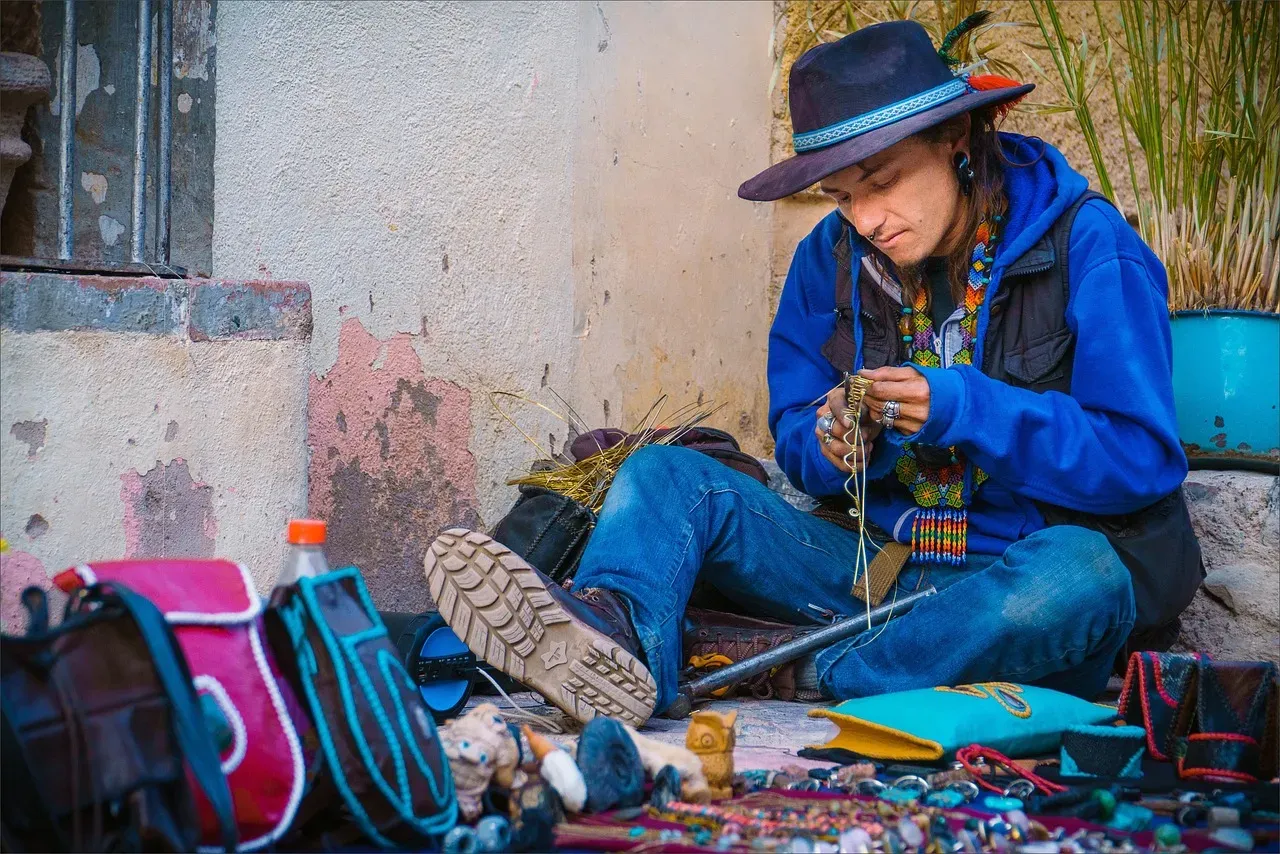
The American Independent Business Alliance (AMIBA) is a non-profit organization that represents the interests of local independent businesses, helps communities develop strong local economies through nurturing local entrepreneurs, and promotes citizen engagement in local economic development. Collectively, these IBAs represent about 24,000 independent businesses. These networks don’t just offer moral support. They coordinate marketing, advocate for favorable policies, and create infrastructure that individual artisans couldn’t build alone.
Independent locally-owned businesses recirculate a far greater percentage of revenue locally compared to absentee-owned businesses. In other words, spending locally creates more local wealth and jobs. That multiplier effect means a dollar spent at a local craft shop ripples through the community in ways that a purchase from a distant corporation never will.
Craft Based Businesses Offer Economic Independence
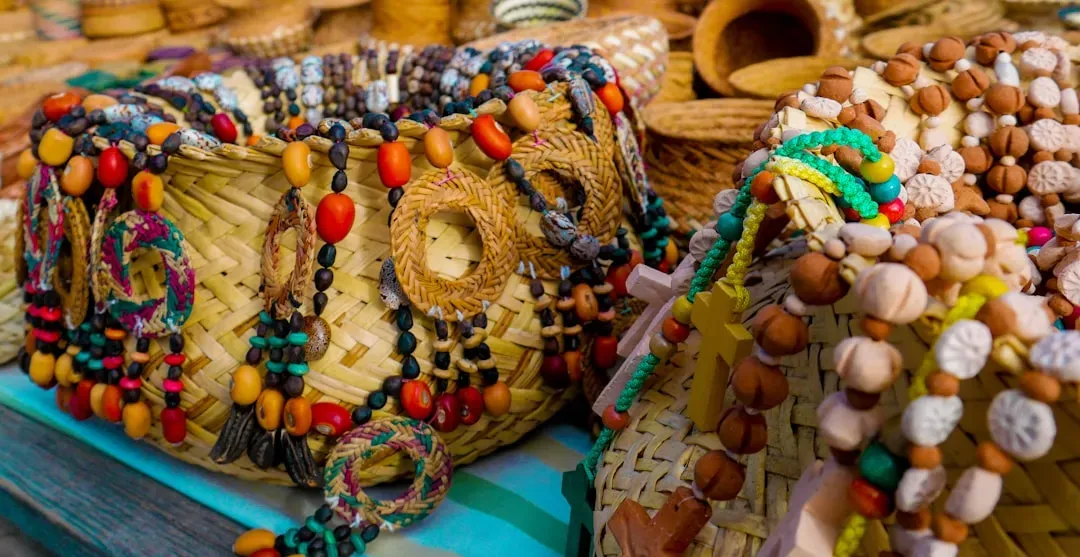
Many artisans view their work as more than income generation. It’s about preserving skills that would otherwise vanish and reducing reliance on global supply chains that have proven fragile. When a potter sources clay regionally or a blacksmith works with local metals, they’re building resilience into their business model from the ground up.
This approach also insulates communities from economic shocks elsewhere. If international shipping costs spike or tariffs disrupt imports, locally rooted craftspeople keep producing. That kind of stability doesn’t show up neatly in quarterly reports, yet it’s invaluable during uncertain times.
The Handmade Effect Influences Buyer Decisions
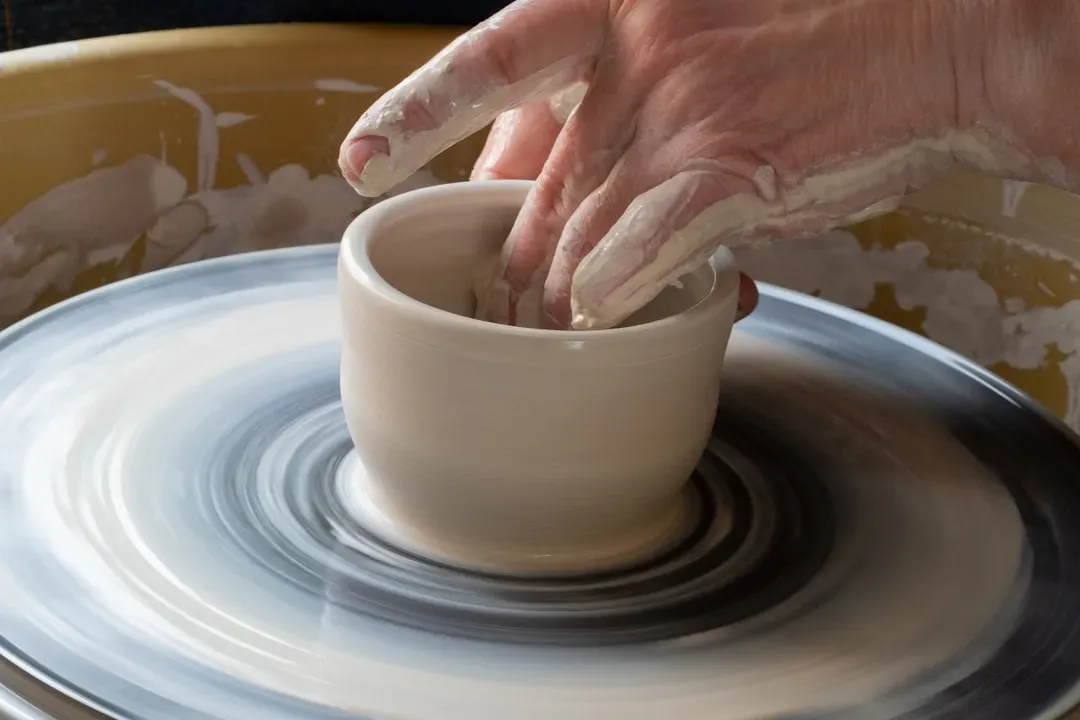
There’s something psychologically different about buying a mug thrown on a wheel versus one mass produced in a factory. Research consistently shows that consumers assign higher value to items they know were made by individuals rather than machines. This “handmade effect” drives purchasing decisions even when machine made alternatives cost less.
People seem to understand intuitively that craft objects carry intention. The slight variations, the fingerprints in the clay, the uneven stitching – these aren’t flaws. They’re evidence of human involvement, and that matters to buyers in ways that transcend pure utility or price comparison.
Craft Markets and Fairs Drive Grassroots Economic Activity
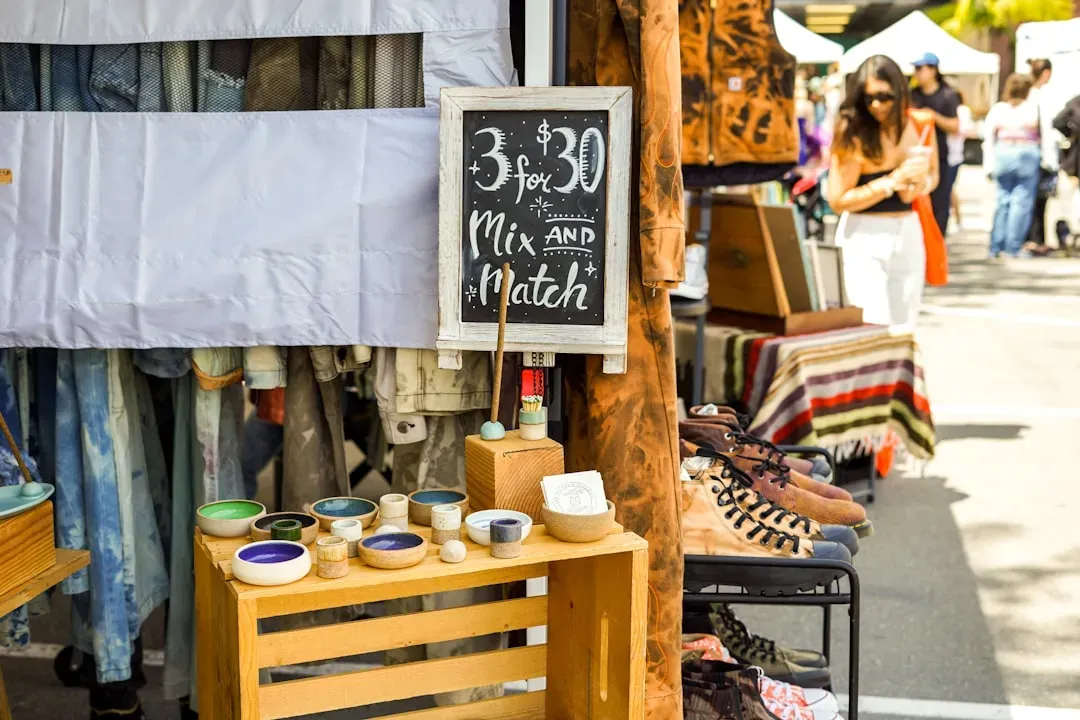
Farmers markets and craft fairs have exploded in number over the past two decades. These gatherings do more than facilitate sales. They create community gathering spaces, attract tourism, and give artisans direct feedback from customers. A ceramicist might learn which glaze colors sell best; a jeweler discovers what earring styles resonate with local tastes.
The economic impact extends beyond vendor tables. Visitors eat at nearby restaurants, shop at neighboring stores, and return for future events. What starts as a Saturday morning craft market can become a catalyst for broader commercial revitalization in struggling downtowns.
The Maker Movement Blends Tradition with Entrepreneurship
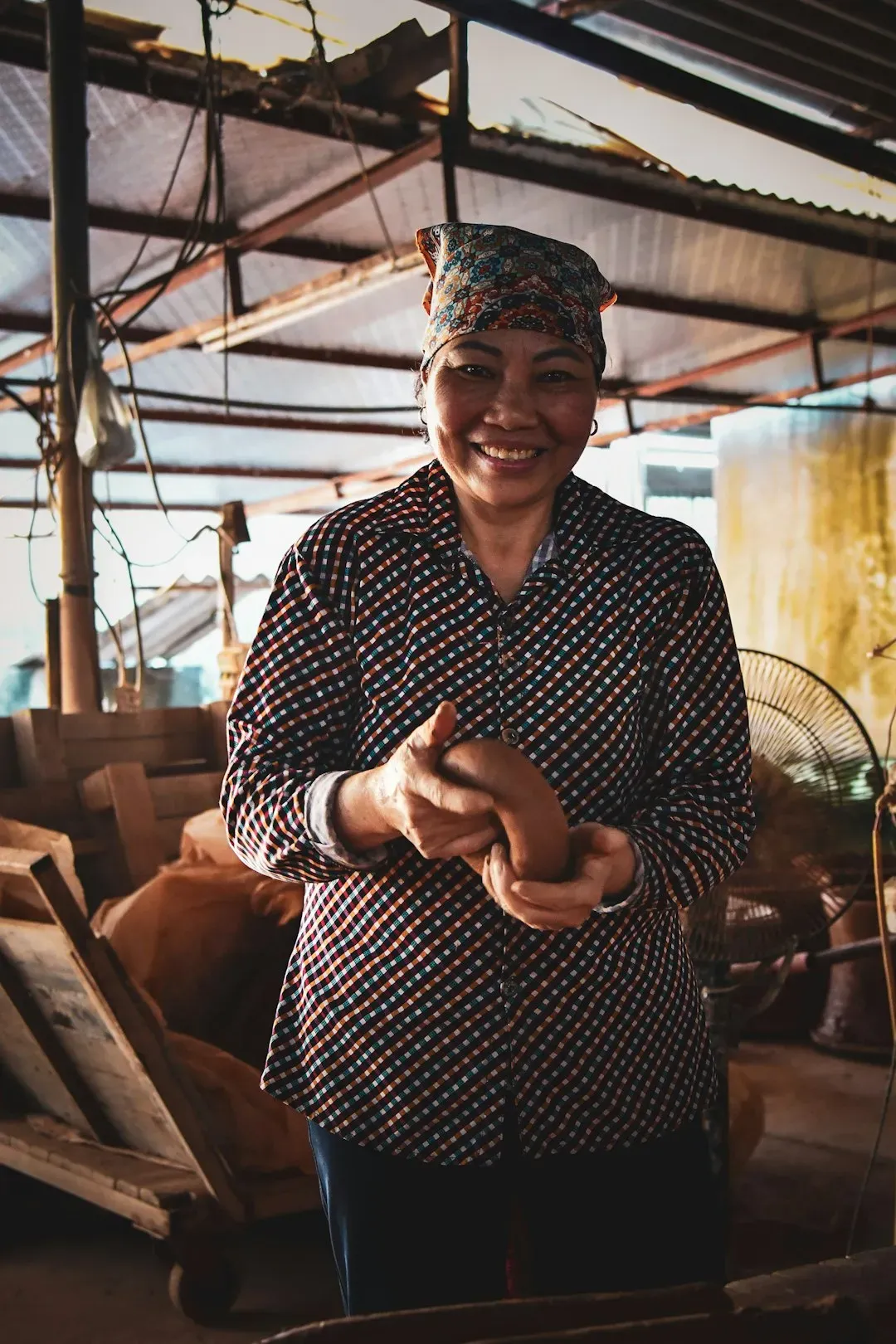
The modern maker movement represents a fascinating convergence of old-school craft skills and contemporary business thinking. Today’s artisans are just as likely to understand Instagram algorithms as they are mortise and tenon joints. They’re combining centuries-old techniques with e-commerce, subscription models, and direct-to-consumer sales strategies.
This blend creates economic opportunities that didn’t exist even a decade ago. A textile artist can offer online workshops while selling finished pieces through a Shopify store and collaborating with interior designers on custom commissions. The craft itself remains rooted in tradition, yet the business model is thoroughly modern and adaptable.