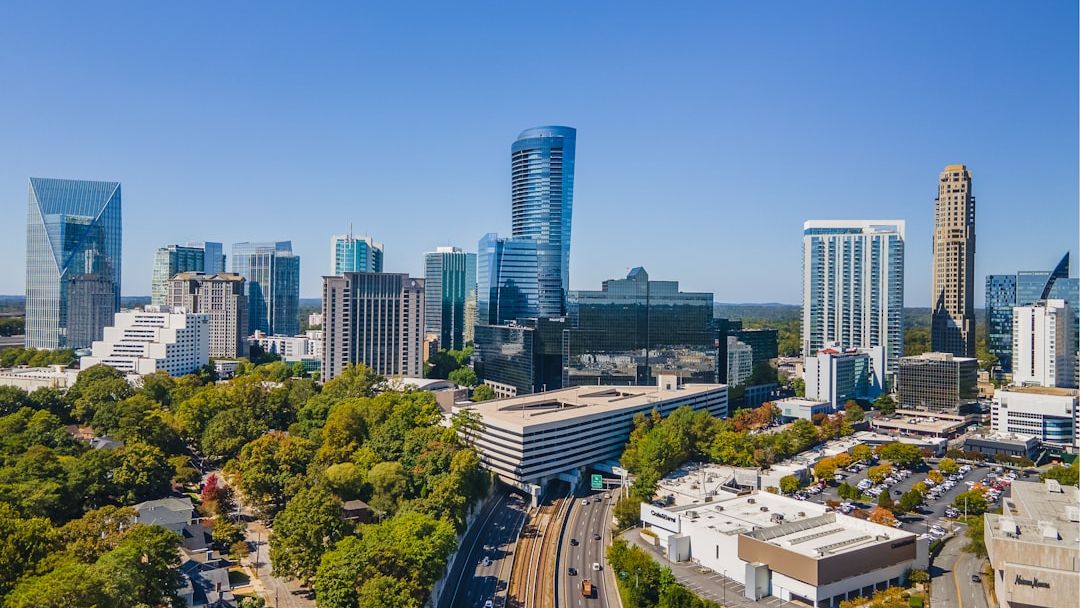

Picture this: affluent neighborhoods fed up with city hall, drawing lines around their borders like modern-day fortresses. These so-called gated towns aren’t just complaining; they’re pushing to break free entirely from their states. It’s a wild trend bubbling up in America’s suburbs, fueled by gripes over taxes, crime, and control.
Let’s be real, the stakes feel higher than ever in 2026, with folks craving that local say-so. What drives these wealthy enclaves to dream of independence? Dive into three prime examples shaking up the map.
Buckhead, Georgia: Tax Haven on the Brink
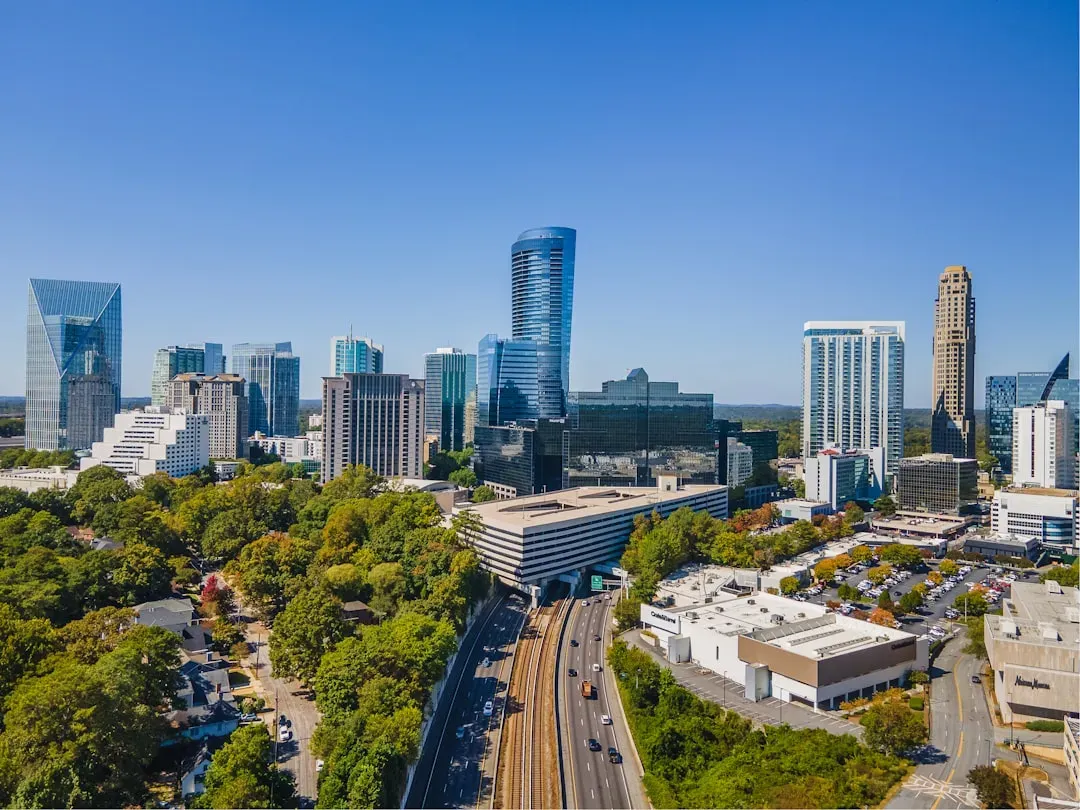
Buckhead’s cityhood push kicked off back in 2021, but by 2023, crime worries and tax beefs reignited the fire. This ritzy Atlanta slice pumps in over 30 percent of the city’s property tax cash, per local estimates, leaving residents fuming that their dollars fund distant problems. The Georgia legislature keeps stalling approval, yet the movement presses on amid rising frustration.
Urban policy watchers like the Brookings Institution point to classic secession sparks: uneven tax splits and policing clashes. Wealthier spots like Buckhead often eye private security over shared city forces, a shift studies in urban economics back up. Honestly, it’s no shock; when your neighborhood foots a huge bill but gets little back, talks of splitting feel inevitable.
Staten Island, New York: Echoes of a ’93 Rebellion

Staten Island’s secession saga dates to 1993, when voters overwhelmingly backed ditching NYC, only for New York’s legislature to slam the door shut. Legal hurdles remain ironclad today, demanding state sign-off for any carve-out, as experts everywhere confirm. Fast-forward to recent years, and old tensions over local control simmer again in this isolated borough.
Polarization plays a big role, with Pew Research Center surveys showing U.S. divides deepening over the last decade, spilling into these fights. Residents chafe at Manhattan-centric policies on everything from zoning to schools. It’s a textbook case of boroughs wanting their own rules, away from the big city’s chaos.
Southlake, Texas: Suburban Autonomy Uprising
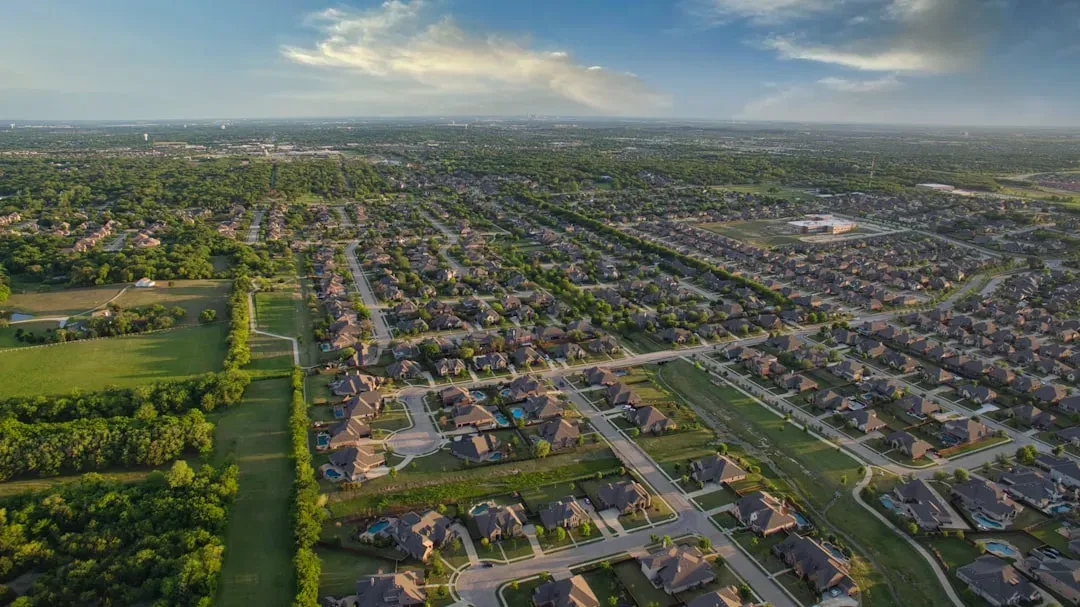
Southlake’s drama exploded since 2023, zeroing in on school boards, zoning battles, and that push for ironclad local rule. Affluent Texas suburbs like this one mirror a national wave of “local control” debates in 2024, especially on policing and development. Folks here invest heavily in private perks, from gated guards to top-tier infrastructure, dodging broader public reliance.
Brookings analyses warn that splintering amps up inequality, as rich pockets hoard resources while others scrape by. Still, Southlake’s crew sees secession as survival against state overreach. In a polarized era, these moves signal a decentralization vibe that’s hard to ignore.