

Have you ever watched your dog tilt its head when you talk, or noticed your cat staring at you from across the room, and wondered what’s actually going through their mind? Here’s the thing: We share our homes with millions of animals, yet their inner worlds remain mostly mysterious to us. Scientists are finally starting to crack that code, and what they’re discovering is honestly pretty remarkable. Your pet isn’t just reacting mindlessly to treats and belly rubs. Recent research using brain scans, behavioral studies, and clever experiments is revealing that our furry companions have surprisingly complex mental lives.
Let’s be real, we can’t read minds. Still, the evidence piling up from labs across the country suggests something incredible: Pets are processing far more about us than we ever imagined.
Your Dog Actually Understands Words, Not Just Your Tone
A 2024 study published in Current Biology revealed that dogs generally know that certain words “stand for” certain objects, with brain activity recordings suggesting they activate a matching mental representation in their minds. This isn’t about commands like “sit” or “stay” where action follows sound. It’s deeper than that.
Researchers used non-invasive EEG technology to measure what happened in dog brains when they heard toy names. The brain recording results showed a different pattern when dogs were shown a matching object versus a mismatched one, similar to what researchers have seen in humans and is widely accepted as evidence that they understand the words. Think about that for a second. Your dog might actually picture their favorite ball when you say “ball,” even before you throw it.
They Process Actions in Their Brain, Not Just Sounds
It gets even more fascinating. A 2025 fMRI study found that action instruction words engaged semantically relevant sensorimotor regions in dog brains, with lexical processing entailing both word form and meaning representations. Words like “come” or “go” actually light up movement-related parts of the brain.
I think this is what makes the bond between dogs and humans so special. Lexical responsivity was identified not only in bilateral auditory regions but also in right motor and motor control regions, with semantic distances of action instruction words reflected in representational dissimilarities in the bilateral auditory cortices. They’re not just hearing us. They’re mentally preparing to do what we’re asking.
Dogs Can Literally Smell Your Stress and It Changes How They Think

Ever notice your dog acting weird when you’re having a bad day? You’re not imagining it. A 2024 study in Scientific Reports found that when dogs were exposed to stress odour, they were significantly less likely to approach an ambiguous bowl location, indicating possible risk-reduction behaviours in response to the smell of human stress.
Here’s where it gets interesting: The stress smell made dogs slower to approach ambiguous locations, suggesting that the stress smell may have increased the dogs’ expectations that this location contained no food, and researchers suggest this ‘pessimistic’ response reflects a negative emotional state. They’re not just smelling your stress. It’s actually altering their decision-making and making them more cautious. Honestly, that’s a pretty sophisticated emotional response.
Nearly Three Quarters of U.S. Households Share Their Lives With Pets

An estimated seventy-one percent of U.S. households, or about 94 million families, own a pet, according to the 2024-2025 National Pet Owners Survey conducted by the American Pet Products Association. That’s a staggering number when you really think about it. Pets aren’t just popular. They’re practically woven into the fabric of American family life.
The commitment runs deep, too. Total pet industry expenditures in the U.S. totaled $152 billion in 2024, up 3.4 percent from $147 billion in 2023. We’re not just keeping pets. We’re investing heavily in their wellbeing, their health, and understanding them better.
Dogs Use Gaze as a Real Communication Tool
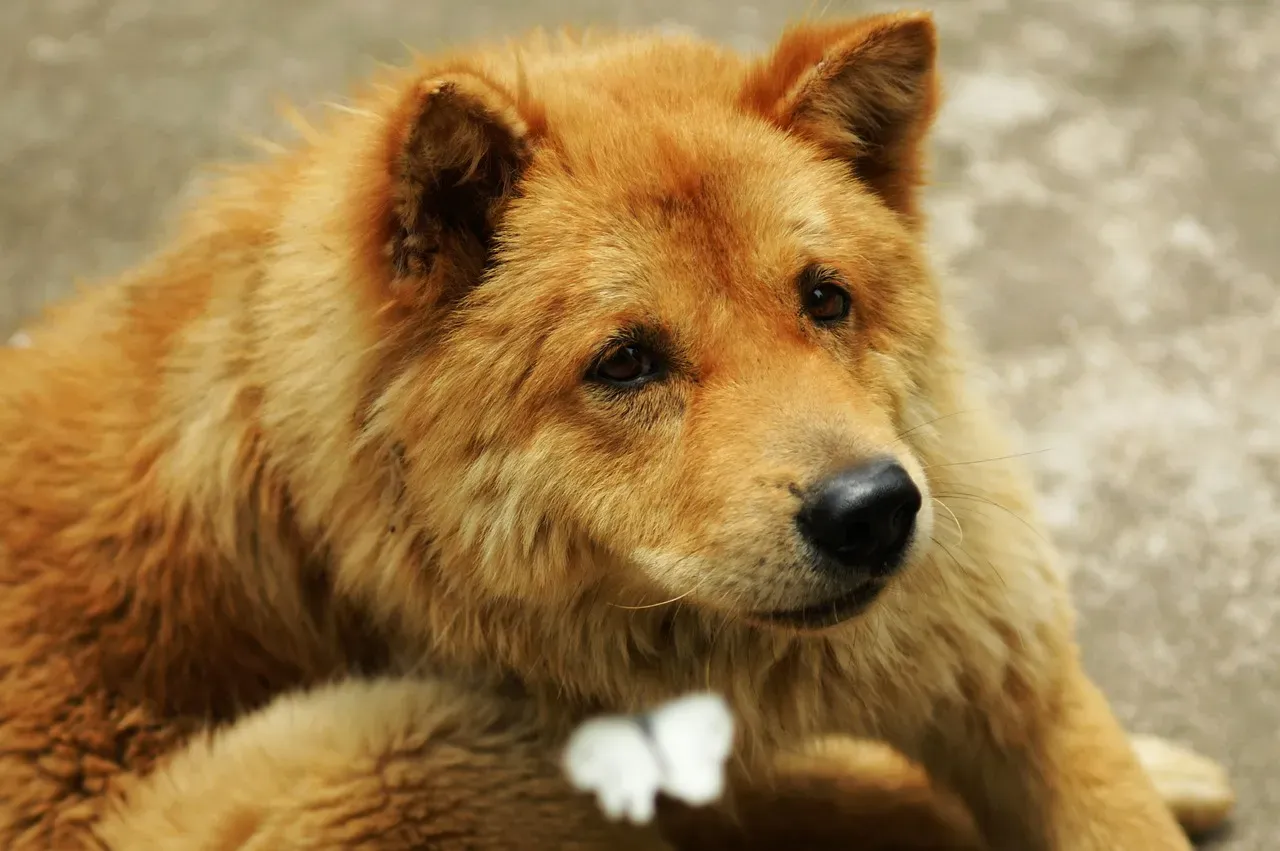
You know that moment when your dog looks at you, then looks at the treat jar, then looks back at you? That’s not random. Research from 2023 examining dog gaze behavior found evidence supporting that dogs use their gaze as an intentional communication signal directed at humans. It’s a deliberate attempt to get your attention and convey a message.
This might explain why dogs seem so good at “asking” for things without barking. They’ve learned that eye contact with humans works. They’re using a communication strategy refined over thousands of years of living alongside us, and it’s remarkably effective.
Cats Can Follow Pointing Gestures, Too

Let’s give cats some credit here. A 2023 study testing cats in a two-way object choice task found that on a group level, the success rate of cats was about 74 percent, with cats performing significantly above chance level in both the direct pointing and cross-body pointing condition.
Sure, they might act aloof, but cats are paying attention. The results replicate previous findings of cats being responsive to human pointing cues and add additional knowledge about their ability to follow cross-body pointing cues, highlighting that a domestic species socialized in a group setting may possess heterospecific communication skills. The ability to understand human gestures isn’t uniquely canine.
Dogs Still Outperform Cats in Understanding Human Communication
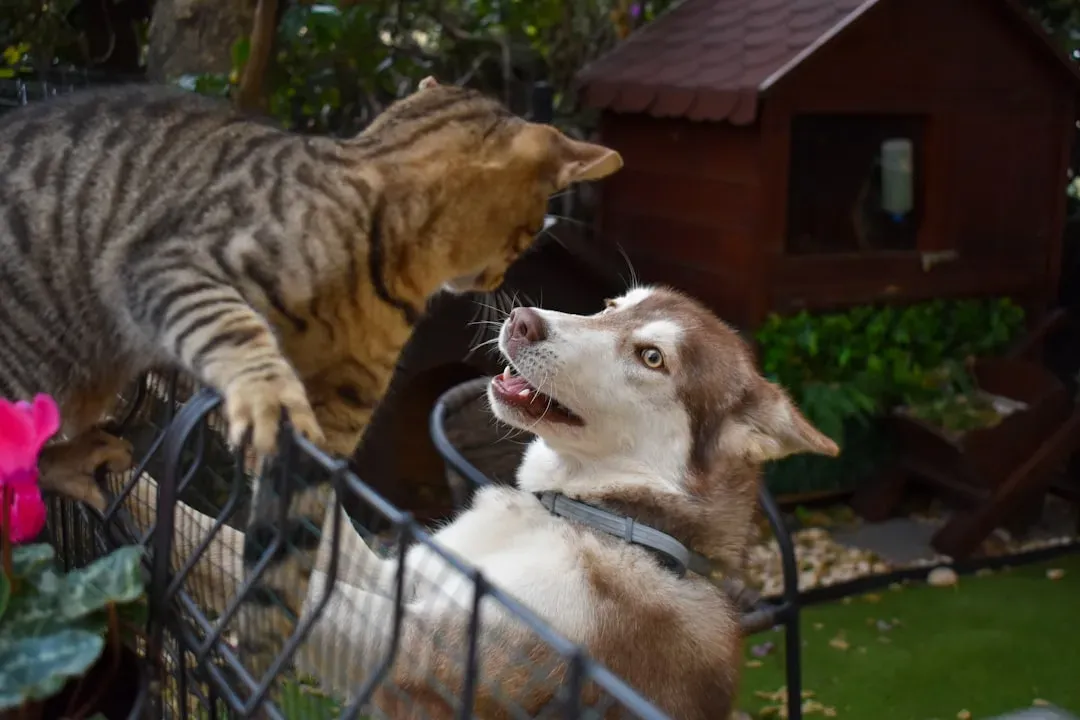
Still, there’s a difference. When directly compared, dogs made more successful choices than cats, both at the group and individual level, irrespective of the type of the pointing gesture. That 2023 Scientific Reports comparison really drove home how much more attuned dogs are to us.
Overall, dogs proved to be more skilled, finding the reward significantly more frequently than cats, and cats gradually became less willing to choose while dogs were eager to work during the whole duration of the test. It makes sense when you consider dogs evolved as pack animals who needed cooperation. Cats? Not so much. They’re more independent by nature.
The Bond Between Humans and Dogs Shows Up in Biological Measures

The connection goes beyond behavior. A 2024 research summary on dog-owner interaction noted that these interactions can be associated with measurable human physiological changes. We’re talking higher heart rate variability, increased oxytocin, and lower cortisol levels during positive interactions.
That warm fuzzy feeling you get when petting your dog? It’s not just psychological. Your body is literally changing in response to that bond. The relationship between humans and dogs has biological underpinnings that researchers are only beginning to map out fully.
Dog Ownership in America Keeps Growing
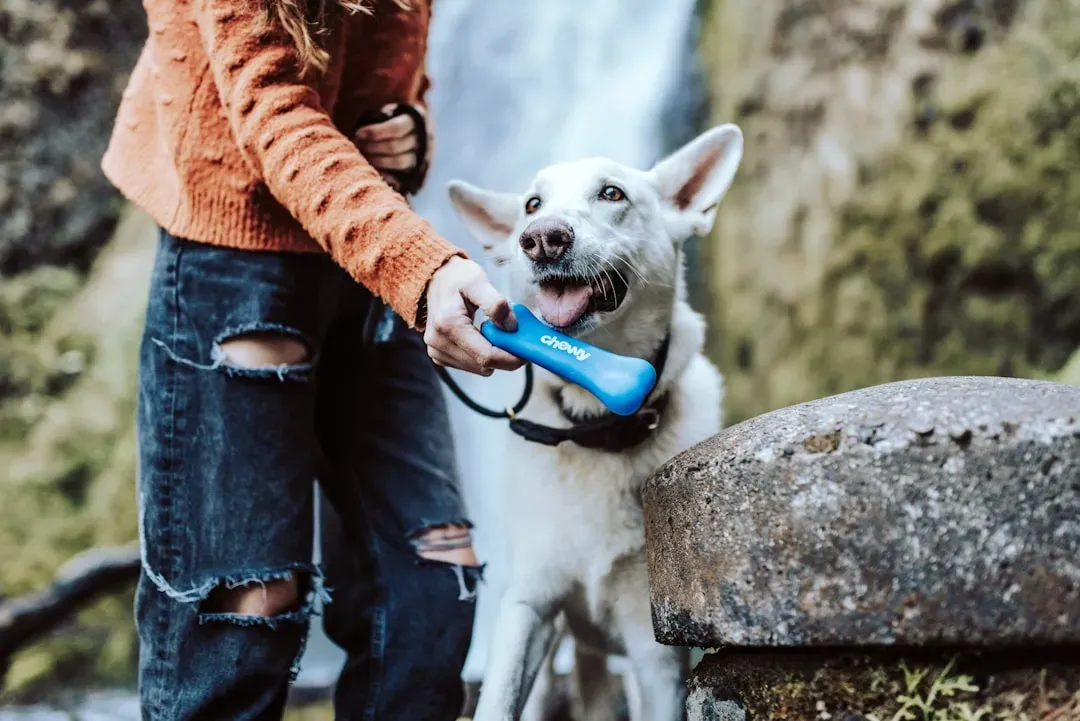
The numbers tell a story of deepening attachment. Recent U.S. industry reporting shows households reported about 68 million dogs in the latest survey period, up from 65.1 million previously. The trend is clear: more Americans are choosing to bring dogs into their lives than ever before.
Interestingly, it’s younger generations driving much of this growth. Gen Z pet ownership has surged, with these households more likely to have multiple pets. The way we think about pets is evolving, with younger people viewing them more as family members than simply animals.
What This All Means for You and Your Pet
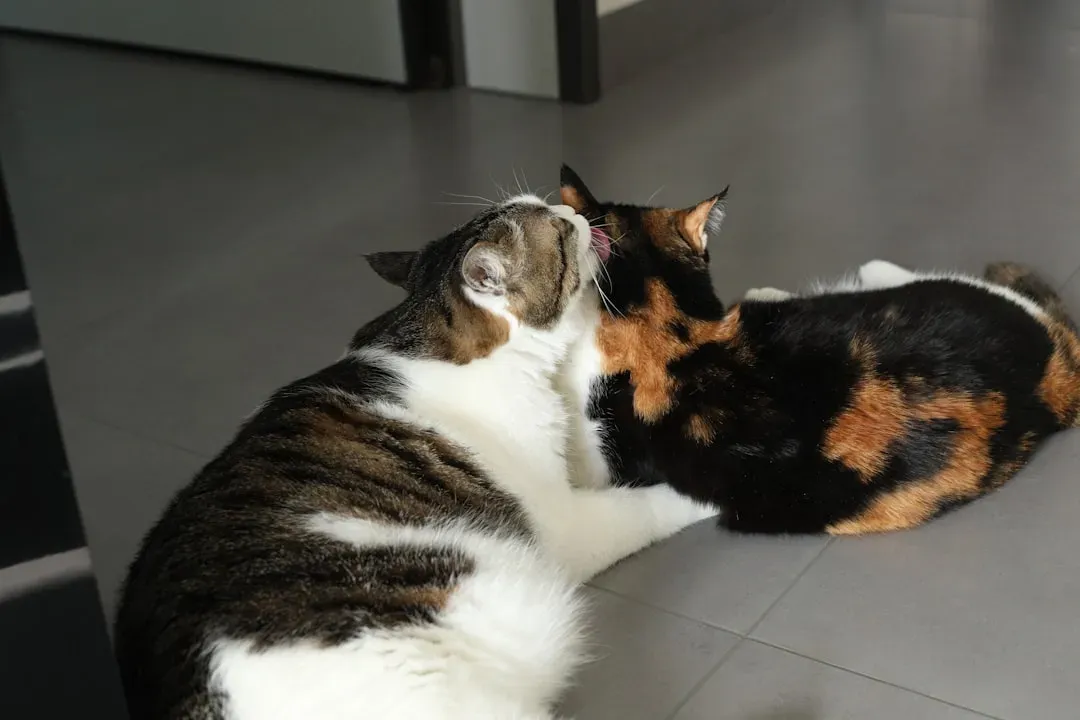
So where does this leave us? The research is painting a picture of pets as far more cognitively and emotionally sophisticated than we once believed. They’re not just responding to stimuli. They’re thinking, feeling, and processing information about us in ways that mirror some human capacities.
Understanding what’s going on in your pet’s mind isn’t just academically interesting. It can change how you interact with them. Knowing that your dog can smell your stress might make you more mindful during training sessions. Realizing your cat actually understands pointing could open up new ways to communicate. The more we learn, the better we can meet their needs and strengthen that bond.
What surprises you most about what pets might be thinking? The science is still unfolding, but one thing seems certain: The animals sharing our homes are paying far more attention to us than we ever realized. Maybe it’s time we returned the favor.