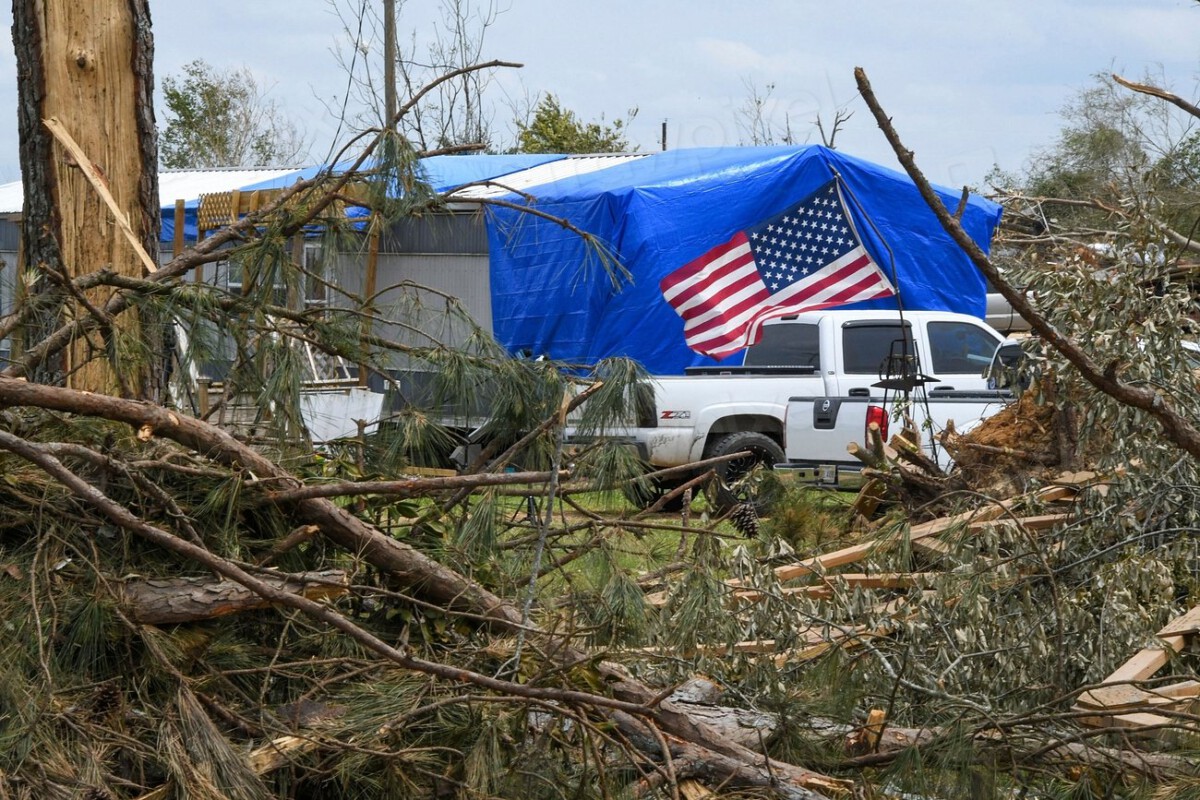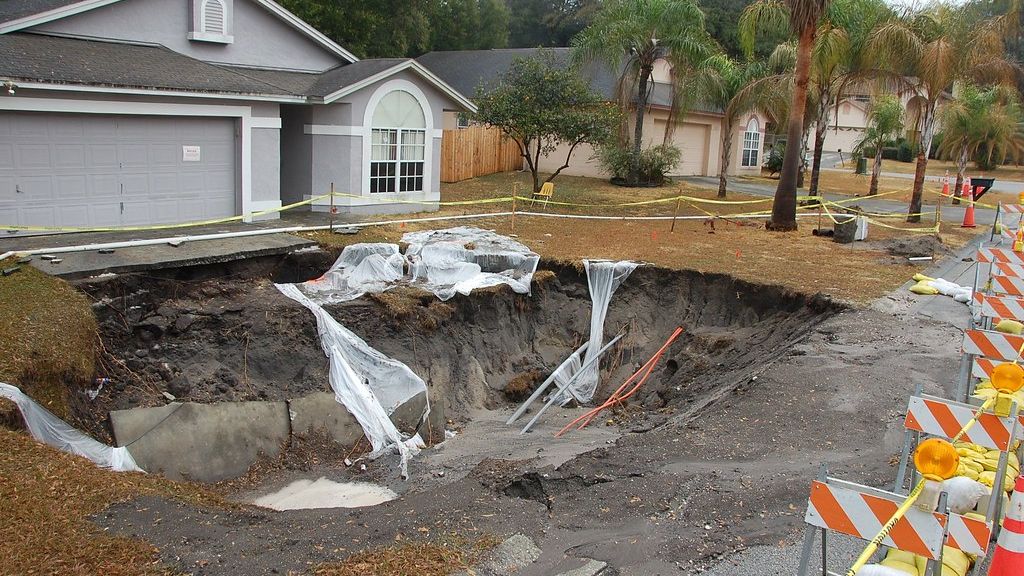

Picture this: you’re sipping coffee on your porch in sunny Central Florida, when suddenly the ground decides to play hide-and-seek with your entire backyard. Florida’s limestone bedrock, prone to dissolving like sugar in rainwater, turns everyday spots into potential trapdoors. The U.S. Geological Survey flags the state as a sinkhole hotspot, and Central Florida bears the brunt thanks to its karst terrain.
Heavy storms from 2023 to 2025 have only cranked up the drama, with road collapses and home scares popping up after every downpour. The Florida Geological Survey tracks thousands of these incidents, painting a vivid picture of shaky ground beneath popular neighborhoods. Let’s dive into the top 10 areas where buying a home means betting against Mother Nature.
Spring Hill, Hernando County
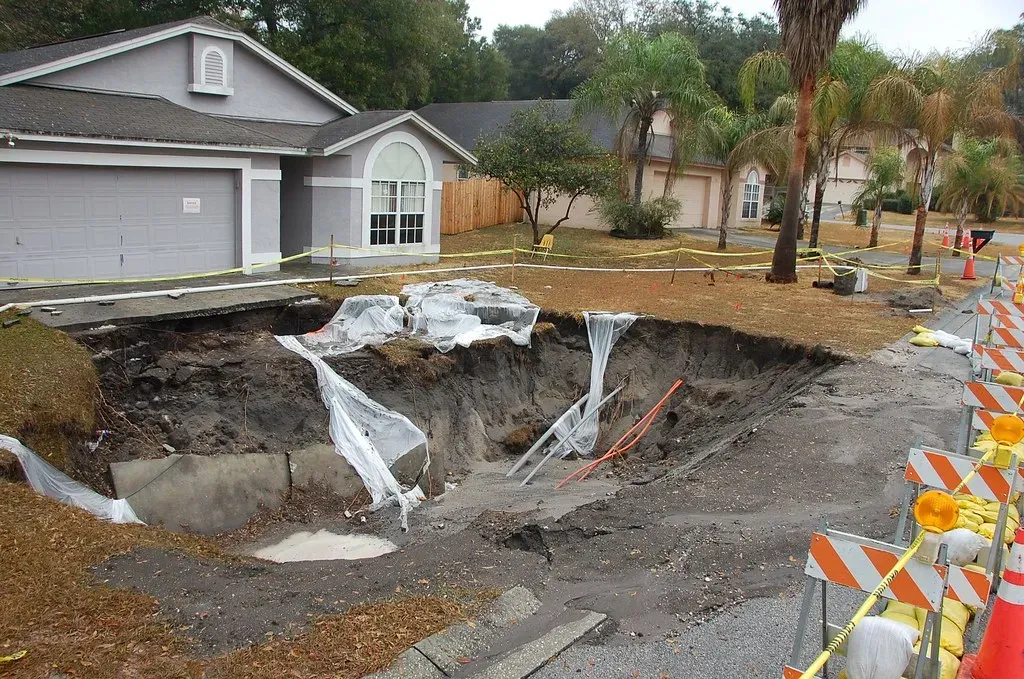
Spring Hill tops the charts as the nation’s sinkhole capital, according to local geologists and Hernando County records. The area’s limestone layers erode fast under groundwater, leading to frequent collapses that have swallowed streets and yards alike. Reports from 2024 highlight multiple events after heavy rains, forcing evacuations and repairs that cost homeowners big time.
Urban sprawl here adds weight to fragile soil, worsening the risk as noted by the Florida Department of Environmental Protection. Insurance claims spike in this zone, with Citizens Property Insurance handling payouts linked to ground shifts. Folks in Spring Hill know to watch for cracks in driveways, a telltale sign before the earth gives way.
Land O’ Lakes, Pasco County

Pasco County’s Land O’ Lakes grabbed headlines in 2017 with a monster sinkhole over 260 feet wide, and activity hasn’t slowed since. County officials confirmed dozens more depressions nearby, tying them to the region’s soluble rock dissolving under fluctuating water tables. Recent 2023 storms triggered fresh scares, displacing families as the ground kept shifting.
The Florida Geological Survey database logs high incident counts here, making it a prime spot in Sinkhole Alley. Development changes drainage, piling on pressure to unstable layers per expert analyses. Homebuyers face steep insurance premiums, reflecting the ongoing threat from these unpredictable voids.
Lutz, Hillsborough County
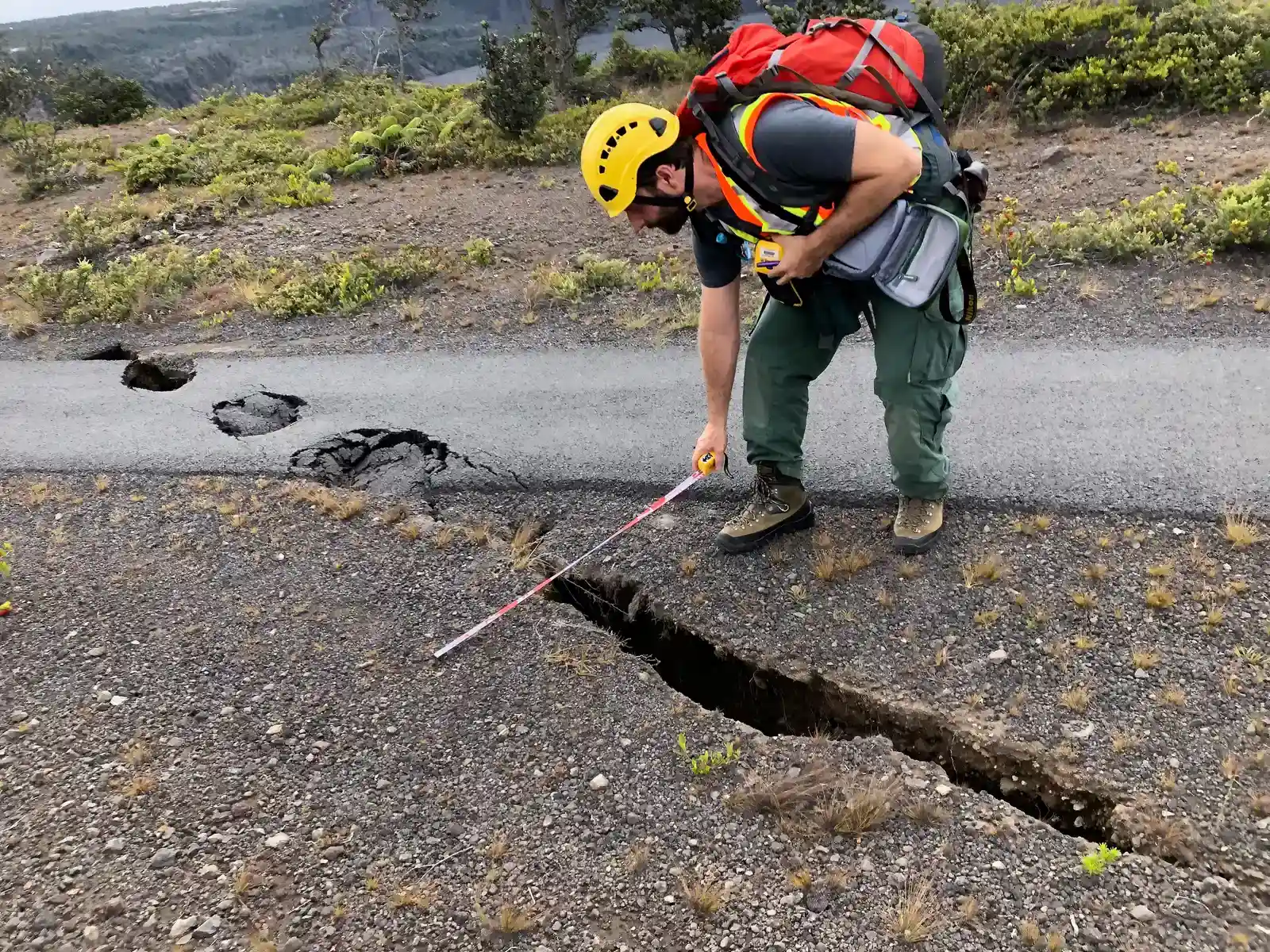
In Hillsborough’s Lutz area, a 90-foot-deep crater shut down a popular park back in 2015, and the pattern holds with steady reports through 2025. Maps from the Florida DEP show dense clusters of subsidence incidents around here, blamed on karst features eating away at limestone. Heavy rainfall post-hurricanes has opened new holes, rattling residents.
County planning documents mark Lutz for elevated risk, urging soil tests before building. Insurance data from the Office of Insurance Regulation points to frequent claims driving up costs. Locals stay vigilant, knowing sudden drops can hit without much warning after wet seasons.
Weeki Wachee, Hernando County
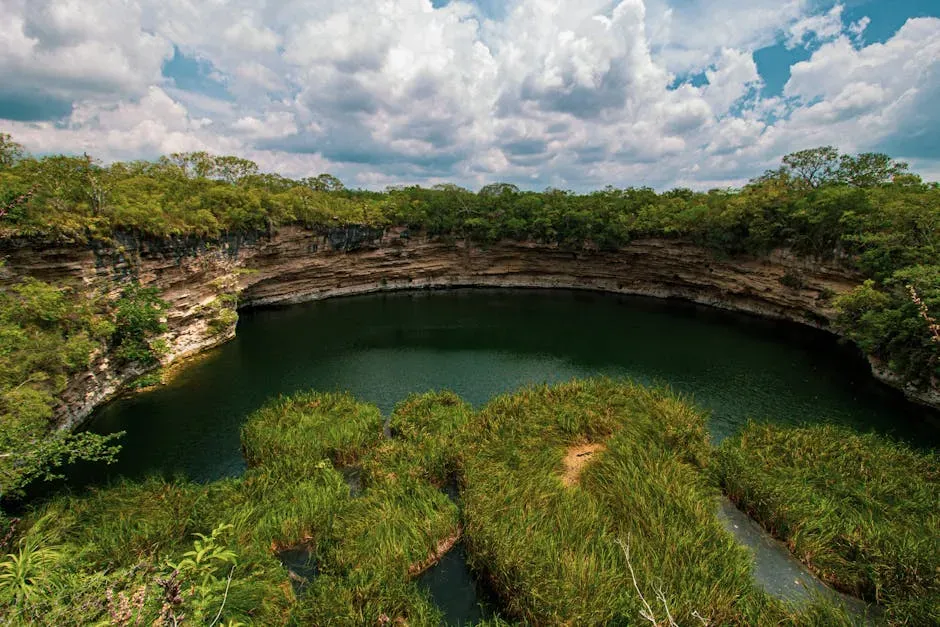
Just down from Spring Hill, Weeki Wachee saw a massive hole yawn open in 2024 near residential streets, measuring big enough to swallow a house. Hernando County crews rushed in, linking it to groundwater changes after storms, as detailed in local news and FGS reports. The neighborhood’s geology mirrors the county’s high-risk profile.
Experts from the USGS note how development alters natural flow, inviting more collapses. Sinkhole activity here qualifies for specific coverage under Florida law, but claims remain a battle. Property values dip with each event, leaving owners on edge.
Wesley Chapel, Pasco County
Wesley Chapel sits smack in Pasco’s hot zone, with subsidence reports clustering per the state’s interactive maps. Rapid growth since 2023 has strained the ground, combining with limestone erosion for a risky mix. Post-flood checks revealed new voids, prompting county warnings.
The Florida Office of Insurance Regulation highlights Pasco’s claim surge, much from this booming suburb. Karst terrain dominates, where even small water shifts spell trouble. Residents push for better mapping to spot dangers early.
Lake Padgett Estates, Pasco County
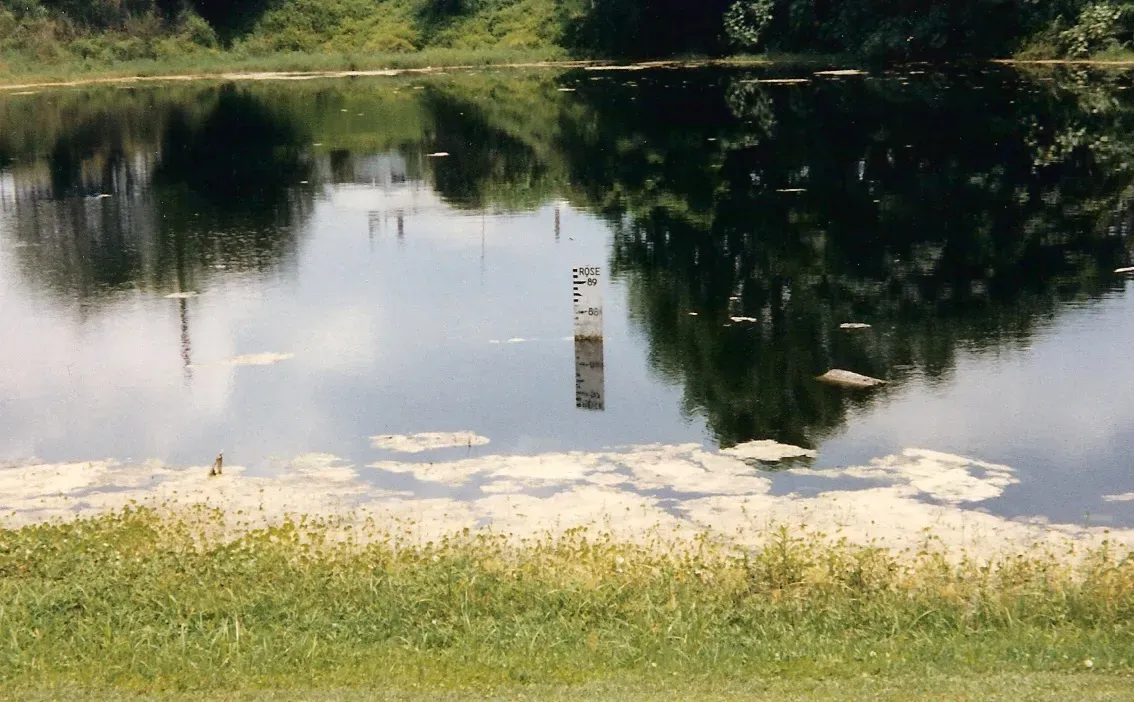
This Pasco enclave endured Pasco’s record sinkhole in 2017, and echoes linger with ongoing monitoring through 2025. University researchers modeled its 52-foot depth, tying it to underground voids common in the area. Storms keep the threat alive, with families fighting condemnations.
FDEP data shows repeated incidents, underscoring the alley’s dangers. Insurance battles rage over “sinkhole activity” versus collapse definitions. The community rebuilt stronger, but wariness prevails amid the karst bedrock.
New Tampa, Hillsborough County
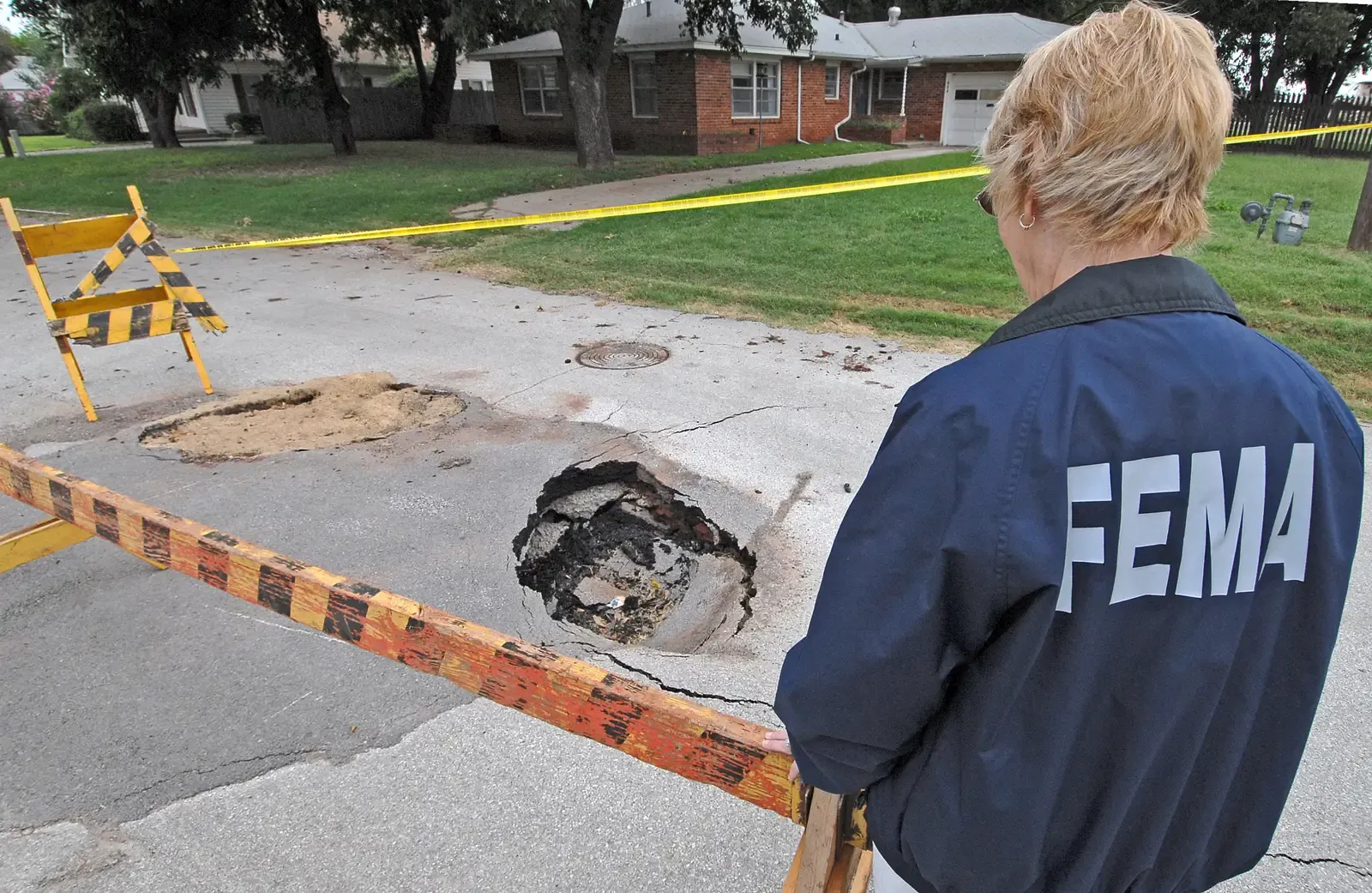
New Tampa’s expanding edges light up on Hillsborough sinkhole maps, with reports from FGS pinpointing high density. The blend of urban weight and dissolving rock fuels risks, especially after 2024 rains. Road repairs became routine as cracks spread.
County vulnerability assessments flag this for karst hazards. Claims data reflects the toll, per insurance regulators. Buyers here weigh the sunshine against potential ground loss.
Lakeland, Polk County
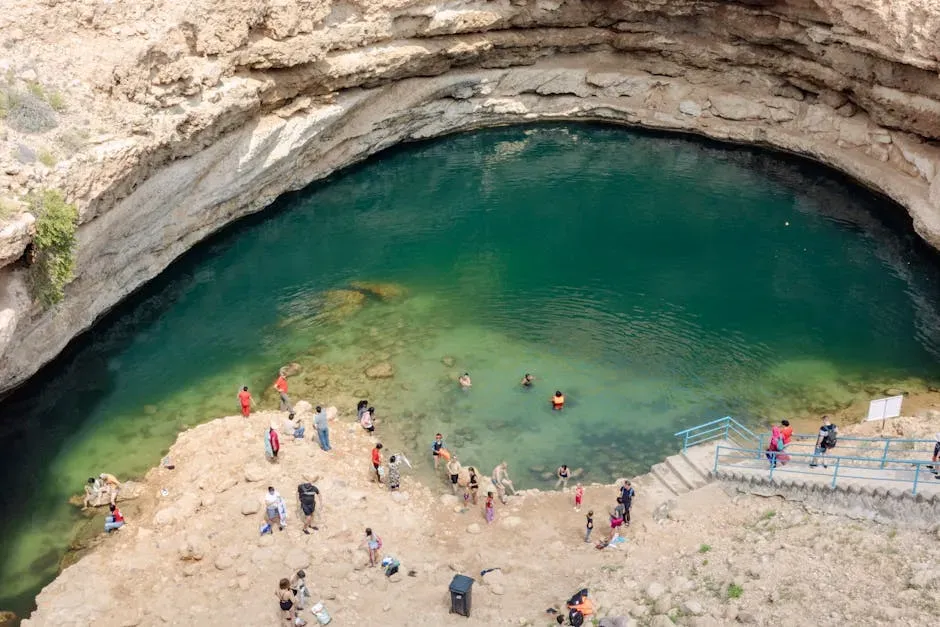
Polk’s Lakeland faced a massive sinkhole in 2023, with crews filling it amid growing concerns. Local geologists link it to the county’s limestone base, prone to sudden failures. FGS tracks steady activity, worsened by development.
Many lakes here started as ancient sinkholes, a reminder of the terrain’s history. Insurance payouts climb with each event, as noted in state reports. Neighbors stay alert for the next rumble.
Groveland, Lake County
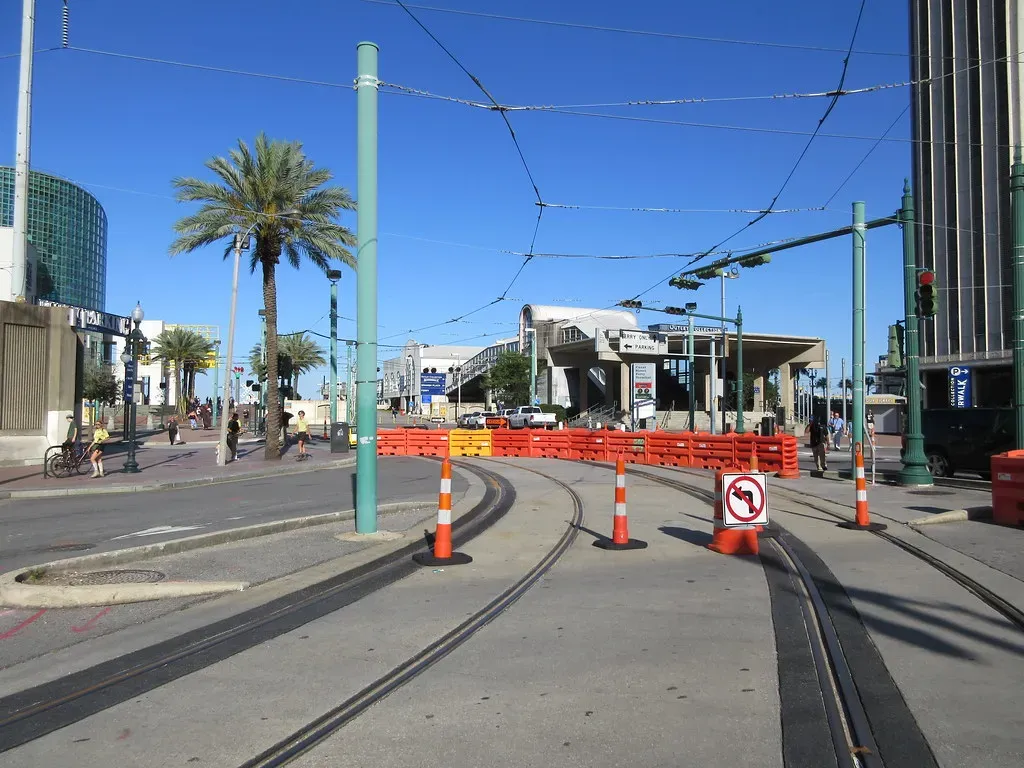
Lake County’s Groveland confirmed a road sinkhole in early 2026, following heavy rains per county officials. FDEP maps show elevated risk along nearby highways, tied to groundwater erosion. The area’s karst setup invites trouble after wet spells.
Climate shifts may amp up frequency, warn experts from recent studies. Claims in Lake County mirror central trends. Locals demand more testing before new builds.
Central The Villages, Marion County

The Villages’ core saw sinkholes in villages like Mira Mesa and Pine Ridge, per community reports up to 2025. Marion ranks high in FGS data, with limestone dissolving under retirement haven growth. Storms trigger openings, unsettling the golf cart crowd.
Insurance regulators note claim pressures here too. The blend of age and geology keeps risks simmering. Developers repair fast, but the underground threat persists.