

Couples have long viewed sharing a bed as a cornerstone of closeness. Yet sleep experts note a shift. More partners now prioritize rest over tradition by sleeping apart.
Recent surveys highlight this trend. Nearly one-third of U.S. adults occasionally choose separate sleeping spaces.[1] Figures climb higher among certain groups, like millennials at 43 percent.[2]
What Is a Sleep Divorce?

Sleep divorce describes couples who sleep in separate beds or rooms. They stay together romantically but part ways at bedtime for better rest. This practice avoids full breakups while addressing sleep issues.
It gained buzz in recent years. People use it to dodge disruptions from partners. Surveys show it appeals across ages, though younger adults lead the way.[1]
Recent Survey Highlights
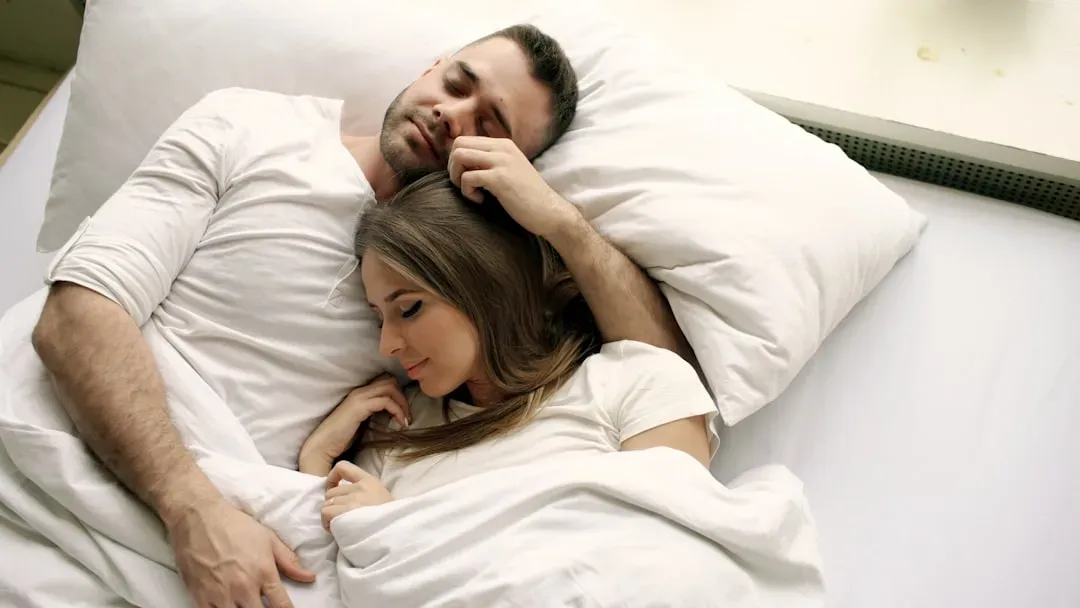
The American Academy of Sleep Medicine surveyed over 2,000 adults in 2025. About 31 percent reported trying a sleep divorce. Those aged 35 to 44 topped the list at 39 percent.[1]
Millennials hit 43 percent in similar polls. Older adults, like those over 65, lag at 18 percent. These numbers reflect a growing acceptance of solo sleep.[2]
Snoring Tops the Complaints
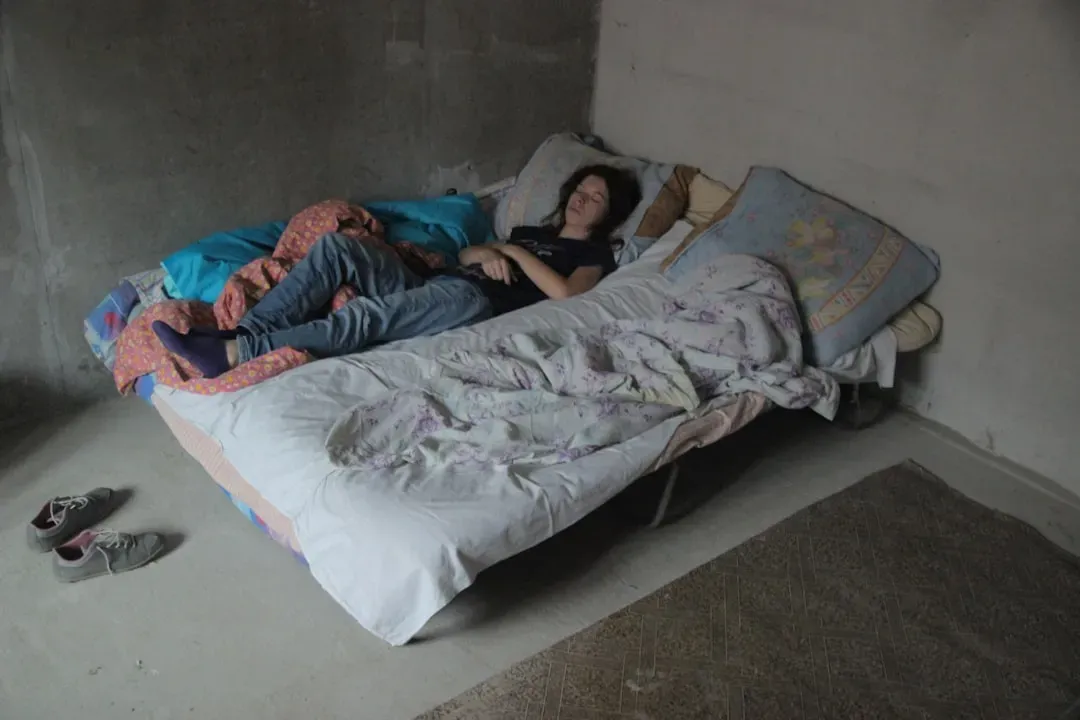
Snoring disrupts sleep for many partners. It ranks as the main reason for sleep divorces. Studies link it to partner disturbances in 30 to 40 percent of cases.
Couples often cite it first. One partner heads to the guest room to escape the noise. This simple split restores calm nights for both.[3]
ResMed research from 2025 found 18 percent of couples now sleep apart partly due to such issues. Better rest follows quickly.
Differing Sleep Schedules
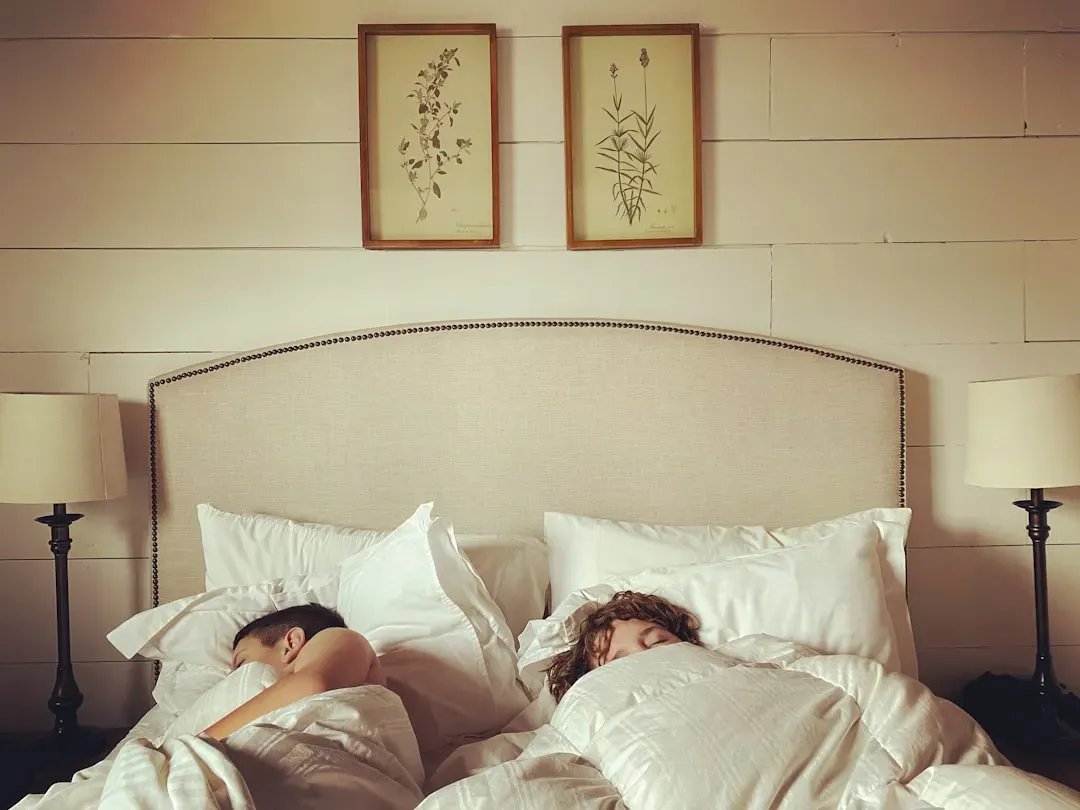
Not everyone winds down at the same time. One might crash early while the other stays up late. These mismatches lead to light switches and footsteps interrupting sleep.
Sleep divorce lets each follow their rhythm. No more resentment over clashing bedtimes. Surveys confirm this as a key driver for many couples.[4]
Temperature and Blanket Wars

Hot sleepers clash with those who crave cool sheets. Blanket tug-of-war wakes people often. Separate spaces end these nightly battles.
Individuals set their ideal conditions. Fans, heaters, or heavy comforters stay undisturbed. This tweak boosts comfort without compromise.
Boosted Sleep Quality
Those who try sleep divorce gain about 37 extra minutes of rest per night. Over half report marked improvements. SleepFoundation data backs this gain.[2]
Fewer awakenings mean deeper sleep cycles. Partners wake refreshed, not groggy. The trend prioritizes health over outdated norms.
Stronger Daytime Bonds

Better sleep spills into daily life. Couples argue less over fatigue. Intimacy often increases with renewed energy.
Some polls note less stress among those sleeping apart. Relationships feel more intentional. Sleep divorce fosters connection, not distance.[5]
Myths About Separate Sleeping

Many fear it signals trouble. Yet data shows no link to divorce rates. Happy couples embrace it routinely.
It differs from full separation. Partners reconnect mornings or evenings. Critics overlook the practical upsides.
Tips for Couples Considering It
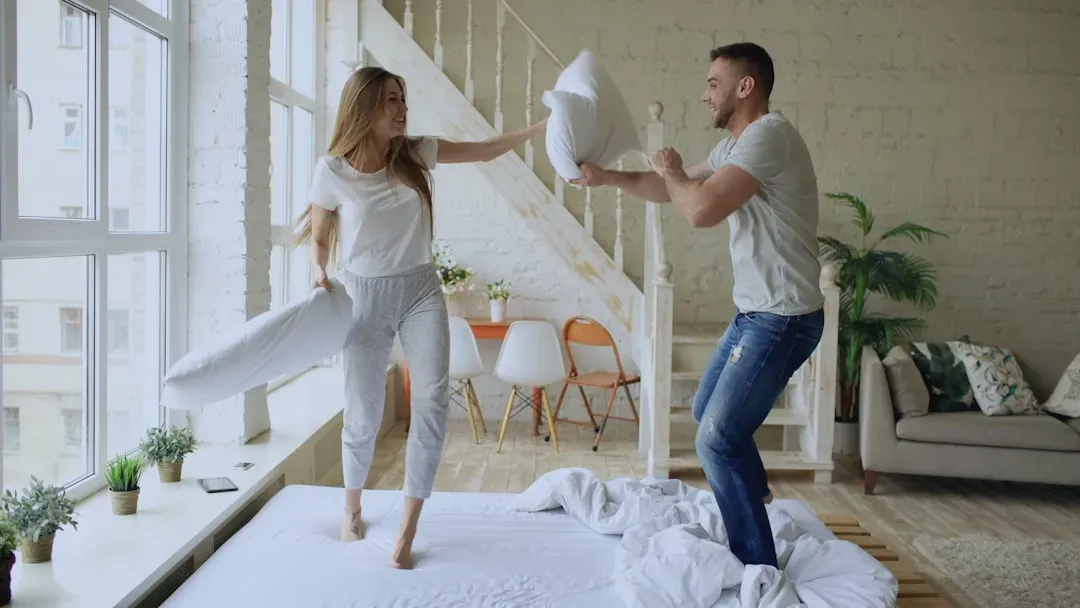
Start small with a twin bed in the bedroom. Discuss boundaries openly first. Track sleep changes over weeks.
Invest in quality setups for both spaces. Keep the bedroom door open if needed. Adjust as you learn what works.
Expert Views on the Trend
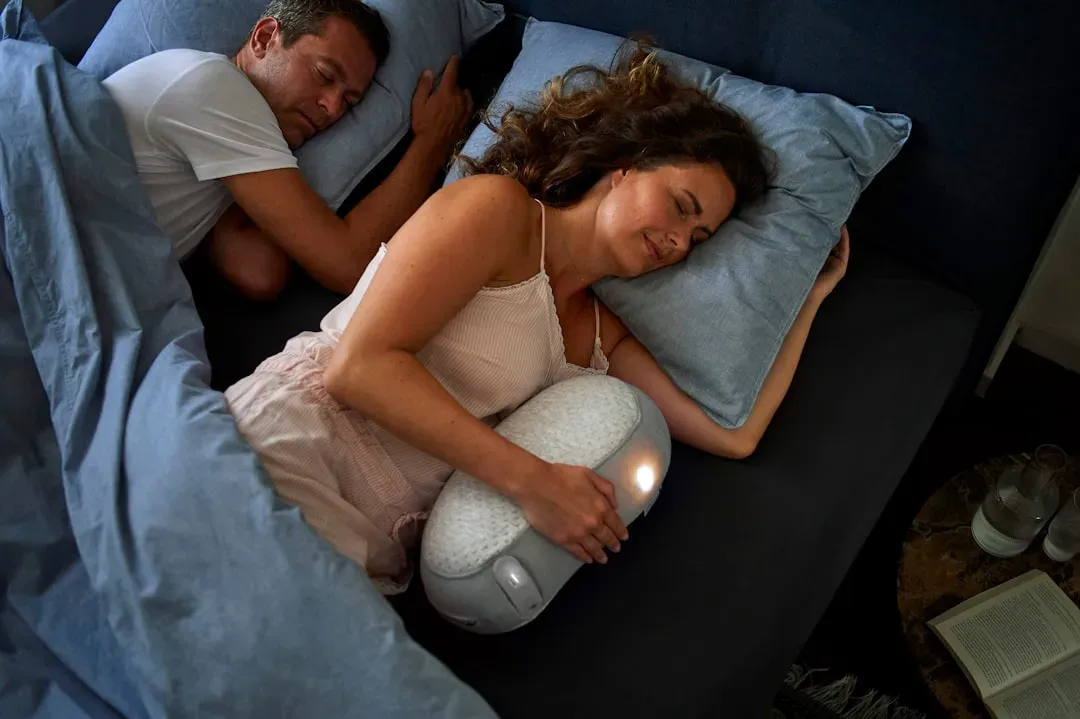
Sleep specialists endorse it for health. The AASM urges prioritizing rest. They see it as smart, not strange.
No shame in adapting to needs. Trends point to wider acceptance by 2026. Couples sleep better, live fuller.
Ultimately, rest underpins strong partnerships. Sleep divorce proves tradition bends to reality. Well-rested love endures.