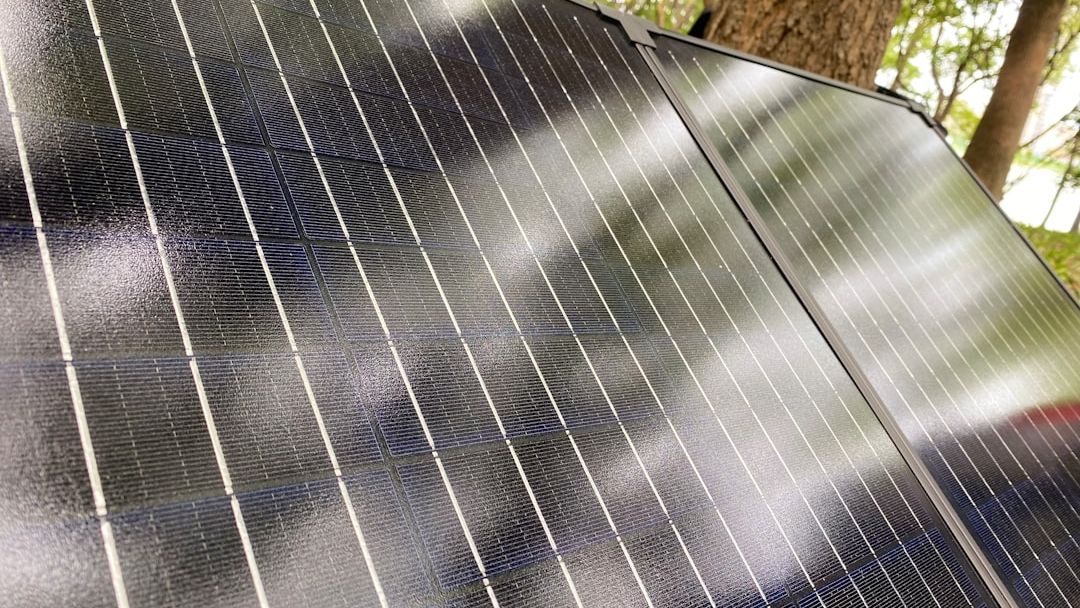

Solar salesmen knock on your door with promises of free energy and a fatter paycheck when you sell your house. They paint a picture of panels gleaming on your roof, boosting value while slashing bills. Yet, plenty of homeowners discover the fine print hits hardest on the roof itself.
Let’s be real, the hype overlooks real headaches that could ding your home’s appeal. From surprise costs to buyer turnoffs, these traps lurk behind the shiny pitches. Ready to uncover what they skip?[1][2]
1. Roof Replacement Forces Painful Panel Takedowns
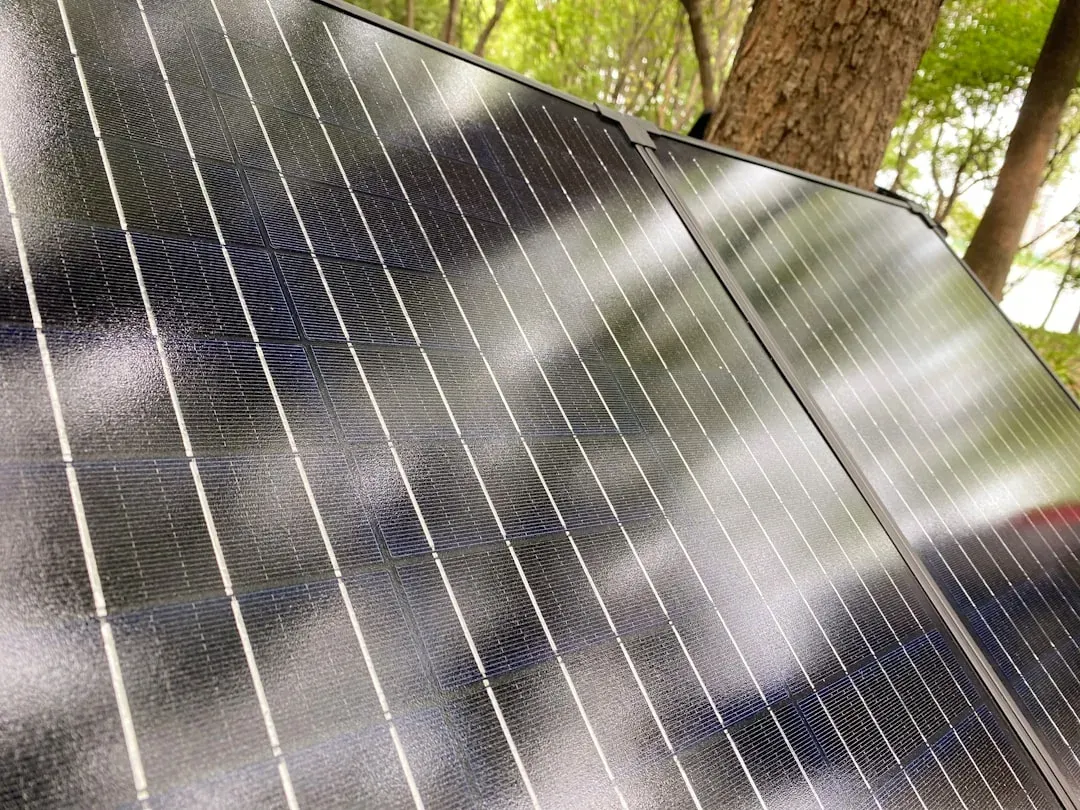
Most roofs last 20 to 30 years, right around the time panels hit their stride. Install them on an aging roof, and you’re stuck removing everything for a reroof. Sales reps rarely flag that panels demand a sturdy base, pushing new roofs prematurely.[3]
Expect quotes around $500 per panel for uninstall and reinstall. For a typical 20-panel setup, that’s $10,000 easy, eating into any savings. Homeowners report frustration when this bill blindsides them mid-sale.[4]
2. Removal Costs Drain Your Wallet at Sell Time
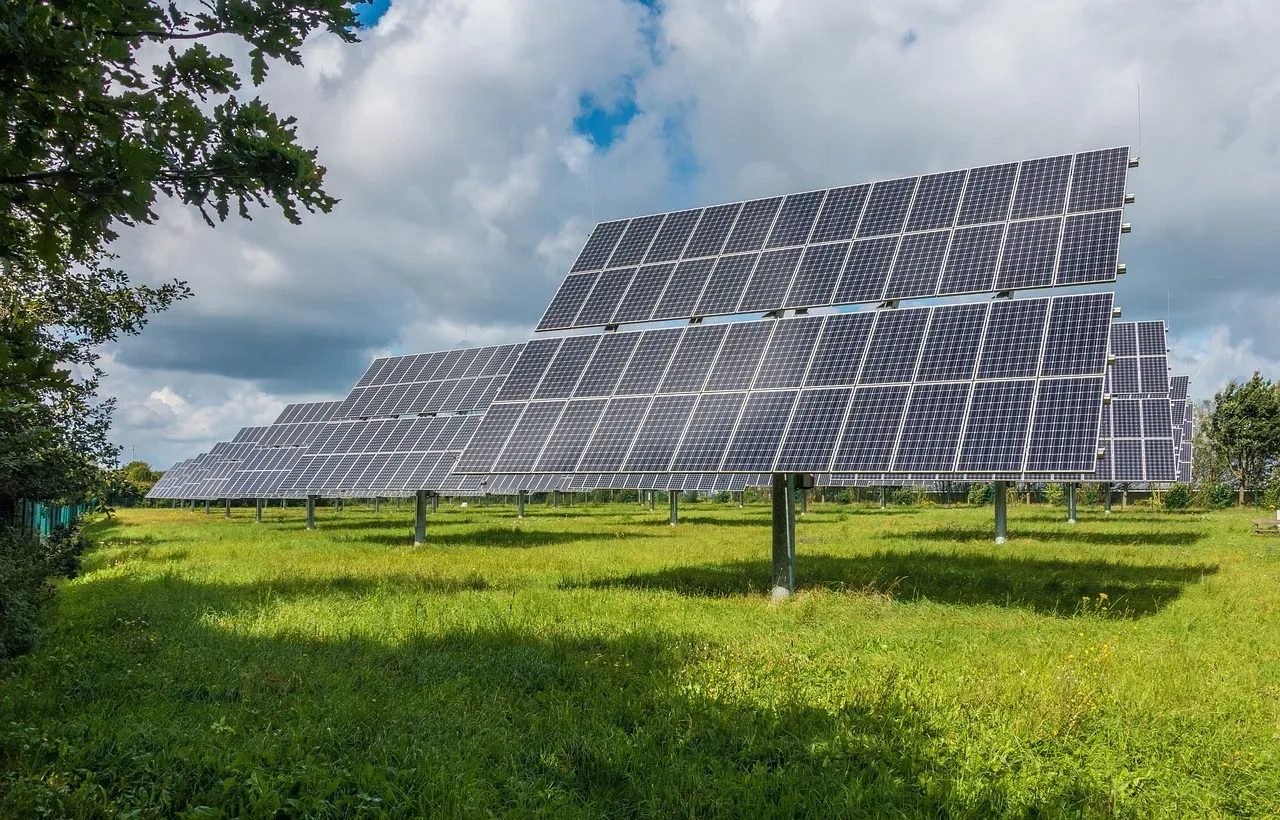
Buyers eyeing your solar-topped home might demand panels gone if they hate the look or lease drama. Professional removal runs $200 to $500 per panel, totaling $3,000 to $12,500 for average systems. That’s cash out of pocket just to close the deal.[5]
One forum user shared paying $170 per panel through their provider, Sunrun. These fees stack up fast, turning a “value add” into a liability. Salesmen gloss over this exit strategy entirely.[6]
3. Leased Panels Nightmare for Home Sales
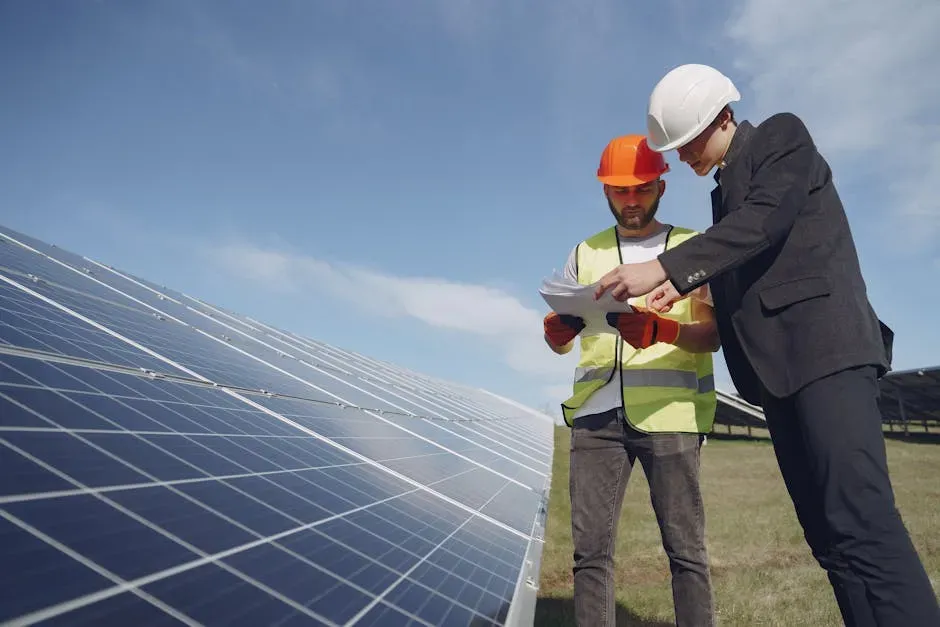
Leases sound affordable upfront, but they chain your home to long-term payments. Buyers balk at taking over unfamiliar contracts, often killing deals or forcing buyouts. Transferring requires solar company approval, which drags and adds fees.[7]
Real estate pros warn leased setups slash resale appeal versus owned panels. Sellers end up buying out at huge costs or scrapping the sale. Here’s the kicker: studies show owned solar boosts value 5-10%, but leases? Often neutral or worse.[8]
4. Insurance Premiums Jump After Install
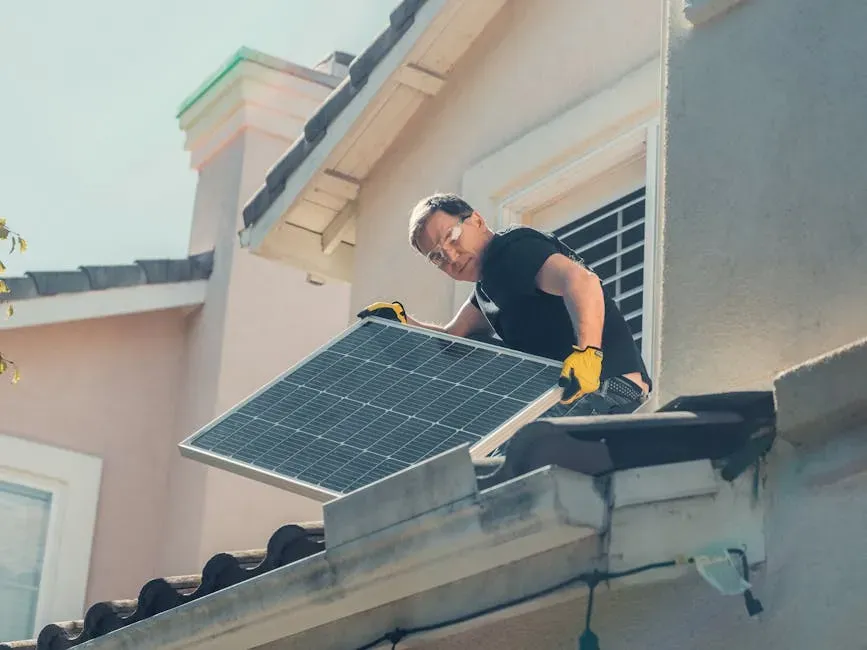
Panels hike your home’s replacement value, so insurers bump premiums accordingly. Expect 15-20% increases to cover the added risk and cost. One expert pegged it at that for full coverage.[9]
This extra hits yearly, offsetting some energy savings. Sales pitches ignore how your policy changes post-install. Factor in hail or storm damage claims, and costs climb higher.[10]
5. Dirt and Birds Slash Panel Efficiency
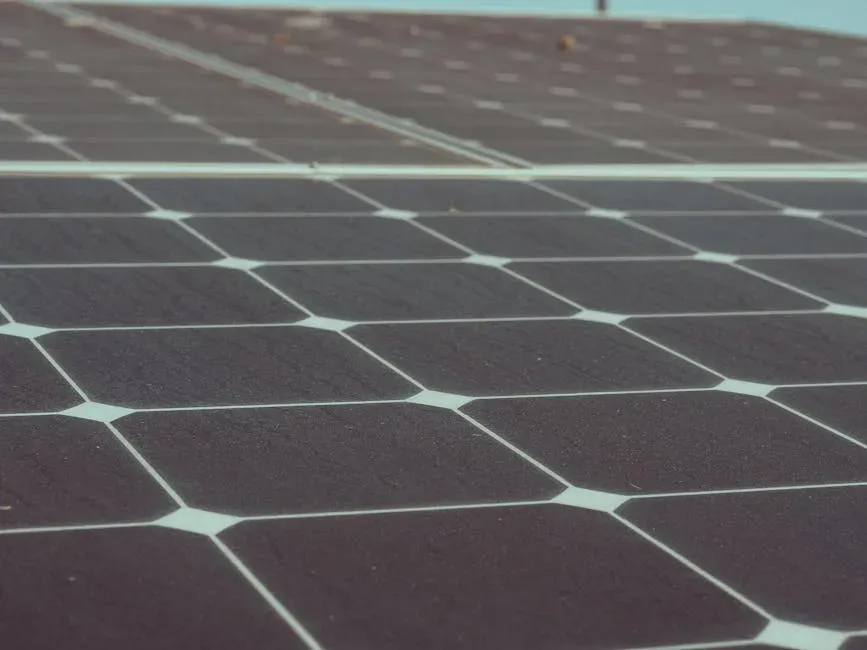
Soiling from dust, pollen, or bird droppings cuts output by 5-25%, sometimes up to 30% if neglected. Birds love nesting under panels, dropping messes that etch surfaces. Real tests show even light buildup dings performance noticeably.[11]
Cleaning adds ongoing chores and cash, rarely mentioned in sales demos. In dusty areas, losses compound yearly. Your “set it and forget it” dream needs regular upkeep to avoid payback delays.[12]
6. Real Degradation Outpaces Warranty Hype
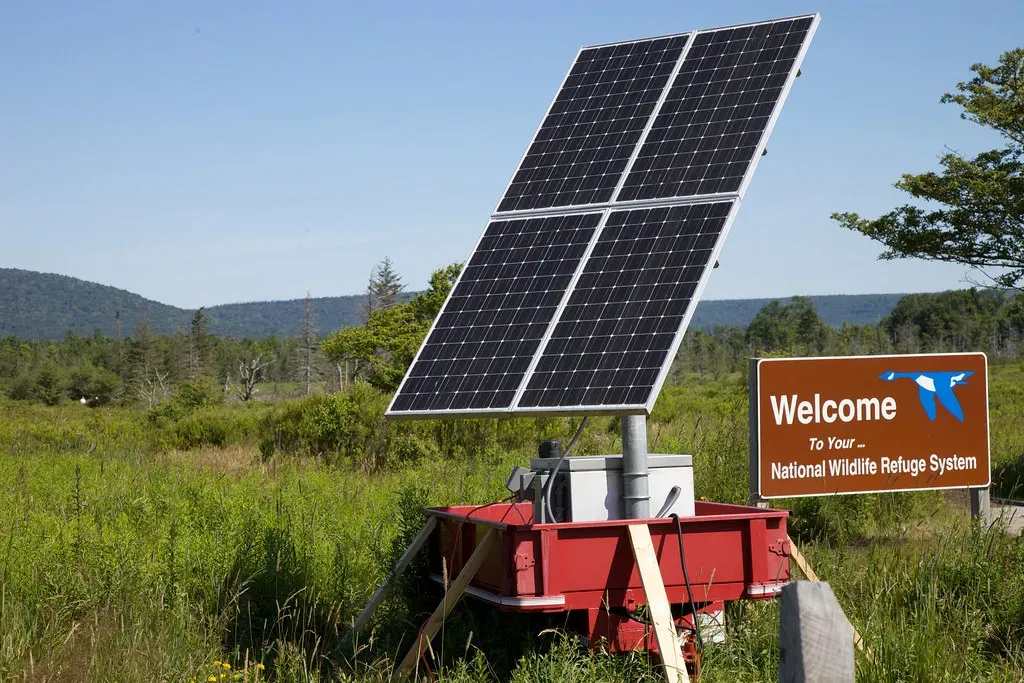
Warranties promise 80-90% output after 25 years, but field data reveals 0.5-0.6% annual drops. Thin-film panels lost 28.5% after 10 years in one study. Weather and UV wear faster than glossy brochures admit.[13]
Over a million systems tracked showed half the expected degradation, yet still notable. Salesmen tout peak efficiency forever, skipping how bills creep up as output fades. Test your setup yearly or regret it.[14]
7. Deceptive Sales Complaints Explode
Attorney generals logged thousands of solar gripes in 2024-2026, up 47% from prior years. Door-to-door reps push fake “free government programs” or inflated savings. Hawaii and Texas issued warnings on misleading pitches.[2]
Victims face crushing debt from hidden fees and underperforming systems. Predatory tactics prey on trust, burying contract traps. Always verify claims independently before signing.[1]
8. Aesthetics Turn Off Cautious Buyers
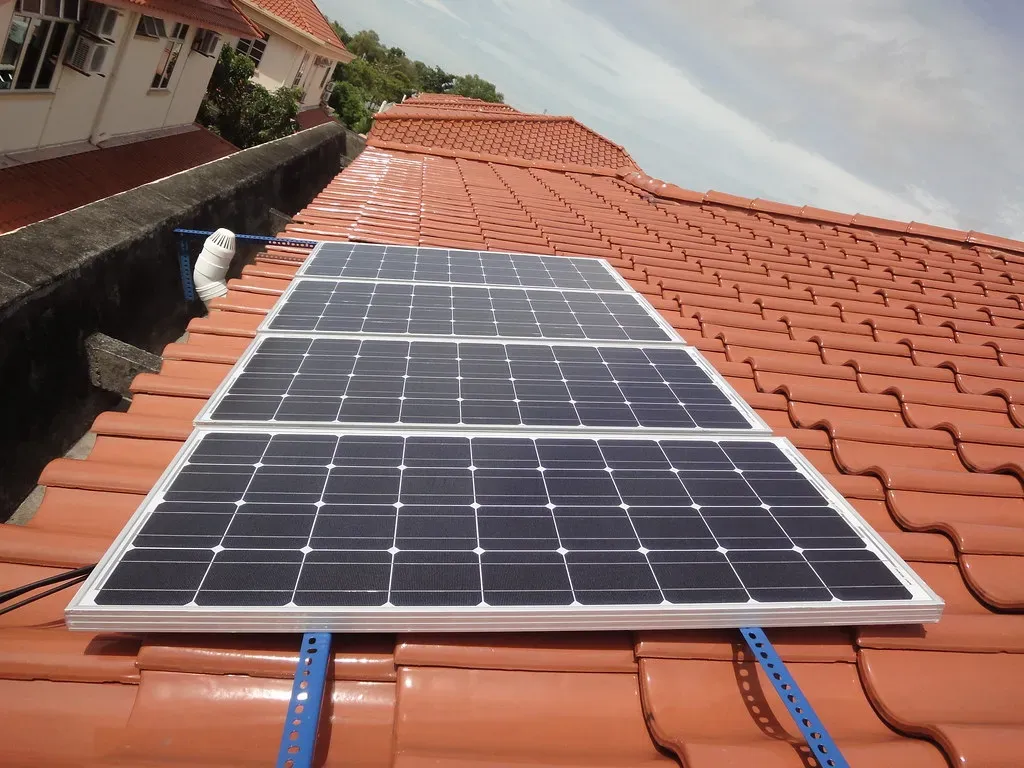
Not everyone digs the industrial look of racks on roofs. Some markets see panels as eyesores, deterring traditional buyers. Realtors note hesitation despite value stats.[15]
Leased or older systems amplify this, as shine fades. Sales hype ignores buyer psychology. A quick poll of agents reveals split opinions on appeal.[16]
9. Improper Install Risks Roof Damage
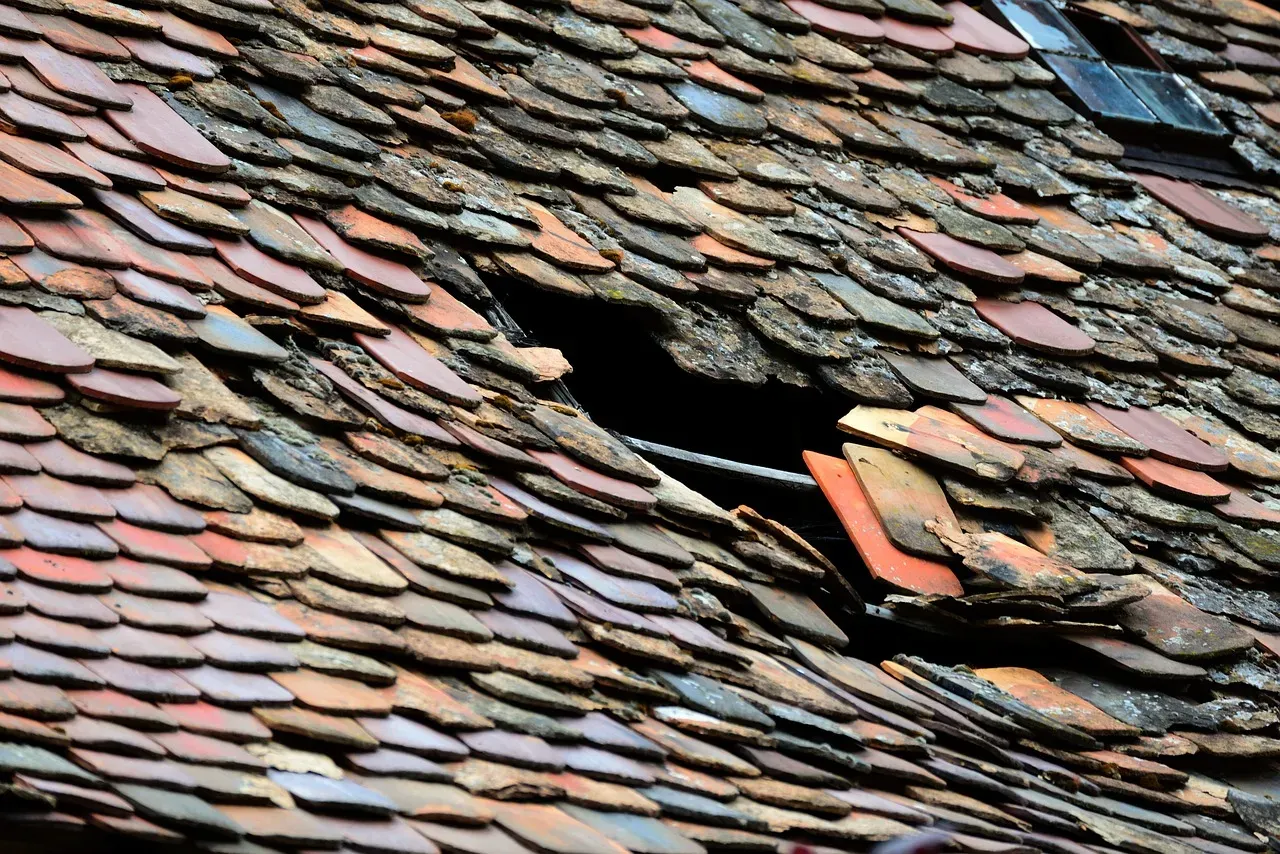
Shoddy work causes leaks or structural woes, with 65% of reports tied to bad installs. Panels add weight, stressing older roofs if unchecked. One paper detailed residential roofing hits from errors.[17]
Repairs fall on you post-warranty. Sales rush jobs to close deals fast. Inspect install quality upfront to dodge future bills.[18]
10. Financing Traps Load Hidden Debt
Loans mimic leases with high interest, stretching payments beyond savings. Buyouts loom large at sale time. Complaints highlight unclear terms locking owners in.[19]
2026 videos call it a real estate scam risk. Equity gets eaten by early exits. Crunch numbers yourself, not their calculator.[15]