
Subscription services have woven themselves into daily life by 2026, from streaming shows to fitness apps. Yet many carry extra costs tucked away in fine print or buried notifications. These so-called junk fees act like a stealth tax, siphoning off hundreds of dollars yearly without much fanfare.[1][2]
A recent survey shows Americans waste about $200 a year on unused subscriptions alone. Regulators in places like New York City are pushing back with new rules against these traps.[3] Still, companies find ways to layer on charges that catch users off guard.
Surprise Annual Fees

Many plans advertise a low monthly rate, only to hit you with an annual fee later. Take gym memberships like Planet Fitness, where a $10 monthly sub jumps with a $49 yearly charge, pushing the true cost over 80% higher than expected. These fees often appear months in, after you’ve settled into the routine.[4]
Users rarely spot them upfront because contracts list them vaguely. By 2026, this tactic persists despite FTC pushes for clearer disclosures. Check your statements regularly to avoid the sting.
Auto-Renewal Traps After Trials

Free trials sound harmless, but they flip to full price automatically if you forget to cancel. A CNET survey notes this leads to over $200 wasted annually per person on forgotten subs. Companies bury cancellation steps in apps or require phone calls during odd hours.[1][3]
New York City’s January 2026 executive order targets these tricks, like disguising trials as one-time buys. The FTC’s Click-to-Cancel rule aims to match signup ease with exit options, though enforcement ramps up slowly. Set calendar reminders to dodge the rollover.
Mid-Term Price Increases
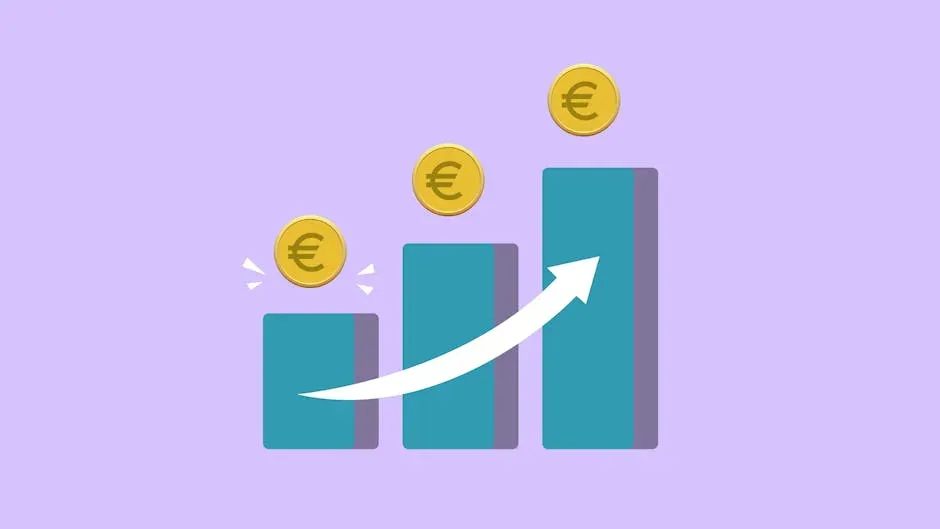
Services reserve the right to hike rates with a quick email notice you might miss. Software tools went from $49 to $79 monthly between 2022 and 2025, a 61% jump without new features. Streaming platforms did similar in late 2025, adding $1-3 quietly.[4]
These changes fuel subscription creep, where small bumps total $15-30 more monthly for households. Regulators call it deceptive, but fine print often shields companies. Review terms yearly to stay ahead.
Tier Inflation and Forced Upgrades

Basic plans lose features over time, nudging you to pricier tiers for what you once had. Netflix-style shifts remove ad-free access from lower plans, charging extra to restore it. Fitness and cloud apps pull similar moves with premium unlocks.[4][5]
This hidden push adds up, especially as winter boosts indoor app use. A 2024 study found folks underestimate monthly spending by $133 due to such escalations. Compare plans across competitors before upgrading.
Cancellation and Data Fees

Exiting isn’t free; early cancellation buyouts or data export charges await. Gyms slap $58 fees for breaking contracts midway, while CRM tools demand $500 to retrieve your info. These penalties keep you locked in longer.[4]
Payment method surcharges add another layer, like premiums for credit cards over prepay. NYC’s task force now probes these in 2026 to promote upfront pricing. Document everything before canceling to fight back effectively.
These practices persist amid crackdowns, but awareness helps. Auditing your bank app monthly uncovers leaks before they drain more. In 2026, choosing transparent services pays off in real savings.