
There’s a particular kind of exhaustion that doesn’t just come from bad sleep or a rough week at work. It’s the kind that settles into your bones over months, quiet and relentless, until one day you look in the mirror and barely recognize the energy you used to have. If that sounds familiar, you’re far from alone. A wave of collective fatigue has been building across the world, and the research backing that up is, honestly, a little startling.
March, though, is different. Something shifts. The light changes, the biology responds, and for three specific zodiac signs, this month feels less like a continuation of the grind and more like a long-overdue exhale. Whether you lean fully into astrology or just enjoy it as a lens for self-reflection, the broader patterns here are worth paying attention to. Let’s dive in.
The Global Fatigue Crisis That Makes This Moment Matter

Before we talk about second winds, it’s worth understanding just how deep the tiredness goes for most people. The workplace burnout crisis has reached unprecedented levels, with new research revealing that roughly four in five employees are at risk of burnout. That’s not a minor stat. That’s nearly everyone you know.
The World Health Organization officially recognized burnout as an occupational phenomenon, defined as a syndrome resulting from chronic workplace stress that remains unmanaged and characterized by three dimensions: exhaustion, cynicism, and inefficacy. In other words, it’s not just “feeling tired.” It is a recognized, multi-layered collapse of human energy.
In the UK, one major burnout report found that over nine in ten adults reported high or extreme levels of pressure or stress in the past year, with nearly two thirds of workers saying they are concerned about burnout in 2025. The data is global, and the fatigue is real. This is the backdrop against which spring, and a potential second wind, arrives.
Why March Is the Biological Reset Button
Astrology aside, there is a genuine, science-supported shift that happens in March. As we transition from winter to spring, our bodies undergo a natural shift, responding to longer daylight hours and seasonal changes. This period offers a unique opportunity to optimize health by harnessing the power of morning sunlight, strategic nutrition, and circadian rhythm alignment.
Researchers have shown that seasonal changes in light exposure influence serotonin regulation, which plays a role in mood and motivation. In other words, the body is actively recalibrating its chemistry as winter transitions into spring. Think of it like your internal operating system finally getting a long-overdue software update.
When the seasons change, specifically in March, when daylight expands rapidly, the external light signals change faster than your internal electrical firing rates can adapt. That initial friction is real, but once the body catches up, the shift in energy can feel almost electric. This is your biology doing exactly what it was designed to do.
The Science of Serotonin, Light, and Feeling Human Again
Here’s the thing about winter that most people don’t fully appreciate: it chemically suppresses you. Studies indicate that people with Seasonal Affective Disorder have reduced levels of the brain chemical serotonin, which helps regulate mood. Research also suggests that sunlight affects levels of molecules that help maintain normal serotonin levels. Shorter daylight hours may prevent these molecules from functioning properly, contributing to decreased serotonin levels in the winter.
As spring brings increased natural light, serotonin levels stabilise and melatonin production normalises, meaning mood commonly improves. This isn’t a placebo effect. It’s biochemistry doing its job. When the light returns, the brain quite literally begins to wake back up.
According to a poll from the American Psychiatric Association, when spring comes around, roughly six in ten people report feeling better. Six in ten. That’s a remarkable majority of the population experiencing a seasonal mood lift, and it points to something deeply biological rather than merely coincidental.
Aries: The Sign That Was Born for This Exact Moment
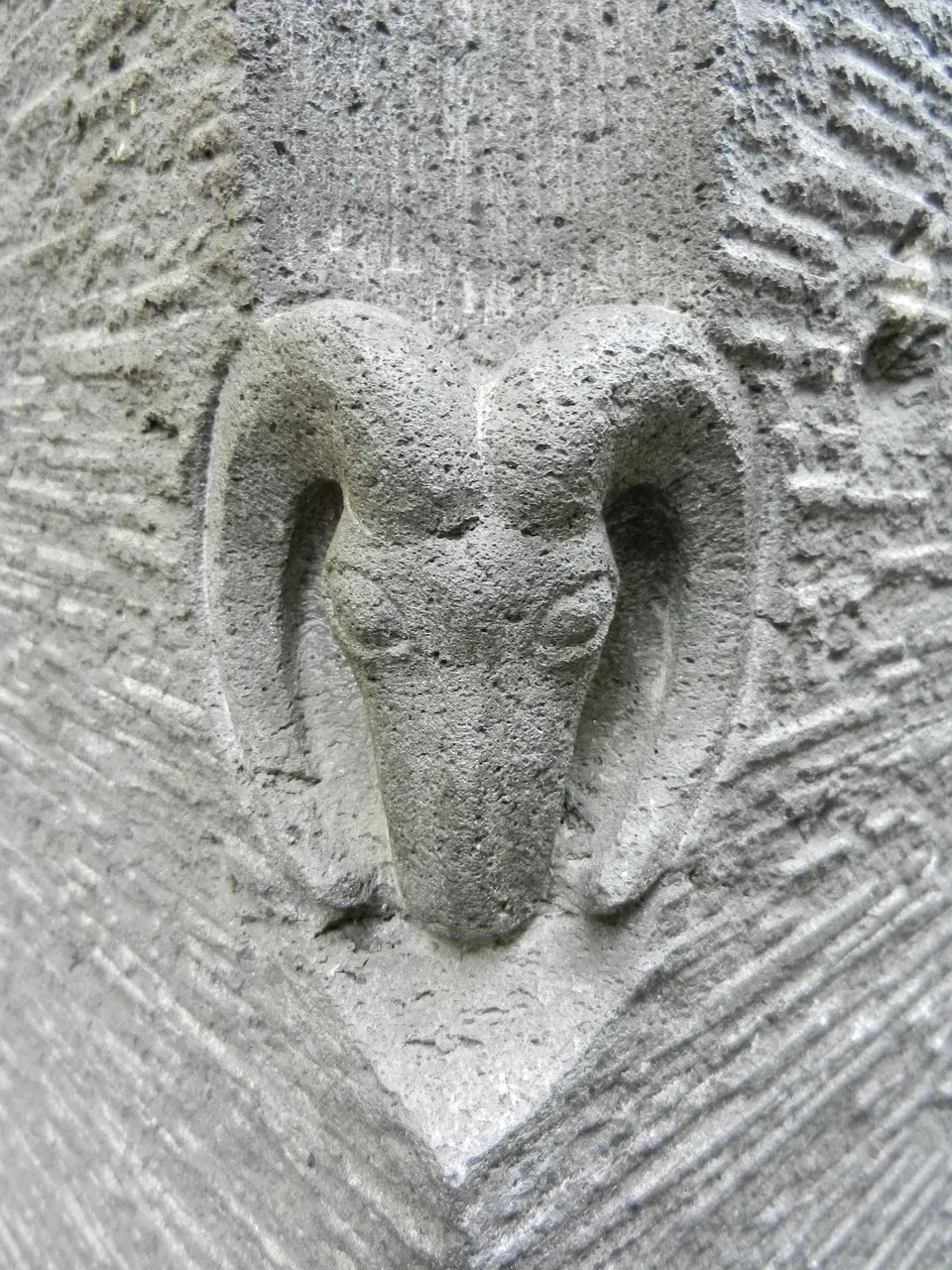
Aries season begins in late March, and it is perhaps no cosmic accident that the most energetically assertive sign of the zodiac arrives precisely when the biology of renewal kicks in hardest. Aries people, born between March 21 and April 19, tend to carry natural reserves of initiative and drive that winter genuinely suppresses. The result is that the early weeks of March can feel like a compressed spring loading of tension for them, right before release.
Light directly influences our circadian rhythm, which regulates sleep, mood, energy, and focus. As daylight increases, the brain adjusts its production of melatonin and serotonin. For a sign like Aries, whose core traits orbit around action and forward momentum, this neurological shift functions almost like jet fuel being added back into the tank.
Honestly, if you know an Aries who has been unusually quiet, withdrawn, or uncharacteristically low-energy since November, watch what happens to them in the final weeks of March. The “tired” version of an Aries is actually rare. When they snap back, it tends to be fast, decisive, and unmissable.
Scorpio: The Deep Diver Who Finally Surfaces

Scorpio, born between October 23 and November 21, processes the world at a depth that most other signs never reach. This intensity is a strength, but it comes with a cost during extended periods of stress or seasonal darkness. Scorpios tend to internalize their exhaustion rather than display it. The burnout builds silently, invisibly, and by late winter it has often reached a kind of quiet maximum.
Seasonal Affective Disorder typically presents with major depressive episodes in the fall or winter and alleviates by spring or summer. For Scorpio energy, which peaks in the autumn, the descent into winter can feel like swimming gradually deeper into cold water. By the time March arrives, the return of light isn’t just a mood lift. It feels like surfacing to breathe.
Previous literature suggests that when societies or individuals are under stress or threat, people are more likely to turn to astrology and other introspective belief systems. Scorpios are particularly prone to this during their personal low cycles. March offers a genuine biological invitation to stop turning inward and start re-engaging with the world. It’s hard to say for sure why this sign feels the March shift so viscerally, but the pattern is remarkably consistent.
Cancer: The Nurturer Who Forgot to Nurture Themselves
Cancer, born between June 21 and July 22, is the sign most strongly associated with emotional caretaking. During high-stress periods, and let’s be real, the last several years have qualified on every front, Cancers tend to exhaust their reserves by giving to others long past the point of their own depletion. By the tail end of winter, many Cancers are running on the emotional equivalent of fumes.
A staggering roughly three quarters of employees experience burnout at least occasionally. Most remote workers now report higher levels of emotional exhaustion and cognitive weariness. Always-on communication increases stress, blurring personal time and making it hard for employees to recover. Cancer signs, who absorb others’ emotional states as a matter of instinct, feel this “always-on” culture harder than most.
March’s expanding daylight and rising serotonin levels give Cancer an opportunity that winter actively denied them: genuine recovery. According to research from Loughborough University, even just 15 minutes a day in nature is enough to boost mood, concentration and physical health. For a sign as nature-attuned as Cancer, this isn’t just helpful. It’s restorative at the cellular level.
What Burnout Actually Does to the Body (And Why Recovery Matters)

It’s easy to dismiss burnout as a mental state, a mindset issue, something you can think your way out of with enough positive self-talk. The science is clear, though, that burnout goes much deeper. When stress becomes chronic, with ongoing demands and little rest, it overloads our systems. Elevated cortisol over long periods impairs sleep, weakens immunity, disrupts mood regulation and contributes to fatigue, burnout and emotional exhaustion.
The generational divide in burnout experiences has widened dramatically, with Gen Z and millennial workers reporting peak burnout at just 25 years old, a full 17 years earlier than the average American who experiences peak burnout at 42. This is not a “weak generation” story. It’s a structural story about environments that demand more than the human system can sustainably provide.
Recovery, genuine recovery, requires time and biological support. Daylight, absorbed through the eyes in the early morning, activates a pair of pea-sized clusters of cells deep in the brain called the suprachiasmatic nucleus, or SCN. The SCN’s tiny dimensions belie its importance as the body’s primary alarm clock. It sends rhythmic signals to millions of other timekeepers located in almost every cell with a nucleus in the body. Spring gives that alarm clock exactly what it needs to start working properly again.
The Role of Astrology as a Cultural Compass
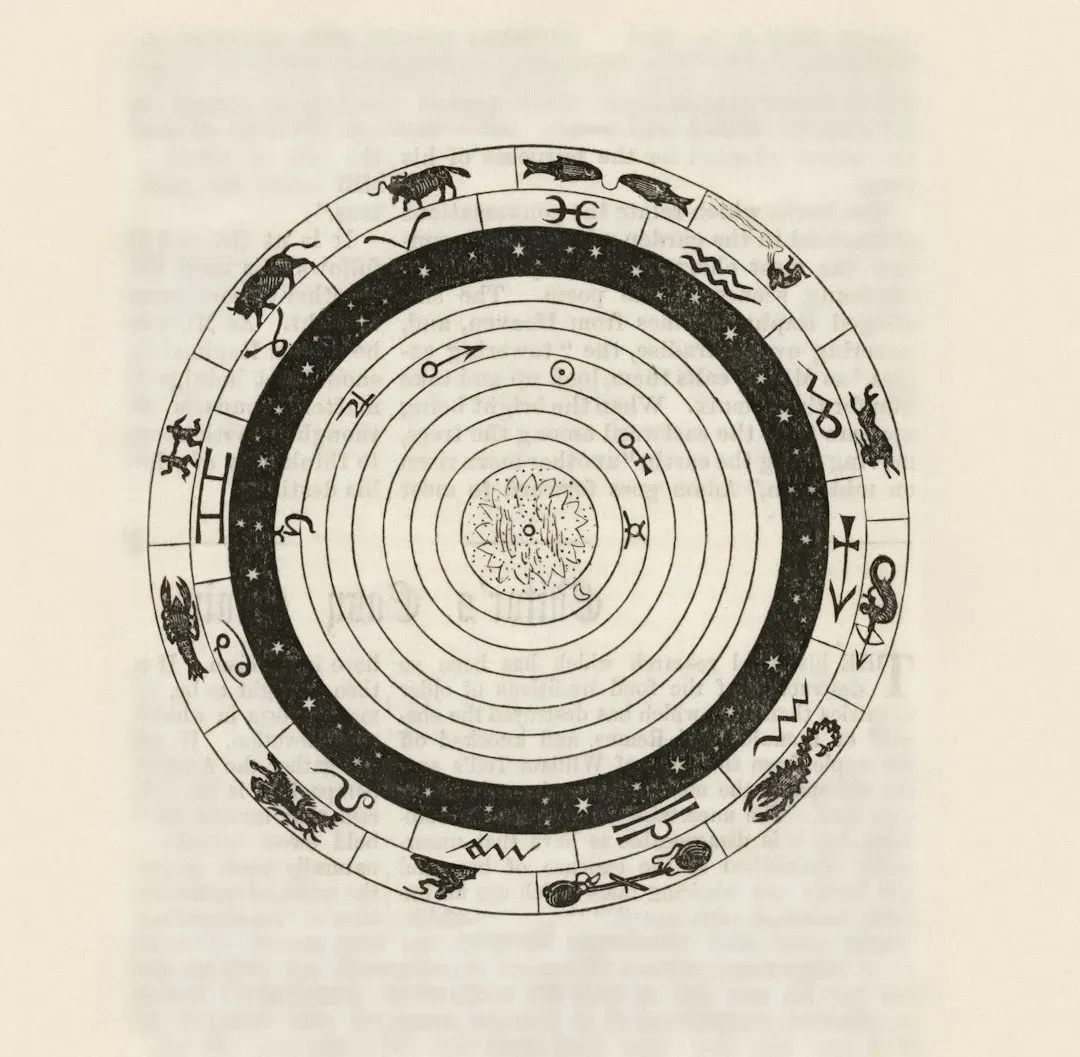
Let’s be real about something. Astrology is not peer-reviewed science, and no serious article should pretend otherwise. The planets do not dictate your mood on a Tuesday. However, the cultural and psychological role that astrology plays is real, measurable, and arguably growing. A fall 2024 Pew Research Center survey finds that roughly three in ten U.S. adults say they consult astrology, tarot cards or a fortune teller at least once a year, but most do so just for fun, and few say they make major decisions based on what they learn.
There were some major demographic differences in responses to the Pew survey, notably finding that younger adults, and especially younger women, are more likely than other major age groups to consult astrology or horoscopes. About four in ten women ages 18 to 49 say they believe in astrology. This is a significant chunk of the population using astrological frameworks to process their lives, stress, and cycles.
Previous literature suggests that when societies or individuals are under stress or threat, people are more likely to turn to astrology and other epistemically unfounded beliefs. Whether you see this as a coping tool or a cultural phenomenon, the pattern is consistent: people turn to frameworks that help them feel less alone in their exhaustion. And frankly, that’s understandable. There’s something comforting about the idea that there’s a reason for the tired, and a timing for when it ends.
Sleep, Recovery, and the Spring Energy Cycle
One of the most underappreciated aspects of the “second wind” that arrives in March is what happens to sleep quality. Winter’s longer nights and lower serotonin create a paradox where people sleep more but feel less rested. Research has found that the human circadian clock is sensitive to seasonal changes in the natural light-dark cycle, showing an expansion of the biological night in winter compared to summer. Translation: your body genuinely runs on a different schedule in winter.
Research on UK adults shows that more daytime light exposure is associated with fewer insomnia symptoms, greater ease of waking, and feeling naturally awake earlier. As March extends daylight, the circadian rhythm recalibrates. Sleep becomes more efficient. People begin waking up feeling like they actually slept, sometimes for the first time in months.
Because light and exercise influence circadian rhythms separately through the SCN and peripheral clocks, scientists think that combining these cues, exercise and morning sunshine, may work better to shift internal clocks than either light or exercise alone. For any of the three zodiac signs described here, adding a simple morning walk to the March routine isn’t just pleasant. It’s arguably one of the most effective tools for resetting an exhausted system.
Conclusion: The Tired Cycle Ends When You Let It
The data is clear on the depth of collective fatigue the world has been carrying. The science is equally clear on what March brings biologically, more light, recalibrated circadian rhythms, rising serotonin, and a measurable improvement in mood and energy for the majority of people. Whether you’re an Aries, a Scorpio, a Cancer, or a skeptic who clicked this article out of curiosity, the invitation is the same this month.
Stop treating the exhaustion as a permanent condition. It isn’t. Seasonal patterns of depression typically present with major depressive episodes starting in late autumn or winter and remitting by spring or summer. That remission is real, biological, and arriving right on schedule.
The “tired” cycle ends not because the stars magically realign, but because the earth literally does. The sun comes back. The chemistry shifts. And for three zodiac signs that have been running on empty since autumn, March is less of a month and more of a door. The only question is whether you’re ready to walk through it. What would you do with a genuine second wind? That question alone might be worth sitting with today.