


A Looming Threat: Rising Sea Levels

Many people might not realize it, but rising sea levels are a significant concern for several U.S. cities. Due to climate change, polar ice caps are melting, and warmer ocean temperatures are causing water to expand. This means that more water is being added to the oceans, causing sea levels to rise. Coastal cities are especially at risk, and scientists warn that some might be completely underwater by the year 2100. This alarming prediction is not just a distant possibility—it’s a real and immediate concern for many communities.
Miami: A City in Peril
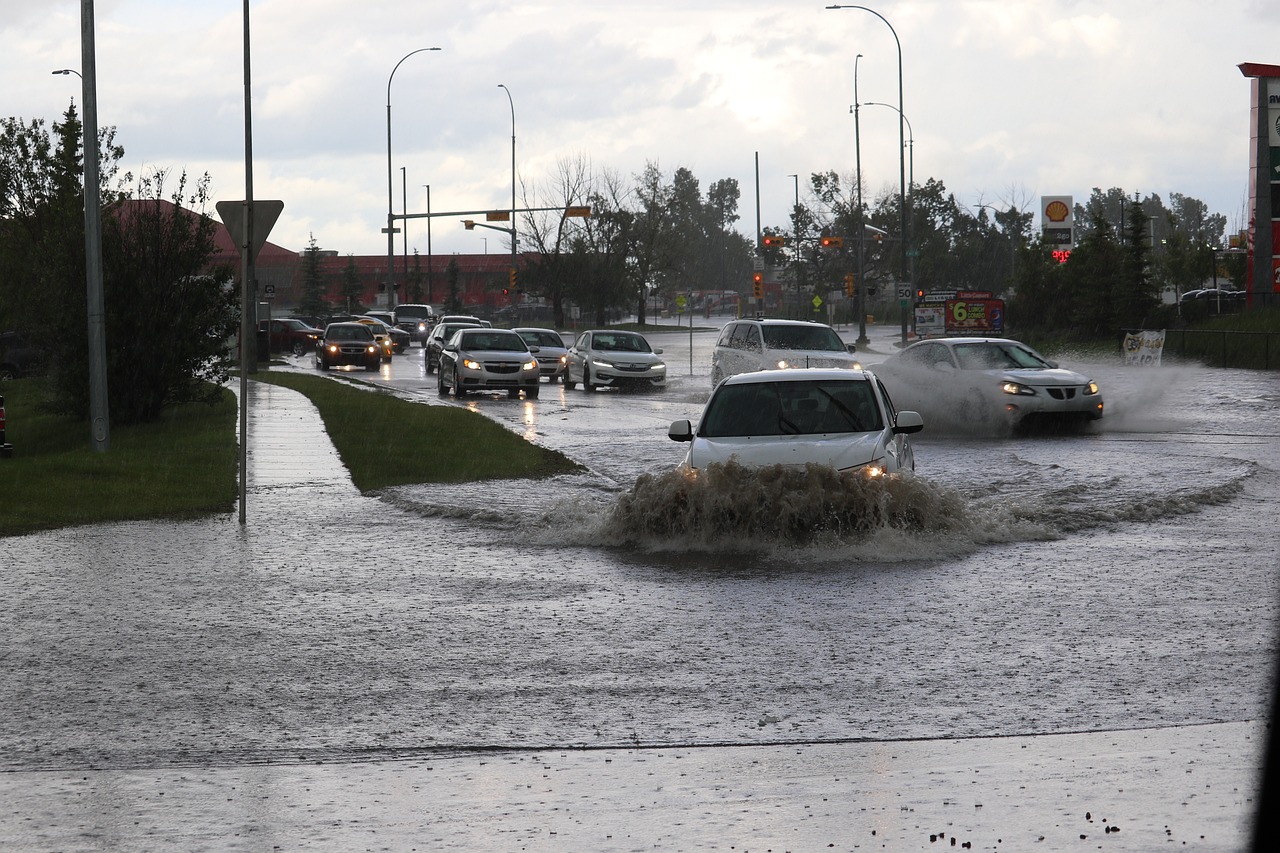
Miami, Florida, is often cited as one of the U.S. cities most at risk of being submerged by the end of the century. Known for its beautiful beaches and vibrant culture, Miami may not be able to escape the encroaching waters. According to reports, the city is experiencing rising sea levels at an alarming rate. The situation is so dire that parts of the city already experience frequent flooding, even on sunny days. This phenomenon, known as “sunny day flooding,” is a clear sign of what might come if action isn’t taken.
The Science Behind the Predictions

Scientists base their predictions on extensive research and data collection. They use sophisticated models to simulate how climate change will impact sea levels around the world. These models consider various factors like greenhouse gas emissions, ice sheet dynamics, and oceanic currents. A compelling study by the National Oceanic and Atmospheric Administration (NOAA) predicts that Miami could see sea levels rise by as much as 6 feet by 2100. This would be catastrophic for the city, with much of its infrastructure and real estate being at or near current sea level.
Economic Implications
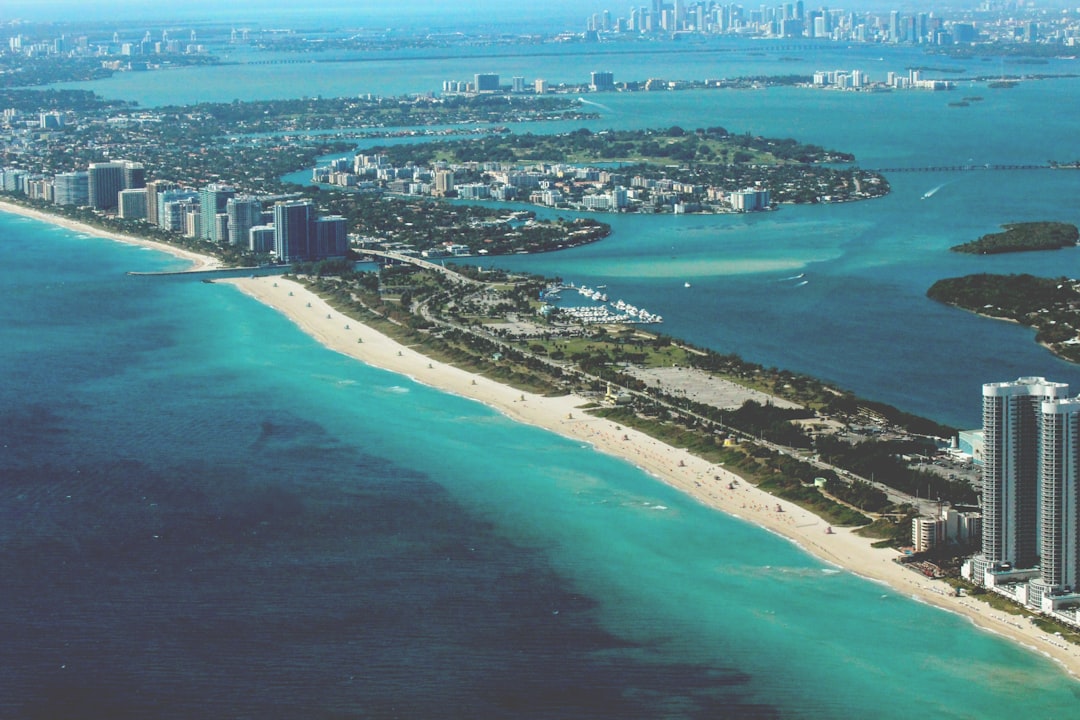
The potential submersion of Miami has significant economic implications. The city is a major hub for tourism, finance, and commerce. If sea levels continue to rise, it could lead to massive economic losses. Properties worth billions could be underwater, impacting homeowners and businesses alike. The tourism industry, which relies heavily on the city’s beaches and attractions, would also suffer greatly. This potential economic fallout is a critical factor driving efforts to find solutions.
Efforts to Combat the Rising Waters
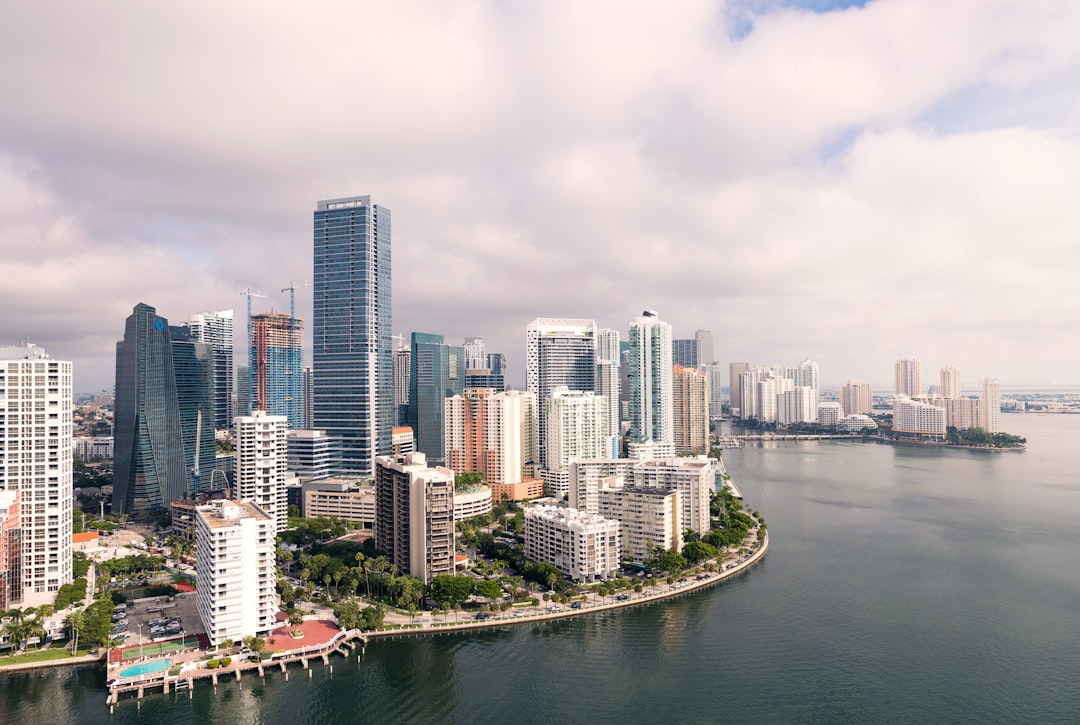
In response to the looming threat, Miami has initiated several projects aimed at mitigating the effects of rising sea levels. The city is investing in infrastructure improvements, such as raising roads and installing pumps to manage floodwaters. Additionally, there is a push to incorporate climate resilience into urban planning. These efforts are crucial, but they require significant funding and long-term commitment. While these measures might offer some relief, the challenge remains daunting.
Community Awareness and Involvement

Raising awareness in the community is vital in addressing the issue of rising sea levels. Local government officials are working to educate residents about the risks and the importance of taking action. Community involvement is essential, with many local organizations advocating for sustainable practices and environmental protection. Public support can drive policy changes and encourage greater investment in climate resilience projects.
Global Perspective: A Shared Responsibility

While Miami faces a unique set of challenges, it is important to recognize that this is a global issue. Many coastal cities around the world are grappling with similar threats. Global warming is a shared problem, and it requires a collective effort to address. International cooperation and commitment to reducing greenhouse gas emissions are crucial in mitigating the impact of climate change on sea levels.
The Role of Technology and Innovation

Technology and innovation play a key role in finding solutions to the problem of rising sea levels. Scientists and engineers are exploring new ways to protect coastal cities. For example, some are developing advanced materials for building sea walls, while others are researching how to harness natural barriers like mangroves and coral reefs. Technology also aids in monitoring changes in sea levels, providing crucial data that informs decision-making.
The Human Element: Stories of Adaptation
Amidst the scientific data and economic forecasts, it’s important to remember the human stories. Many Miami residents are already adapting to the changing environment. Some have raised their homes, while others have taken steps to reduce their carbon footprint. These personal stories highlight the resilience and adaptability of communities facing climate change. They serve as a reminder of the urgent need for action.
The Clock is Ticking

The prediction that Miami might be underwater by 2100 is a sobering reminder of the urgency of addressing climate change. The clock is ticking, and the need for action is immediate. Whether through policy changes, technological advancements, or community engagement, steps must be taken now to prevent a future where Miami and other coastal cities are lost to the sea. The challenge is significant, but with collective effort, there is hope for a sustainable future.


