
Imagine slipping a worn copy of a banned novel into a friend’s backpack, knowing it could spark a quiet rebellion. Across the US, amid a wave of school book challenges, everyday folks are turning physical books into symbols of defiance. These hidden exchanges hint at something bigger, where print pages hold power digital can’t touch.
Let’s dive into how this shadowy world is reshaping what we value in a story.[1]
The Explosion of Book Bans
PEN America tracked over 6,800 instances of book bans in schools during the 2024-2025 year alone, spanning 23 states.[2] That’s a staggering number, mostly targeting titles on race, gender, and LGBTQ+ themes. Libraries and schools feel the squeeze as districts pull thousands of copies from shelves.
Here’s the thing: this censorship fuels demand for the very books they’re trying to erase. Physical copies become treasures when they’re yanked from official access.[3]
Underground Libraries Emerge

In response, teachers and students are crafting secret stashes right under censors’ noses. Texas schools host hidden shelves stocked with challenged reads, passed hand-to-hand like contraband.[1] These aren’t formal networks yet, but whispers of coordinated sharing spread fast.
I know it sounds like a thriller plot, but real kids are risking it to keep stories alive. Physical books thrive here because you can’t delete or track a paperback tucked in a locker.[4]
One high schooler called it their “little underground library,” proving grassroots resistance is alive.[5]
Texas Teachers’ Bold Move
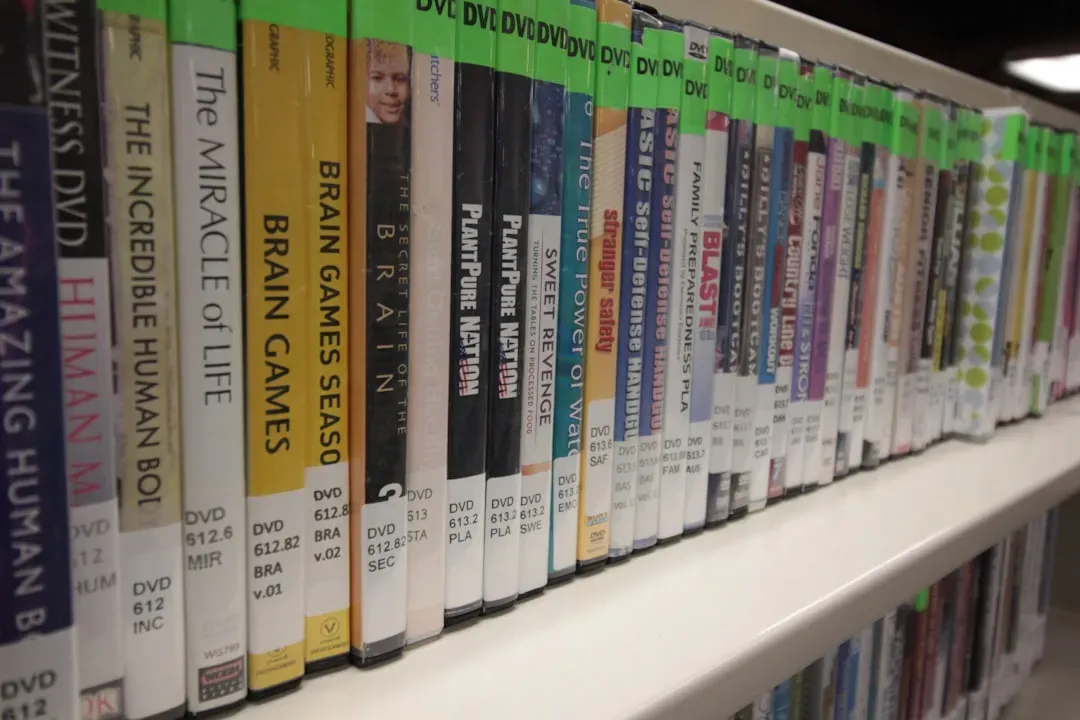
A secret shelf in a Texas school library buzzes with activity, defying hundreds of local bans. Educators stock it quietly, letting students borrow forbidden titles without records.[1] This setup thrives because physical books don’t leave digital trails.
Still, the risk looms large – discovery could mean jobs lost or worse. Yet the shelf endures, a testament to print’s quiet rebellion. Demand surges as scarcity bites.[6]
Students Take the Lead
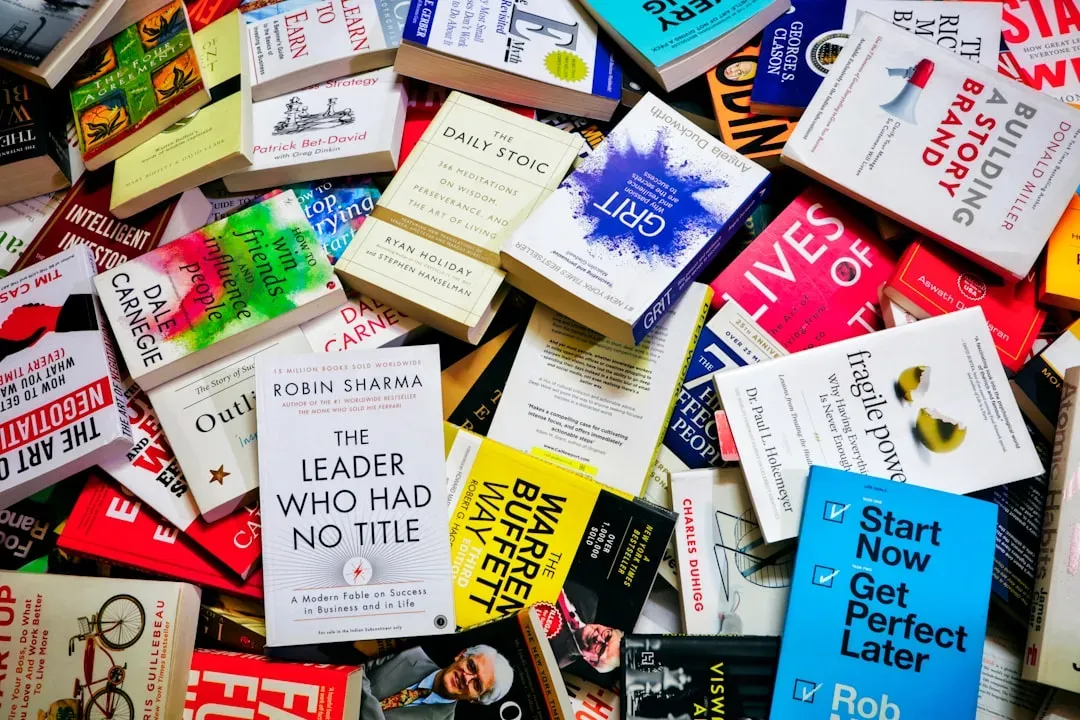
Hanover County kids fought back by distributing banned books themselves, building an underground collection from donations. They pass volumes discreetly, evading oversight.[4] No apps, no logs – just trust and paper.
This DIY network shows how bans backfire, making physical copies hot commodities among peers. Let’s be real: in a world of easy deletes, tangibles win.[5]
Little Free Libraries Fight Back
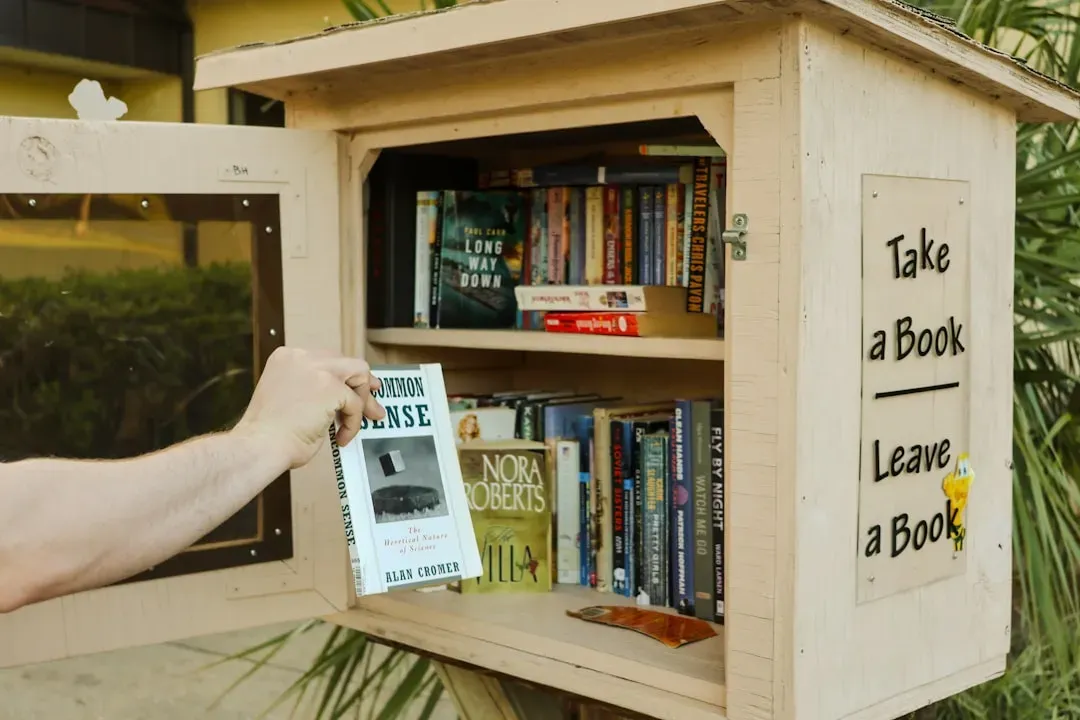
These neighborhood boxes now double as banned book hubs, stocked defiantly to counter removals. Anyone can drop off or grab a title, no questions asked.[7] Maps even guide seekers to “lending libraries” for restricted reads.
It’s genius – decentralized and hard to shut down. Physical books shine here, traded freely like community currency.[8] Bans just boost their street cred.
Print Sales Hold Strong
Despite digital hype, physical books claimed about three-quarters of the market in recent years. Sales ticked up 0.3% in 2025, hitting around 707 million units.[9][10] E-books lag behind, proving paper’s pull.
Bookstores are booming too, with Barnes & Noble opening dozens of spots. This resurgence ties right into scarcity from bans – folks crave what they can’t get easily.[11]
Bookstores Expand Amid Chaos
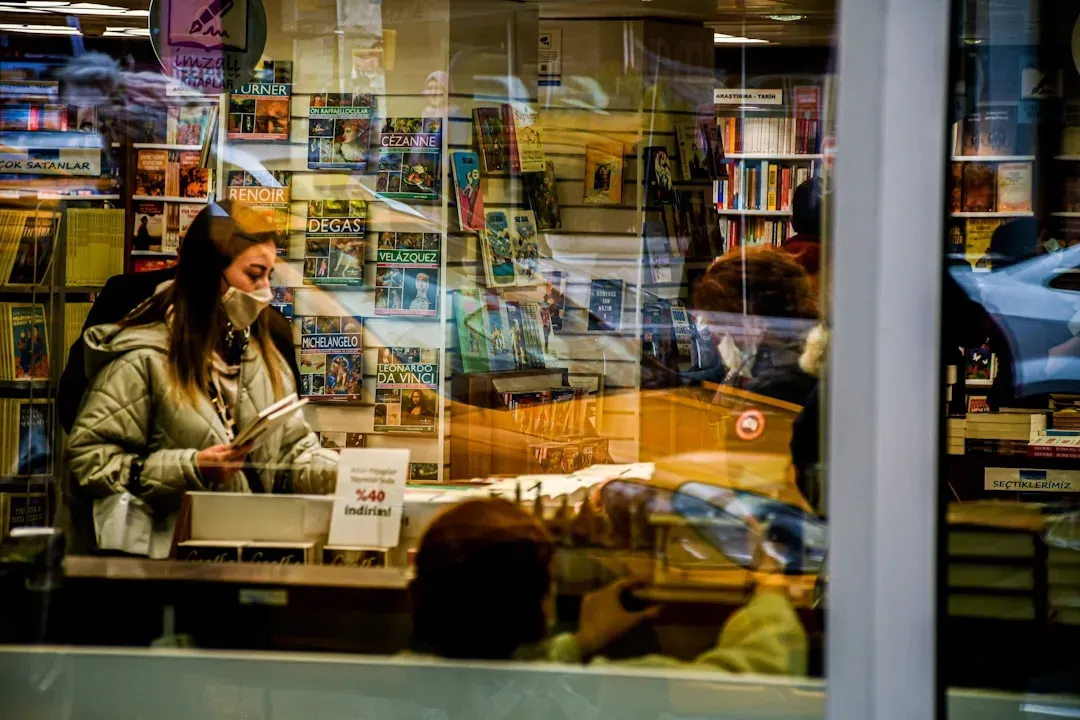
Nearly 70 new Barnes & Noble stores popped up in 2025, with more planned. Independent shops thrive as readers seek tactile escapes.[11] Physical format dominates sales, nearly three-quarters overall.
Why? Bans make certain titles rare birds, driving collectors to indies. It’s like vinyl’s comeback – analog wins hearts.[10]
Honestly, holding a book feels rebellious now.
Scarcity Fuels Hidden Value
When schools yank thousands of copies, remaining physical editions gain underground worth. Traders swap them like rare comics, evading digital controls.[1] No server can censor a basement shelf.
This mirrors prepper logic: in crises, knowledge you own beats streams you subscribe to. Print’s permanence turns it into informal tender.[12]
Preppers Hoard Print Wisdom
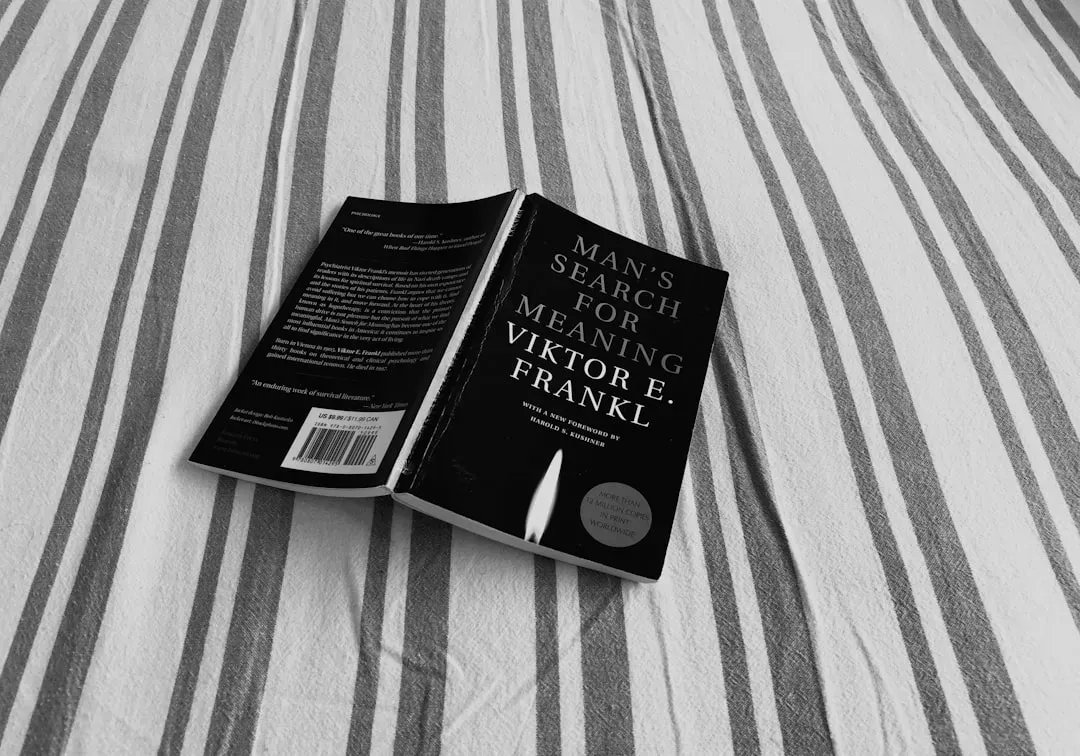
Survivalists stock books on skills, viewing them as barter gold when systems fail. Paper trumps devices needing power or internet.[13] Bans amplify this, making diverse reads premium trades.
Think about it: a how-to manual or novel could seal a deal post-blackout. Physical form ensures longevity.[14]
The Tangible Edge Persists

Even as e-books grow, print’s share stays vast – over 70% in spots. Bans highlight why: you control what sits on your shelf.[15][10]
Underground networks prove it – physical books circulate where digital fears tread. Their quiet trade marks a shift to owning knowledge outright.[16]
What story would you hide next?