
Scrolling through Zillow listings late at night is basically the modern equivalent of window shopping – except the window costs $400,000 and might be slowly sinking into the earth. Millions of buyers trust these listings to give them an honest first look at a home. The problem? What you see in those perfectly staged photos and carefully worded descriptions can be shockingly misleading, especially when it comes to foundation damage.
Foundation problems are not just inconvenient. They are potentially devastating to your finances. The numbers are real, the risks are underreported, and the warning signs are hiding in plain sight – right inside those glossy listing photos. If you are shopping for a home right now, what follows could save you from the most expensive mistake of your life. Let’s dive in.
Sign #1: The Listing Photos Suspiciously Avoid Ground-Level Shots and Basements
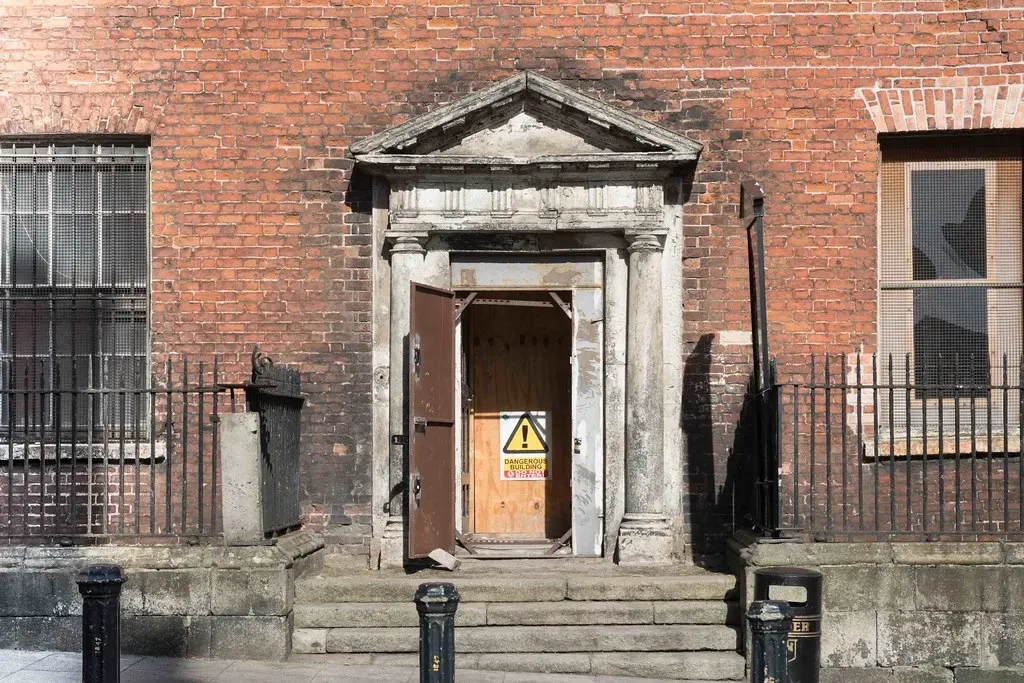
Here is the thing about well-photographed listings: a skilled photographer will always show you more than enough of a beautiful home. Angles, rooms, curb appeal – they capture it all. So when a listing is oddly shy about showing the basement, the crawl space, or any close-up ground-level shots of the exterior walls, that selective editing is not accidental.
A listing with no interior photos, or one that avoids key structural areas, could be hiding problems – and there is no way to tell upfront. Real estate professionals widely regard this as a major warning sign for buyers, many of whom begin their searches online. Think of it like someone posting a dating profile with only face shots. What are they not showing you?
Some sellers make temporary repairs or cosmetic improvements to prevent buyers from noticing defects. Patching over cracks caused by foundation issues and then painting a room will make it look fresh and appealing – and it could be a few months or even more than a year before the buyer starts noticing the issue themselves. By that point, you already own the problem.
If there are obvious problems but the seller did not disclose them, a court might rule that the seller deliberately withheld information. Likewise, if a seller tries to cover a problem area – like painting over cracks in the foundation to hide them – it could be used as evidence in a lawsuit. Still, lawsuits are expensive and exhausting. Your best defense is skepticism before you sign anything.
Sign #2: Vague Listing Language Like “As-Is,” “TLC Needed,” or “Priced to Sell”
Language in real estate listings is almost its own dialect. “Cozy” means tiny. “Charming” often means old. “As-is” or “priced to sell”? Honestly, those phrases should stop you cold. They are frequently used by sellers who know something is wrong and would rather not spell it out.
Selling a property as-is is a common tactic among those who know the home they have listed has multiple issues and possibly will not qualify for traditional financing. That financing issue alone is a huge clue. Many sellers believe that listing a home as-is protects them from liability. This is false. In many states, selling as-is simply means you are not agreeing to fix the defects before closing.
Major foundation issues can significantly impact the safety and resale value of a home. They can also make it difficult to get homeowners insurance or secure a mortgage. If a listing is suspiciously cheap compared to similar homes nearby, or if the description keeps emphasizing “potential” without mentioning specifics, treat it like a yellow flag on a race track. Slow down and investigate.
Shiny facades from quick cosmetic renovations could be hiding serious defects like water damage, mold, or an unstable foundation. A freshly painted interior, brand-new carpet over old floors, or a suspiciously recent renovation of just one room? These can all be cosmetic cover-ups worth scrutinizing closely.
Sign #3: Photos Show Sticking Doors, Uneven Floors, or Wall Cracks – Even Subtly
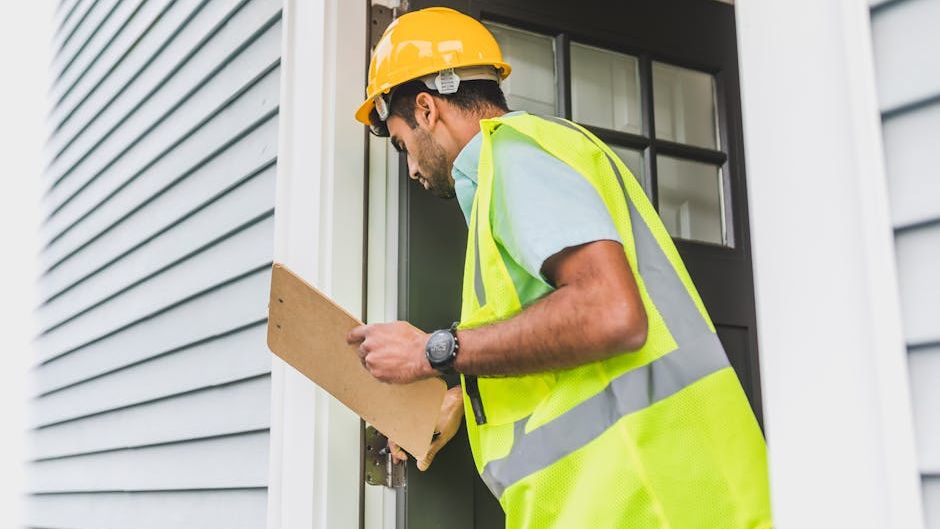
Most buyers look at listing photos and think about furniture placement. I get it – I have done it too. But if you train your eye to look past the staging, the photos themselves often reveal the very defects sellers are hoping you will overlook.
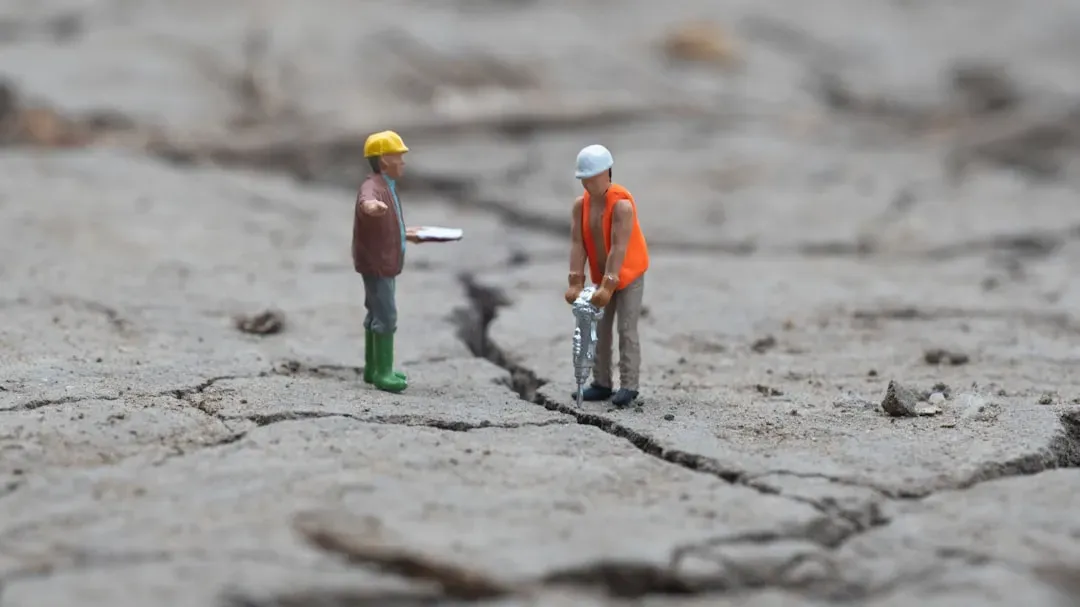
Problems caused by building on expansive clay soil include foundation cracks, wall and floor cracks, foundation settling or sinking, foundation upheaval due to moisture, and doors that stick or do not open and close properly. These are not random quirks of an old house. They are symptoms. To correctly identify a foundation issue, especially with settled homes, you need to look at multiple signs of settlement together – drywall cracks, foundation cracks, sticking doors and windows – to get a clear picture of what might be happening.
The biggest red flags in a home inspection include foundation cracks, especially horizontal ones or those wider than 1/4 inch, as well as structural issues like sagging floors or stuck doors. In listing photos, look at the door frames carefully. Do the gaps around doors look uneven? Are there visible diagonal cracks running from the corners of windows? Does the floor in any room appear to slope? These details appear in photos if you know what to look for.
One of the most obvious signs of foundation issues is the appearance of cracks, which can vary from hairline fractures to large fissures and can develop on walls, floors, or ceilings. Cracks may be vertical, horizontal, or diagonal, and their presence often signals that the foundation is shifting or settling unevenly. Horizontal cracks, especially in basement walls, are the most serious of all – they indicate structural pressure that can eventually cause wall collapse.
Sign #4: The Home Is Located in a High-Risk Soil or Flood Zone – But the Listing Doesn’t Mention It
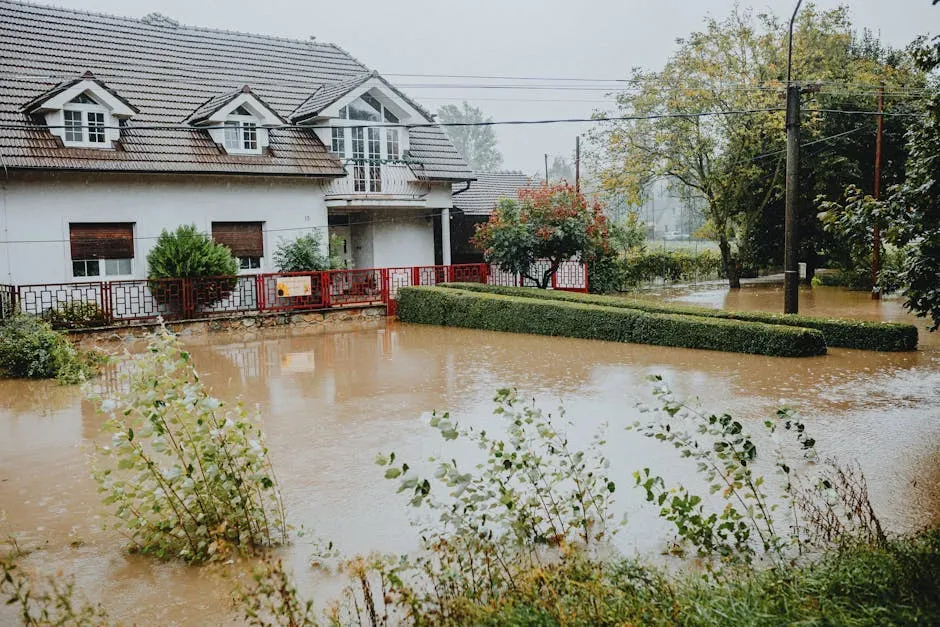
This one is sneakier because it is not visible in any photo. It is about geography, and it matters enormously. Where a home sits – the specific type of soil beneath it, the local drainage patterns, the regional climate – tells you a great deal about its long-term foundation risk. A listing that makes no mention of location-specific risks in known high-risk zones is a listing worth questioning.
The American Society of Civil Engineers estimates that roughly one in four homes in the United States has some damage caused by expansive soils. In a typical year, they cause a greater financial loss to property owners than earthquakes, floods, hurricanes, and tornadoes combined. That is a staggering figure that almost nobody talks about at open houses.
Even though expansive soils cause enormous amounts of damage, most people have never heard of them. This is because their damage is done slowly and cannot be attributed to a specific event, and the damage is then attributed to poor construction or a misconception that all buildings experience this type of aging. Buyers in Texas, California, Colorado, and Oklahoma face this risk at significantly elevated levels.
The constant expansion and contraction of clay-based soils creates enormous pressure against foundations, often exceeding the structural capacity of residential foundations. These soils cause billions of dollars in damage annually, actually creating larger financial losses to homeowners than floods, hurricanes, and tornadoes combined. If Zillow’s listing shows a climate risk rating – pay attention to it. There are documented cases where prospective buyers pulled out of purchases after seeing a property’s flood risk rating listed as extreme. That data exists for a reason.
Sign #5: The Listing Price Has Dropped Repeatedly or the Home Has Sat on the Market Unusually Long

Nothing tells a quiet story like a listing that just will not sell. In a normal market, a well-priced, problem-free home moves relatively quickly. When a property keeps sitting – week after week, price drop after price drop – experienced buyers start wondering why. Often, there is a reason that is not listed in the description.
Research shows that a compromised foundation can reduce a home’s value by up to 20%. That is not a small discount. That is tens of thousands of dollars evaporating because of something beneath the surface – literally. Delaying foundation repairs can drop a home’s value by 10 to 20%. Sellers who have not addressed the issue often keep slashing the price hoping someone will bite without asking too many questions.
Foundation problems – cracks, settling, or shifting – can threaten the whole structure, and cost tens of thousands to fix. Meanwhile, the national average foundation repair cost as of 2025 is around $5,100, with most homeowners spending between $2,200 and $8,100 for typical repairs, while major structural repairs involving piers or slab replacement can exceed $15,000 to $30,000. A home priced slightly below market might look like a deal – until you add those repair costs in.
The seller might not disclose a foundation problem to avoid repair costs, speed up the sale, or inflate their property value. Repeated price drops are the market speaking honestly even when the seller isn’t. Always check listing history before making an offer, and if the days-on-market number looks suspicious, treat it like the warning it almost always is.
What to Do Before You Buy: Protect Yourself
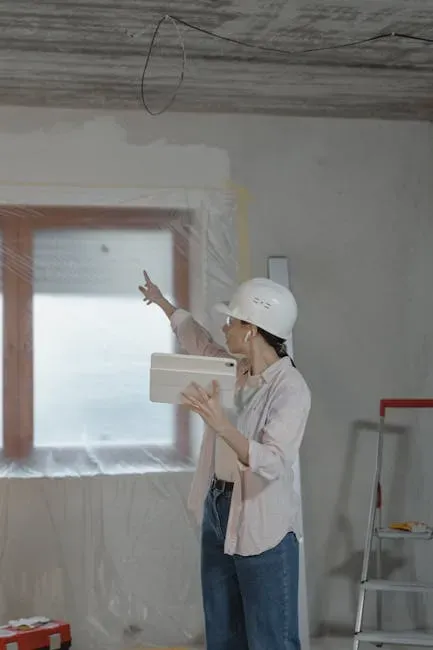
Spotting these five warning signs is only half the battle. The real protection comes from taking action before you close. A standard home inspection, while valuable, has real limits. Home inspections are limited – inspectors can only report what they can see. They don’t tear into walls or check every inch of wiring, so if a defect is hidden or the seller temporarily covered it up, it might not show up in the report.
If you are eyeing a home with potential structural issues, do not rely solely on the seller’s word or the general home inspector’s word. A general home inspector is a generalist – they will spot a crack and write “consult a specialist” in their report. You need to hire a structural engineer or a specialized foundation repair contractor. That extra cost is almost always worth it.
Catching foundation problems early usually means simpler, less expensive repairs. A hairline crack caught early might cost $200 to $800 to repair, while waiting until it has widened and caused structural issues could push repairs into the $10,000 to $15,000 range or higher. Early discovery is your single greatest financial advantage in any home purchase.
The Real Cost of Getting It Wrong
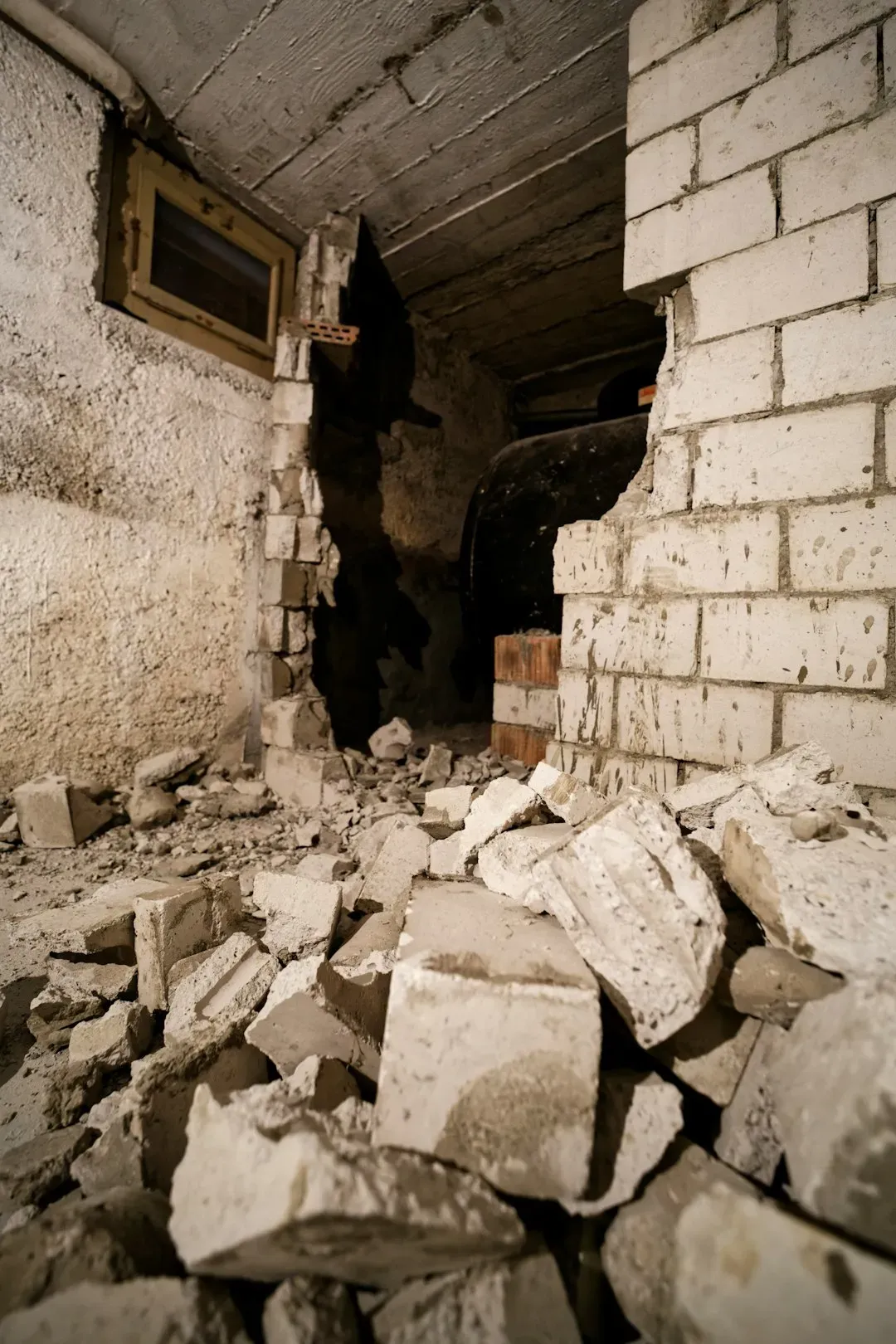
Let’s be real about what is at stake here. Buying a home with hidden foundation damage is not just an inconvenience. It is a financial shock that can take years to recover from. Foundation repair is among the top three most expensive home repairs, comparable to major roof replacements or full HVAC system installs. For many first-time buyers, this kind of surprise can be genuinely devastating.
Most home insurance companies typically consider foundation repair as part of your home maintenance, so they will not cover the cost. That means you are almost always paying out of pocket. Unless foundation damage is caused by a sudden insured event like a burst pipe or vehicle impact, homeowners typically pay out-of-pocket. Given the high cost, many homeowners rely on financing plans, home equity loans, or FHA home improvement loans to pay for repairs. It can become a debt spiral tied directly to a home you thought was a dream purchase.
The Zillow trap is not really about Zillow itself. It is about the entire dynamic of online home shopping, where beautiful photography, selective staging, and carefully crafted descriptions create an illusion of transparency where none actually exists. Knowledge is the only real defense you have. And now you have more of it.
Have you ever walked through a home and felt something was off – only to find out later you were right? Tell us about it in the comments.