
Water. Most of us turn on the tap and never think twice. It’s just there. But for tens of millions of Americans living across the American West and South, that reliability is no longer something anyone can take for granted. The signs have been building for years, and by 2026, the warnings have become impossible to ignore.
Three states in particular stand at the sharp edge of this crisis. Their rivers are drying up, their aquifers are being drained faster than they can refill, and their governments are locked in heated legal and political battles over what little water remains. What’s actually happening out there is more alarming, and more fascinating, than most headlines let on.
Let’s dive in.
Arizona: Forced Cuts for the Fifth Year Running
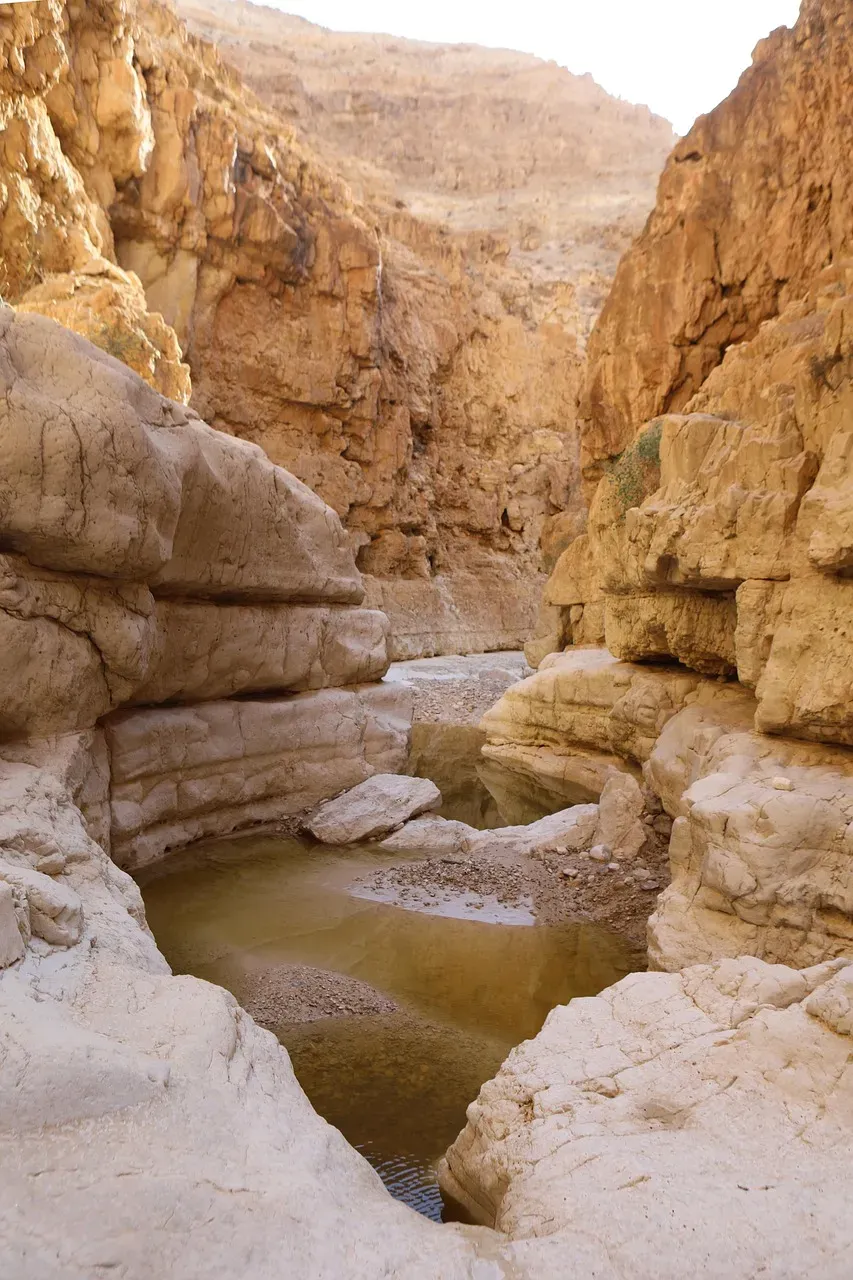
Here’s the thing about Arizona’s water situation. It’s not a future problem. It’s happening right now, in real time, and it’s escalating fast. In 2025, for the fifth consecutive year, the federal government imposed water allocation cuts on the Colorado River due to the ongoing drought, and Arizona’s cut amounts to a loss of 512,000 acre-feet of water for the year.
Under current allocations, Arizona has rights to 2.8 million acre-feet of water per year, and has implemented 800,000 acre-feet in reductions per year. That’s a staggering rollback. Think of it like a household that was promised a salary and is now being asked to survive on a fraction of it, year after year.
The Colorado River system is in a 20-plus year drought that continues to stress the system. Even a couple of slightly wetter winters haven’t come close to reversing that long-term damage. Representatives from the Upper Basin have insisted that Lower Basin states need to come to terms with the reality that the river has shrunk by 20% over the past 25 years.
If the states can’t reach an agreement before the current water usage guidelines expire, the federal government would implement one of its draft plans, which would all place an outsized burden on Arizona. That’s because the Central Arizona Project, a series of canals that supplies Colorado River water to the Valley and the Tucson area, is one of the newest users of the river water, making it legally one of the first to be cut.
Arizona and the Deadlock That Could Change Everything
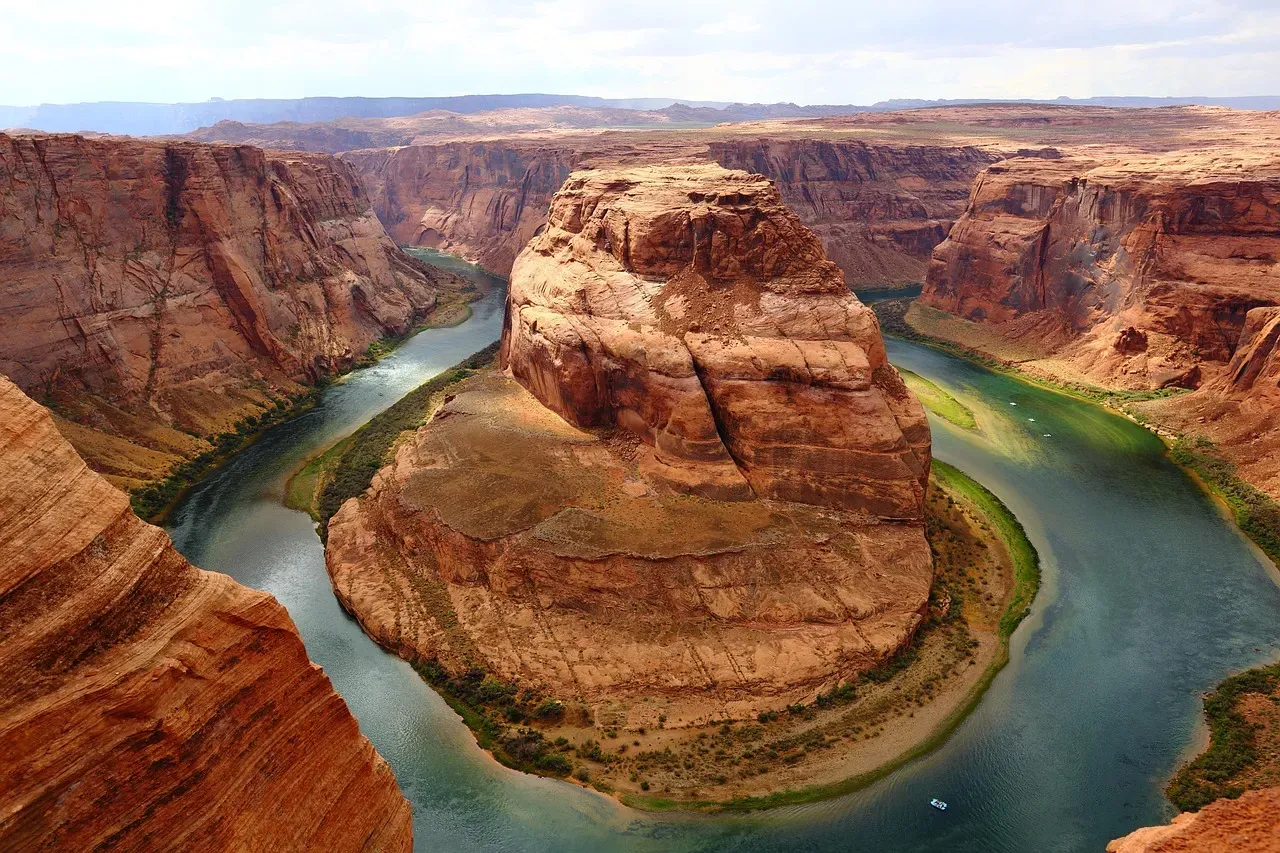
Interstate water negotiations have been going on for years now, and honestly, the situation reads like a slow-motion political standoff. Negotiations over how to stabilize the shrinking Colorado River are so deadlocked that one of the seven state officials involved has said he doesn’t think it’s possible to get a 20-year agreement to rewrite the river’s operating rules.
The Lower Basin states, which include Arizona, California and Nevada, remain unwilling to strike an agreement because the Upper Basin states are unwilling to commit to making any reductions in their own water use. The Lower Basin states say they’re willing to shave their water use by at least 20% from the start if the Upper Basin states are willing to share 50-50 any cuts needed beyond that point to protect reservoir levels.
Federal government data indicates that Lake Powell could drop to “deadpool” level, where the water behind Glen Canyon Dam would be trapped, limiting deliveries to California, Arizona, and Nevada, by the summer of 2027 if significant cuts aren’t made. That’s not a distant hypothetical. That’s a real and near-term scenario.
California: Groundwater Running Out From Below
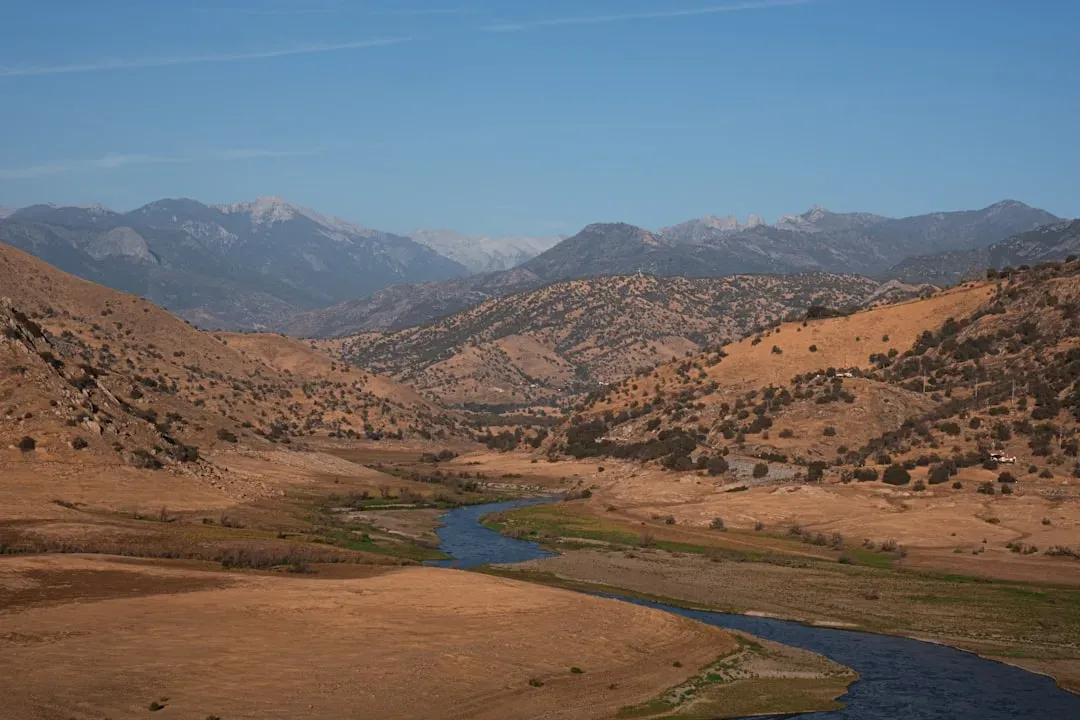
California’s water crisis looks slightly different from Arizona’s, but it’s no less serious. The state’s surface water can fluctuate dramatically from year to year, but what’s happening underground is a slower, quieter catastrophe. Groundwater is California’s most important drought reserve, accounting for roughly two-thirds of the water supply during critically dry periods. The storage capacity of California’s underground aquifers is larger than all of its reservoirs and snowpack combined. This important water source has, however, been overused, causing significant economic and environmental impacts.
In heavily agricultural regions like California’s Central Valley, groundwater provides two-thirds or more of irrigation water during drought, which has led to falling water tables, drying wells, subsiding land, and its long-term disappearance. NASA GRACE satellite missions show that the rate of groundwater depletion in the Central Valley has been accelerating since 2003.
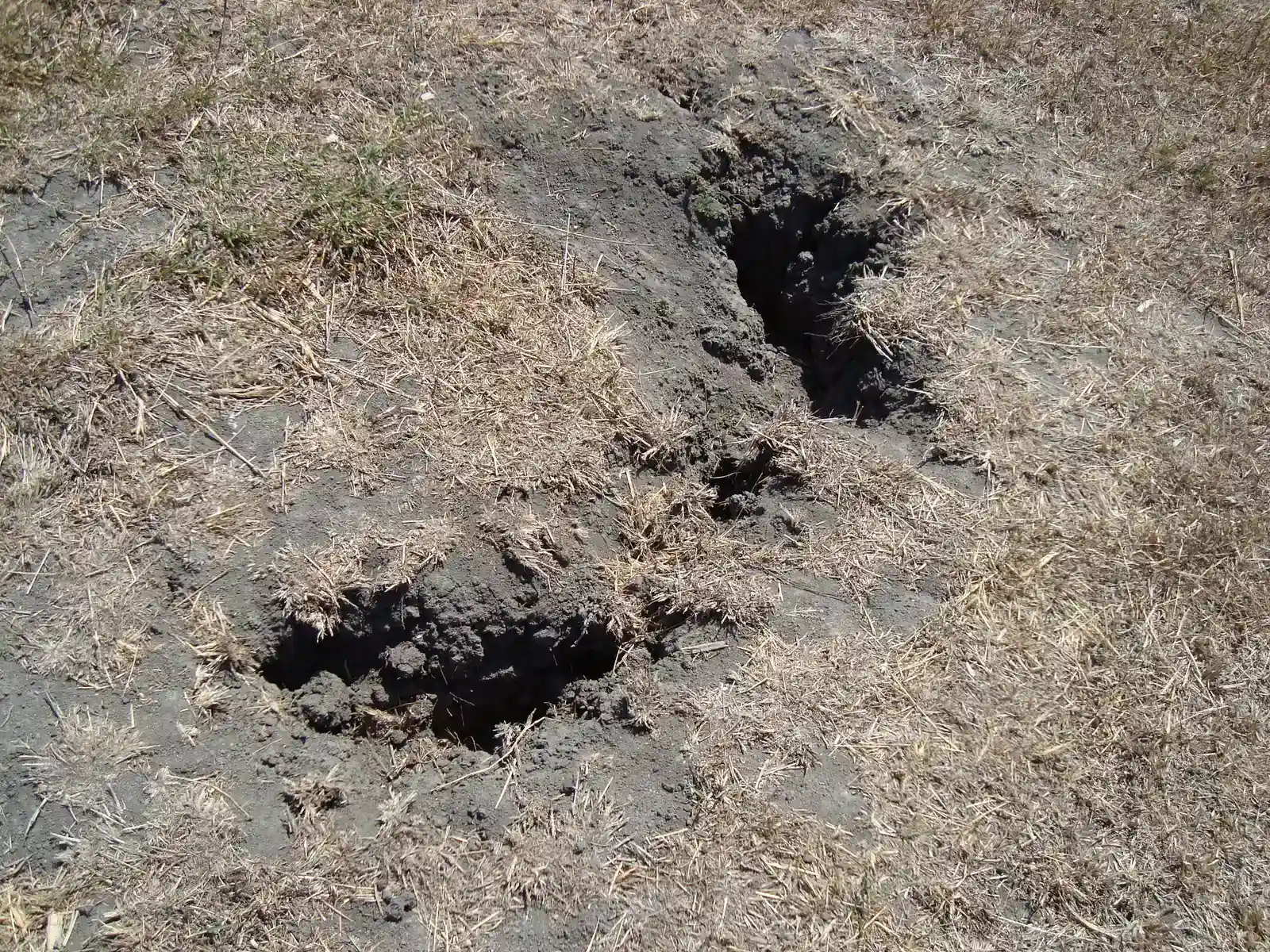
Some districts in the Central Valley have seen groundwater levels drop more than 10 feet per year in the past decade. Land subsidence has caused costly damage to canals, roads, and farm infrastructure. Imagine the ground literally sinking beneath your feet. That’s not a metaphor. That’s what’s happening.
California’s Farms: The Hidden Victim
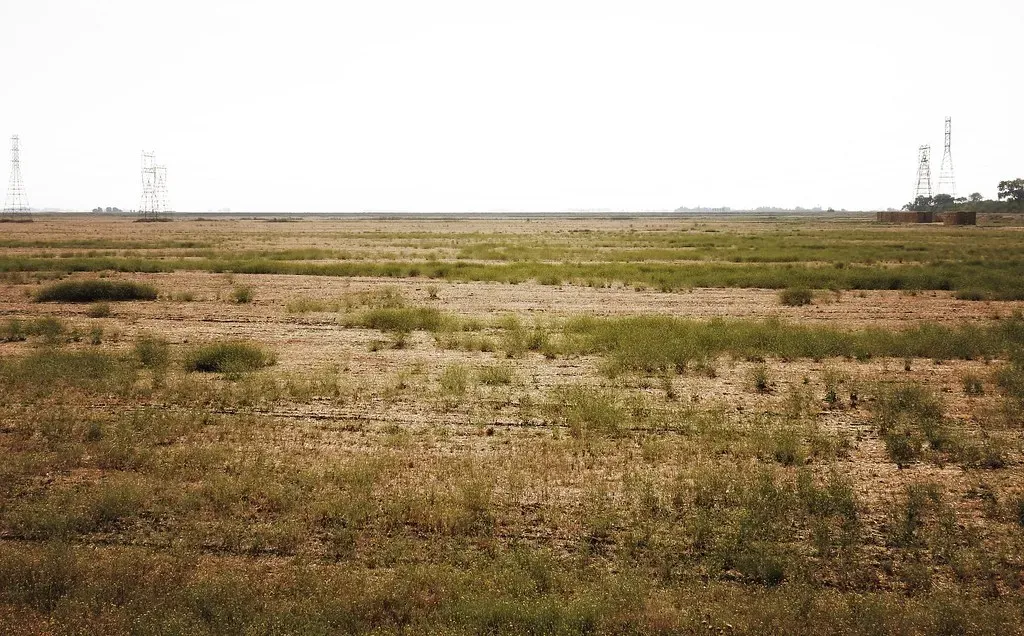
California grows an enormous share of the country’s fruits, vegetables, and nuts. But that agricultural engine runs on water, and the water is disappearing. Over 7 million acres of Central Valley farmland depend on irrigation, now at risk due to severe groundwater depletion.
In 2025, water shortages and pumping limits may impact over 40% of irrigated farmland in the Central Valley, representing millions of acres and critical portions of the nation’s crop production. That’s not just a California problem. That affects grocery shelves and food prices across the entire country.
California experienced record heat and dry conditions during the summer of 2024, which led parts of the state back into drought. Despite late 2024 storms in Northern California, January 2025 saw statewide precipitation fall below average for the water year, resulting in dry conditions across much of the state, especially in Southern California.
California’s Infrastructure Gap and Future Risk
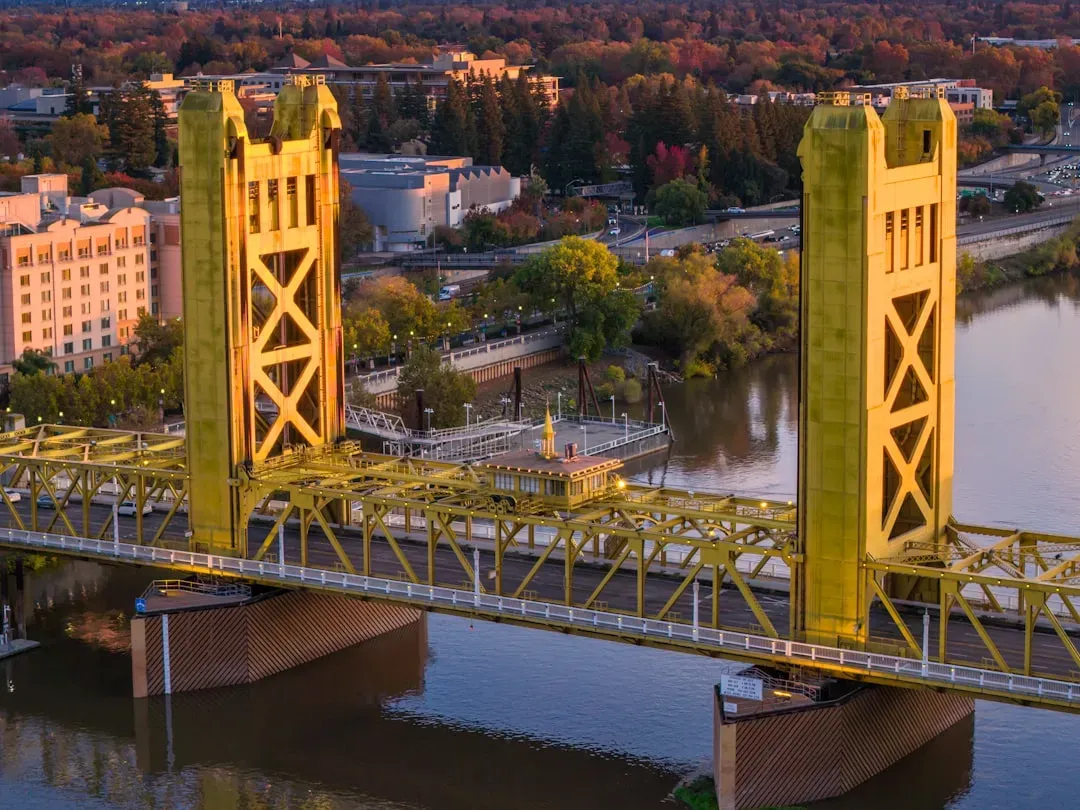
Even with better rainfall years, California’s water delivery system itself is becoming a liability. According to a State Water Project Delivery Capability Report, SWP delivery capability and reliability could be reduced by as much as 23 percent in 20 years due to changing flow patterns and extreme weather shifts. A 23 percent decline would be equivalent to about 496,000 acre-feet a year, enough to supply over 1.7 million homes annually.
Climate whiplash, the swing between extreme droughts and extreme floods, is increasing, snowpack is diminishing, and wildfires are growing ever more severe. All of this is impacting the state’s people, farms, ecosystems, and vast water grid, which supplies water to the majority of the state’s nearly 40 million residents.
California has invested more than $9 billion to boost water supplies over the past three years. In 2024, for the first time since 2019, California’s groundwater storage increased, a direct result of state and local actions to capture and store more water underground during the historic wet season. It’s progress, but scientists are cautious about treating it as a permanent solution.
Texas: A Booming State Running Dry
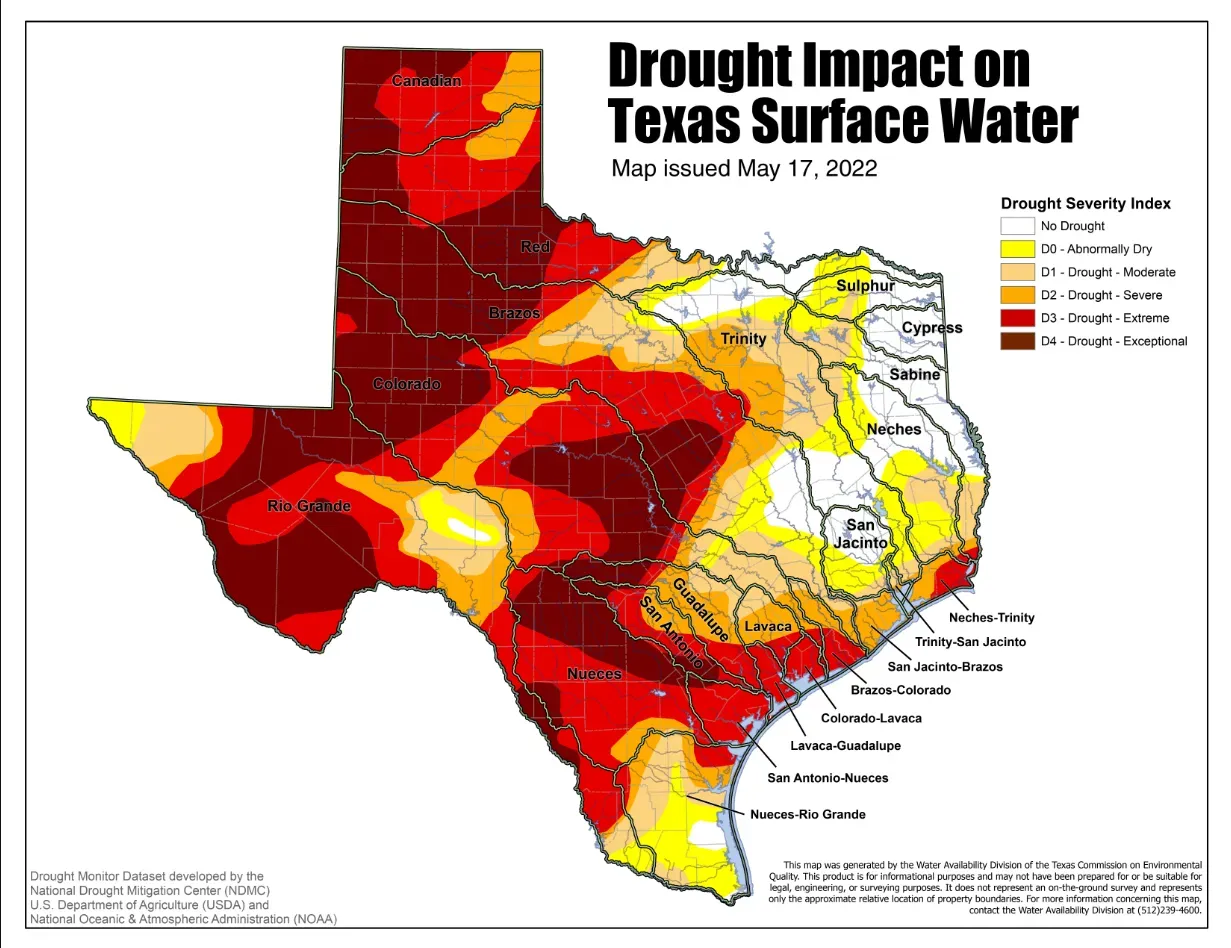
Texas is one of the fastest-growing states in the country. Its economy is massive. Its population is exploding. There’s just one problem. Water is essential to the expanding Texas economy and its ability to continue outpacing U.S. growth. However, Texas’ increasing demand for water is running up against its current supply, which is already stressed by extreme heat and more frequent droughts.
Two consecutive summers of brutal heat and drought left some parts of Texas with notably low water supplies going into 2024. For a state that prides itself on self-sufficiency and resilience, that reality has been a stark wake-up call. In 2022, the Texas Water Development Board estimated that if a severe drought were to occur in 2030, the state would be short 4.7 million acre-feet, more than 20 percent of projected demand.
Medina Lake was just above 2% full during peak drought conditions, and the Edwards Aquifer dropped below the Stage 5 drought threshold, the most extreme threshold, for the first time since the Edwards Aquifer Authority’s inception in 1993. Other impacts of the multi-year drought in central Texas include wells running dry and water restrictions across the Edwards Plateau.
Texas and the Rio Grande Crisis
The Rio Grande Valley tells its own painful story. Reservoirs along Texas’ international border face their own challenges. Mexico and the U.S. share the Rio Grande’s Amistad and Falcon reservoirs under terms of a 1944 treaty. However, Mexico has not met the required release schedule in seven of the last 10 five-year cycles, partially due to drought.
According to the International Water and Boundary Commission, upstream flows from the U.S. side have declined by roughly a third into Amistad and by more than a fifth into Falcon. As a result, farmers in Texas’ Rio Grande Valley, who depend on these reservoirs for irrigation, face persistent shortfalls. In 2024, the state’s last remaining sugar mill closed.
Texas counties issued around 200 water-use restrictions in 2024, most commonly limiting lawn watering. The counties with the most reported restrictions since 2011 are concentrated around Houston, Austin, Dallas-Fort Worth, and the Rio Grande Valley. I honestly think people don’t realize how quietly widespread these restrictions already are.
Texas Faces a Looming Generational Crisis
Zoom out far enough, and the Texas water picture becomes genuinely sobering. If nothing is done to supplement existing sources, there could be a shortage of nearly 7 million acre-feet of water in Texas by 2070 should the state encounter severe drought conditions. That would leave roughly a quarter of the state’s population without enough water, resulting in economic damages estimated in the ballpark of $150 billion.
Even with conservation efforts, existing sources of surface water and groundwater, including lakes, reservoirs and aquifers, likely won’t be able to meet Texas’ long-term water demands, especially when you couple population growth with persistent drought conditions, which have impacted most of the state for the last 25 years.
With Texas’ population projected to expand by nearly three-quarters, to 51.5 million residents by 2070, no one tactic will provide relief. There’s no silver bullet here. The state is going to need a combination of conservation, recycled water, infrastructure investment, and some very difficult political decisions.
The Bigger Picture: Why All Three States Are Connected
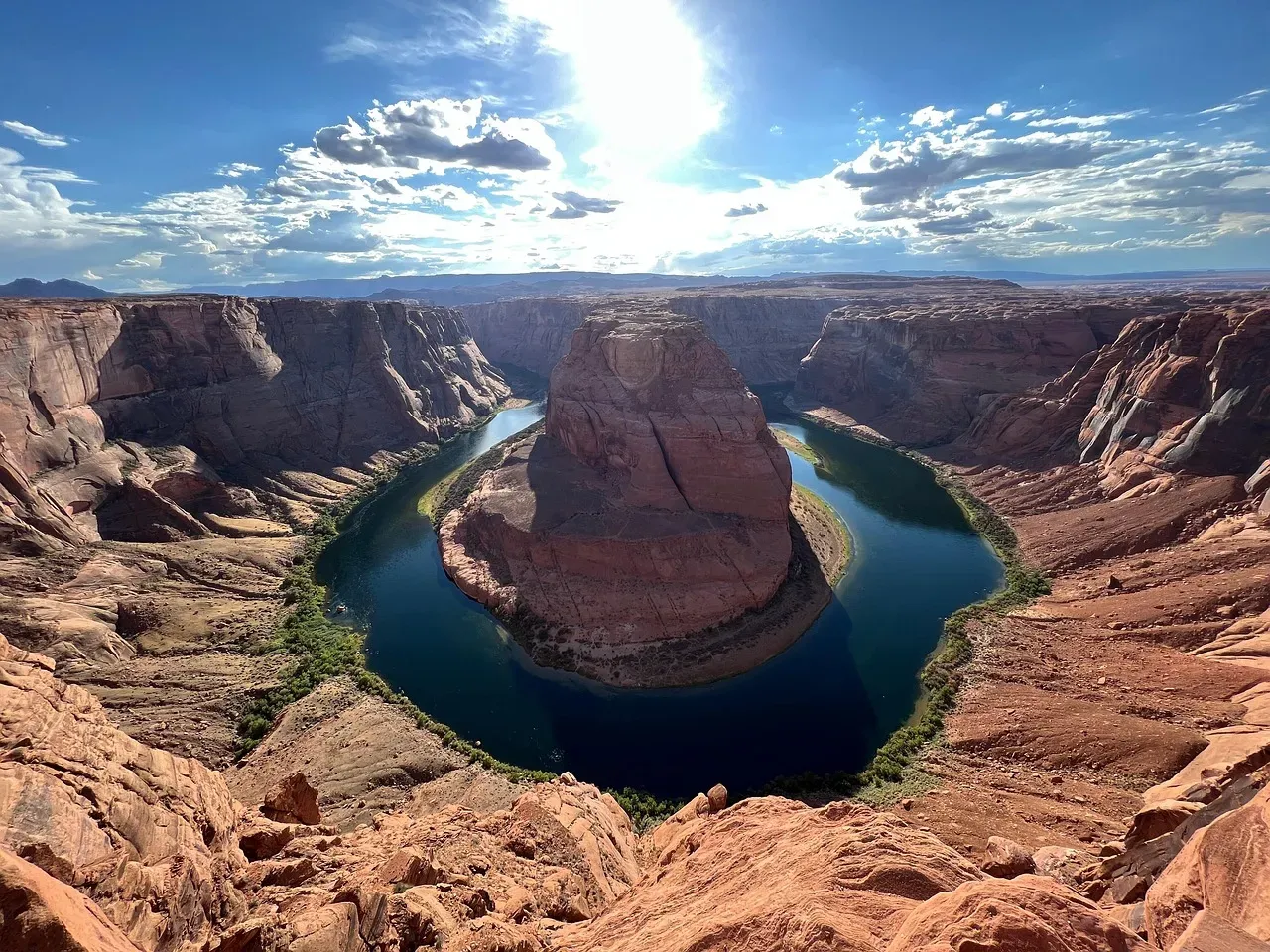
Here’s what makes this story particularly urgent. Arizona, California, and Texas are not isolated cases. They are all nodes in the same larger stress system. Years of overuse by farms and cities, and the effects of drought worsened by climate change, has meant much less water flows today through the Colorado River than in previous decades.
The preferred alternative under the federal government’s Near-Term Colorado River Operations plan features the Lower Basin states’ May 2023 proposal to conserve three million acre-feet of Colorado River water by 2026, beyond reductions previously agreed to. That commitment reflects just how serious the situation has become on a federal level.
Climate change has fundamentally altered the hydrologic system, intensifying severe weather as conditions swing from extreme dry to extreme wet situations. The instability itself is part of the problem. Planning for water supply when you can’t reliably predict rainfall patterns from year to year is genuinely difficult, and the costs of getting it wrong are enormous.
What Comes Next: Racing Against the Clock
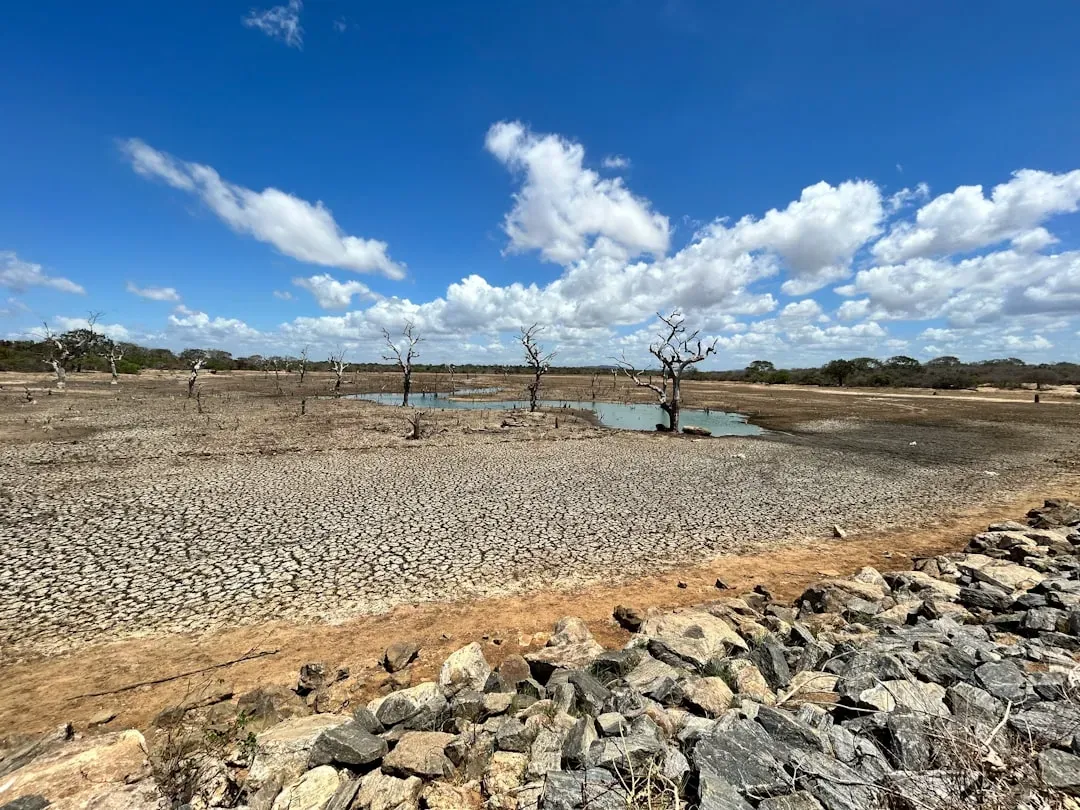
The post-2026 operating guidelines for the Colorado River system remain unresolved, and the stakes could hardly be higher. The current 2007 Shortage-Sharing Guidelines and Drought Contingency Plan expire at the end of 2026. The federal government issued a Draft Environmental Impact Statement regarding post-2026 operations in January 2026, with comments due in early March 2026.
After two fraught years of negotiations amid dire projections for the Colorado River’s reservoirs, California and six other states that rely on the river’s water have yet again failed to reach a deal, despite a federal deadline. Time is genuinely running out, and the political disagreements are deep. It’s hard to say for sure how this resolves, but the pressure to act is mounting.
Funding for water infrastructure improvements has emerged as a priority for the Texas Legislature during its 2025 legislative session. Absent changes to policy, Texans could face significant water shortages during droughts and constraints on future growth and economic development. The same conversation is playing out, in different forms, in California and Arizona too.
Conclusion: The Crisis Is Already Here
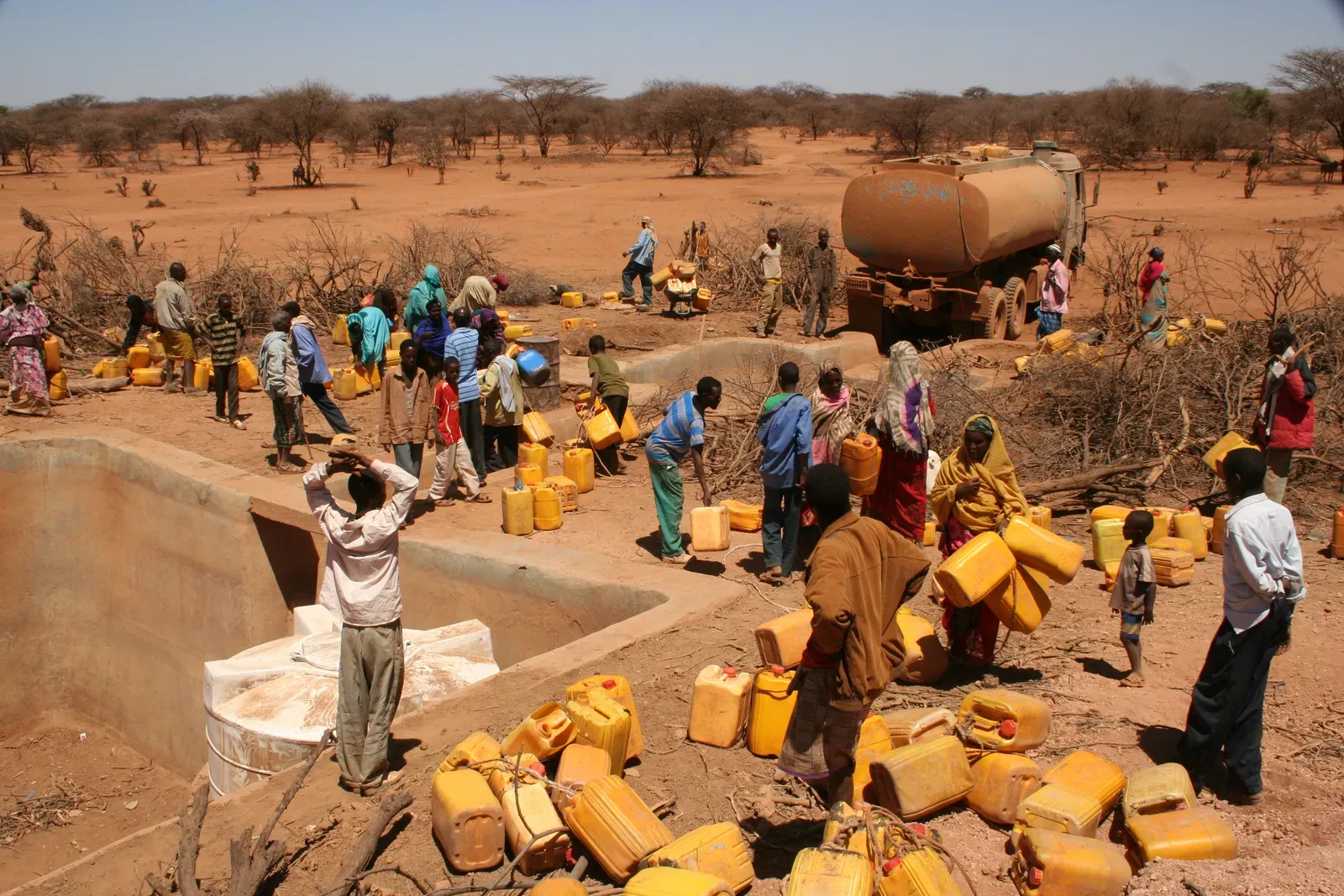
Let’s be real. This is not a coming crisis. It’s an ongoing one. Arizona is already absorbing mandatory cuts for the fifth year in a row. California’s farmland is sinking into the ground from decades of over-pumping. Texas counties are issuing hundreds of water restrictions and staring down projections that would leave millions without enough water within a single lifetime.
What all three states share is a collision between historic overuse, growing populations, rising temperatures, and a water system that was designed for a climate that no longer exists. The laws, the treaties, the infrastructure, the political habits, all were built around assumptions that are now crumbling.
The decisions made in the next few years, at the negotiating table, in state legislatures, in courtrooms, and in federal agencies, will determine whether the Southwest and Texas can adapt in time. The water isn’t going to wait for the politics to catch up.
What would you do differently if the tap in your home ran dry tomorrow? The people in these three states may not have to imagine it much longer. What do you think should come first: tougher conservation laws, more federal intervention, or a complete renegotiation of water rights from the ground up? Tell us in the comments.