The craft beverage movement in the United States is one of the most fascinating economic and cultural stories of the last two decades. What started as a scrappy rebellion against mass-produced beer has grown into a multi-billion-dollar industry woven into the identity of cities, small towns, and entire states.
As of 2024, there were nearly 9,800 operating U.S. craft breweries, spanning taproom breweries, brewpubs, microbreweries, and regional craft operations. That is staggering when you think about it. Not every state, though, is created equal in this space. Some have clearly pulled ahead, driven by culture, legislation, sheer population, or a unique density of passionate producers. Let’s dive into exactly which five states are running the show right now.
1. California: The Undisputed Giant of Craft Brewing
If you had to name just one state that defines the scale and ambition of the American craft beverage scene, California wins without a debate. The state continues to lead the nation in craft brewing, with 961 craft breweries, ranking first in the country according to the Brewers Association’s 2024 statistics. That is not just a slight lead. It is a commanding margin over every other state.
In addition to leading in production, California’s craft breweries have a significant economic impact, contributing $8.26 billion to the state’s economy. Honestly, that number is almost hard to wrap your head around. These breweries not only support tens of thousands of jobs but also serve as neighborhood hubs, bringing people of all walks of life together. The economic ripple effect from a single taproom in San Diego or a small craft distillery in Sonoma reaches further than most people realize.
The state’s massive population, diverse culture, and deep-rooted brewing history all contribute to its booming industry. From hop-forward West Coast IPAs to innovative sours, California continues to push the boundaries of craft beer production. The variety here is almost absurd in the best possible way, with producers experimenting across every style imaginable.
2. Vermont: Small State, Massive Craft Identity
Here is where it gets really interesting. Vermont has a population smaller than most mid-sized American cities. So how does a state with fewer than 700,000 residents become the undisputed per-capita craft beer capital of the entire country? The answer is simple: genuine, deep-rooted culture.
According to the Brewers Association, Vermont is the state with the most breweries per capita, clocking in at 15.4 breweries per 100,000 legal drinking-age adults. Vermont is home to 77 craft breweries, and that per-capita figure ranks number one in the nation. The state generates over $917 in craft beer economic impact per capita, also ranking first nationally. No other state comes close to that per-person figure.
There is a particular style Vermont is especially known for: the IPA. Vermont breweries helped shape what today’s IPA is, and plenty of the nation’s best examples continue to pour forth from brewhouses across the Green Mountain State. This style isn’t just a regional fad, but a full-blown phenomenon that has led craft breweries across the country to develop their own New England-style IPAs. Vermont, in a very real sense, changed how America drinks beer.
3. Texas: Raw Scale and a $4.7 Billion Impact
Texas does almost everything on a massive scale, and its craft beverage industry is no exception. The sheer size of the state means that even modest per-capita numbers translate into enormous real-world economic output. Let’s be real: when Texas shows up in a national ranking, it usually brings serious weight with it.
Texas still produces a lot of craft beer, ranking fourth in the nation for barrels produced and third for economic impact in 2024, despite the industry’s struggles. Texas craft beer production reached 1.369 million barrels in 2024, and the economic impact for the state came in at about $4.7 billion. That is a number most states could only dream of, even if the trajectory did dip from previous highs.
Accusing fingers point to everything from the increased popularity of hard seltzer and THC-infused beverages to younger generations ditching alcohol altogether. Rising rents in major metro areas have played a large role in closures, as have consumers choosing more commercial options due to inflation. Texas is navigating real headwinds right now. Still, the industry’s depth and diversity of producers, from Austin to Dallas to Houston, keep it firmly among the nation’s leaders.
4. New York: Policy-Driven Growth and Farm-to-Glass Culture
New York has taken a different approach to building a dominant craft beverage economy: it leaned hard into legislation. Rather than just letting the market develop organically, state lawmakers created structured incentive programs to specifically grow a farm-anchored, locally sourced craft industry. I think this is one of the smartest policy plays any state has made in this space.
In order to receive a Farm Brewery license, the beer must be made primarily from locally grown farm products. Farm manufacturers can sell, by the bottle or by the glass, all New York State-labeled products, including beer, wine, spirits, and cider, at their manufacturing facility or offsite tasting rooms. This creates a direct pipeline between agriculture and consumer, which is a powerful economic loop.
New York State has seen dramatic job growth at small farm breweries, wineries, and distilleries over the past seven years, thanks to legislative efforts to encourage investment in local economic development. A major reason for the success of some of the country’s best brewery, distillery, and winery trails has been the result of close collaboration and cross-promotion by regional farms, wineries, breweries, and distilleries. New York is home to a thriving craft beer scene, with 539 craft breweries. That is a remarkable number for a state that did not always have a deep brewing culture outside of New York City.
5. Colorado: The Spiritual Home of the Craft Beer Movement
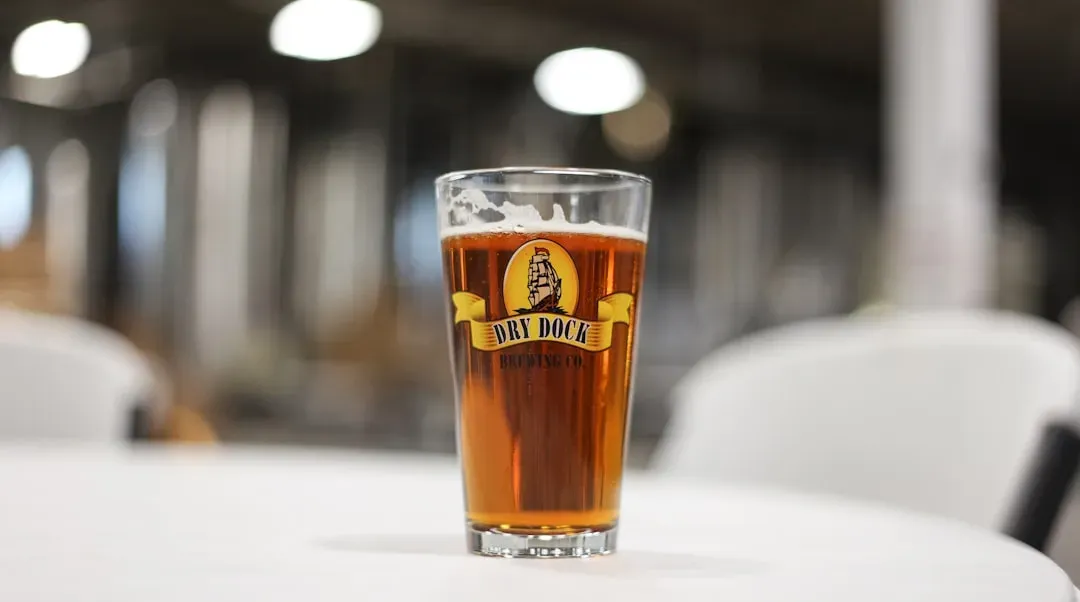
Colorado holds a special place in the craft beer story that goes beyond statistics. This is the state where the culture ran deepest, the experimentation ran boldest, and the identity of craft brewing became almost inseparable from the state’s image. Boulder. Denver. Fort Collins. These names carry real weight in beer circles worldwide.
According to the Brewers Association, Colorado’s brewing industry consistently punches above its weight. It has the fifth most breweries per capita in the U.S. and it generates over $2.4 billion in economic impact, including jobs created and revenue generated. Colorado still has nearly 450 breweries, which employ roughly 63,000 people, translating to $4 billion in wages each year. Those are real, community-embedded jobs.
The state is not without its challenges right now. Since the pandemic, Colorado has lost 140 craft breweries, with 41 of those closures happening in 2024 and 35 in 2023. Since 2019, prices for key ingredients like hops, yeast, and malt have surged significantly. This is compounded by increasing labor costs and soaring packaging expenses, making it increasingly difficult for smaller breweries to maintain profitability. Even with headwinds, Colorado’s depth of culture and the sheer number of resilient producers keep it in elite company.
What Makes These States Different From the Rest?
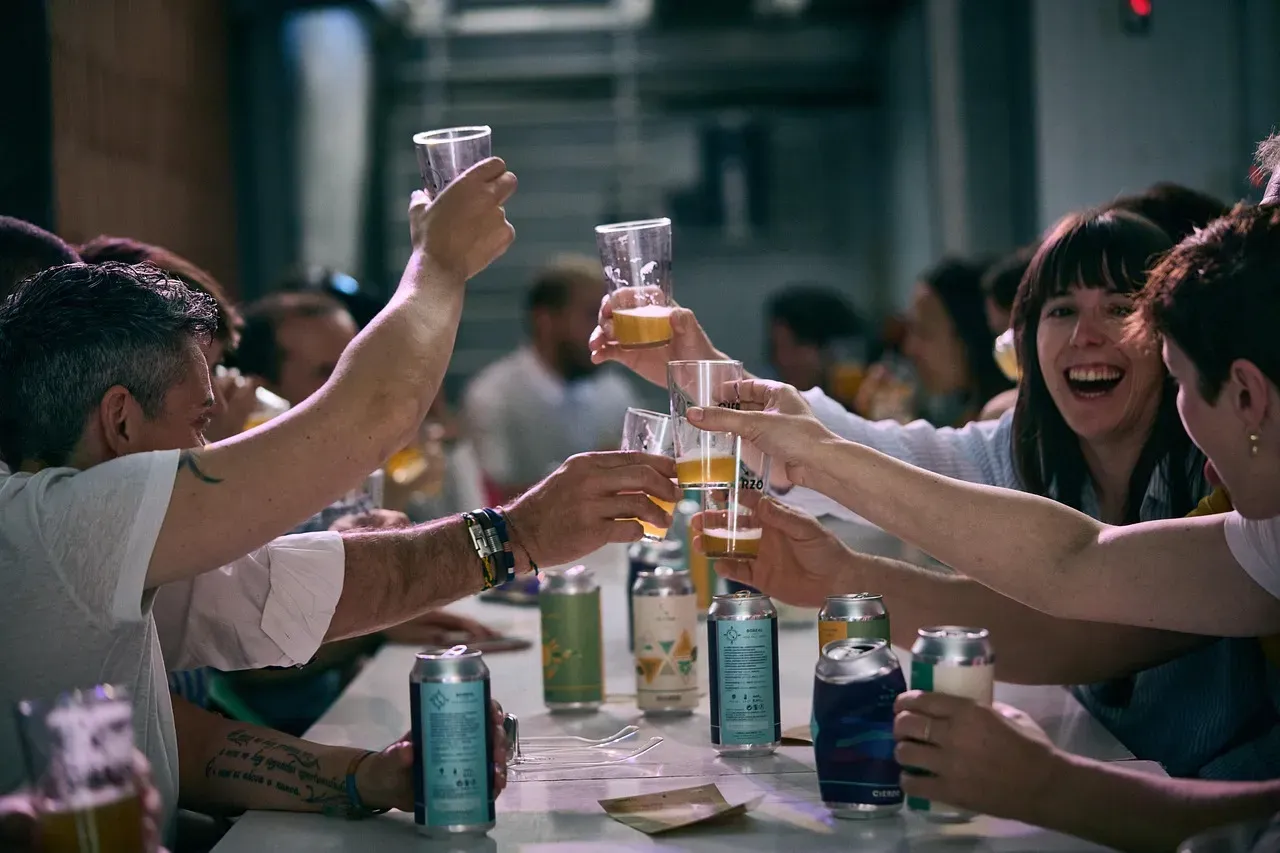
It is worth stepping back and asking the honest question: why these five, and not others? The answer is never just one thing. It’s a mix of culture, policy, population density, agricultural advantage, and, honestly, timing. These states got into the game early and built momentum that compounded over years.
Population size, local culture, and state policies all play a role in shaping the craft beer scene and the number of craft breweries operating in each state. In the brewing world, state policies can make or break a beer scene. Some states offer tax breaks and incentives for new brewers, while others have restrictive laws that make starting a brewery a challenge. Support from a strong brewers association and favorable regulations can help fuel industry growth.
Think of it like a garden. The soil in these five states was simply more fertile. Vermont had its tourism pull and small-town community character. California had its population and culinary boldness. New York had its political will to legislate growth. Colorado had decades of passionate beer culture. Texas had raw, expansive market demand and a relentlessly entrepreneurial population.
The Economic Reality Behind the Pint Glass
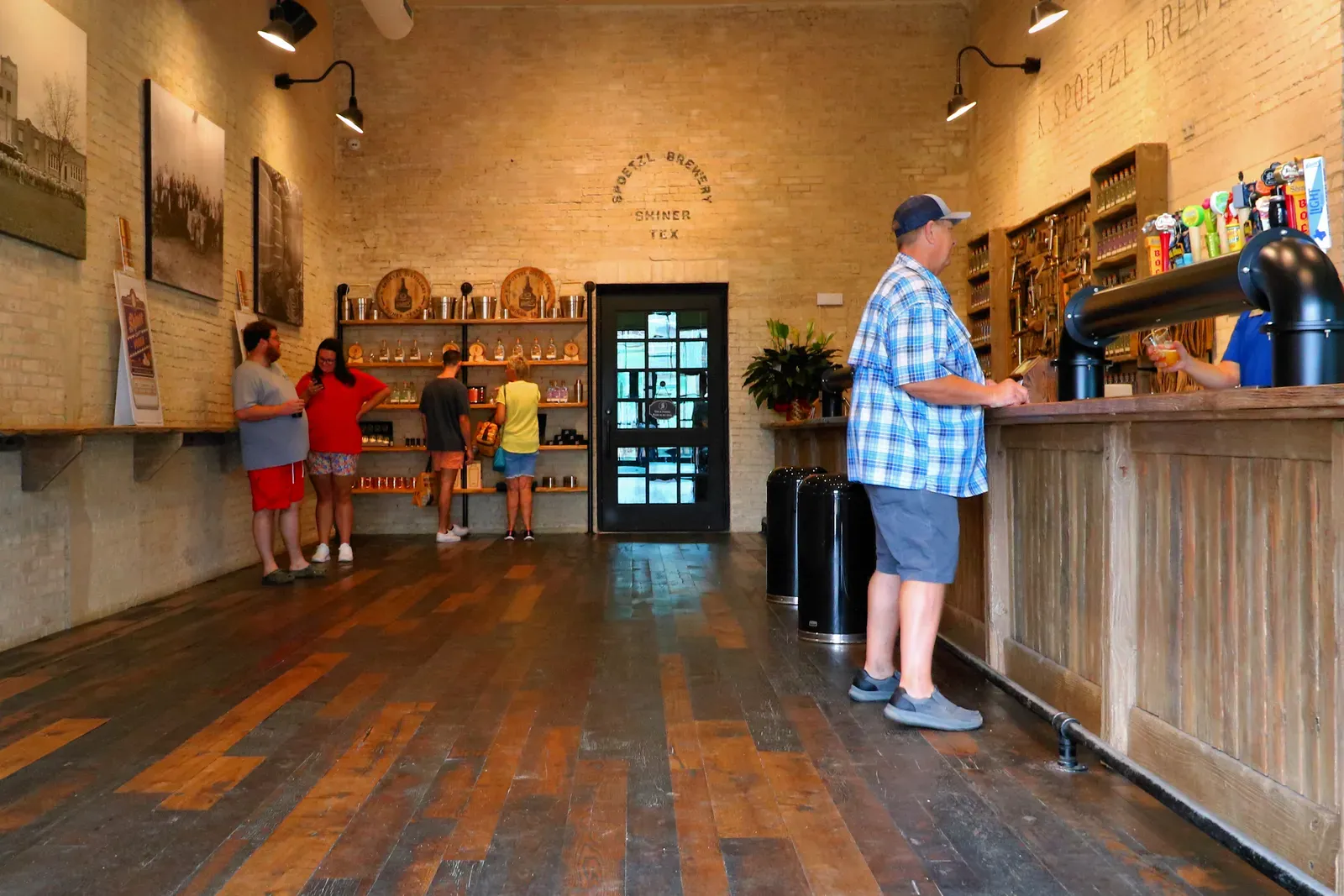
The craft beverage industry is not just about great-tasting drinks. The economic stakes are enormous and touch everything from agriculture to real estate to hospitality. People tend to underestimate just how wide that footprint really is.
Small and independent American craft brewers contribute significantly to state and local economies, with craft breweries contributing $72.5 billion to the U.S. economy in 2024. That is not a niche industry anymore. That is a cornerstone of the broader American small-business economy.
Employment in the craft brewing sector increased to 197,112 in 2024, a 3.0% rise from the previous year. The rise was driven by the shift toward hospitality-focused models such as taprooms and brewpubs, which create more jobs in local communities. Craft beer’s retail dollar value rose to an estimated $28.8 billion, a 3% increase over the previous year. This growth reflects pricing adjustments and steady performance in onsite sales, which outpaced distributed sales in many markets. The taproom model, it turns out, is not just a trend. It’s an economic lifeline for small producers.
The Taproom Revolution and the Shift to Local
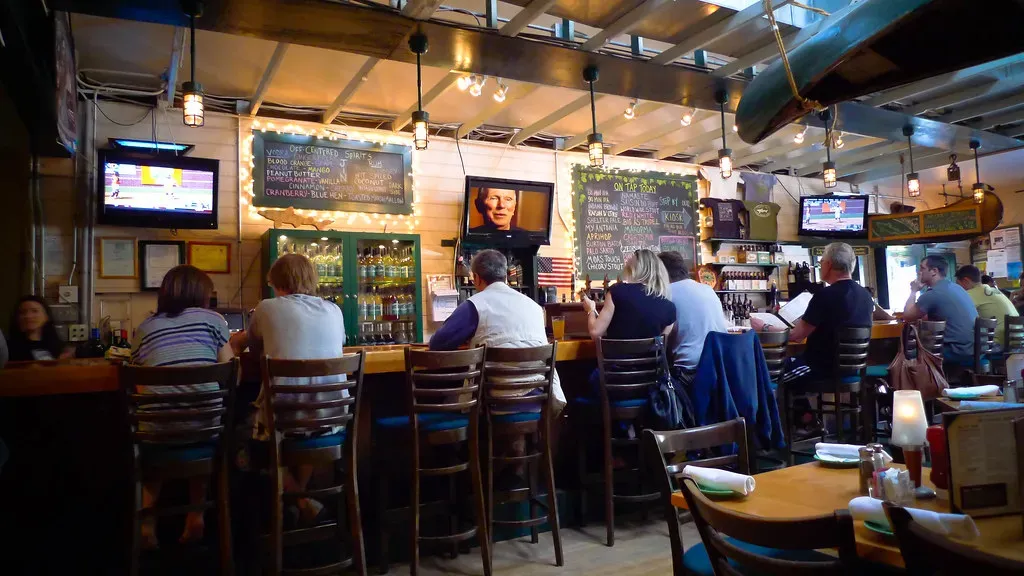
Something quietly but powerfully changed after the pandemic years. Consumers started thinking differently about where their drinks came from. The idea of sitting in a taproom fifty feet from where your beer was brewed, chatting with the brewer, learning about local ingredients, that became genuinely desirable in a way that mass-produced brands simply cannot replicate.
What is striking in 2024 is how this ranking reflects community as much as consumption. These aren’t just places with breweries – they’re states where breweries are woven into the culture, often serving as the local gathering place that attract beer tourists and color the region. That sense of place and identity is something that cannot be manufactured at scale by a large corporation. It’s genuinely local, and consumers are starting to value that more than ever.
Employment in craft brewing was up by 3 percent in 2024, with the Brewers Association citing a shift toward hospitality-focused service models like brewpubs and taprooms. It’s hard to say for sure whether this trend will hold as broader economic pressures mount, but the data right now points strongly toward community-based experiences winning out over pure distribution volume.
Challenges Ahead: A Maturing Market Fights Back
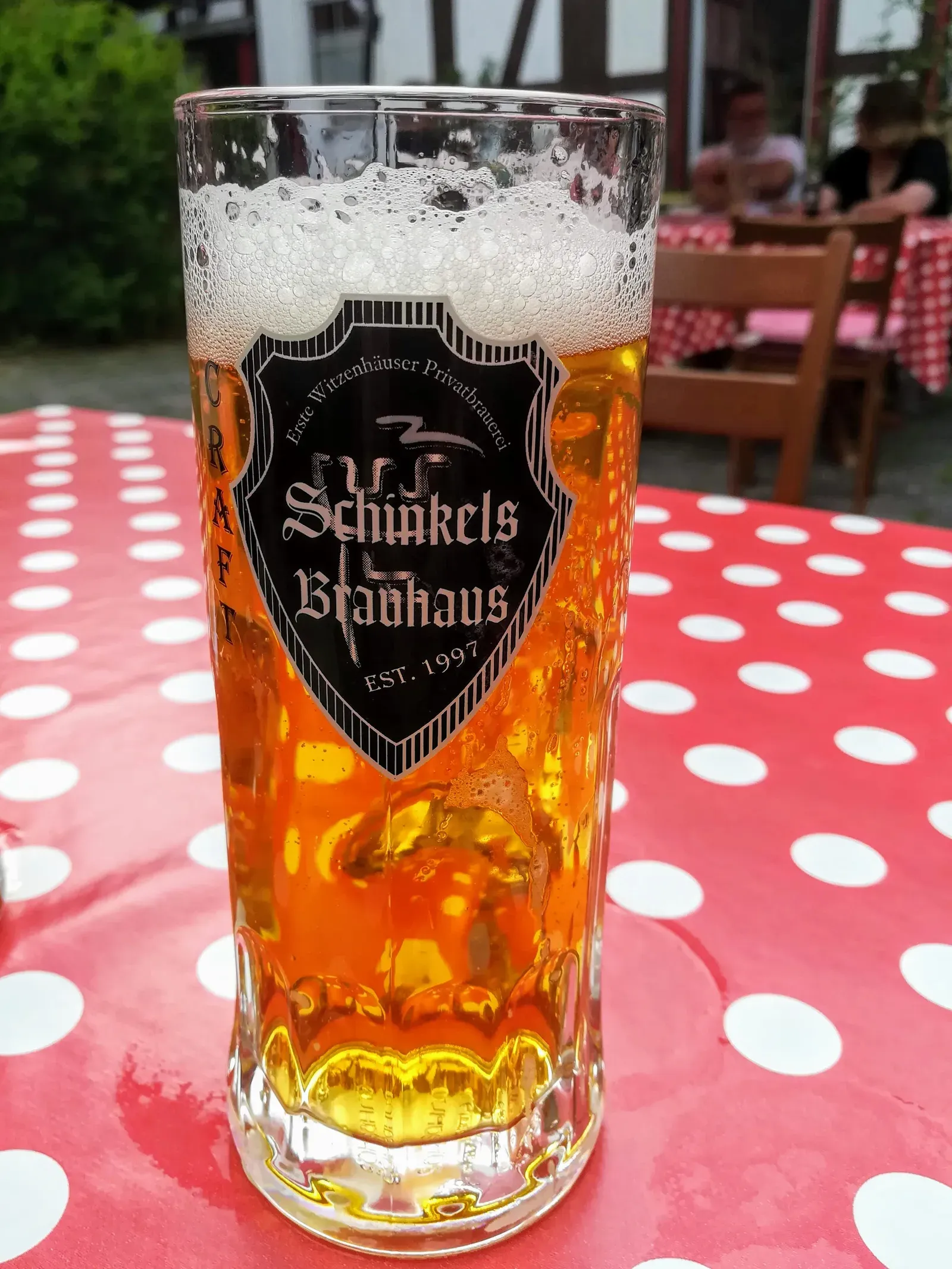
It would be dishonest not to acknowledge what is actually happening in the industry right now. The craft beverage world is dealing with real pressure. Production costs are up. Consumer habits are shifting. Younger drinkers are increasingly exploring non-alcoholic options. The easy growth years are clearly over.
2024 was the first year since 2005 that the number of breweries that closed outpaced brewery openings nationwide. Yet the total number of breweries in the U.S. increased to 9,922, up from 9,838 in 2023. Over the year, 430 new breweries opened while 529 closed. That is a sobering statistic, though not a crisis signal, at least not yet.
Consumers have a lot of beverage options to choose from these days, including seltzers, CBD and THC beverages, and nonalcoholic brews. That leads some breweries to pull back on limited seasonal releases and focus on flagship beers and best-sellers. The survivors of this consolidation phase will likely emerge leaner, smarter, and frankly more interesting. Adversity has a way of producing great beer.
The Role of Local Ingredients and Agricultural Identity
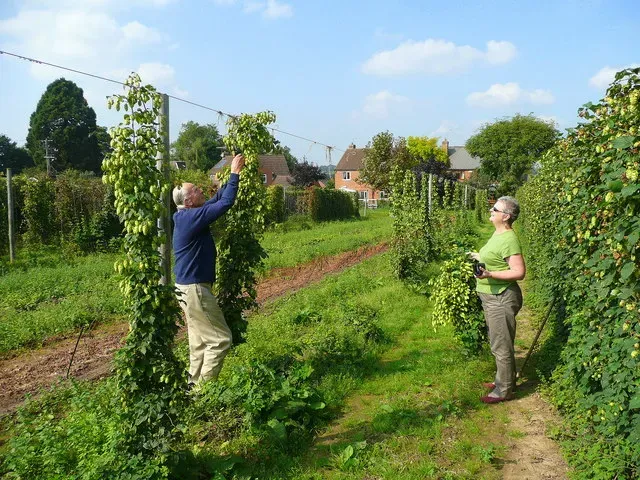
One of the most compelling and often overlooked dimensions of the craft beverage revolution is agriculture. The best producers in all five of these states are not just making drinks. They are building relationships with local farmers, sourcing regional hops and grains, and essentially turning their beverages into an expression of local land and climate. It’s the wine world’s terroir concept, applied to beer and spirits.
New York’s Farm Brewery licensing program captures this idea perfectly. From January 1, 2019 to December 31, 2023, no less than 60% of the hops and other ingredients had to be grown or produced in New York State. After January 1, 2024, the standard moved toward 90% of hops and other ingredients sourced from within the state. That is an extraordinarily high bar that forces producers to invest directly in the agricultural backbone of their region.
Vermont’s producers have long operated with this philosophy baked in by default. The small-scale, community-first approach means that local sourcing is not a marketing line. It’s a practical necessity and a genuine point of pride. California, meanwhile, benefits from world-class hop-growing regions and wine-country adjacency that gives brewers and distillers access to some of the finest raw ingredients anywhere in the world.
Conclusion: Five States, One Shared Vision
California, Vermont, Texas, New York, and Colorado are each in their own distinct way. No two stories are identical. California dominates on scale and output. Vermont dominates on density, passion, and innovation. Texas dominates on sheer market size and economic weight. New York dominates through visionary policy and farm-to-glass integration. Colorado carries the cultural authority of being the spiritual birthplace of the modern craft beer movement.
What unites all five is a shared belief that beverages should mean something beyond mass production. They should reflect where they are made, who made them, and the community that sustains them. Craft beer’s retail dollar value rose to an estimated $28.8 billion in 2024, even as the industry navigated real challenges. That number says something important. Consumers, despite all the noise and competition and economic pressure, still reach for local.
The craft beverage revolution was never really about beer or spirits or wine in isolation. It was always about identity, community, and the quiet, satisfying act of supporting something made by real people nearby. Which of these five states surprises you most as a leader? Tell us in the comments.