
Picture yourself standing on the rim of a vast canyon, breathing mountain air, listening to the silence of untouched wilderness. That’s what American national parks represent for most of us. Sacred places where nature remains untouched, protected forever for future generations.
Except these days, “forever” is starting to feel uncomfortably fragile. The landscapes we’ve always taken for granted are changing before our eyes. Let’s be real, the threats these parks face right now aren’t the kind we can just fix with more funding or better fences. They’re systemic, relentless, and frankly, terrifying in their scope. So let’s dive in.
Grand Canyon’s Inferno Devastates Historic Structures and Wilderness
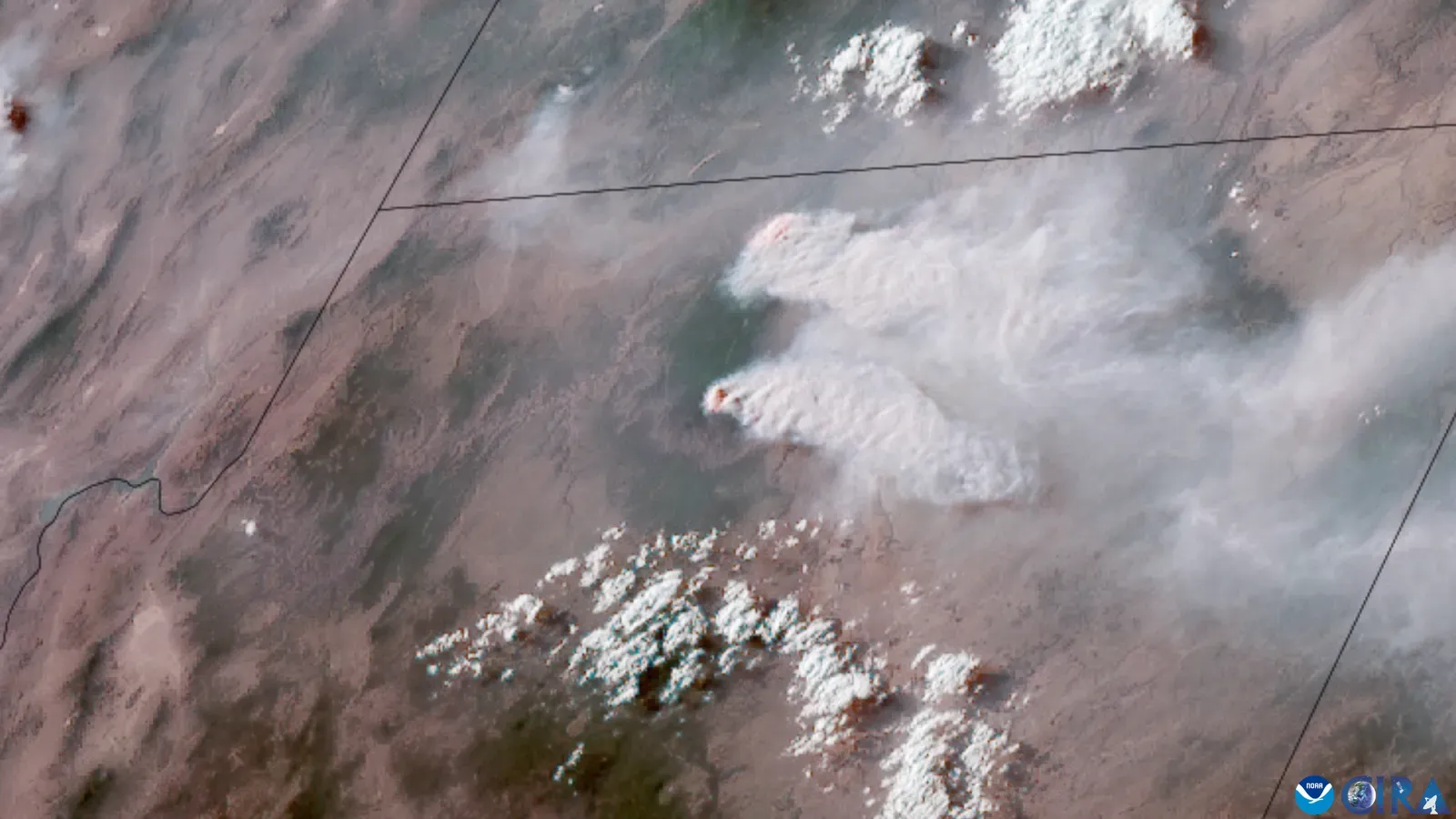
The Dragon Bravo Fire burned 145,504 acres at Grand Canyon National Park in 2025, destroying 113 structures including the historic Grand Canyon Lodge. That’s not just a number on a map. We’re talking about one of the most recognizable landmarks in American history, reduced to ash. The North Rim experienced only half its average monsoon rain in 2024, followed by half its average snowfall during the winter, creating prolonged drought conditions with critically low humidity.
Record-setting temperatures in the mid-80s Fahrenheit combined with strong winds contributed to the fire’s rapid spread, while both live and dead fuel moisture reached historically low levels. Here’s the thing that really gets me: this wasn’t some freak accident. The conditions were years in the making. It became the seventh largest wildfire in Arizona history, and honestly, that statistic feels like a grim preview of what’s coming.
Climate Disruption Emerges as Greatest Threat to Parks System
Climate change is recognized as the greatest threat national parks have ever faced, putting plants, animals, rivers, lakes, glaciers, beaches, and historic structures under stress that amounts to a crisis for public lands. Scientists aren’t mincing words anymore. Between 1895 and 2010, national parks warmed at twice the national rate, reflecting that much of the total park area is in climate-vulnerable places including the Arctic, mountains, and arid regions.
Think about that for a second. The very places we set aside to preserve nature are warming faster than anywhere else. The National Parks System had 331.9 million visitors in 2024, and these treasured sites are warming twice as fast as the United States as a whole, with the 25 most-visited parks likely to experience more extreme heat. I know it sounds crazy, but the parks are becoming victims of their own geographical features.
Everglades Face Transformation from Rising Seas
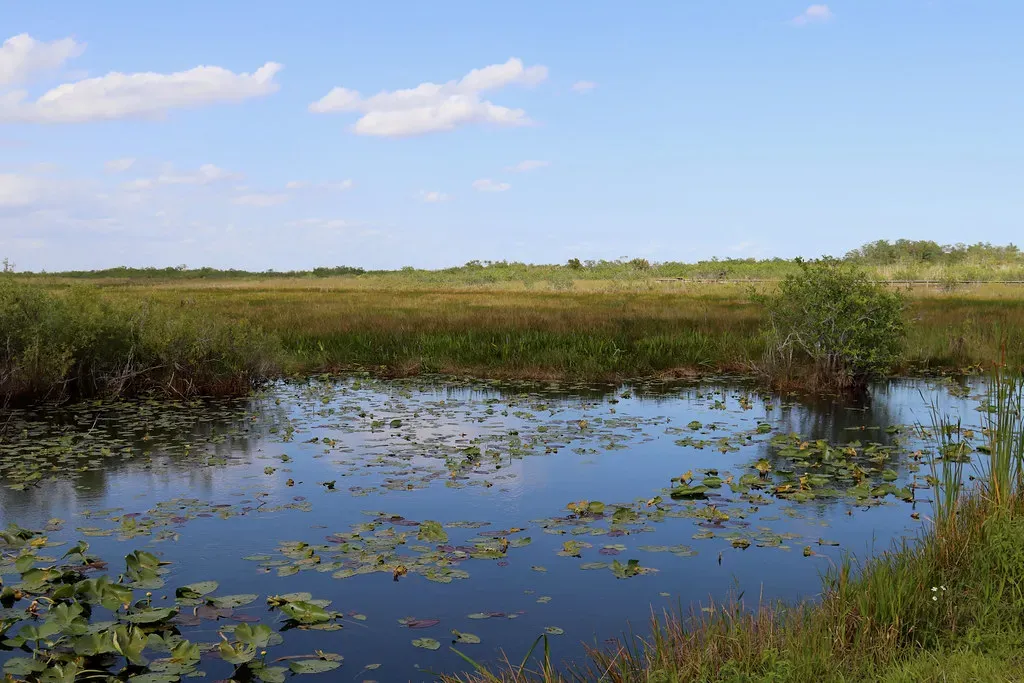
Beneath the land surface, saltwater and freshwater struggle for dominance in the Everglades, with saltwater gaining the upper hand as sea levels rise and drive the brackish zone farther inland. The iconic sawgrass prairies that define this landscape are literally dying in patches. In 2000, scientists surveying the southernmost Everglades from the air noted odd pockmarks dotting the land where saw grass had died, with some landscapes looking like Swiss cheese.
A perfect storm of sea-level rise, low freshwater flow, and saltwater intrusion can cause peat soil to disappear faster than it can accumulate, transforming affected areas to open water rather than mangrove forest, with collapsed areas appearing as large puddles surrounded by vegetation. This isn’t a slow fade. Since 2000, sea levels around south Florida have been rising by about 0.33 inches yearly, close to the threshold beyond which coastal wetlands are not found in sedimentary records, and this rate is expected to increase.
Staffing Crisis Compounds Environmental Vulnerabilities
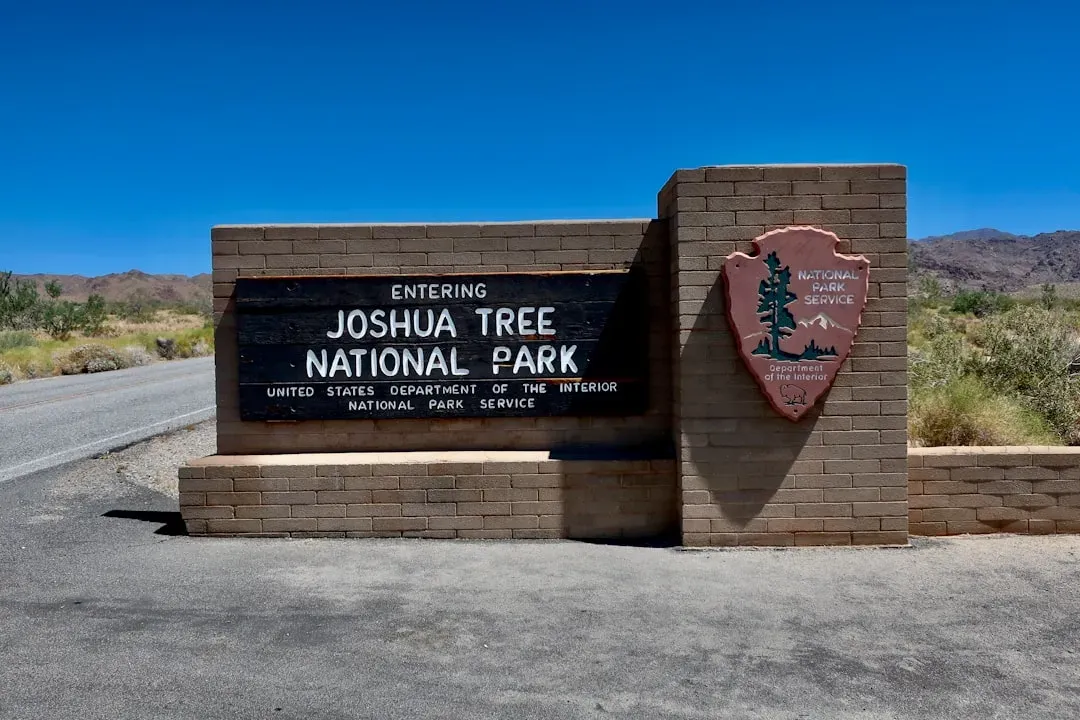
Since the Trump administration took office, the National Park Service has lost 24 percent of its permanent staff, a staggering reduction that has left parks scrambling to operate with bare-bones crews. You can’t protect wilderness with empty ranger stations. Staffing shortages from Big Bend to Yosemite have led to reduced visitor center hours, delayed maintenance, and fewer educational programs, with some campgrounds opening with severely restricted hours and parks going without maintenance workers.
More than 4,000 National Park Service employees have been lost to layoffs, buyouts and resignations while a hiring freeze kept positions vacant, and cuts in seasonal staff added to operational problems at many park units. Let’s be honest, when you combine environmental disasters with a workforce that’s been gutted, you’re setting up a scenario where parks can’t respond to the very threats endangering them.
Yosemite Battles Intensifying Fire Seasons and Drought
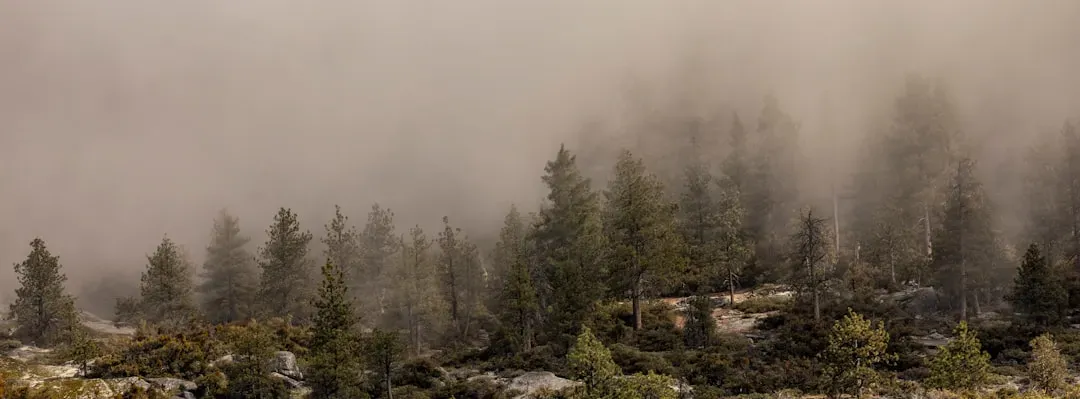
Yosemite National Park declared fire season starting June 7, 2024, due to hotter and drier weather conditions. The park that practically defined American conservation is now fighting to survive its own climate. Yosemite saw multiple thunderstorms in 2024 that produced twelve lightning strike fires in high elevation wilderness ranging from 4,700 to 9,800 feet.
In mountain parks such as Yosemite and Sequoia-Kings Canyon, researchers found drought conditions negatively impacted park visitation during summer and autumn months. It’s hard to say for sure, but the frequency of these events feels different now. Honestly, anyone who’s visited Yosemite over the past decade can sense the change. The forests look thirstier. The air feels drier. The threat of fire hangs over everything.
Extreme Heat Threatens Visitor Safety and Wildlife
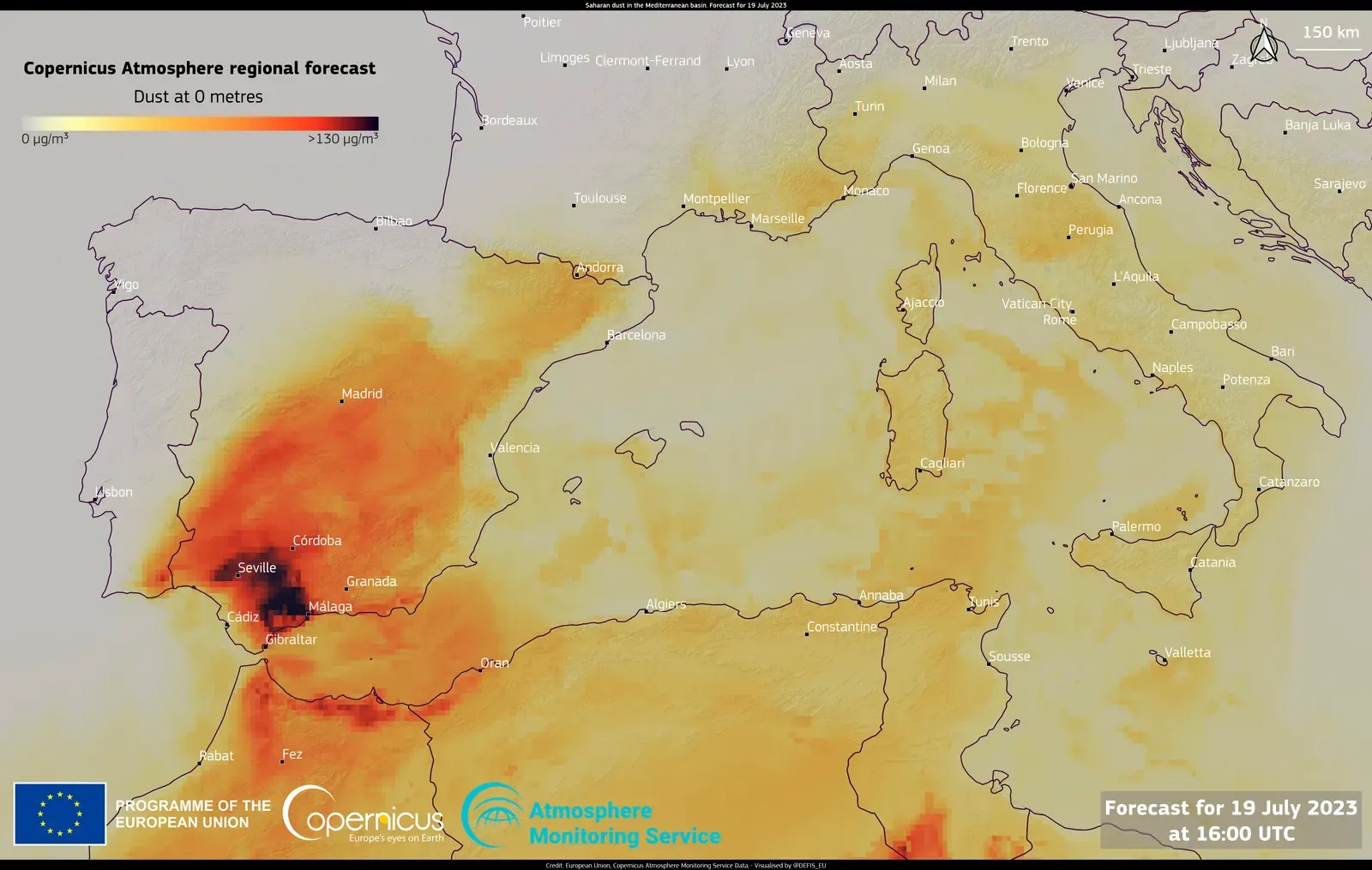
According to National Park Service data, the 25 most-visited national parks are likely to experience nearly five times more extremely hot days per year by 2050 compared to the recent past, with the increase potentially twice as high at the upper end of scenarios. Five times. That’s not a subtle shift. A 2023 study found that rates of heat-related illness among visitors to Grand Canyon National Park increased significantly with higher daily maximum temperatures, with links strongest during shoulder seasons when visitors may not expect dangerous extreme heat that is becoming more common.
In many Western parks, tree mortality and wildfire activity are on the rise, as science helps document the many ways climate change manifests across the National Park System. Wildlife, ecosystems, and infrastructure are all at risk. The parks are becoming more dangerous, not just for the plants and animals that live there, but for the millions of us who visit them every year.
Policy Interference Undermines Climate Communication
In July 2025, the Park Service was forced to report information on slavery and climate change for potential erasure from national parks. Some parks experienced removal of informational signs about environmental threats. Let me be clear, hiding the truth doesn’t make the problem go away. There have been orders from the administration to remove all references to diversity, equity, and inclusion from Park Service informational materials and items for sale in gift shops.
Seventy-one percent of all national parks in the contiguous United States are at high risk from the effects of climate change, and 57 percent are at high risk from at least one potentially transformative factor including fire, drought, sea level rise, and forest pests. When you gag the experts who understand these threats best, you’re not just being anti-science. You’re actively endangering the places millions of Americans love. What do you think about it? Tell us in the comments.