
Something quietly remarkable is happening in workshops, living rooms, and community studios across America. People are putting down their phones, picking up needles, hammers, and clay, and rediscovering skills that were nearly forgotten. It is not nostalgia for nostalgia’s sake. It is something deeper – a hunger for the real, the tangible, the slow.
From quilting bees to blacksmithing forges, traditional American crafts are not just surviving in 2026. They are surging. And the numbers, the communities, and the energy behind these revivals are genuinely surprising. Let’s dive in.
A Booming Market Nobody Expected
Let’s be real – most people did not see this coming. When digital everything began dominating daily life, the assumption was that handmade crafts would quietly fade away. Instead, the opposite happened.
The global market for handmade and crafts is estimated to be worth over $906 billion, and it is expected to reach nearly $1.94 trillion by 2033, growing at roughly nine percent per year from 2025 through 2033. That is not a niche hobby market. That is a civilization-level shift in how people want to make and buy things.
The U.S. market alone for handmade items is estimated to be worth over $268 billion, and more than half of consumers in North America say they want a more personalized, curated shopping experience. The appetite for the handmade is real, and it is only growing stronger.
Knitting and Crochet: The Craft That Gen Z Claimed
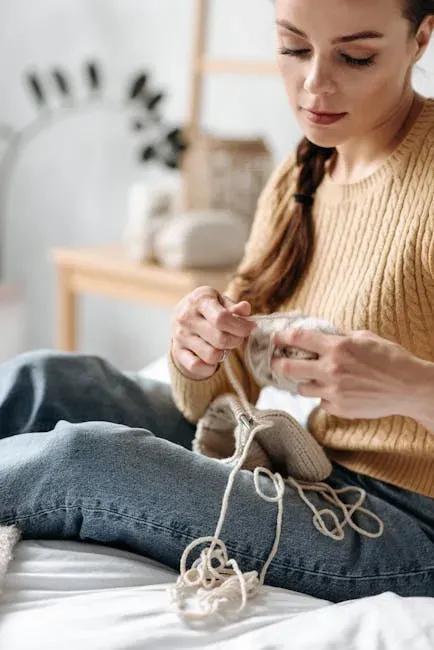
Honestly, few trends feel more surprising than watching teenagers and twenty-somethings pick up crochet hooks. Yet here we are. More than 50 million people of all ages now know how to knit, crochet, and craft with yarn, because it is fun, relaxing, and produces something genuinely useful.
According to the Craft Yarn Council, around 58 percent of crafters aged 18 to 34 now participate in DIY knitting and crochet projects, driving demand for patterns and tools. That is a huge slice of the youngest adult generation actively choosing to work with their hands.
Younger generations are embracing mindful crafting, leading to a surge in demand for delicate fabrics and handmade accessories, while ecological materials and recycled yarns are gaining popularity and reflecting a growing consciousness toward sustainability. It is the perfect storm of wellness culture, sustainability values, and the simple joy of making something from scratch.
Quilting: A $3.7 Billion Tradition That Never Really Left
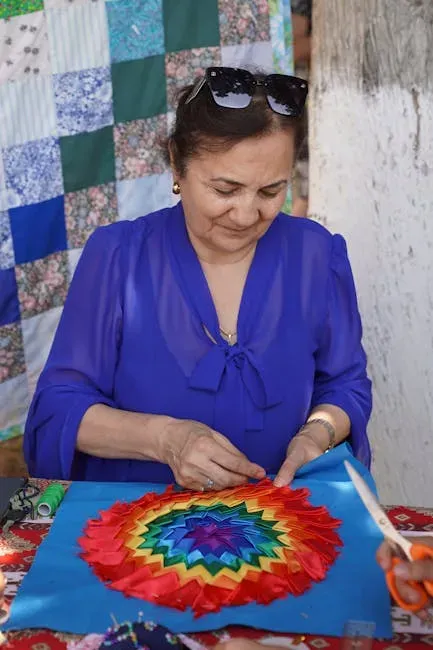
Quilting is one of those crafts that never fully disappeared – it just waited quietly in the background for people to remember how powerful it is. Think of it as the sleeping giant of American folk art, one that has been stitching history together since before the Revolutionary War.
According to Craft Industry Alliance market studies, the quilting industry generates an estimated $3.7 billion in annual economic activity in the United States. That figure is staggering when you stop to think about it. Every stitch, every pattern, every finished quilt adds up to an industry that rivals some mid-sized manufacturing sectors.
The Craft Industry Alliance presented its 2024 Quilting Trends Survey at the h+h americas event, confirming that quilting remains one of the most economically significant crafts in the country. Quilting guilds, fabric shops, and online communities continue to attract new practitioners, many of them younger adults drawn to the meditative quality of the work.
Pottery and Ceramics: The Studio Waiting List Is Real
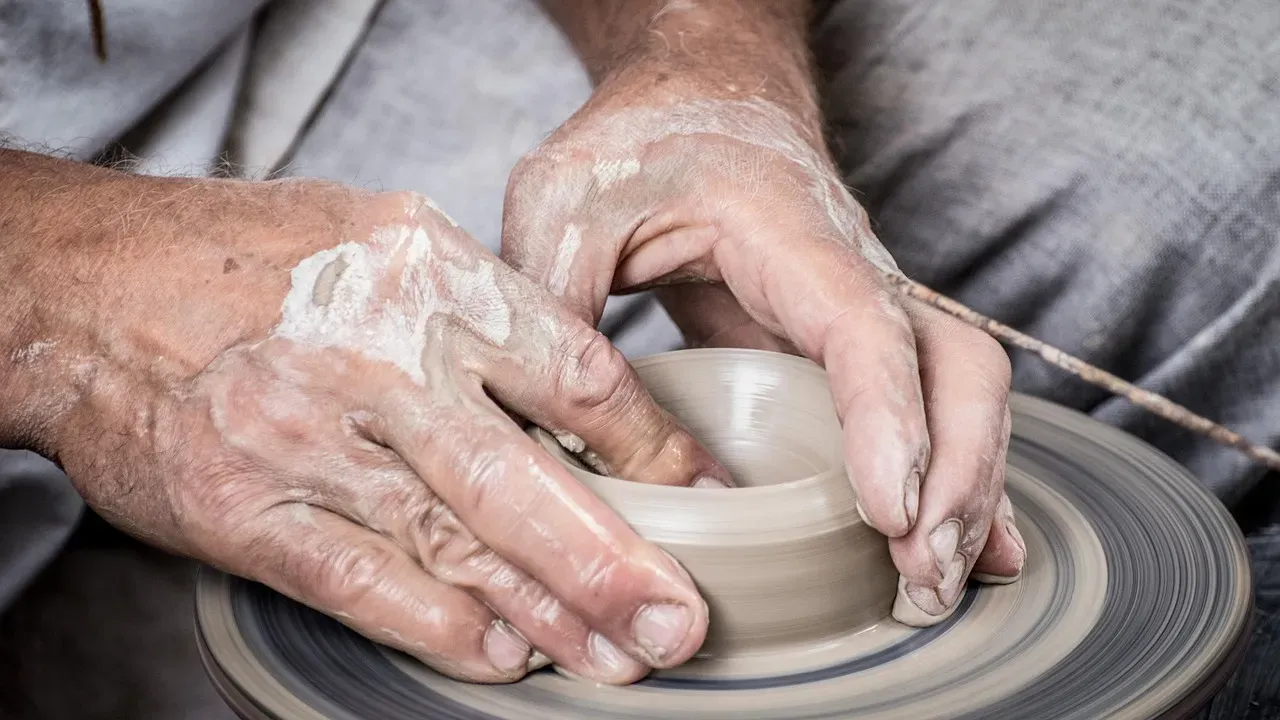
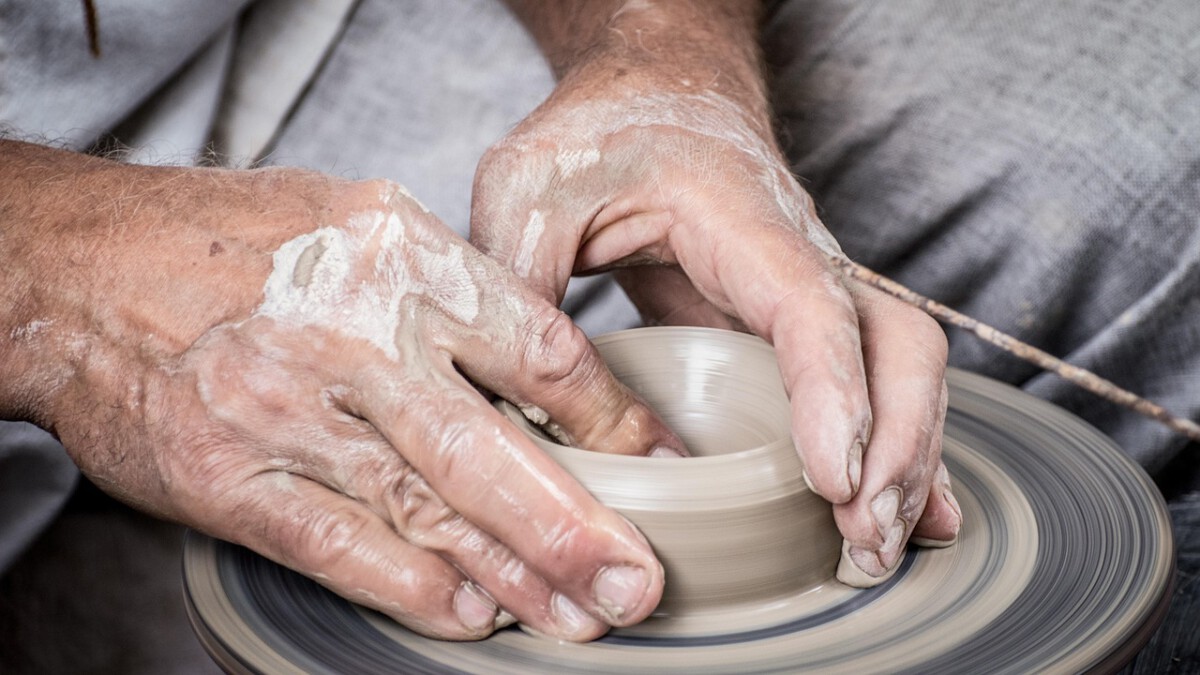
There is a particular kind of magic to centering clay on a wheel. It demands total presence. No multitasking, no scrolling – just hands, clay, and focus. Maybe that is exactly why ceramics studios in American cities have exploded in popularity over the last several years.
Pottery and ceramics studios have expanded rapidly in major U.S. cities, with waiting lists now common at community studios as younger adults take up wheel-throwing and hand-building classes, according to Craft Industry Alliance reports from 2023 and 2024. The demand in places like Brooklyn, Austin, Portland, and Chicago is especially intense.
Artists blending traditional techniques with modern aesthetics are at the heart of this craft revival. In contemporary pottery, they are redefining the age-old medium while preserving its customary look and feel and infusing it with innovative approaches and unconventional aesthetics. These artists embody a modern renaissance, where traditional forms meet contemporary design sensibilities and ensure the art form’s relevance to a new generation.
Blacksmithing: Fire, Iron, and a Surprising Online Fanbase
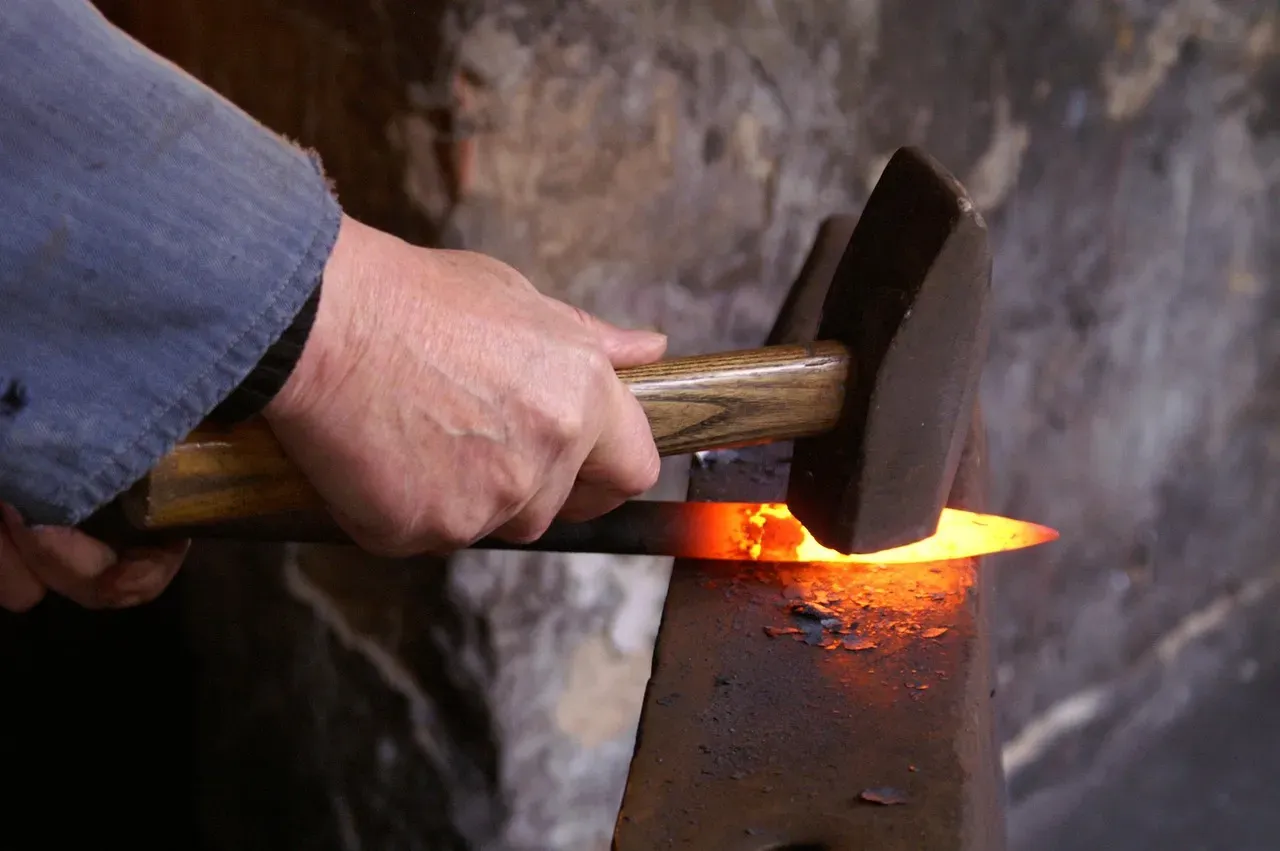
Here is one that really turns heads. Blacksmithing, once the domain of village farriers and industrial foundries, is undergoing a full-blown cultural revival. Walk into any maker fair in 2026 and you are almost guaranteed to find someone bent over an anvil, hammer in hand.
The Artist-Blacksmith’s Association of North America, known as ABANA, was formed in 1973 to preserve and promote blacksmithing as an art and a craft, starting with just 27 members. Today, that membership has grown to 4,000. That growth tells a clear story about the renewed interest in metalwork as a serious art form.
ABANA serves as a community for blacksmiths, artisans, and enthusiasts committed to the preservation and advancement of blacksmithing as both a profession and hobby, and the organization offers educational opportunities including workshops, grants, and publications aimed at enhancing skills and fostering craftsmanship. Social media has also played a huge role, with smithing videos on YouTube and TikTok regularly pulling in millions of views.
Woodworking: The Maker Movement’s Backbone
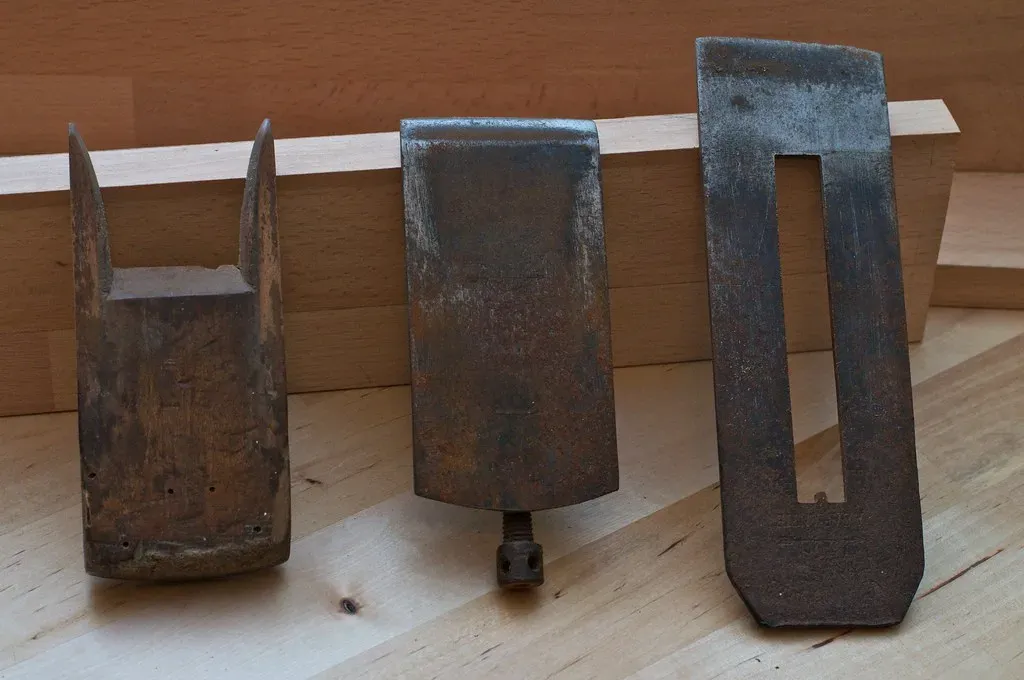
Woodworking occupies a special place in the American craft tradition. It is practical, deeply satisfying, and carries a certain cultural authority – think of a handmade dining table passed down through generations, versus something assembled from a flat-pack box. There is simply no comparison.
Millions of Americans now participate in DIY woodworking projects each year, supported by a rapidly growing market for tools and makerspaces, according to Statista DIY and craft hobby surveys. The rise of makerspaces, community workshops equipped with shared tools and expert guidance, has made woodworking far more accessible to people who do not have a garage full of equipment.
YouTube tutorials and online courses have democratized access to craft knowledge previously available only through formal apprenticeships or specialized institutions. Someone in a small apartment in Chicago can now learn hand-cut dovetails from a master craftsman across the country, for free, on their lunch break. That accessibility is genuinely transformative.
Embroidery and Fiber Arts: Stitching a New Identity
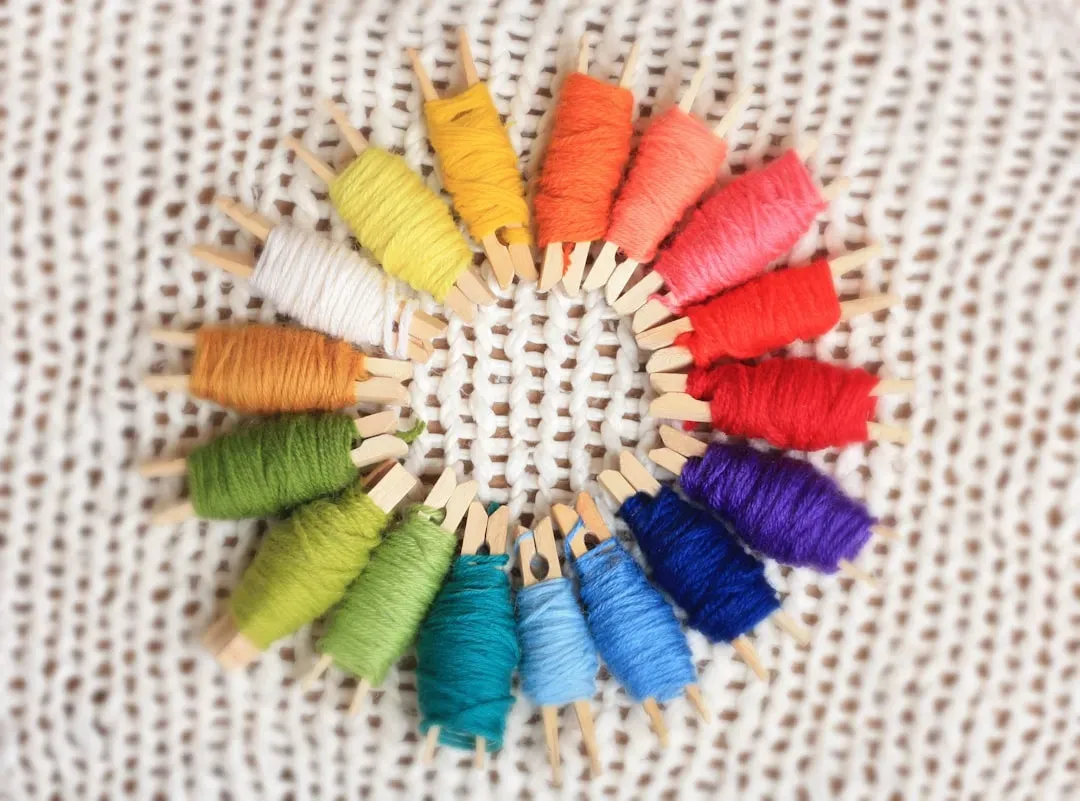
Embroidery carries a complicated history in America. For centuries it was dismissed as women’s domestic work, barely worth acknowledging as art. Today, that narrative has flipped completely. Contemporary embroidery artists are reclaiming the craft as a serious, expressive medium.
Artists are redefining weaving and fiber arts by incorporating elements of design and storytelling into their work, with intricate tapestries drawing inspiration from nature and exploring themes of identity and memory. By blending traditional techniques with modern concepts, these artists are not only preserving the craft but also expanding its relevance in today’s art world.
Around 80 percent of Etsy buyers say they value the unique nature of handmade goods, and Gen Z consumers are roughly 20 percent more likely to buy handmade products than Baby Boomers. For embroidery artists selling their work online, this generational shift represents a genuine commercial opportunity alongside the artistic one.
The Digital Platforms Powering the Revival
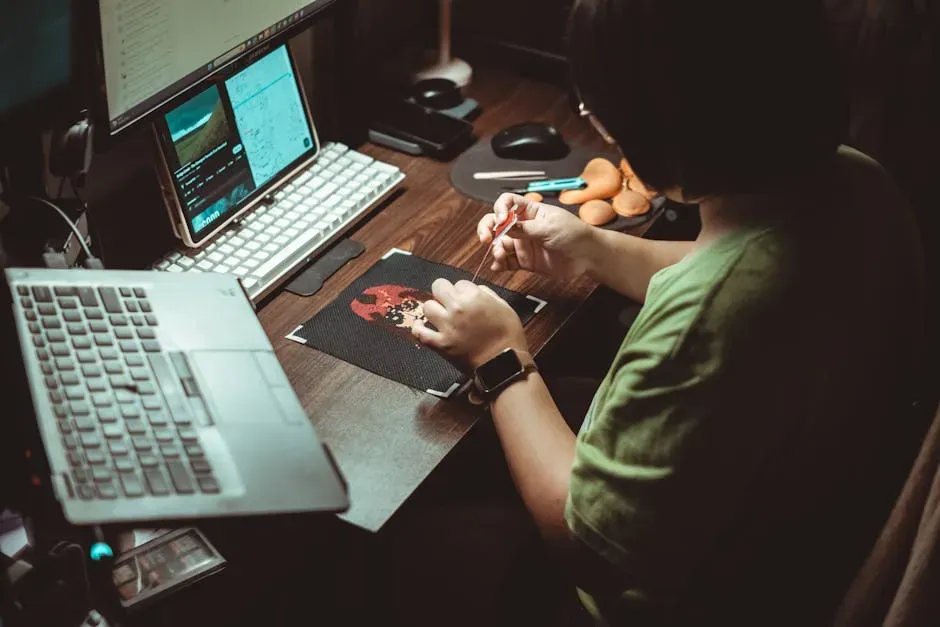
It sounds a little paradoxical, doesn’t it? Traditional crafts making their comeback thanks to the internet. Yet that is precisely what has happened. Digital infrastructure did not kill these crafts – it rescued them.
More than 8 million sellers and 95 million buyers were active on Etsy’s marketplace, with gross merchandise sales volume of $12.6 billion, and Etsy effectively democratized entrepreneurship for artisans, makers, and crafters. A potter in rural Vermont can now reach a buyer in Seattle with the same ease as a large retail brand.
E-commerce and digital platforms have made markets more accessible for artisans, and through online marketing and social media, artisans can reach a global audience. This digital shift also gives traditional crafts a contemporary edge, increasing the accessibility and appeal of handmade goods in the current global marketplace. The hashtag became the new craft fair booth.
Folk Arts and Government Support: The NEA’s Role
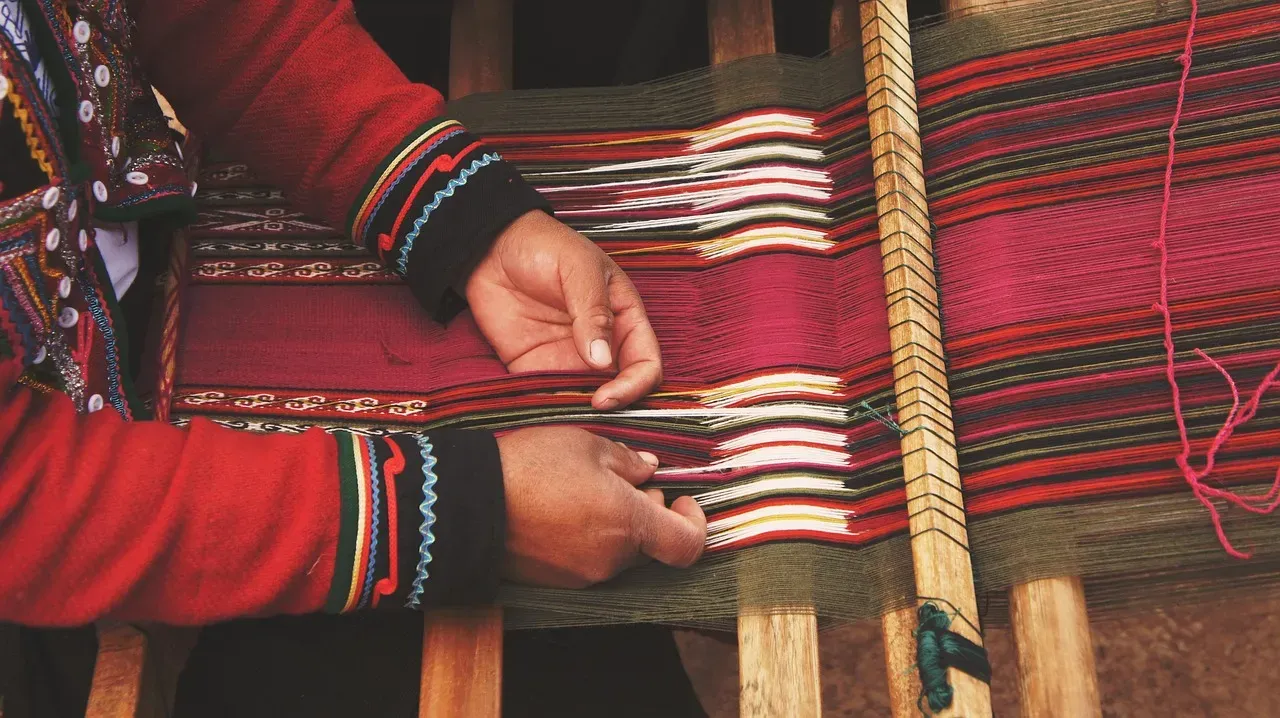
Not all of this revival is grassroots. Some of it has institutional muscle behind it. The National Endowment for the Arts has steadily increased its commitment to traditional crafts and folk arts programs, funding cultural preservation initiatives through programs like NEA Folk and Traditional Arts.
Organizations like the Penland School of Craft and the Haystack Mountain School of Crafts offer immersive programs focusing on traditional techniques. These institutions not only teach skills but also create a supportive environment for artists to explore their creativity, and by nurturing a new generation of artisans, these programs ensure that traditional techniques continue to thrive in modern America.
There is something genuinely moving about a government agency recognizing that a quilt pattern or a hand-thrown pot carries cultural weight worth preserving. It is a rare and welcome acknowledgment that craft is not just a hobby. It is part of how a culture remembers itself.
Craft Fairs and the Maker Community: Where It All Comes Alive
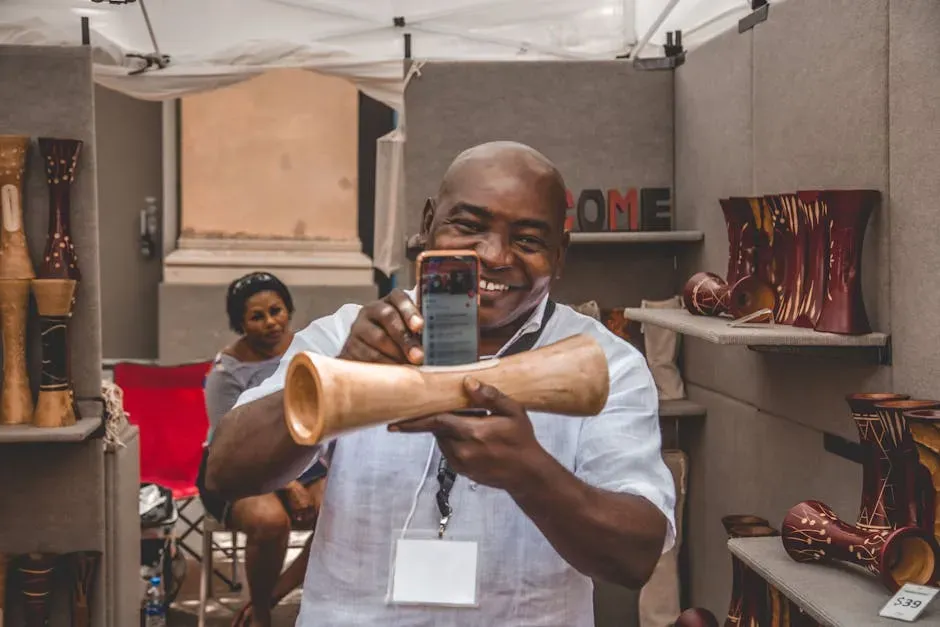
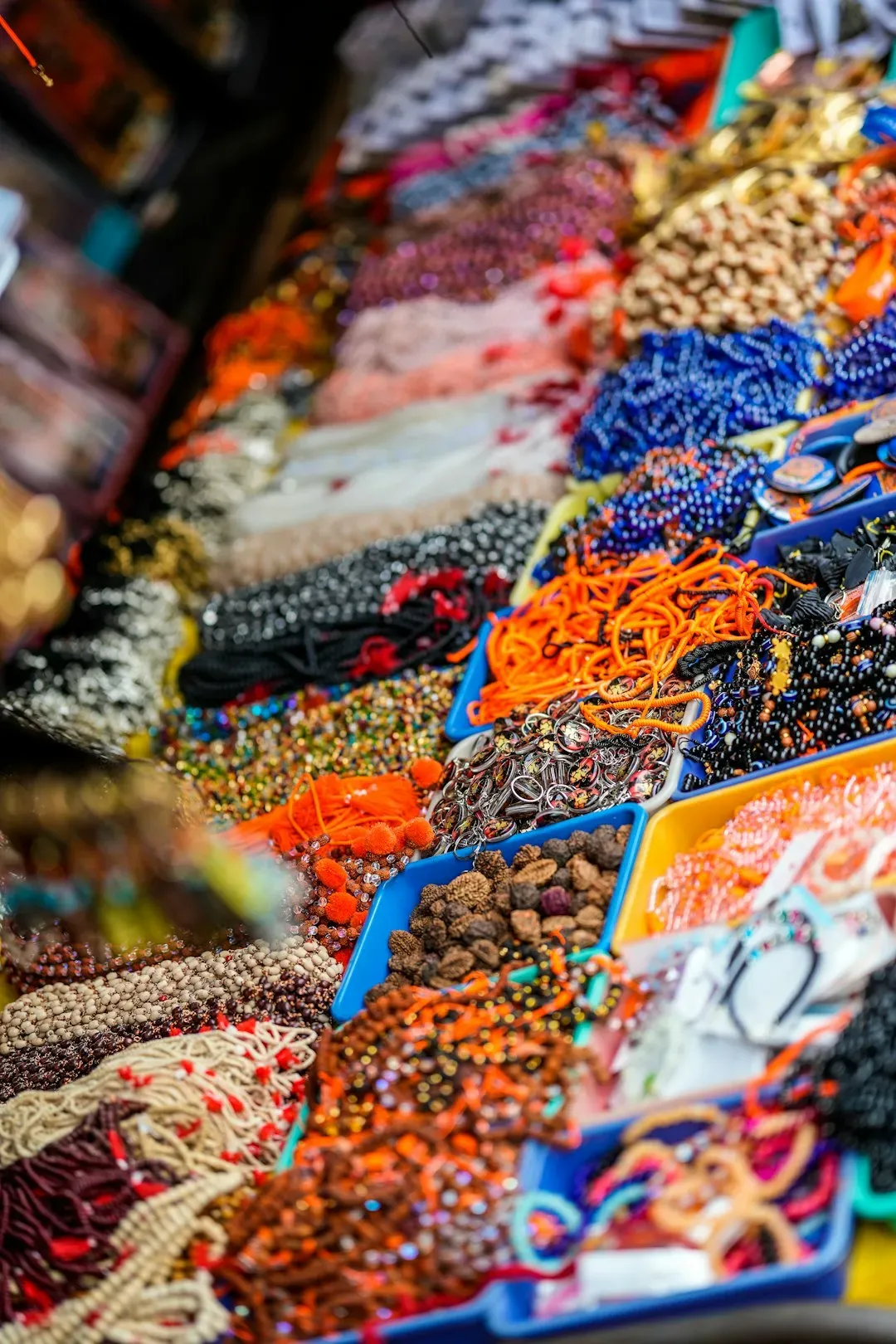
Numbers and market data are useful. They prove that the revival is real. But to truly feel it, you need to walk through a craft fair on a cool Saturday morning, surrounded by handmade ceramics, woven textiles, carved wood, and forged metal. The energy in those spaces is unmistakable.
The maker movement and craft fairs continue to grow across the United States, drawing thousands of visitors and supporting small craft businesses and artisans at every event, according to the American Craft Council and craft fair industry reports. Events like the annual American Craft Council shows have become genuine cultural institutions, not just shopping destinations.
Around 70 percent of DIY enthusiasts report that crafting helps reduce their stress levels, and more than half of hobbyists spend more than five hours a week on their craft. That says something important. For many people, these crafts are not weekend projects. They are a way of life, a form of self-care that no app can replicate.
Conclusion: The Hands That Make Things Matter
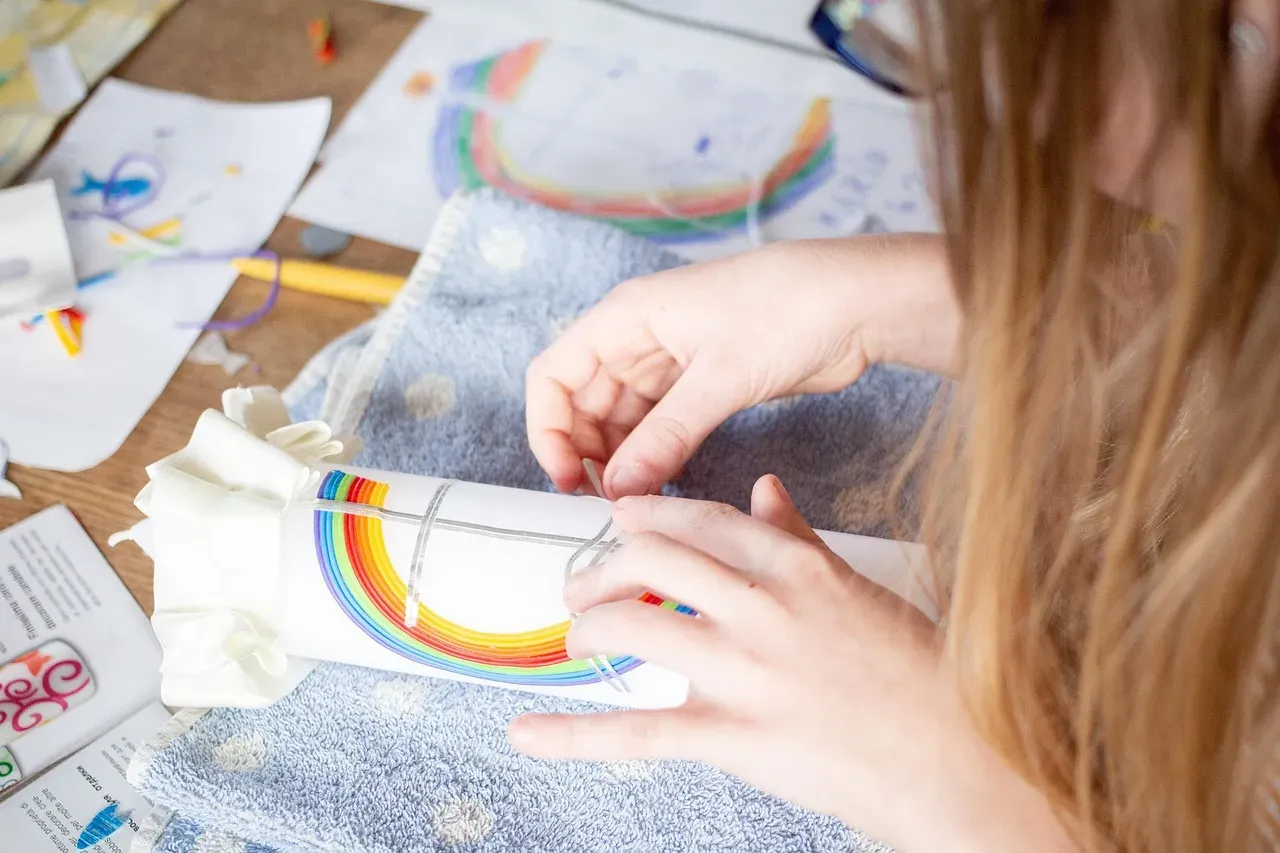
There is a pattern running through all ten of these craft revivals, and it is worth naming clearly. People are not just choosing to knit or throw pots because they are bored. They are choosing these crafts because they offer something that modern life has quietly stripped away: the deep satisfaction of making something real with your own two hands.
In a world dominated by mass production and digital art, traditional craftsmanship is making a powerful comeback, from pottery and weaving to calligraphy and hand-carved sculptures, with handcrafted art regaining value in the eyes of collectors and art lovers. The numbers back this up at every level, from billion-dollar market projections to waiting lists at local pottery studios.
Honestly, I think this revival is about more than craft. It is about reclaiming a part of human experience that factory production could never replicate. Something made slowly, carefully, by a person who cared, will always carry a different kind of weight. The question is – which traditional craft are you going to try first?