

Everybody talks about moving to Austin or Seattle these days. They’ve got jobs, culture, and all the buzz that comes with being trendy.
Yet the cost of housing in those markets can wipe out a family budget before you’ve even unpacked. What if there were hidden gems across America where you could actually afford a decent house, send your kids to solid schools, and still have money left over for weekends at the park? Turns out, there are plenty of places like that. They just don’t get the same headlines.
Let’s explore ten underrated cities that deliver quality of life without breaking the bank. You might be surprised by what they offer.
Des Moines, Iowa: Affordability Meets Stability in the Heartland

Des Moines stands out with a cost of living roughly ten percent lower than the national average, making it one of the most accessible cities for families seeking financial breathing room. The average rent for a one-bedroom apartment sits around eleven hundred dollars, while the median home sale price is just over two hundred thousand dollars. Iowa’s housing market remains one of the most affordable in the country, which helps families build equity without taking on crushing debt. The combination of lower grocery costs and stable employment opportunities creates an environment where single-income households can still thrive.
Greenville, South Carolina: Southern Charm Without the Price Tag

Greenville’s cost of living is roughly nine percent lower than the national average, making it an attractive option for families relocating from higher-cost regions. Housing expenses come in about twenty-seven percent lower than the national average, and utility prices are ten percent below typical costs.
With over seventy thousand residents and a greater metro area of around four hundred thousand, Greenville is the sixth-largest city in South Carolina and the fastest growing. The city has transformed from its textile manufacturing roots into a diversified economy with opportunities in aerospace, bioscience, and advanced manufacturing, providing stable job prospects for families.
Fort Wayne, Indiana: Where Midwest Values Meet Modern Growth
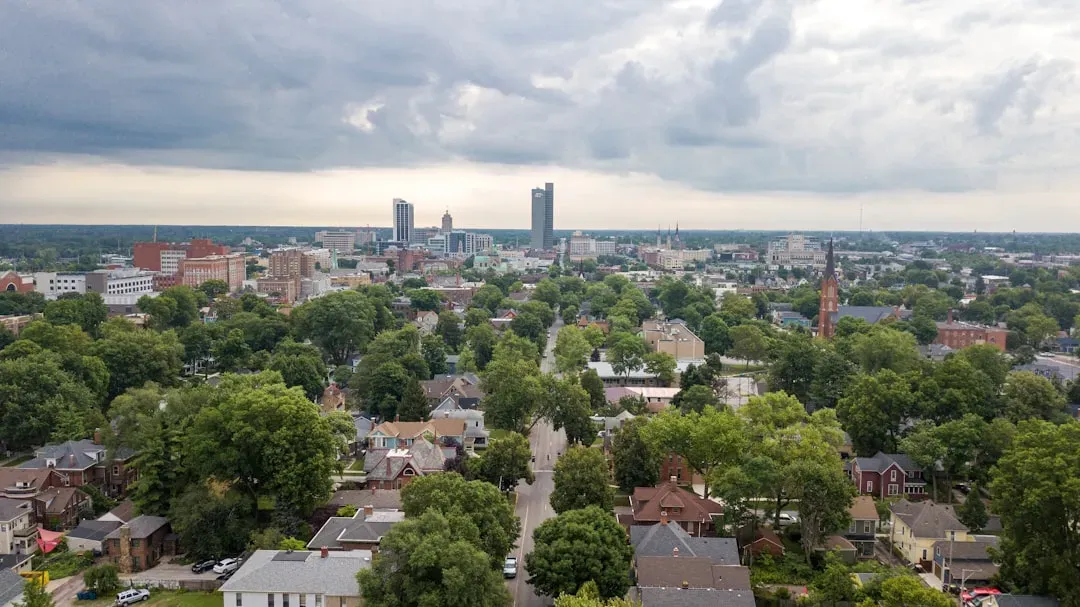
Fort Wayne consistently ranks as one of the most affordable cities in the United States, with housing, groceries, utilities, and healthcare all lower than the national average. Fort Wayne’s median sale price is roughly fifty-two percent lower than the national average, and the overall cost of living is seven percent lower. During 2023, nonfarm payrolls totaled more than two hundred thirty-six thousand, representing an increase of over five thousand jobs, or roughly two percent growth, on par with the national rate. The education and health services sector has been particularly strong, adding jobs steadily since 2011. Honestly, it’s hard to find another city with this combination of affordability and economic momentum.
Omaha, Nebraska: Big-City Amenities, Small-Town Prices

Omaha ranks number eighteen on the overall Best Places to Live list, and families enjoy the city’s expansive public spaces, cultural hubs, and education options. The city ranks number six for housing affordability, with a median monthly rent of about twelve hundred fifty dollars and a median home price near two hundred thirty-three thousand dollars, while the median household income exceeds eighty-five thousand dollars. Omaha offers big-city amenities at small-town prices, with a strong job market and excellent schools where both families and young professionals can thrive. The region’s major employers include Fortune 500 companies, creating a stable economic foundation for newcomers.
Knoxville, Tennessee: Mountains, Affordability, and Family-Friendly Living

Compared to other major cities in the Southeast, Knoxville offers a relatively low cost of living, with affordable housing and reasonable everyday expenses like groceries and utilities. The Great Smoky Mountains National Park, the most visited national park in the US, is just a short drive away, offering endless opportunities for hiking, camping, and exploring. The Knoxville Zoo, the Children’s Museum of Oak Ridge, and numerous parks and playgrounds provide entertainment for kids of all ages. The University of Tennessee brings youthful energy and sporting events that unite the community, creating a sense of place that’s hard to replicate.
Grand Rapids, Michigan: Quality Schools and Community Spirit

Grand Rapids has been ranked as one of the best places to live in the country in terms of affordability and quality of life. High-ranking schools, over two thousand acres of parks, and a close-knit community make this a fantastic city to raise kids. The public art exhibits scattered throughout the city showcase Grand Rapids’ creative spirit and provide great spots for walks and sightseeing excursions. The downtown area has undergone a revitalization with new restaurants, breweries, and entertainment venues, proving that Midwest cities can reinvent themselves without pricing out families.
Boise, Idaho: Leading the Pack for Working Families

Boise scores the first spot as the best city for working families, with two-bedroom rentals averaging around fifteen hundred dollars and a median family income exceeding one hundred thousand dollars. The city offers affordable living alongside access to outdoor recreation and a growing job market in technology and healthcare. Let’s be real, Boise’s reputation has grown in recent years, yet it remains more affordable than coastal alternatives. The city balances urban amenities with easy access to hiking, skiing, and rivers, which appeals to families who value outdoor activities without sacrificing career opportunities.
Louisville, Kentucky: Southern Charm Meets Budget-Friendly Living

Louisville ranks fifth for working families, with two-bedroom rental prices averaging around twelve hundred fifty dollars and an average work commute time of roughly twenty-three minutes, along with high walkability and bikeability scores. Toddler daycare costs average around sixty-five hundred dollars per year, the lowest of any city in the ranking. This combination of affordability and accessibility makes Louisville a compelling option for families who want to keep childcare costs under control while maintaining a reasonable quality of life. The city’s cultural heritage and neighborhood stability further enhance its appeal.
San Antonio, Texas: Space and Affordability in the Lone Star State

San Antonio offers an ultra-affordable lifestyle for growing families, with a cost of living roughly eight percent below the national average and housing twenty percent lower than typical U.S. levels, while grocery, utility, and transportation expenses are also significantly lower. Median home values currently sit around two hundred sixty-five thousand dollars. The region’s unemployment rate betters national benchmarks, with major employers cementing economic stability, and over twenty-nine thousand jobs were added to the San Antonio Metropolitan Statistical Area between February 2023 and March 2024. The city’s blend of Texas hospitality, diverse industries, and low housing costs creates an environment where families can genuinely get ahead.
Madison, Wisconsin: Education and Community Excellence

Madison ranks seventh nationally as a best place to raise a family, excelling in education, low cost of living, a safe environment, and access to exceptional healthcare. Madison has an unemployment rate of just two percent and offers careers in industries like healthcare, government, bioscience, and education. The public schools in Madison are highly rated, and the presence of the University of Wisconsin creates a culture that values learning and innovation. The city is located on an isthmus between lakes Mendota and Monona, with residents enjoying access to fifteen thousand acres of lakes, making it a walkable and bike-friendly city with a pervasive youthful buzz. It’s hard to say for sure, yet Madison might be one of the best-kept secrets in the Midwest.
What would you have guessed about these cities before reading this? Many families assume they need to move to expensive metros to access good schools and job opportunities. Yet these ten underrated cities prove that quality of life doesn’t require a six-figure salary. From Iowa’s stable housing market to South Carolina’s growing economy, from Indiana’s family-focused amenities to Wisconsin’s educational excellence, families have more choices than ever. The key is knowing where to look beyond the headlines.