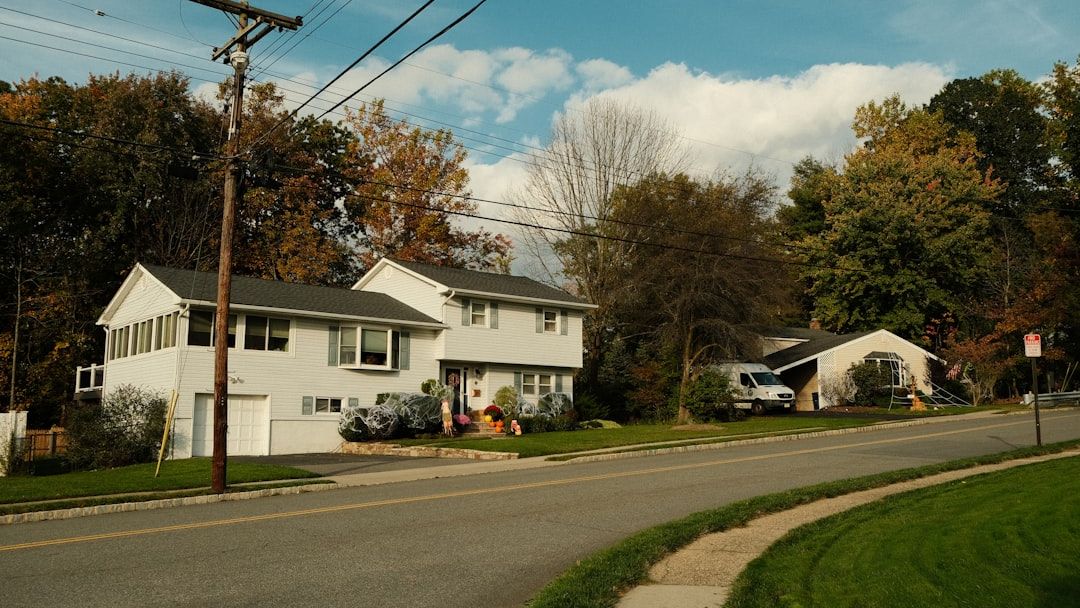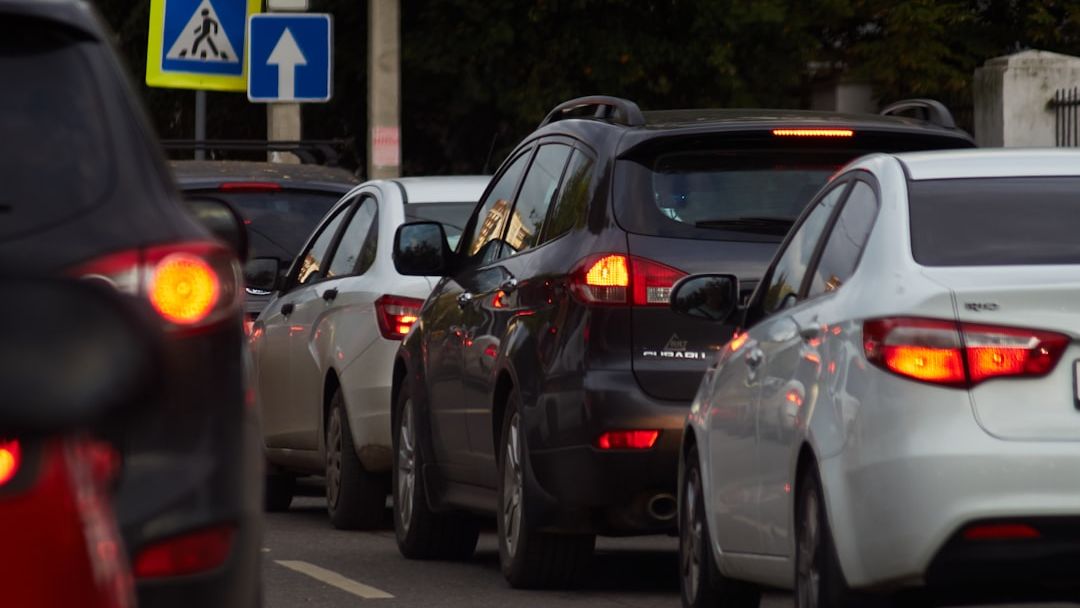

There’s something romantic about hitting the open road in America. The promise of endless highways, roadside diners, and that sense of freedom you just can’t get anywhere else. Most of us have this picture-perfect image in our heads of what a road trip should look like.
Yet the reality on American roads in 2026 tells a different story. Between collapsing bridges, sudden construction zones, and hazards that pop up when you least expect them, the modern road trip demands more preparation than ever before. Let’s be real, even the most meticulously planned journey can take a sharp turn into the unexpected.
When Major Highways Literally Fall Apart
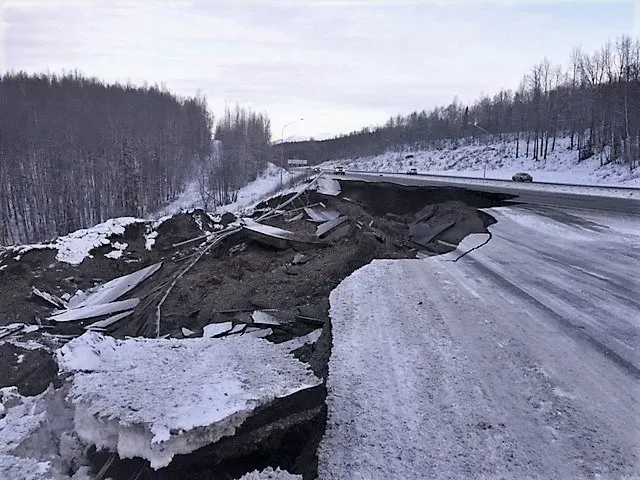
Picture this: In June 2023, a tanker truck carrying gasoline caught fire beneath an overpass on Interstate 95 in Philadelphia, causing the northbound lanes to collapse and closing roughly nine miles in both directions. The affected area carried about 160,000 vehicles daily, which means thousands of travelers suddenly found themselves stranded or forced onto unfamiliar detour routes.
Traffic was detoured around the closure along multiple expressways and highways, with drivers also using routes in New Jersey as alternate paths. The temporary fix came fast, honestly faster than anyone expected. A temporary roadway enabled traffic to resume on June 23, less than two weeks after the fire. Still, the southbound and northbound lanes didn’t fully reopen until May 2024, meaning travelers dealt with disruptions for nearly a year.
This wasn’t some obscure back road. We’re talking about one of the most critical arteries on the East Coast. The lesson here? Even the biggest, most important highways aren’t immune to sudden, catastrophic failures.
National Parks Aren’t Always Picture Perfect
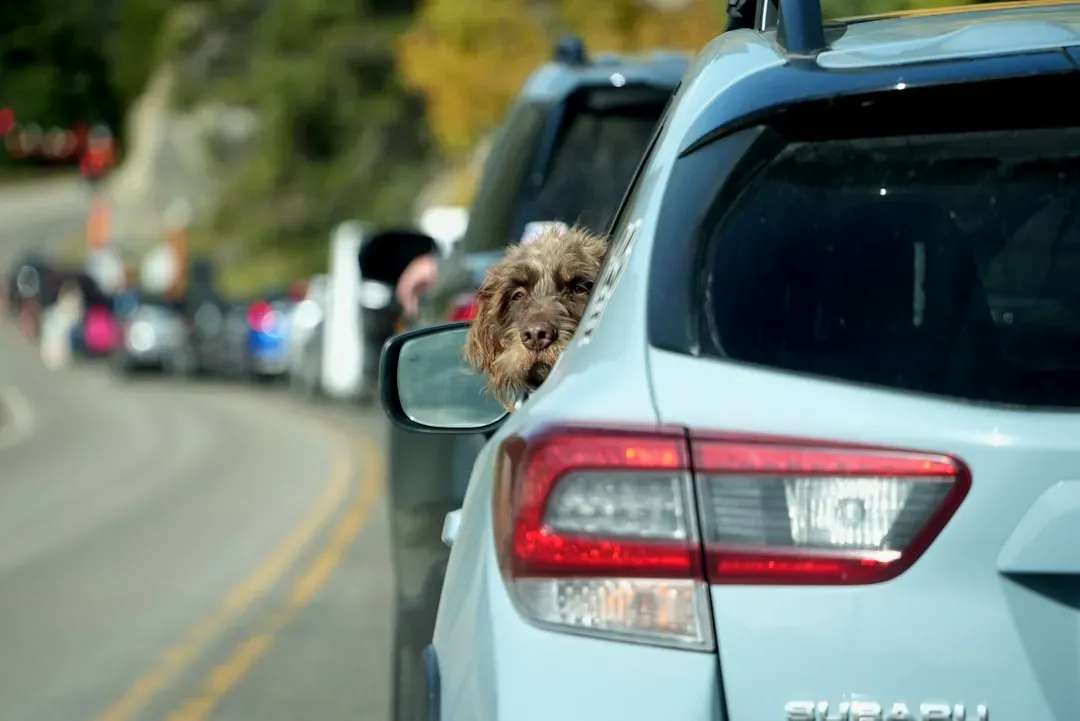
You’ve probably dreamed of driving through Yellowstone, windows down, geysers erupting in the distance. Reality check: that scenic drive might come with significant delays you never saw coming.
The Lewis River Bridge and Yellowstone River Bridge projects caused traffic delays in 2024, with visitors needing to plan accordingly for delays along the park’s southern and northern road corridors. In 2024, travelers faced up to 30-minute delays on certain roads, with projects that began in 2023 expected to conclude in fall 2026. Half an hour might not sound like much, yet when you’re trying to catch that perfect sunset at Old Faithful or you’ve got kids in the backseat asking “are we there yet,” those delays add up fast.
Road repairs from Old Faithful to West Thumb included repaving much of the Grand Loop Road, one of the most heavily trafficked roads in the park. The thing is, these aren’t quick fixes. Major infrastructure projects in national parks can span multiple years, affecting millions of annual visitors who had no idea construction would derail their carefully planned itineraries.
The Sobering Statistics Behind Road Safety
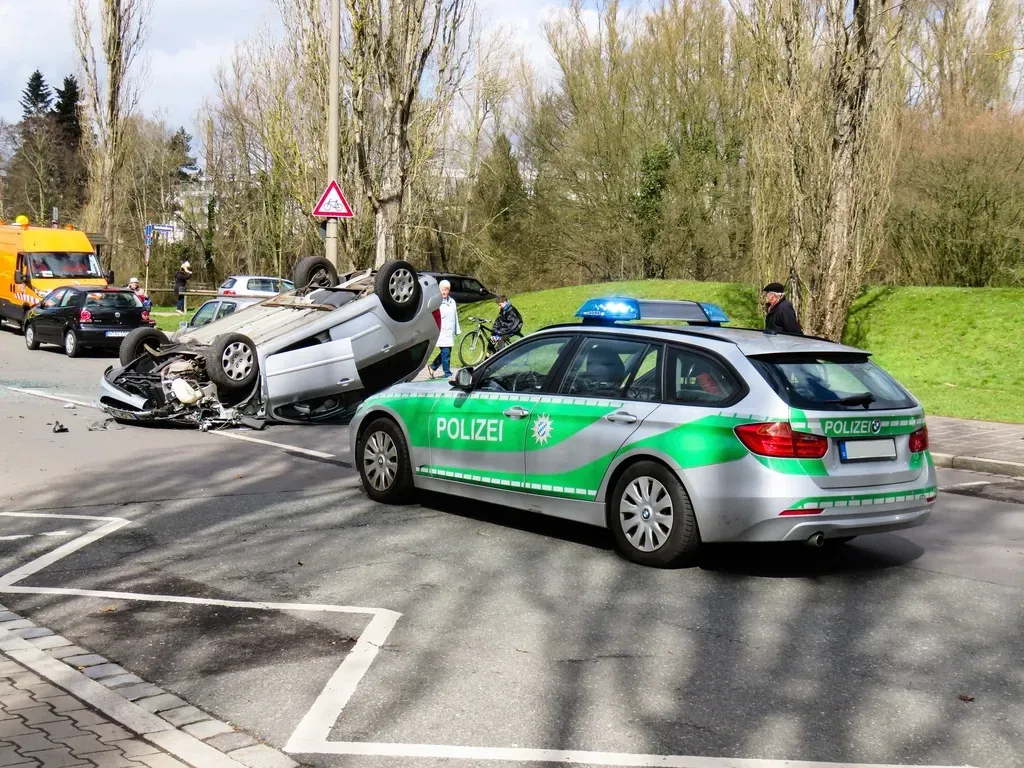
There were 1,820 fewer people killed in motor vehicle traffic crashes on U.S. roadways during 2023, a decrease from 42,721 in 2022 to 40,901 in 2023. That’s encouraging, right? Progress is being made. Yet here’s the thing: over 40,000 deaths in a single year is still a staggering number.
The agency estimates that 40,990 people died in motor vehicle traffic crashes in 2023, a decrease of about 3.6% compared to 42,514 fatalities in 2022. When you’re rerouted onto unfamiliar back roads because of construction or closures, those safety risks become even more pronounced. The roads you don’t know are often the ones where split-second decisions matter most.
Think about it this way: nearly 112 people die every single day on American roads. That’s roughly one death every 13 minutes. When detours push you onto routes you’ve never traveled before, you become part of a larger statistic that’s easy to ignore until it affects you personally.
Darkness Changes Everything on the Road

Most road trips involve some nighttime driving, especially when you’re trying to beat traffic or squeeze in extra miles. While we do only one quarter of our driving at night, 50% of traffic deaths happen at night. Let that sink in for a moment.
While just 9% of driving occurs from sunset to sunrise, 49% of fatal accidents occur during this time, compared to 83% of driving during daylight hours with 47% of deadly crashes. The math is brutal. Night driving is nine times more lethal than daytime driving, considering the number of fatal accidents relative to traffic volume.
When you get detoured onto rural roads you’ve never seen before, those risks multiply. Reduced visibility means you can’t spot hazards as quickly. Road signs might be harder to read. Wildlife crossings become more dangerous. It’s hard to say for sure, but I think many travelers underestimate just how much riskier it becomes once the sun goes down.
When GPS Fails and Apps Can’t Keep Up
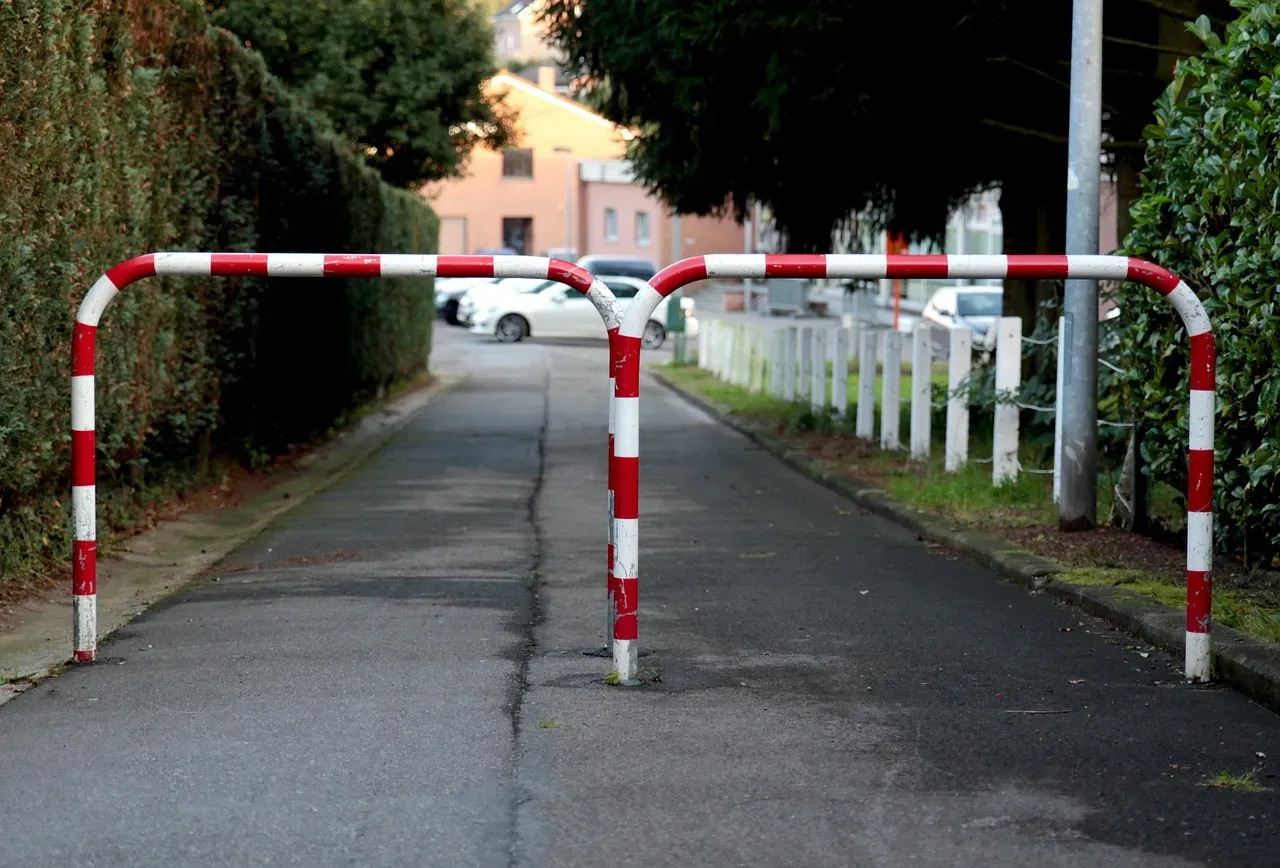
We’ve all become dependent on our phones to navigate. Google Maps, Waze, Apple Maps – they’re supposed to know everything, right? Here’s the reality: technology has its limits, especially when road conditions change rapidly.
Major construction projects and sudden closures don’t always update immediately in navigation apps. You might confidently follow your GPS onto a route that’s been closed for hours, only to find yourself at a dead end with no clear way forward. This happens more often than you’d think on interstates and major highways undergoing maintenance.
Cell service becomes spotty in rural areas and mountain passes. Your real-time traffic updates vanish. Suddenly that detour you were confidently following becomes a guessing game. Travel experts recommend carrying printed maps as backup, which probably sounds ancient but makes perfect sense when your phone becomes a useless brick in the middle of nowhere.
The Hidden Costs of Changing Your Route
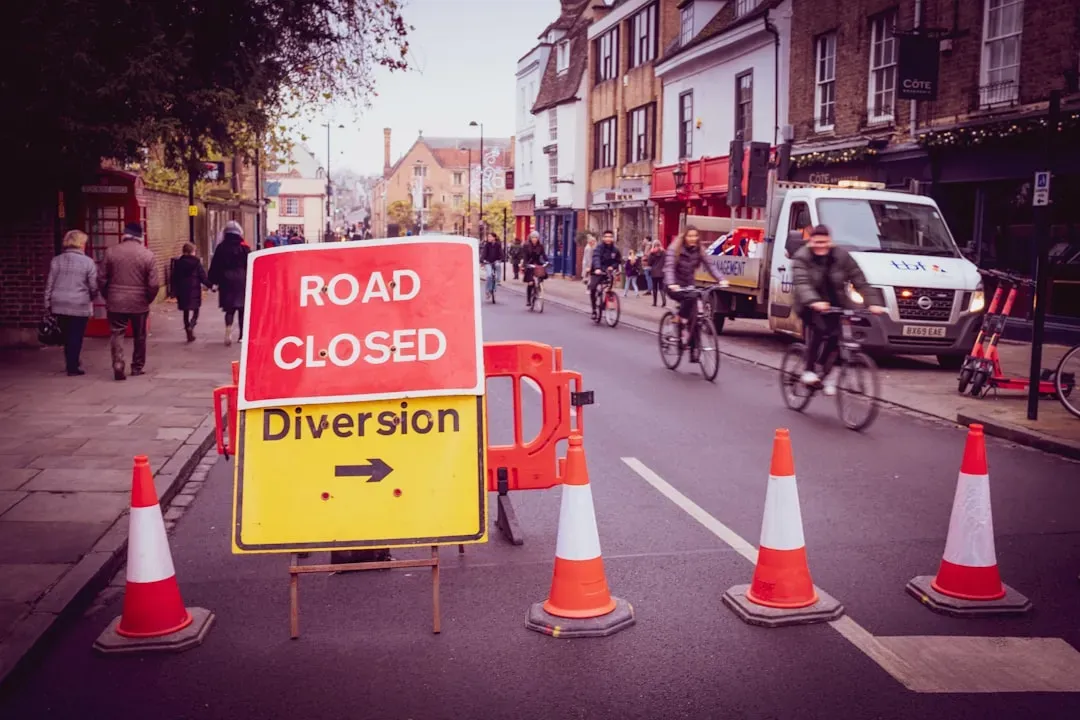
Detours aren’t just inconvenient. They cost you real money. Extra miles mean more gas, which adds up quickly when prices fluctuate. That carefully budgeted road trip suddenly becomes more expensive.
Then there’s time. Over 75% of American adults intend to take a road trip, accounting for nearly 196 million people. With that many vehicles on the road, especially during peak travel seasons, any detour can add hours to your journey. Hotel reservations get missed. Restaurant bookings become worthless. The domino effect of one unexpected detour can throw off your entire itinerary.
Regional differences matter too. What feels like a minor detour in the densely populated Northeast might translate to hours of extra driving in western states where alternative routes are sparse. You can’t just assume all detours are created equal.
Peak Travel Means Peak Delays
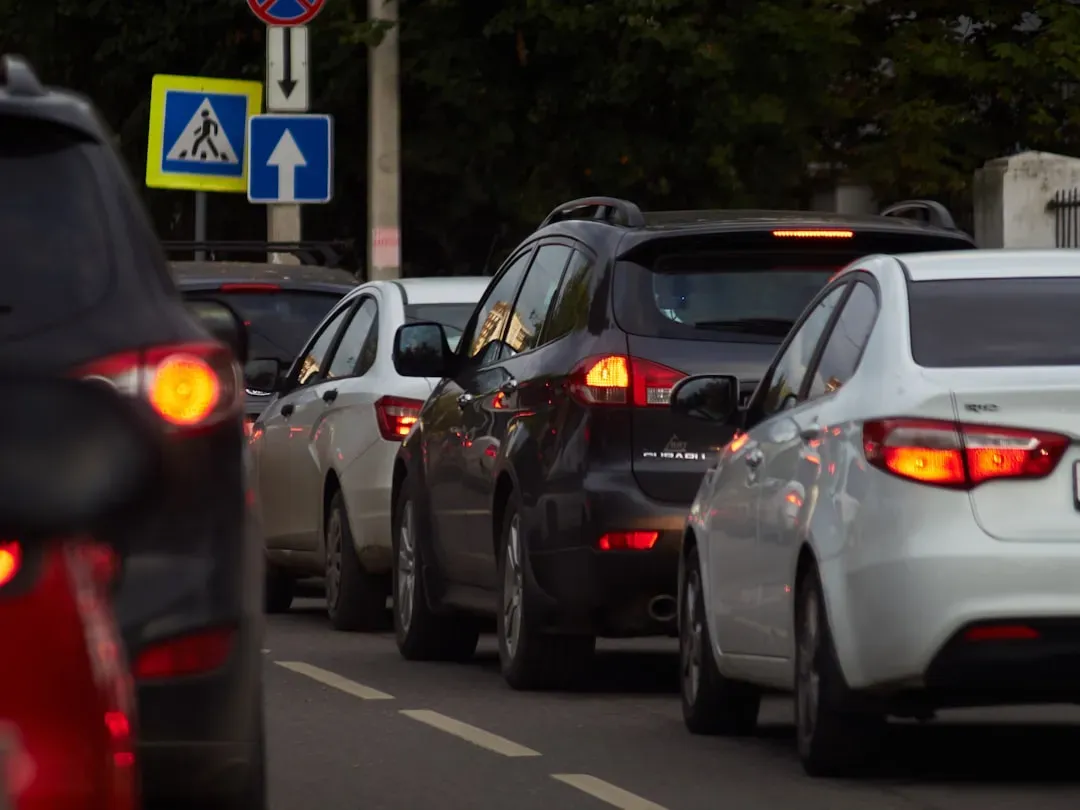
More than 119 million Americans traveled 50+ miles during the 2024 holiday season, with a record 80 million Americans traveling for Thanksgiving, including 71.7 million who drove. Those numbers represent absolute gridlock on major highways during peak periods.
Summer vacation season, major holidays, long weekends – these are exactly when you’re most likely to encounter both planned construction and massive traffic congestion. It’s almost cruel irony. You finally get time off work, and so does everyone else, creating the perfect storm of crowded roads and inevitable delays.
National parks recording millions of annual visitors means that even without construction, you’re facing traffic jams in places you never expected. Add in detours from wildlife crossings or sudden weather events, and what should be a leisurely scenic drive becomes an exercise in patience.
Weather and Wildlife Don’t Follow Your Schedule
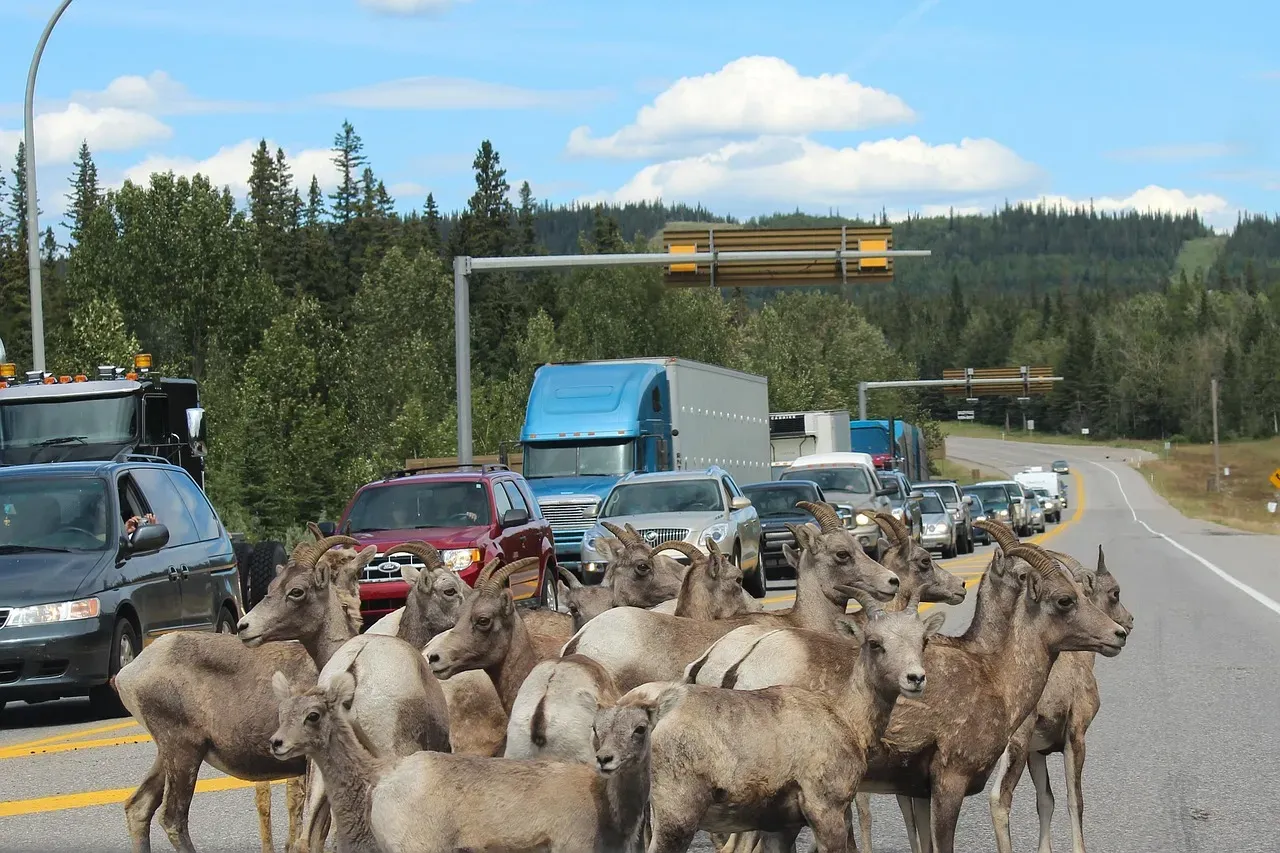
You can plan for construction zones and known road closures. Weather and animals? Not so much. Flash floods can wash out roads in minutes. Rockslides block mountain passes without warning. Wildfires force evacuations and highway closures that redirect traffic hundreds of miles out of the way.
Wildlife presents its own set of unpredictable hazards. Deer, elk, moose – they don’t check traffic conditions before crossing the road. In certain regions and seasons, animal crossings become so frequent that park rangers implement temporary road closures, forcing yet another detour you never anticipated.
These aren’t rare occurrences. They happen daily across America’s vast road network. The problem is we tend to think they won’t happen to us, on our trip, until suddenly they do.
The Reality of Rural Road Risks
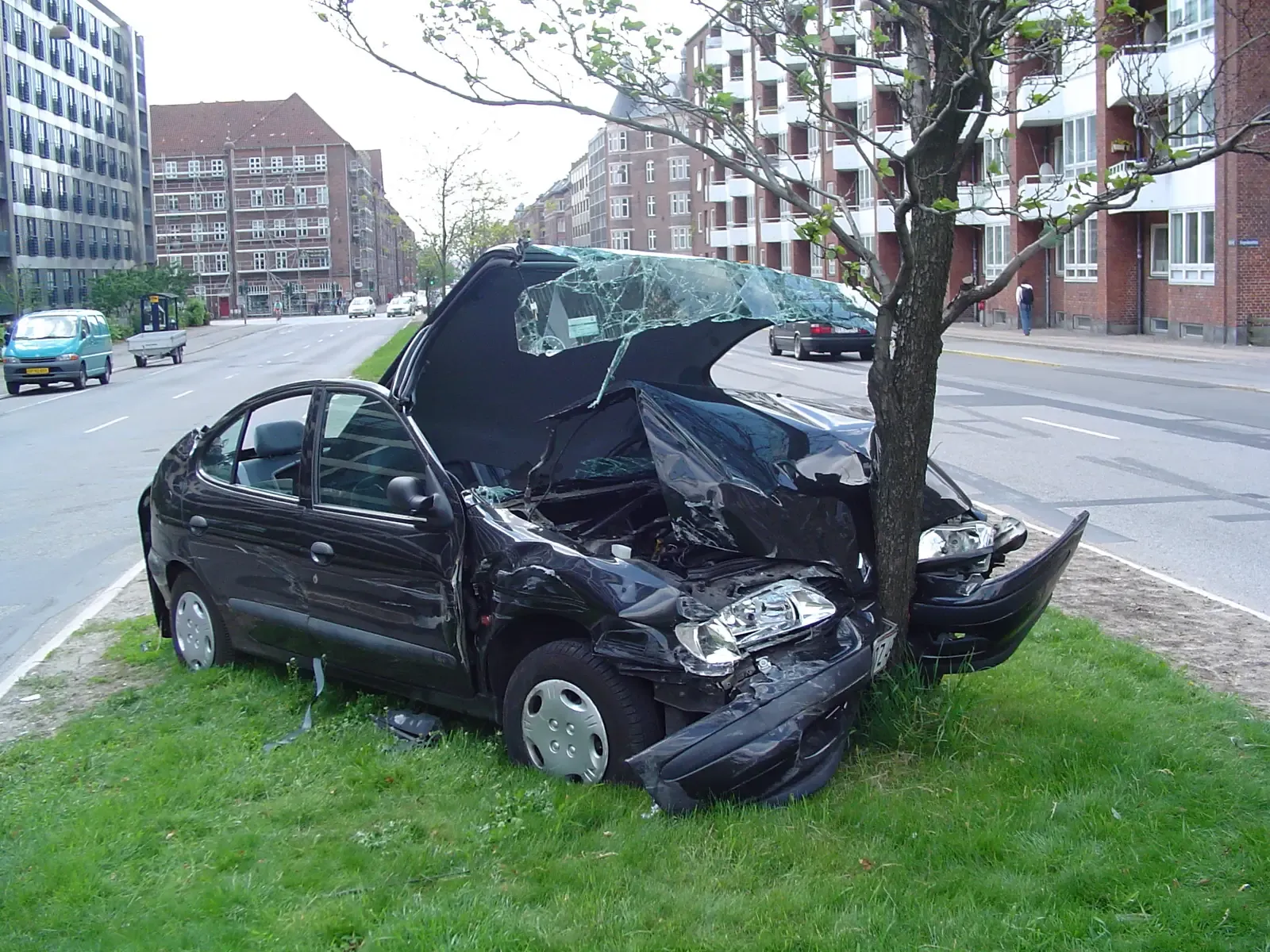
Rural fatalities saw little change from 16,791 in 2014 to 16,656 in 2023, while urban fatalities increased by 50 percent from 15,917 to 23,921. That urban increase is startling, yet rural roads remain consistently dangerous.
In 2023 the fatality rate was 1.5 times higher in rural areas than in urban areas. When detours push you off major highways onto two-lane country roads, you’re entering statistically more dangerous territory. These roads often lack shoulders, proper lighting, and quick emergency response times.
Sixty-seven percent of drivers killed in rural areas died at the scenes of crashes, compared to 51 percent of drivers killed in urban areas. That difference reflects both the severity of rural crashes and the challenges of getting rapid medical help in remote locations.
Planning Smarter for the Inevitable Unexpected

So what’s a road tripper to do? Give up on the romance of the open road entirely? Of course not. The key is adjusting your expectations and preparing for disruptions as part of the journey rather than exceptions to it.
Build buffer time into your itinerary. If GPS says six hours, plan for eight. Check state department of transportation websites before you leave and during your trip for real-time road conditions. Download offline maps for areas where cell service might be unreliable. Keep emergency supplies in your vehicle – water, snacks, first aid kit, phone chargers.
Consider traveling during off-peak times when possible. Those predawn departures might not sound appealing, yet they can help you avoid both traffic congestion and the heightened risks of nighttime driving. Stay flexible with your plans. Sometimes the detour leads to unexpected discoveries that become the highlights of your trip.
The American Road Trip Isn’t Dead, Just Different
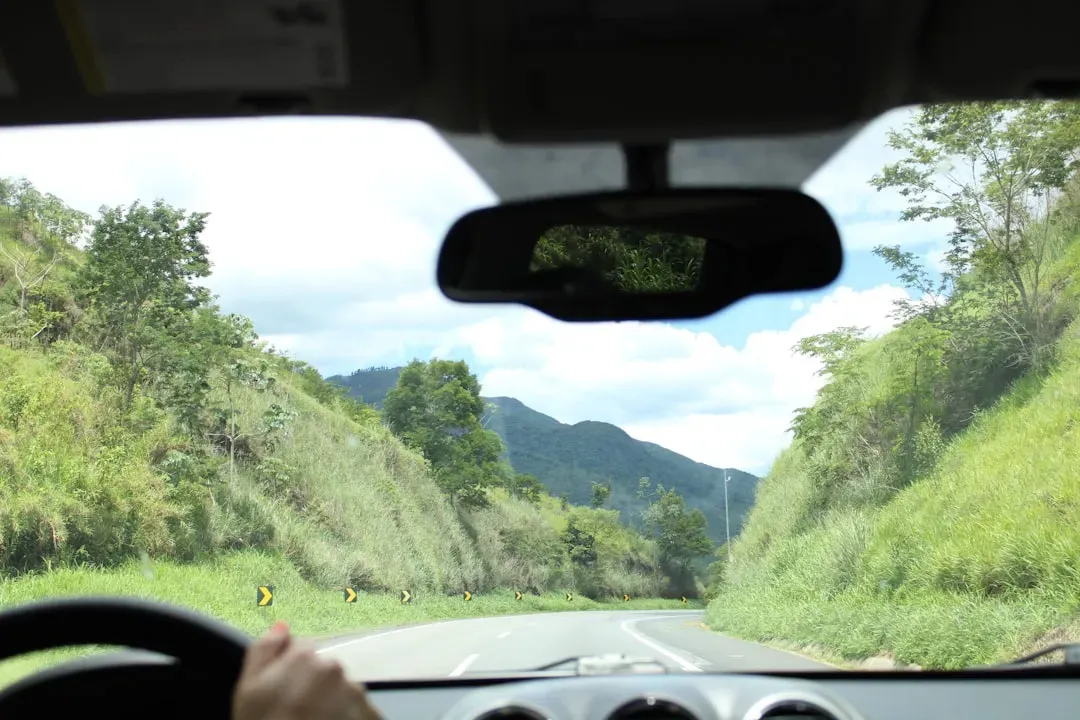
2023 set a record with over 1.90 billion road trips taken and 2024 is expected to surpass previous records. Americans aren’t giving up on road trips despite all these challenges. We’re adapting, becoming smarter travelers who understand that the journey rarely goes exactly as planned.
The romance of the open road hasn’t disappeared. It’s just evolved to include a more realistic understanding of what modern American road travel actually involves. Collapsed bridges get rebuilt faster than ever before, often in ways that seem almost miraculous. Technology continues improving, giving us better real-time information than previous generations ever had.
Perhaps the real magic of a road trip in 2026 isn’t following a perfect plan, but rather embracing the inevitable detours as part of the adventure. Those unexpected turns force you to slow down, notice things you’d otherwise miss, and create stories worth telling long after you’re back home. The question isn’t whether you’ll face detours – it’s how you’ll respond when you do. What would you have guessed about the real state of American roads before reading this?