

Think about the last time you walked through a city park on a hot summer day. The shade felt cooler, the air somehow cleaner. Now imagine if every neighborhood had access to that kind of relief, especially in places where concrete seems to stretch endlessly. That’s not just a nice idea anymore. It’s becoming a reality in cities across America, though one city stands out as a particularly fascinating example of what’s possible when urban planning meets environmental justice.
We’re witnessing a shift in how cities approach their landscapes. This isn’t about planting a few trees and calling it a day. It’s about reimagining entire neighborhoods, protecting vulnerable communities from climate extremes, and building infrastructure that works with nature instead of against it. Let’s explore how Los Angeles is leading this transformation.
A City Confronting Its Heat Crisis
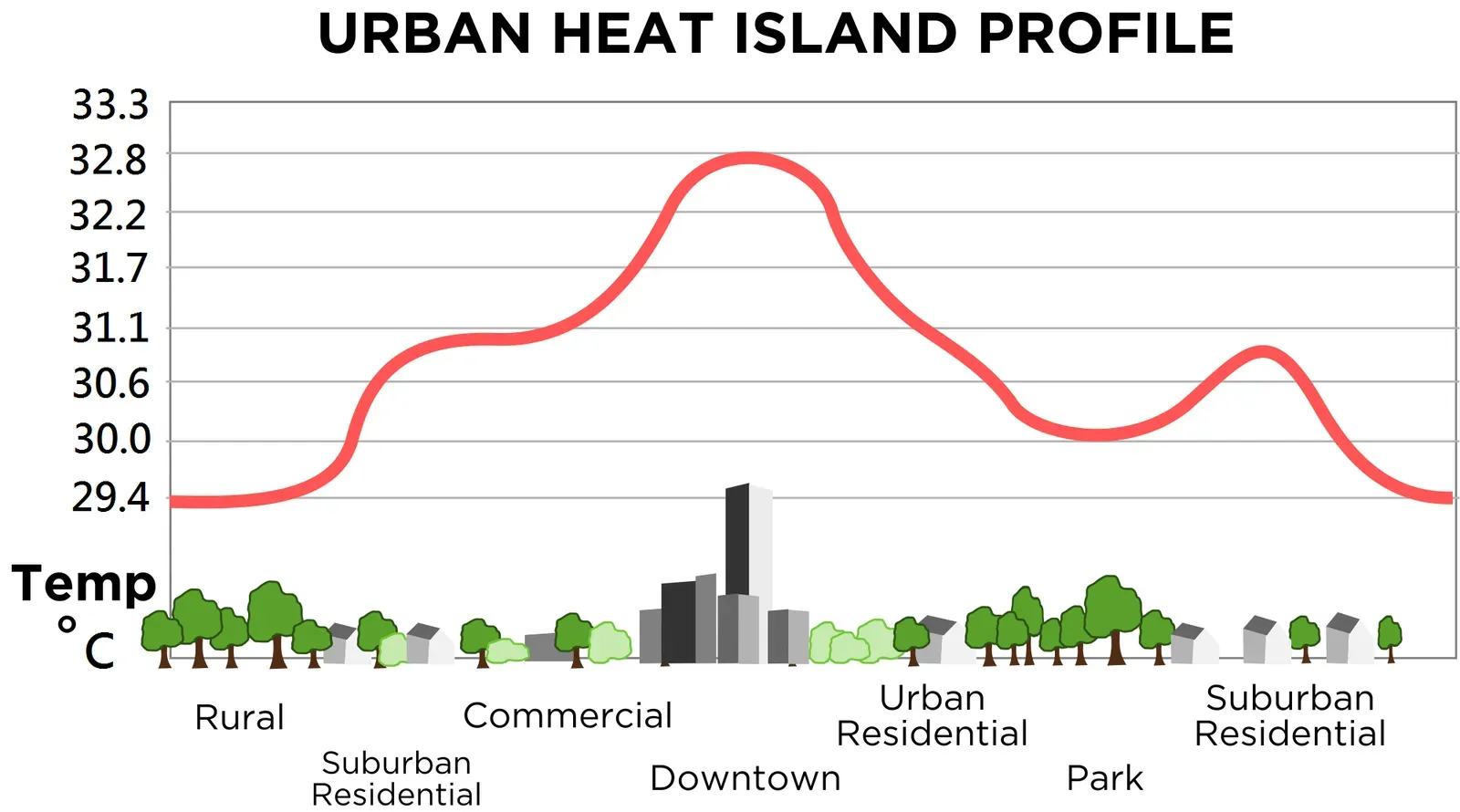
Los Angeles faces a severe urban heat island effect, where concrete and asphalt make the city significantly hotter than surrounding areas, particularly in low-income neighborhoods and communities of color. These areas often lack adequate green space, parks, and tree cover. The absence of trees translates directly to higher temperatures, increased energy consumption for cooling, and exacerbated health issues like heatstroke and respiratory problems.
Honestly, when you look at the numbers, it’s shocking. Reducing urban heat exposure is an equity issue, as low-income communities and communities of color are more likely to live in neighborhoods with older buildings, low tree cover, more heat-retaining surfaces, and limited access to coping strategies such as air conditioning. The city’s geography already makes it prone to heat, so the lack of tree canopy in certain neighborhoods creates dangerous conditions during summer months.
Massive Investment Through Community Partnership
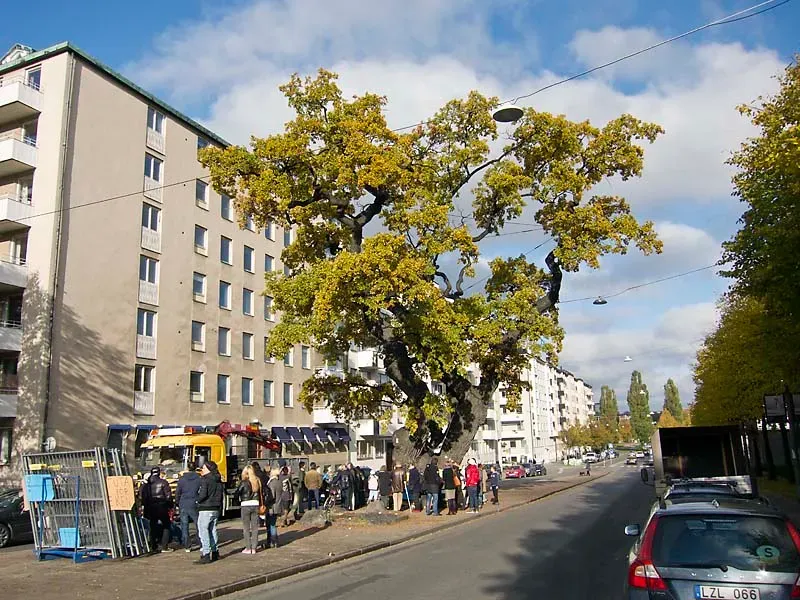
The Bezos Earth Fund’s Greening America’s Cities initiative is a $400 million commitment to build parks, plant trees, and develop green spaces and community gardens within urban centers. Los Angeles received substantial attention through this program. Over 4,000 trees will be planted in the San Fernando Valley, in primarily low-income Latino neighborhoods in need of urban greening and planning.
The scale of this initiative represents something different from typical urban forestry efforts. GreenLatinos Sustainable Cities Urban Greening Initiative will allocate $2,650,000 in grants for urban greening projects such as parks, community gardens, and other needed green spaces in Los Angeles, Albuquerque, and Chicago. What strikes me about this approach is that it specifically targets frontline communities that have historically been overlooked when cities made decisions about where to invest in green infrastructure.
Stormwater Management Meets Green Design
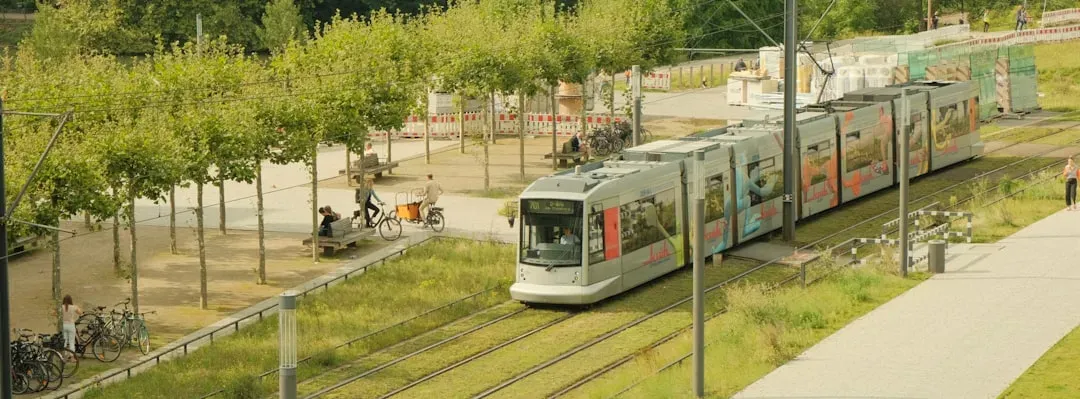
Green infrastructure is an umbrella term used to describe practices that use or replicate natural systems to achieve a desired outcome, encompassing a range of strategies from green roofs to urban forests to permeable pavements. Cities across the nation are implementing these systems to address flooding while beautifying communities. Green infrastructure collects stormwater from streets, sidewalks, and other hard surfaces before it can enter the sewer system or cause local flooding, helping prevent sewer overflows and improving the health of local waterways.
Let’s be real, traditional gray infrastructure like pipes and drains just can’t handle the increasingly intense rainfall events we’re seeing. Green infrastructure initiatives include improving stormwater management through rain gardens, permeable hardscaping, and developing water reuse systems. These systems work double duty, managing water while creating more livable spaces for residents.
Climate Cooling Effects That Save Lives
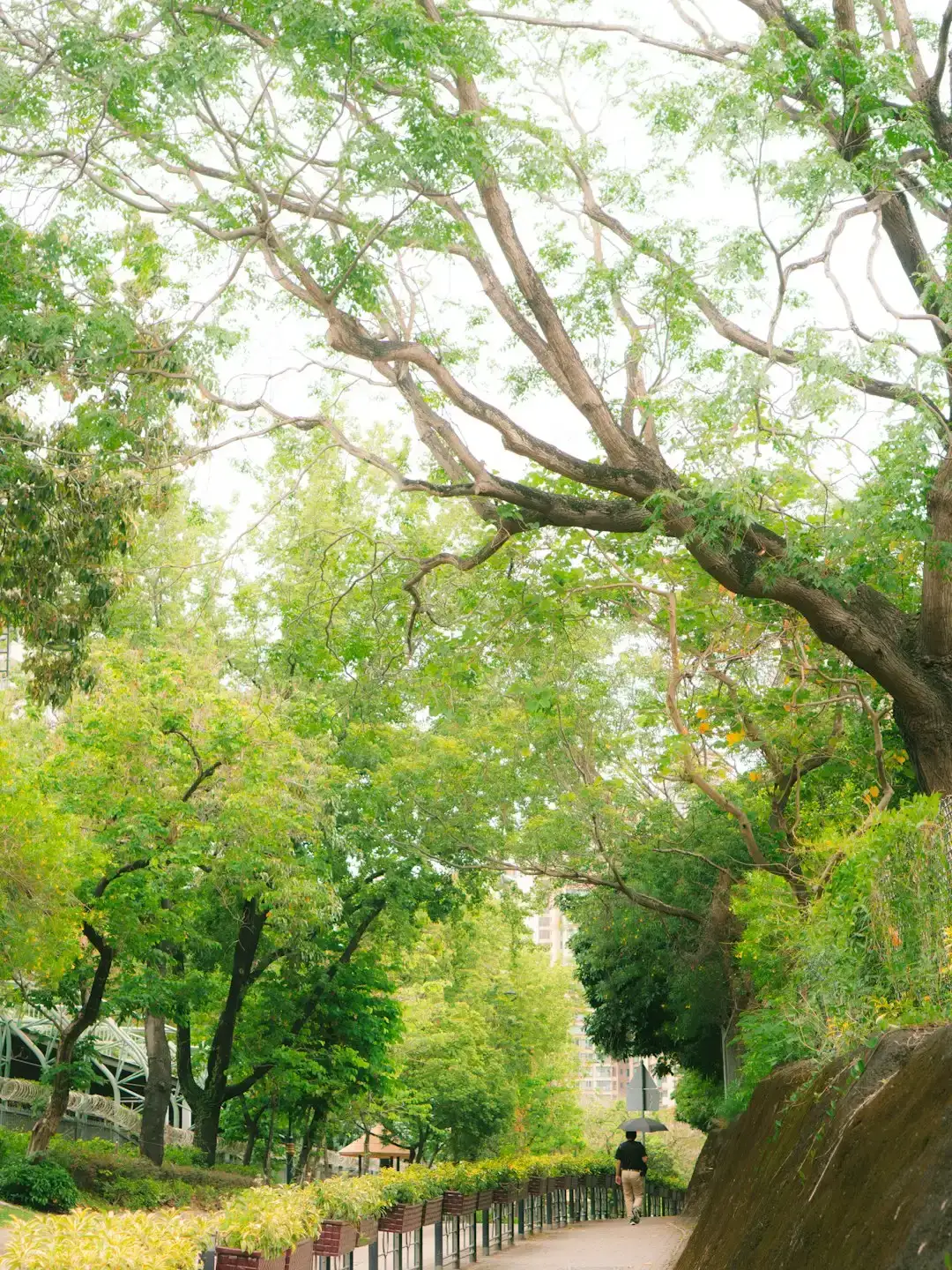
Tree cover can reduce land surface temperature by 10 to 20 degrees Celsius (18 to 36 degrees Fahrenheit) on a summer day. That’s not a minor difference. In 92% of areas studied, low-income blocks had less tree cover than high-income blocks, with low-income blocks on average having 15.2% less tree cover and being 1.5 degrees Celsius hotter than high-income blocks.
In humid or temperate cities, such as Chicago, New York City and Atlanta, urban greening and irrigation counteract warming and carbon dioxide emissions. The cooling effect becomes even more critical during heat waves. Extreme heat causes more deaths in the United States than all other weather-related causes combined, making tree canopy expansion a genuine public health intervention.
Health Benefits Beyond Temperature Control
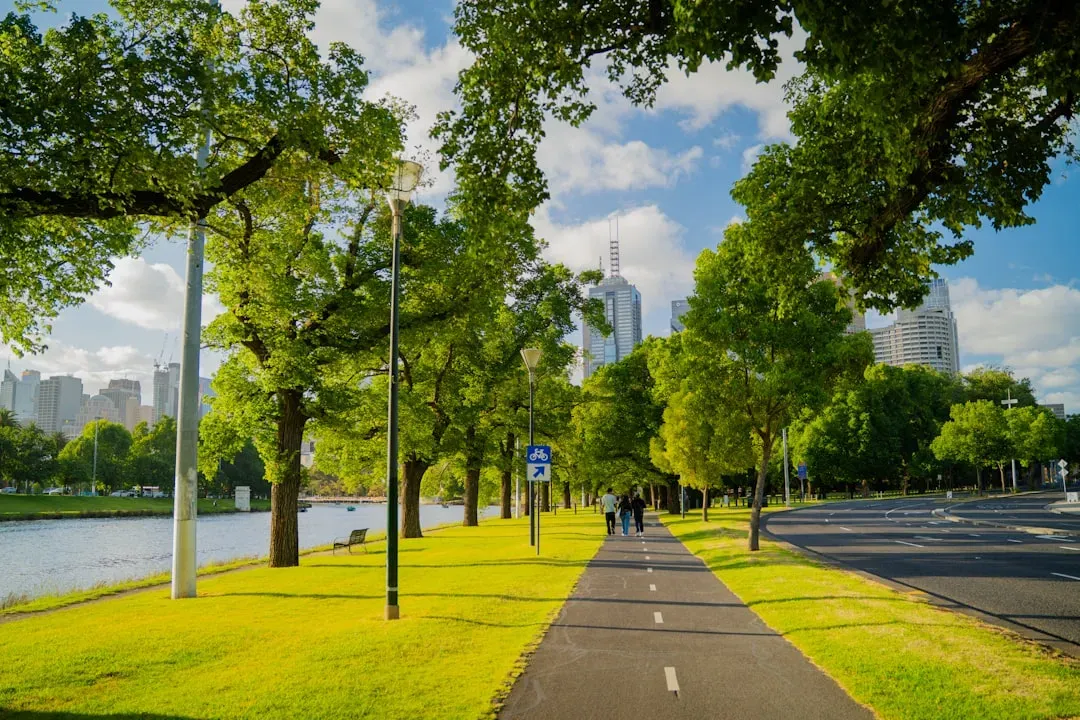
More neighborhood tree cover, independent from green space access, was related to better overall health, primarily mediated by lower overweight/obesity and better social cohesion, and to a lesser extent by less type 2 diabetes, high blood pressure, and asthma. Research in California demonstrated these connections convincingly. The mechanisms behind these benefits are fascinating.
Trees act as natural air purifiers, absorbing pollutants, sequestering carbon, and reducing the urban heat island effect, with impacts going beyond just environmental benefits to include public health, climate resilience, and restoring dignity to communities that have been ignored for too long. I think the dignity aspect gets overlooked too often. Green spaces signal that a community matters.
Economic Value That Justifies Investment
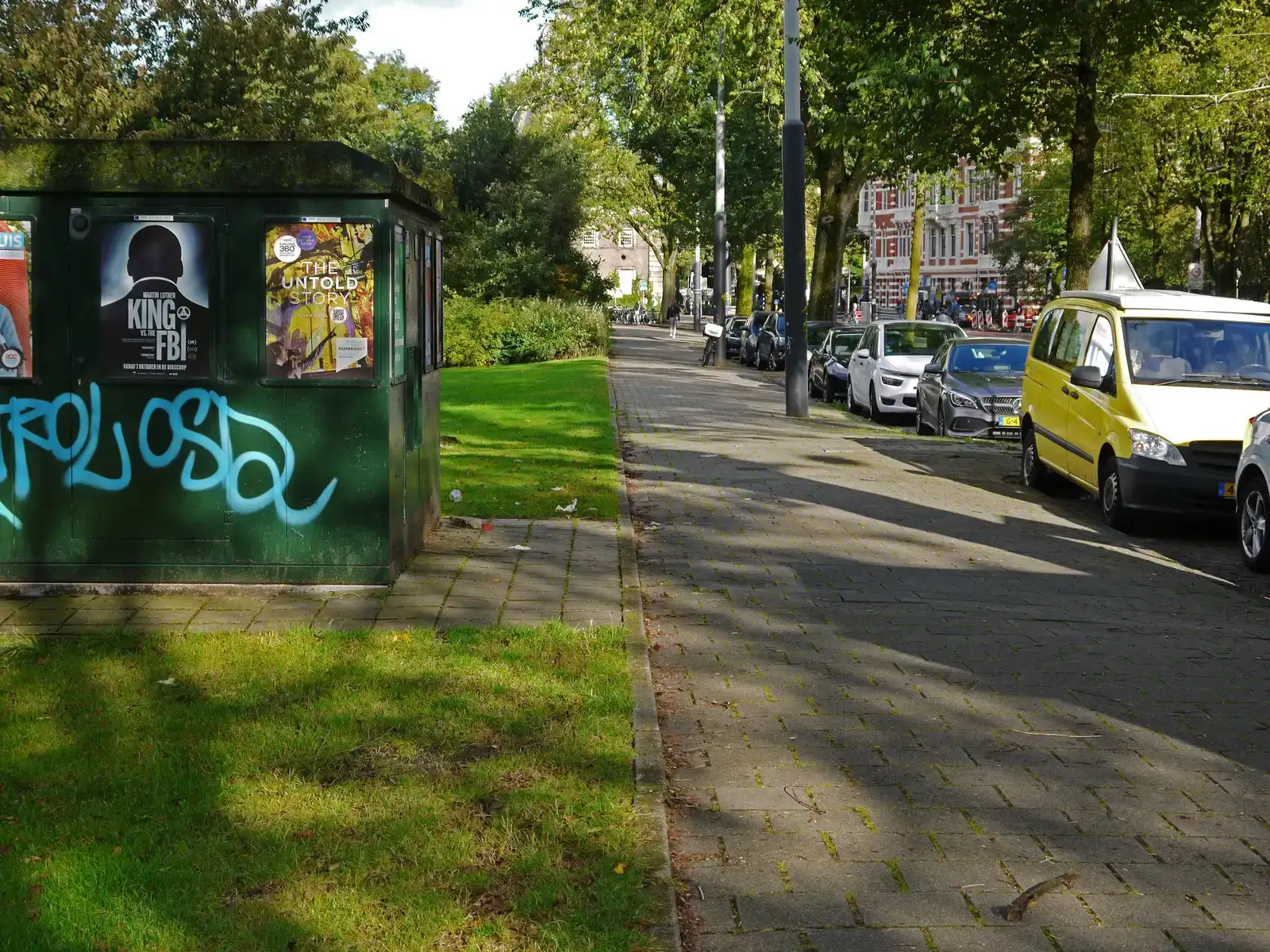
A study of urban forests in Modesto, CA, showed that for each $1 invested in urban forest management, $1.89 in benefits is returned to residents, with city trees removing 154 tons of air pollutants, increasing property values by over $1.5 million, and providing shade to save more than $1 million in energy costs. Those numbers convinced city officials to increase funding substantially.
An analysis of 27 U.S. cities found that in 2015 dollars, there were $13.2 million in avoidable air pollution-related costs and $11.9 million in avoidable time missed from work on an annual basis, with savings from eliminating these costs covering an estimated 12.5 percent of the cost of tree planting and maintenance needed. The return on investment becomes clear when you factor in reduced healthcare costs, improved productivity, and energy savings.
Community Engagement Driving Design Decisions

The Greening America’s Cities initiative awarded a grant to UCLA’s Laboratory for Environmental Narrative Strategies and Ethnic Media Services to mobilize a network of more than 40 ethnic media journalists to disseminate vital information about climate change and urban greening initiatives, with journalists producing approximately 160 stories on topics related to urban greening. This communication strategy ensures communities understand what’s happening in their neighborhoods.
There is an increasing emphasis on citizen/community engagement in urban planning processes, however addressing structural barriers and ensuring meaningful participation remain ongoing challenges. Getting genuine input from residents, not just token participation, makes the difference between projects that serve communities and projects that displace them.
Biodiversity Corridors Within Urban Landscapes
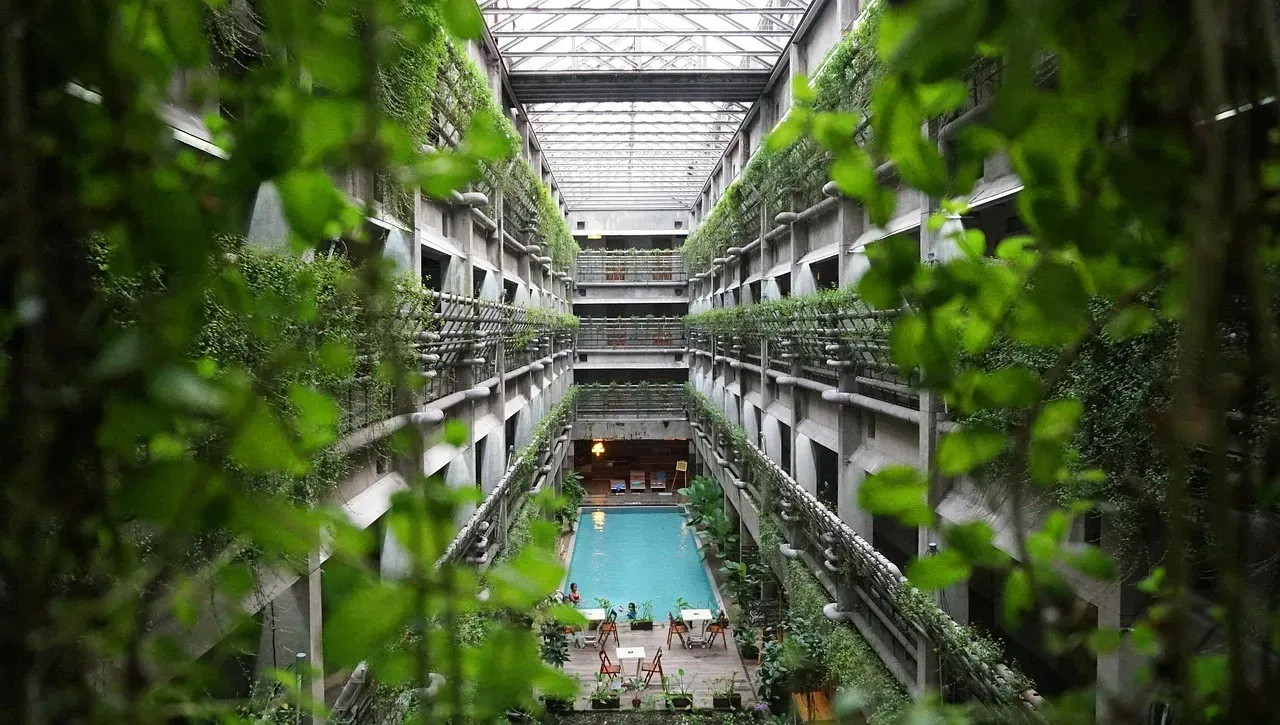
Cities like New York and Chicago are integrating green roofs and urban gardens into their architecture, not only enhancing biodiversity but also improving air quality and energy efficiency. Los Angeles is following similar patterns with its own adaptations. increasingly serve as habitat for pollinators and native species that struggled in purely concrete environments.
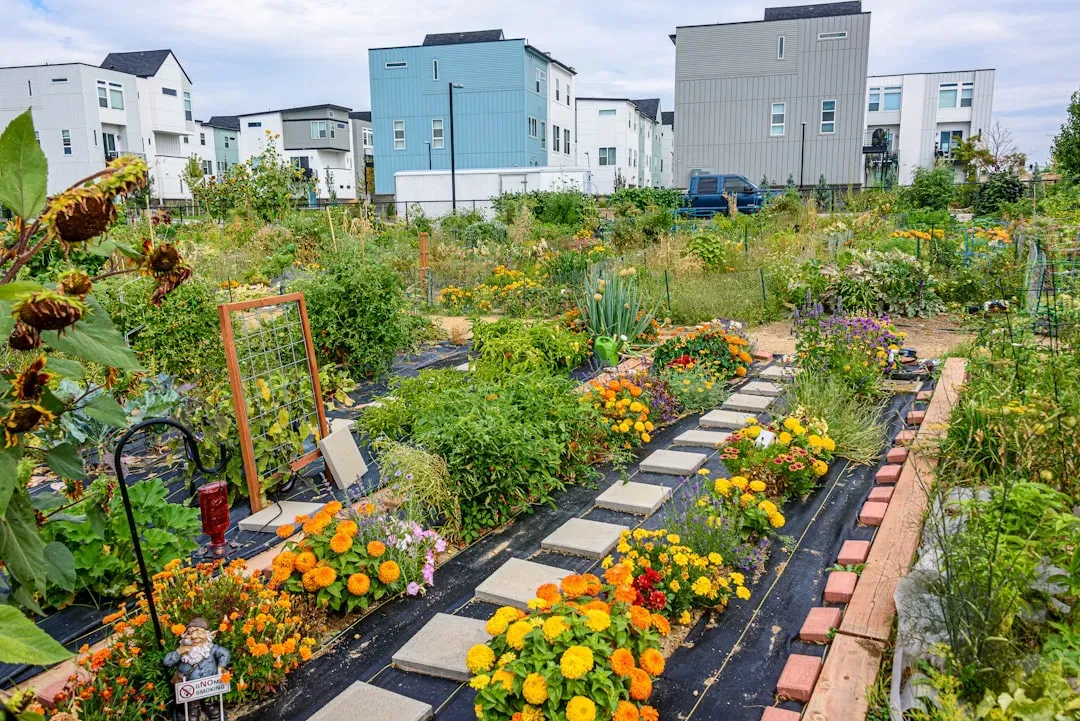
The ecological benefits extend beyond what we initially planned for. Green infrastructure preserves and creates space for pollinators, bugs, and other species to thrive in an urban environment. Honestly, watching butterflies and bees return to neighborhoods that hadn’t seen them in decades feels like a small miracle.
Addressing Environmental Justice Through Strategic Planting
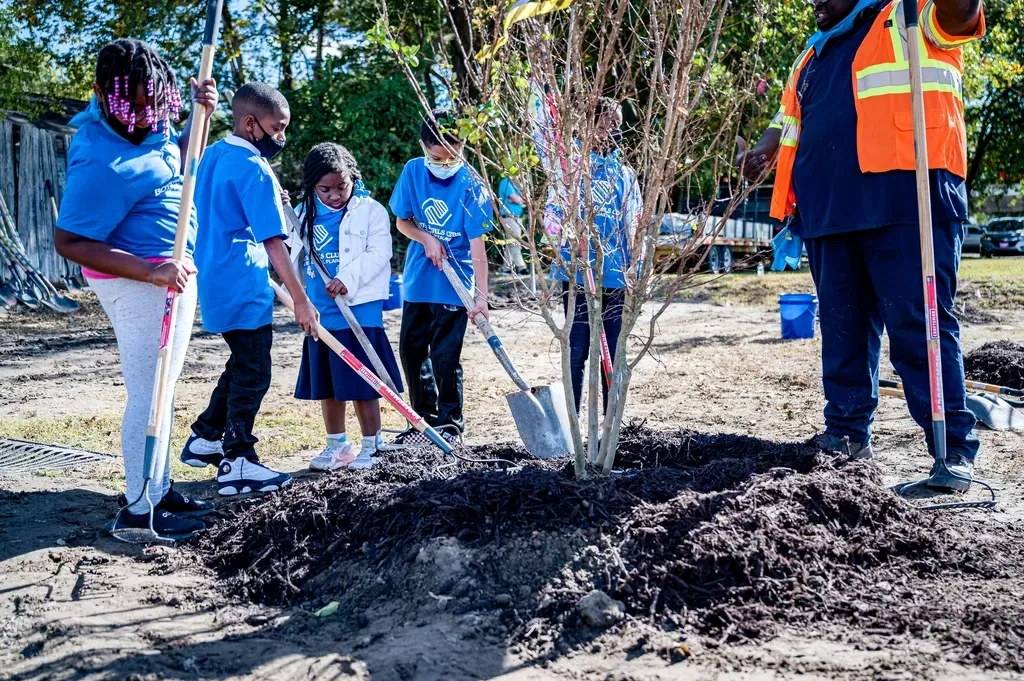
The 37 metropolitan areas where mostly racial and ethnic minorities lived during the 1930s have, on average, 23% tree canopy cover today, while areas where U.S.-born white people lived in the 1930s have almost twice as much tree canopy, 43%. This disparity traces back to discriminatory housing policies. Urban tree equity isn’t just an environmental issue – it’s a matter of social justice, as areas with the least tree cover often have the highest rates of violence, the weakest infrastructure, and the greatest vulnerability to climate extremes.
Los Angeles is deliberately prioritizing historically underserved areas for new tree planting and park development. If reforestation in urbanized areas was to be prioritized solely based upon the potential protective health benefits of trees, then dense urban neighborhoods would have priority. It’s hard to say for sure, but this targeted approach might finally begin to correct decades of disinvestment.
Looking Forward: Replication and Expansion
In 2024, NYC became the first U.S. city to include climate issues in the city budget and created a Green Economy Action Plan to bolster the city’s sustainable workforce, anticipating 400,000 green-collar jobs created by 2040. Other cities are learning from pioneering efforts and adapting strategies to their own contexts. Los Angeles established a Green Jobs Roadmap to meet sustainability goals ahead of the 2028 Olympics, where LA hopes to stand out as a global climate leader.
The lessons from Los Angeles demonstrate what’s possible when cities commit serious resources to green infrastructure, prioritize equity, and involve communities in decision-making. These aren’t just parks and trees. They’re investments in climate resilience, public health, economic vitality, and environmental justice that will pay dividends for generations.
What Los Angeles is proving is that aren’t luxuries reserved for wealthy neighborhoods. They’re essential infrastructure that every community deserves, particularly those most vulnerable to climate change and health disparities. The transformation isn’t complete, and challenges remain around maintenance, preventing displacement, and ensuring long-term sustainability. Still, the trajectory shows what American cities can achieve when they treat nature as a partner rather than an obstacle. What do you think your own city could learn from this approach?