

It happened fast, and many property owners never saw it coming. A California county voted to effectively end in residential areas, sending shockwaves through the vacation rental market and reigniting one of the most heated debates in American housing policy. The decision has national implications, touching on tourism, housing affordability, investor rights, and the future of platforms like Airbnb.
This is not just a local story. From New York to Arizona, city after city is rethinking whether belong in neighborhoods at all. Let’s dive in.
Monterey County’s Historic 3-2 Vote
On January 6, 2026, a 3-2 majority of the Monterey County Board of Supervisors voted to create a short-term rental ordinance that would ban them in unincorporated residential areas while allowing them in commercial areas and within agricultural operations. The vote was close, tense, and deeply contested. Two supervisors voted against it, preferring a narrower approach rather than an outright ban.
The move came in the wake of a lawsuit filed by the Monterey County Vacation Rental Alliance against the county over its STR ordinance, which was passed in 2024. In December, the county announced it was suspending enforcement on two specific provisions of the ordinance based on claims in the lawsuit that the ordinance violates clauses of the U.S. and California constitutions.
The Board was placed in a difficult position by the lawsuit and chose the broader ban because it did not want to see an unlimited number of single-family homes in the unincorporated county aggregated and treated as an investment class by out-of-area and corporate interests. The county had engaged in more than 10 years of public input, debate, and negotiation. What emerged from that long process was a delicate compromise that allows limited while drawing a clear line to protect housing for people who actually live and work there.
What the New Rules Actually Mean

Monterey County has decided to ban rentals under 30 days in most unincorporated residential areas. For most properties in these zones, renting for fewer than 30 consecutive days is now banned outright. This change specifically targets the weekend trips and weekly stays that had defined the short-term rental market there. Think of it like this: if you owned a beach cottage in Pebble Beach and rented it out during the AT&T golf tournament every year, that income stream is now gone.
The ban only applies to unincorporated residential areas of Monterey County, like Pebble Beach and Big Sur. Incorporated cities such as Monterey and Carmel-by-the-Sea have their own separate rules for . The ban applies to all rentals under 30 days, no matter how often a property is rented. Even occasional rentals during events are no longer allowed in unincorporated residential zones under the new rules.
The Housing Crisis Behind the Decision

Monterey County did not make this decision in a vacuum. The main reason for the ban is the severe local housing shortage. A recent report showed that a Monterey County resident earning the median income can afford less than 15% of the homes on the market. County officials hope to turn vacation rentals back into long-term homes for residents. That number is genuinely shocking. Less than 15 percent. Imagine being a teacher or a nurse in Monterey and not being able to afford almost any home in the county where you work.
The expansion of , which are units that lease to tenants for periods shorter than 30 days through platforms like Airbnb and VRBO, is frequently accused of worsening housing shortages and contributing to rising home prices. In response, some local governments have limited through bans or stringent restrictions. Whether those restrictions actually fix the underlying problem is, honestly, a separate and much messier debate.
The Lawsuit That Forced the County’s Hand

The County of Monterey had been suspending enforcement of two specific provisions for vacation rental and homestay ordinances while a court challenge was underway. This legal uncertainty was itself part of what drove the board toward a broader, cleaner ban. The legal battle created a kind of regulatory vacuum, and the county chose to fill it decisively.
The ban will cut the number of permitted STRs from about 400 to just over 300, mostly in specific areas like North County and the Del Monte Forest. Some owners hope that a lawsuit or a political change will reverse the Monterey County STR ban. However, waiting is a gamble that could cost months of rental income. The regulatory tide across California is turning against STRs in residential areas, and the county’s decision is part of a larger trend, making a full reversal very unlikely.
New York City Already Did This First

Here’s the thing: Monterey County is not alone, and it is not even the boldest example. New York City went further back in 2023, and the results have been dramatic. In January 2022, New York City passed Local Law 18, which came into full enforcement in September 2023. With nearly two years of implementation, it is now possible to assess the law’s impact on listed on platforms like Airbnb, VRBO, and Booking.com.
Regulations mandate that hosts offering rentals of 30 days or less within the five boroughs must register with the Office of Special Enforcement. Airbnb and other platforms are prohibited from showing listings from unregistered hosts. Hosts must provide proof that the unit is their primary residence, meaning they live there for at least 183 days annually. In practice, that rules out the vast majority of investment-based short-term rental operations.
Compared to an estimated 60,000 illegal listings on major booking platforms in 2018, and over 38,000 active listings at the beginning of 2023 on a single site, the Office of Special Enforcement reports there are now just 3,000 active short-term rental registrations in the city, representing tens of thousands of critical housing units protected for long-term New York renters. That is a staggering reduction, any way you look at it.
Did NYC’s Ban Actually Lower Rents?
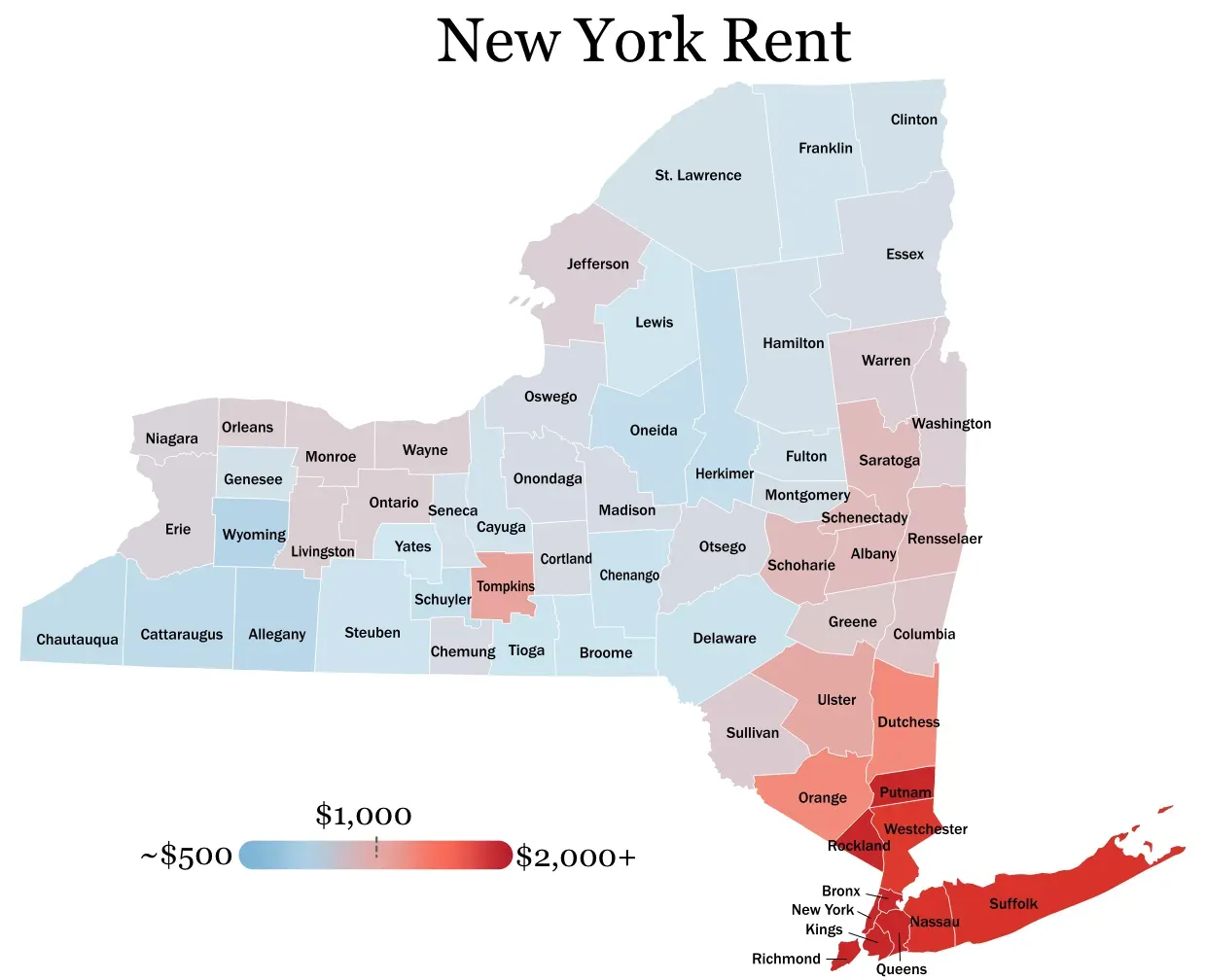
This is where things get genuinely complicated, and I think more people need to hear it. The answer, based on available data, is not encouraging. The law has been successful in significantly reducing Airbnb listings, with a decline of over 90% in short-term rental availability between the time of enactment and early 2025. However, despite this reduction, the median asking rent across NYC apartments increased by 2.1% from October 2023 to October 2024. In addition, the law contributed to a rise in hotel prices, with rates climbing approximately 6% in 2024.
A report by HR&A Advisors reveals that the law has not only failed to improve housing affordability, but instead could lead to less economic and fiscal impact from Airbnb for the city and hosts, all the while benefiting the hotel industry by pushing room costs significantly higher. Critics argue that the law has not achieved its intended goal of lowering rents and has instead eliminated a vital source of income for many New Yorkers, as well as a potential tax revenue stream.
The Ripple Effect: Other Cities Joining the Movement
Once New York moved, others took notice. The regulatory wave is real and accelerating. Dallas introduced a ban on STRs in single-family zone neighborhoods in 2023, but a court injunction has put it on hold, illustrating how fluid the legal picture can be. New Orleans bans in the French Quarter, limits operators to one STR permit, outlaws corporate entities from being STR owners, and requires Vrbo and Airbnb to make sure their listings in New Orleans have city-issued STR permits.
Since 2021, the number of total proposed state STR bills has increased by an average of 67 each year, and one in five were enacted, according to legislation-tracking software Quorum. If these trends continue, states will consider an estimated 328 bills on STRs in 2025 and pass 66 of them, an average of almost seven proposed and at least one passed in each state. The legislative machinery is fully engaged. This is no longer a coastal California trend. It is nationwide.
Neighborhood Quality vs. Investor Rights

Let’s be real: the short-term rental debate is not just about housing numbers. It is emotional. Longtime residents feel pushed out of their own neighborhoods. Proponents of protection argue these measures are not about banning tourism but about ensuring tourism is sustainable, fair, and balanced with the needs of those who call Big Sur home. Moving forward, strong enforcement will be critical. Without it, loopholes and non-compliance will continue to undermine the ordinances. STR revenues, including transient occupancy tax, should never outweigh the priority of preserving housing for locals.
Banning short-term rental platforms for high housing costs collides directly with the property rights of owners and the affordability of travel. On the other hand, reducing barriers to development creates avenues for market adjustment. That second sentence is the part that often gets ignored in this debate. Banning Airbnb without building more housing is a bit like treating a fever by unplugging the thermometer.
The Scale of the Short-Term Rental Market in 2026

Before anyone thinks these bans will wipe out the industry, it is worth understanding just how massive the short-term rental market still is. As of July 2025, there were 1.77 million short-term rental listings in the U.S., with an estimated 89% being whole-home listings according to AirDNA. With 148.3 million housing units in the U.S. as of the third quarter of 2025, whole-home listings make up about 1.2% of the country’s housing stock.
According to AirDNA’s 2025 Mid-Year Outlook Report, US short-term rental demand is projected to decline from 15.8% in 2021 to 5.5% in 2026. Meanwhile, supply continues growing, reaching over 1.7 million properties nationally. More properties competing for fewer bookings means higher competition for every reservation. The market is not dying. It is tightening, reshuffling, and becoming much harder to operate in without full regulatory compliance.
What Property Owners Are Being Told to Do Next

For owners caught by the Monterey ban, the advice being given is surprisingly consistent across the industry. For owners of beautiful properties along the Monterey Bay coast, this crackdown means the days of relying on a steady stream of weekend tourists are likely over. Monterey County’s new ordinance effectively phases out many casual Airbnb-style rentals, making a pivot to a long-term rental model a smart and necessary move.
The allure of STR income often hides steep operational costs and volatility. When you switch to a long-term strategy, you cut out the constant costs of daily cleanings, frequent supply runs, and hefty booking platform fees. It is about trading unpredictable income for consistent, predictable cash flow. It is a hard pill to swallow for investors who built their entire financial strategy around platform-based rentals. Still, in a regulated market, adaptability is everything.
Conclusion: A Turning Point for American Housing Policy

The Monterey County ban is not just a local footnote. It represents a growing national willingness to prioritize long-term housing over short-term profits, even at the cost of legal battles, lost tourism revenue, and investor frustration. The debate around whether these bans actually deliver affordable housing remains genuinely unresolved, with real data from New York suggesting the outcomes are more complicated than lawmakers promised.
What became clear in 2025 is that regulation now acts as a supply-shaping mechanism. In some cities, certain business models no longer make sense. In others, inventory growth is constrained not by demand, but by licensing and enforcement. The short-term rental industry will survive these bans. Whether the housing crisis will benefit from them is a question worth asking your city council at the next meeting.
What do you think: should neighborhoods have the right to ban entirely, or does that go too far? Tell us in the comments.